hypoallergenic dogs

- Introduction to Allergy-Prone Dogs
- Benefits of hypoallergenic dogs
- Common Types of Allergic Dogs
- Criteria for choosing the right dog for allergies
- Breeding bankrupt dogs for allergies
Introduction to Allergy-Prone Dogs
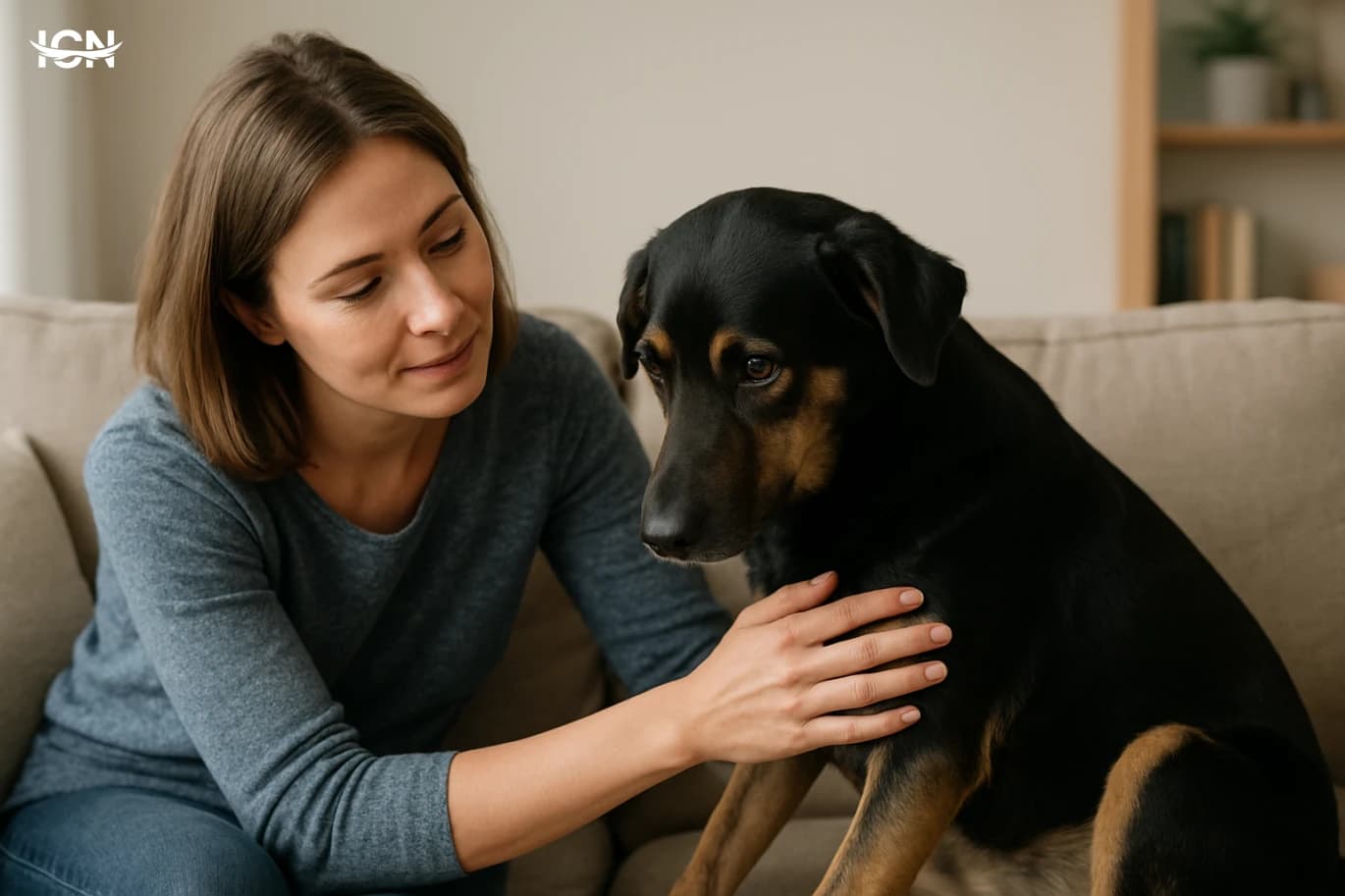
Understanding the Definition of Hypoallergenic Dogs Hypoallergenic dogs are a breed of dog that has been carefully selected to produce less dander and crement. These breeds are suitable for people with dog allergies, as they are characterized by less shedding, which reduces exposure to allergens in the environment. The Importance of Raising Hypoallergenic Dogs Raising hypoallergenic dogs is an excellent choice for families who want a pet without the risk of aggravating their allergies. These dogs provide loving companionship and contribute to improving the psychological state of individuals. Therefore, they are an ideal choice for those who suffer from allergies and want to enjoy a fun and safe animal experience.
Benefits of hypoallergenic dogs
Reducing health problems for allergy sufferers Hypoallergenic dogs are an ideal solution for those with allergies, as they reduce their exposure to allergens. This reduces annoying symptoms such as sneezing and flushing, allowing sufferers to enjoy the company of the dog without worrying about negative effects on their health. The role of hypoallergenic dogs in social relationships Hypoallergenic dogs contribute to enhancing social relationships by providing loving and enjoyable companionship. Owners of these dogs have the opportunity to connect with other people with similar issues, which strengthens social bonds and contributes to building a supportive community.
Common Types of Allergic Dogs
Non-shedding dogs Non-shedding dogs are ideal for people with allergies. These dogs have low shedding, which means they
Criteria for choosing the right dog for allergies
Size and fur type When choosing a dog suitable for people with allergies, you should consider the size of the dog and its fur type. Small dogs that do not have thick fur may be a good choice, and some breeds, such as dogs classified as non-shedding, help reduce the amount of hair in the house. Certain behaviors that make a dog suitable There are behaviors that play an important role, such as the dog's ability to adapt to the home environment and not needing daily combing, which reduces the spread of fur. Also, calm dogs that do not react excessively to new environments may be less allergenic, which helps their owners feel comfortable.
Breeding bankrupt dogs for allergies
Grooming Training Grooming your dog is essential to ensure that fur and allergens are minimized. Owners can teach dogs to use designated areas to relieve themselves while keeping the house clean. Proper training is an important part of the dog-rearing experience. Proper Nutritional Care Feeding your dog properly also helps reduce allergies. Choose a high-quality, allergen-free food. Providing balanced meals and appropriate food supplements can help keep your dog healthy, reducing the risk of allergies for the owner.