الديدهية الشارج
- the introduction
- The effect of economic factors
- Factors that affect the value of the Lebanese lira
- The effect of Covid-19 on the Lebanese economy
- The government's efforts to improve the currency status
the introduction
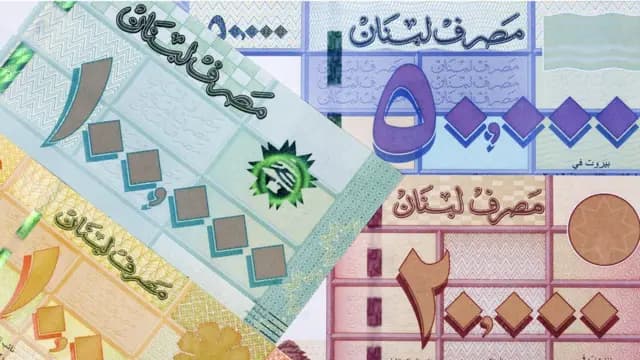
The history of a Lebanese lira The Lebanese lira witnessed a long history of changes and challenges, as it went through frequent economic crises and great fluctuations in its value over the years. For the first time the lira was released in 1924, and it was initially linked to the French franc. Over time, the lira was affected by government policies and internal conflicts in the country. The value of the current Lebanese pounds in recent years, the value of the Lebanese lira has deteriorated significantly, as political and economic crises have affected its value in the market. Today, the lira faces great challenges, which makes it vulnerable to sharp changes, which affects the lives of citizens and their ability to buy basic needs.
The effect of economic factors
Inflation and market fluctuations cause high inflation rates in losing the purchasing power of the Lebanese lira, which makes prices rise continuously. These fluctuations in the market negatively affect investments and weaken confidence in the currency. Cash and financial policies play the monetary policies adopted by the central bank an important role in the stability of the lira. Decisions related to benefits and reserves affect inflation and reduce price fluctuations. The absence of political stability increases the complexity of the economic scene and makes the lira facing continuous challenges.
Factors that affect the value of the Lebanese lira
The economic explosion The economic explosion is one of the main factors that affect the value of the Lebanese lira. The country's economic collapse led to lack of confidence between citizens and investors, which resulted in the low financial values. Economic crises often accelerate capital escape from the market. Political influences greatly affect the Lebanese economy. Political divisions and internal conflicts lead to instability, which in turn leads to the deterioration of the value of the lira. The political scene is complicated that makes it difficult to make effective economic decisions, which increases pressure on the national currency.
The effect of Covid-19 on the Lebanese economy
Low tourism and exports with the spread of the Covid-19s, Lebanon has witnessed a significant decrease in the tourism sector, which is considered one of the most prominent sources of national income. The borders were closed and many tourism activities stopped, which negatively affected the returns. Exports were also affected as a result of travel restrictions and closure procedures, causing heavy losses to support the local economy. The pandemic economic consequences cause the virus the spread of many negative economic consequences. Unemployment rates have increased and living conditions have deteriorated. The country's poverty problem accelerated, which increased pressure on basic services. These circumstances combined put the Lebanese economy in a difficult position, which requires urgent solutions to achieve recovery.
The government's efforts to improve the currency status
New economic policies in an attempt to improve the economic situation and work to stabilize the exchange market, the Lebanese government adopted a set of new policies. These policies were to enhance local production and encourage foreign investment, in addition to restoring confidence in the banking system. The government seeks to reduce the dependence on import and increase the returns from the producing sectors. Future challenges and opportunities despite the efforts made, there are still major challenges facing the Lebanese economy, such as political instability and lack of confidence in institutions. However, there are future opportunities that require cooperation between the government and the private sector, to enhance economic growth and provide the appropriate environment for investment, which contributes to strengthening the Lebanese currency.