A Practical Week in Slovenia Without a Car

- Why Slovenia Works Car-Free
- Day 1–2 Ljubljana as a Smart Base
- Day 3 Lake Bled and a Quieter Alternative
- Day 4 Caves and Karst Towns by Bus
- Day 5–6 Coast and a Walkable Seaside Plan
- Budget, Tickets, and Packing for Transit Days
Why Slovenia Works Car-Free
Slovenia is compact, well-connected, and easy to navigate with trains, regional buses, and local shuttles, making it a strong choice for travelers who want to skip driving. The distances between major highlights are short: Ljubljana to Lake Bled is roughly an hour by bus, and Ljubljana to the coast can be done in about two hours with a combination of bus routes. In practice, this means you can base yourself in one or two towns and still see alpine lakes, caves, vineyards, and the Adriatic shoreline. A car-free plan also reduces friction for visitors who prefer predictable costs and fewer logistics. Tickets are generally affordable, stations are central, and many attractions are reachable with a short walk from a stop. Slovenia’s tourism infrastructure supports this style of travel with luggage storage at key stations, frequent day tours for remote areas, and a growing network of marked hiking and cycling routes that begin near towns. For a one-week trip, the country’s size is an advantage: you can build a varied itinerary without spending half your time in transit.
Day 1–2 Ljubljana as a Smart Base
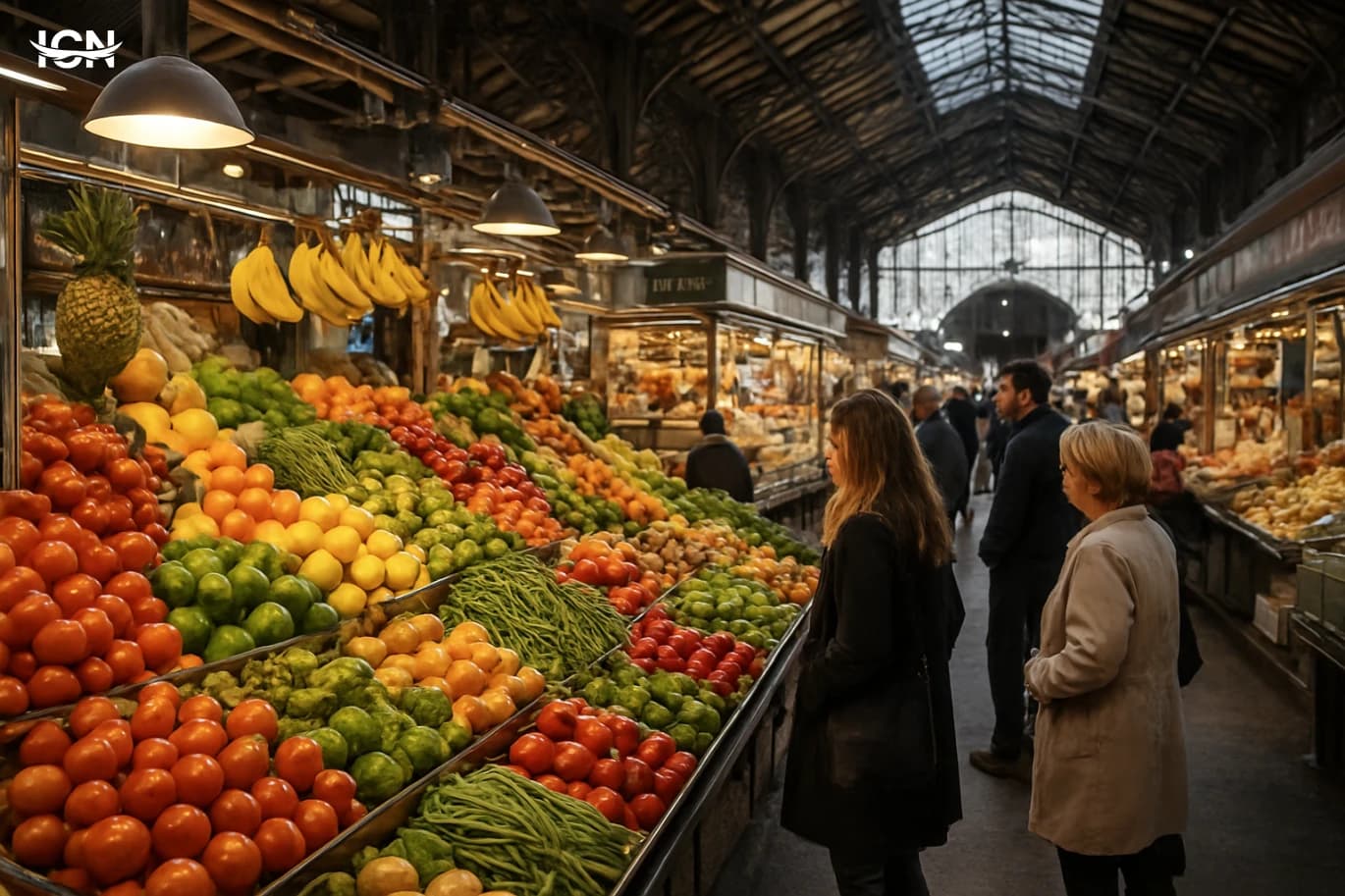
Start in Ljubljana for two nights to settle in and get oriented. The city center is compact and walkable, with most sights within a 20–30 minute radius on foot. Use the first day for the riverside promenade, the Central Market, and a quick ride on the funicular to Ljubljana Castle for a city overview. In the evening, focus on a simple food plan: try a set lunch in the center, then reserve one dinner at a contemporary Slovenian bistro to sample local ingredients like buckwheat, freshwater fish, and seasonal mushrooms. On day two, add a low-effort excursion that does not require a car. The Ljubljana Marshes area has guided options and short trails, while the town of Kamnik offers a historic core and easy access to nearby viewpoints. If you prefer museums, the National Gallery and the Museum of Architecture and Design can fill a half-day without complex planning. Keep your logistics simple by buying intercity tickets at the main station and checking the next day’s bus times in advance, especially on weekends when frequencies can change.
Day 3 Lake Bled and a Quieter Alternative
On day three, take an early bus to Lake Bled. A car-free visit works best if you arrive before late morning, when day-trippers increase. Walk the full lakeside loop for the classic views, then decide between two signature stops: Bled Castle for a panoramic terrace, or a boat ride to the island if conditions are calm. Keep expectations realistic: Bled is scenic but popular, so planning your timing matters more than planning every minute. If you want a quieter lake experience without adding complicated transfers, consider pairing Bled with nearby Lake Bohinj. Bohinj is larger, less commercial, and better suited for straightforward hiking. From the lakefront, you can reach short trails and viewpoints, or take a local bus toward the Savica waterfall area in season. For a one-day plan, choose one lake as the main focus and treat the second as a short add-on, so you do not spend the day rushing between stops. Return to Ljubljana or continue onward to your next base depending on your week’s structure.
Day 4 Caves and Karst Towns by Bus
Slovenia’s karst region is one of the best examples of how a car-free itinerary can still feel varied. From Ljubljana, buses connect to major cave sites such as Postojna Cave and Škocjan Caves, with schedules that can support a day trip if you start early. Choose one cave system rather than trying to do both in a single day; each visit includes timed entry and walking, and the experience is better when you are not watching the clock. After the cave visit, add a small-town stop to balance the day. Postojna is practical for services and connections, while nearby karst villages offer a quieter look at local architecture and food. If you can align your timing, include a short tasting of regional products such as cured meats, cheeses, and seasonal produce, focusing on places that are reachable from the bus route without long detours. Return in the early evening so you have time to plan the next leg of the trip and avoid late connections.
Day 5–6 Coast and a Walkable Seaside Plan
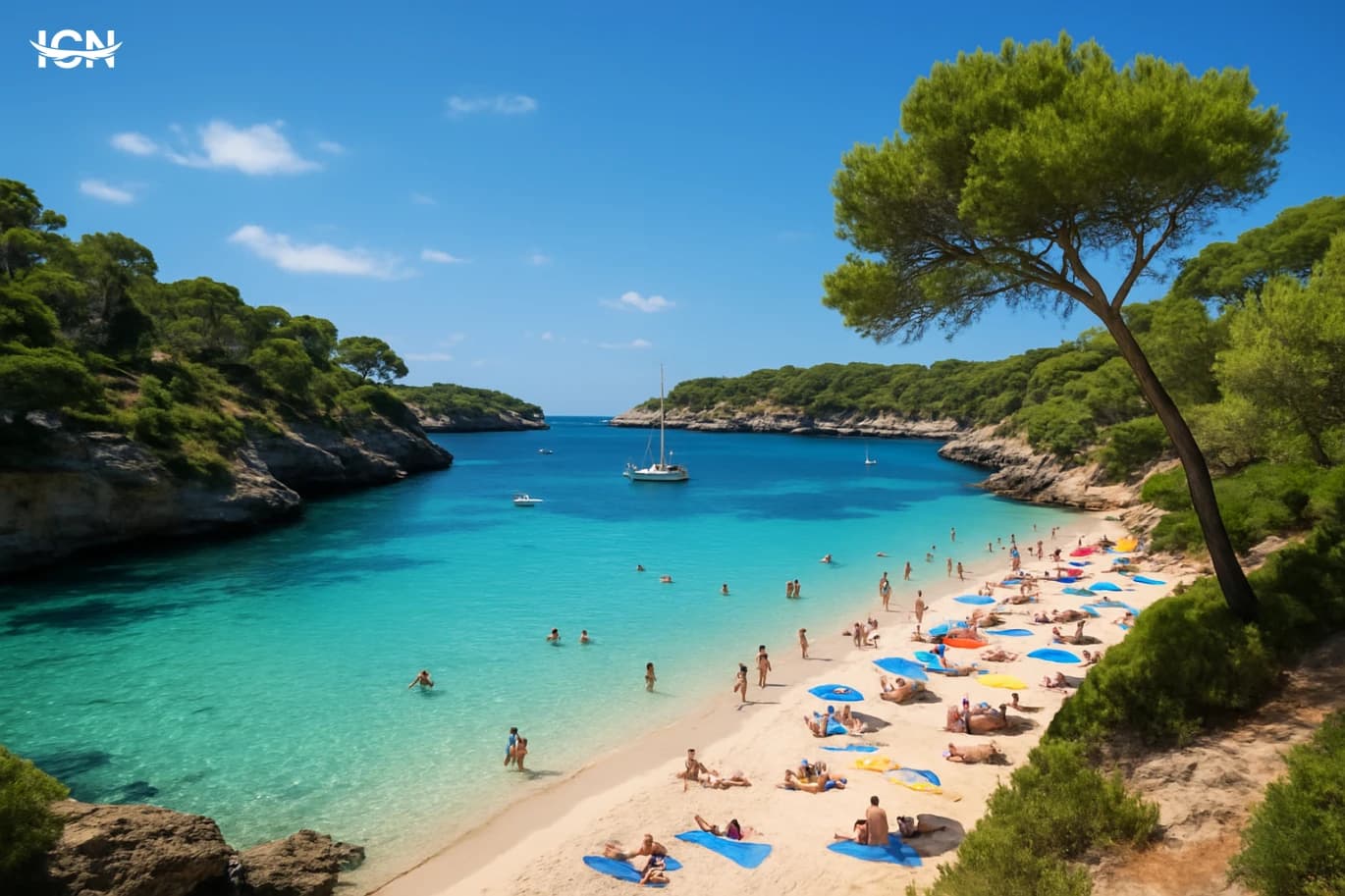
For days five and six, shift to Slovenia’s short but distinctive coastline. Buses connect inland cities to coastal hubs, and once you arrive, the best approach is to keep your plan walkable. Piran is a strong base for a car-free stay because the old town is compact and designed around pedestrians. Spend one afternoon on the main square and waterfront, then set aside time for a simple coastal walk to viewpoints above town. Use the second coastal day to broaden the experience without chasing too many stops. Koper offers a different feel with a larger town center and practical services, while Portorož is more resort-oriented and easy to reach. If you want a structured activity, look for a short boat excursion or a guided food walk that starts in the old town and stays within a manageable radius. Keep an eye on return times if you are heading back inland; coastal connections can be frequent in peak season but less flexible outside it.
Budget, Tickets, and Packing for Transit Days
A car-free week is easiest when you treat transit as part of the plan, not an afterthought. Build a simple budget that includes intercity tickets, local buses, and one or two paid attractions such as a cave entry or a castle visit. Buying tickets early can reduce stress, but keep some flexibility for weather changes, especially for lake and coastal days. When possible, choose accommodations within walking distance of stations to avoid adding taxi rides that undermine the cost advantage. Pack with short transfers in mind. A medium suitcase or a backpack that you can carry up stairs is more practical than oversized luggage, since some stations and older buildings have limited elevators. Keep a small day bag ready with water, a light rain layer, and a power bank, because long day trips often involve waiting at stops. Finally, plan your week with two bases rather than moving every night; fewer check-ins mean fewer timetable constraints and more time on the ground exploring.