
Download Our App
Shop your way




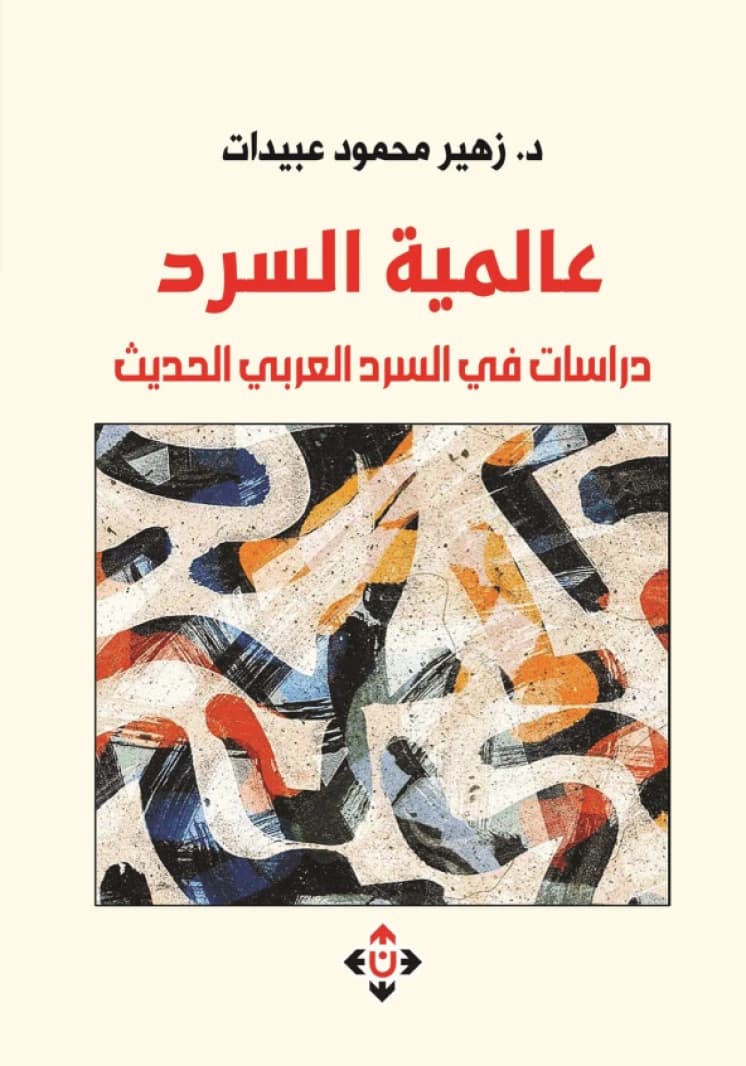
The Universality of Narrative: Studies in Modern Arabic Narrative - Prof. Dr. Zuhair Mahmoud Obeidat
JOD

Get it by 5 Aug | Order in 3 Hours 5 Minutes
- Return Policy
- Warranty Policy
- Shipping Policy
- Non contact delivery
- Personal Receipt
- Return Policy
- Warranty Policy
- Shipping Policy
- Non contact delivery
- Personal Receipt
The study adopts the concept that 'universe' and 'world' are equal in meaning and significance, despite their variations. It discusses a central question: Can we speak of the 'universality' of narrative? This is possible in many ways, as the narrative act is connected to human existence in general, and humans are inherently predisposed to narrative practice. This act is temporal, occurring only in time and in a real or mental space, and is realized only through the action of an agent possessing a tool of expression—in this case, the language used by the narrator. Furthermore, the narrative process employs methods and techniques that are also common among humans, such as using temporal narrative techniques like temporal paradox, which allows movement between the past, present, and future, as well as description, dialogue, storytelling, and dreams, among other methods used by humans in their narratives. This leads us to say that 'narrative is a universal discourse.' This means that narrative is connected to human existence, is indispensable, is based on common elements, methods, and techniques, and is a human heritage manifested in both classical and popular literature, past and present. This is particularly evident in the field of the novel, where the contemporary global novel does not differ much in its elements, methods, and techniques, without overlooking the specificities, identities, and determinants related to different peoples, societies, civilizations, and cultures.
- Author: Prof. Dr. Zuhair Mahmoud Obeidat
- Publisher: Alan Publishers and Distributors
- Year of Publication: 2025
- Edition: 1
- Number of Pages: 198
- Size (cm): 17*24
- Weight (g): 295
- ISBN: 978-9923-13-758-1







