
Download Our App
Shop your way




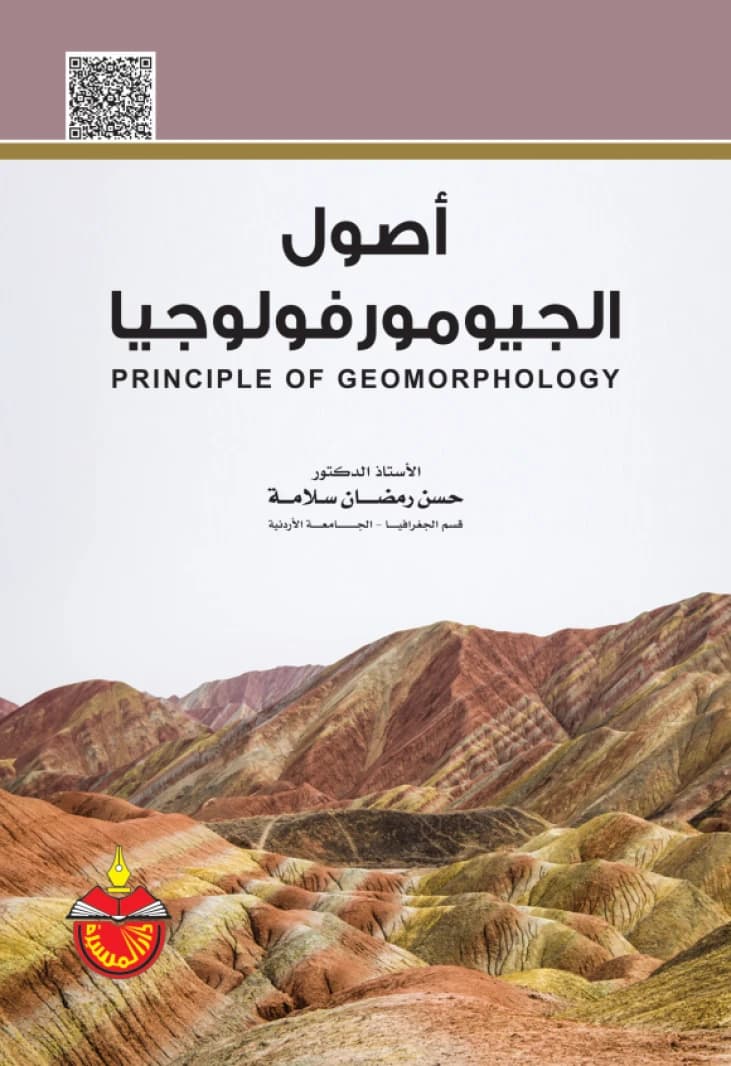
Principles of Geomorphology - Hassan Ramadan Salama (2017)
JOD

Get it by 5 Aug | Order in 3 Hours 22 Minutes
- Return Policy
- Warranty Policy
- Shipping Policy
- Non contact delivery
- Personal Receipt
- Return Policy
- Warranty Policy
- Shipping Policy
- Non contact delivery
- Personal Receipt
This book addresses the practical foundations of geomorphology in a way that serves students, researchers, and enthusiasts. It presents and discusses these foundations with an analytical approach, adding to the contributions of others in spreading geomorphological knowledge and applying it in various theoretical and practical fields. The book acknowledges the efforts of pioneering and contemporary geomorphologists worldwide in general, and in the Arab world in particular, who have established the foundations of this science in university teaching, research, and application. Among them are professors Dr. Mohamed Metwally, Dr. Mohamed Safi El-Din Abu El-Ezz, Dr. Youssef Abul-Hajjaj, Dr. Nabil Imbabi, Dr. Adel Abdel Salam, Dr. Hassan Abu Al-Ainain, Dr. Jouda Hassanein Jouda, and Dr. Salah El-Din Bahiri. This interest and follow-up continue at the hands of several Arab geomorphologists through their scientific additions, such as professors Abdullah Al-Ghunaim, Dr. Fathi Ahmed Al-Haram, Dr. Yahya Farhan, Dr. Yahya Abu Al-Khair, Dr. Samih Odeh, Dr. Muhammad Abu Safat, Dr. Ali Ananzeh, Dr. Ahmed Mustafa, and others.
This book presents the scientific foundations of geomorphology in sixteen chapters supported by illustrative figures and maps, covering the nature of this science, its development, study tools, and most important findings. It also discusses the role of the lithosphere in the origin and evolution of landforms and the responsible geomorphological processes and factors, including weathering, erosion, transportation, deposition, and landslides, in addition to the geomorphology of river basins, valleys, and rivers. The book also touches on the action of wind and glaciation, coastal and structural landforms, and highlights the geomorphological importance of time, slopes, and wind, leading to an explanation of the most important applied fields in geomorphology and the role of human activity in the balance of geomorphological systems.
In its endeavor to benefit from and add to the contributions of others, this effort remains in continuous need of these ongoing contributions due to the multiplicity and diversity of topics and fields of study in geomorphology, its richness in a large number of detailed and local studies, and the dynamic development and renewal of its methodology and study methods. The author hopes that this book, with the topics and analyses it presents, will constitute a scientific geomorphological addition and provide educational and research material that serves the Arab student.
- Number of Pages: 512
- Year of Publication: 2017
- Binding Type: Hardcover
- Edition Number: 5
- Printing Color: Black
- Dimensions (cm): 17x24
- Weight (kg): 0.900
- Barcode: 9789957062262







