
Download Our App
Shop your way




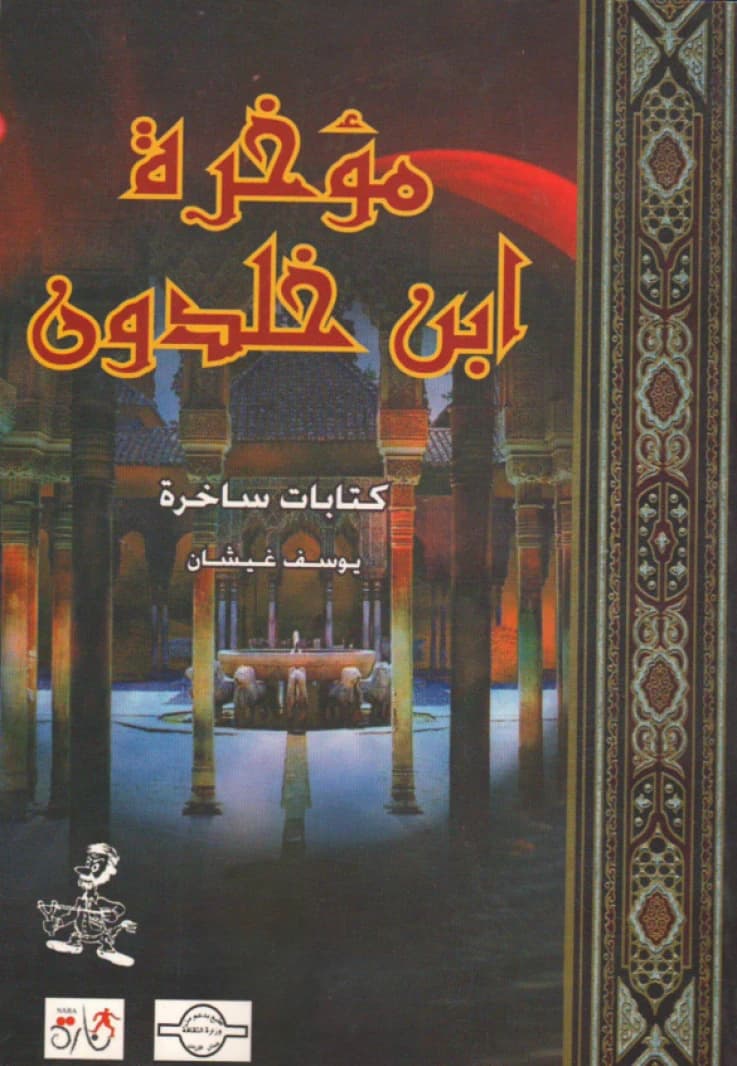
Ibn Khaldun's Epilogue - Yousef Ghishan
JOD

Get it by 5 Aug | Order in 5 Hours 7 Minutes
- Return Policy
- Warranty Policy
- Shipping Policy
- Non contact delivery
- Personal Receipt
- Return Policy
- Warranty Policy
- Shipping Policy
- Non contact delivery
- Personal Receipt
The observation that vexed Ibn Khaldun was that these Bedouins advanced the world civilly, yet they remained in their primitive state. They began to fight civilization while simultaneously creating it. In fact, they managed to eliminate previous civilizational achievements, such as the wheel, which was used by the Athenians in the Trojan Wars centuries before Christ, and also by the Pharaohs, Hyksos, and Romans. However, the Bedouins who founded an empire did not use the wheel in either war or peace, relying on camels and horses for their armies' movements. They did not build paved roads or cities other than pleasure cities for caliphs and princes, nor did they establish public facilities. The relationship of these leaders with the cities of their great empire remained that of an occupying tax collector with a citizen who had to pay money submissively to increase the number of the leaders' concubines and young male servants.
Ibn Khaldun's observation in his epilogue remains valid to this day. As of the writing of this statement, we are still a fourth category of Bedouins and can be considered a historical museum of Bedouinism (perhaps this is why we have not been eliminated yet). The first, second, and third Bedouin archetypes still reside within us, and we remain pure Arabs despite wearing jeans, sitting in front of the television, and using mobile phones. We are still consumerist Bedouins, in whom the traits of Bedouinism have become entrenched, except for courage, dignity, and pride, which we have lost over the centuries.
- Author: Yousef Ghishan
- Publisher: Nara House
- Year of Publication: 2006
- Edition: 1
- Number of Pages: 120
- Dimensions (cm): 14.5 × 21
- Weight (g): 160
- ISBN: 978-9957-625-88-7







