
Download Our App
Shop your way




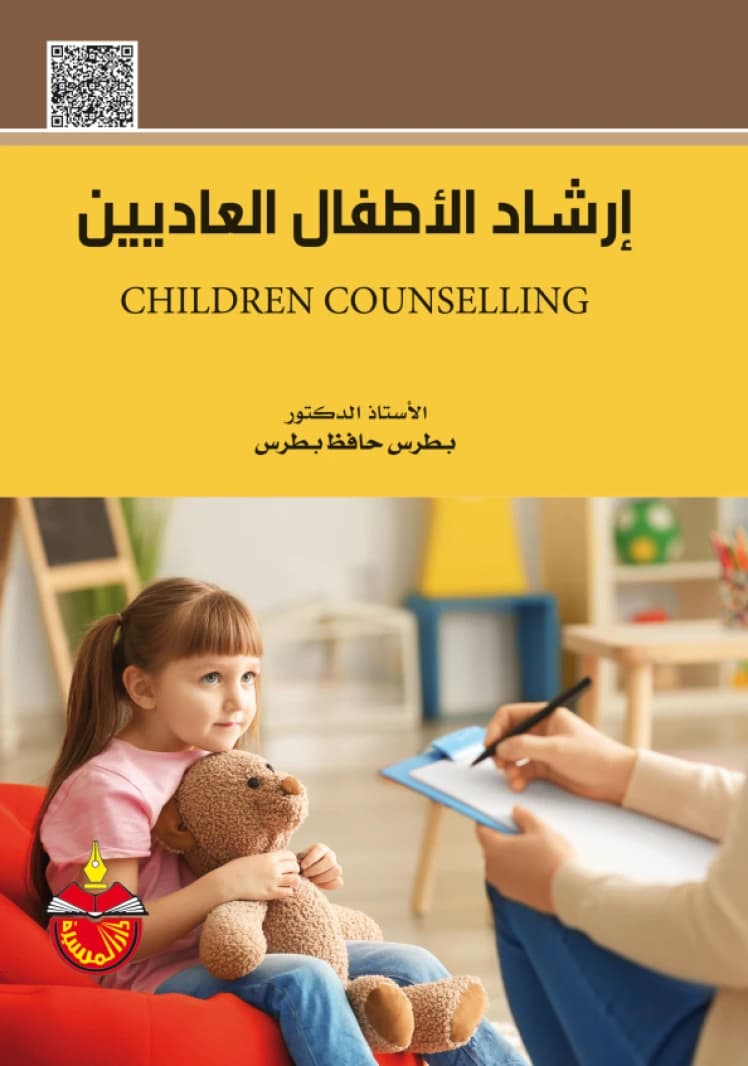
Guiding Ordinary Children - Boutros Hafez Boutros - 2025
JOD

Get it by 5 Aug | Order in 3 Hours 17 Minutes
- Return Policy
- Warranty Policy
- Shipping Policy
- Non contact delivery
- Personal Receipt
- Return Policy
- Warranty Policy
- Shipping Policy
- Non contact delivery
- Personal Receipt
Children are the wealth of every nation and the pillar of its future. As such, their care and attention—from their conception until birth and then their upbringing—have become the primary duties of their parents first, and of the associations, nurseries, kindergartens, and schools concerned with their healthy, cultural, social, and educational development second.
While we adults have our own world and believe we understand it, we also think we understand our children and their problems. But we often forget that children have their own special world, with its own challenges, joys, and sorrows. We tend to think of childhood as a time of pure happiness and play, often wishing we could return to it.
However, the reality is different. Childhood is not all serenity and sunshine; it is a period where a child encounters new situations that require action, often accompanied by feelings of anxiety and confusion, much like adults face their own problems.
A child may succeed in overcoming the difficulties they face, and this success can increase their ability to handle more challenging situations in the future. However, some problems and crises can exceed a child's normal capacity, shaking their sense of security, threatening their psychological well-being, and leading to profound changes in their life, as well as the lives of their family and community.
This change often manifests in rejected behaviors such as truancy, disobedience, smoking, theft, immoral acts, and even more serious offenses like violence, carrying weapons, vandalism, and breaking laws. All these behaviors are forms of violence that children either experience or perpetrate.
Therefore, these ordinary children require guidance, counseling, and specialized support services.
Every stage of development, especially early childhood, is filled with conflicts and frustrations, which can be colored by depression, anxiety, and fear of the unknown. This necessitates preparing the child to adapt to new experiences through psychological, educational, and family counseling services, which is the focus of this book.
To achieve this, the book is divided into two units. The first unit covers the principles of guidance and counseling, including an introduction to psychological counseling, its theories, and fundamental techniques and skills. The second unit addresses guidance for ordinary children from birth to age six, detailing their developmental needs, the psychological and behavioral disorders they may face, and the counseling services available to modify their behavior.
Our need for psychological counseling for ordinary children is urgent; it serves as a guiding light in the darkness, providing clarity, calming troubled minds, and restoring hope.
- Number of Pages: 408
- Year of Publication: 2025
- Binding Type: Hardcover
- Edition Number: 9
- Printing Color: Black
- Dimensions (cm): 17x24
- Weight (kg): 0.850
- Barcode: 9789957063771







