
Download Our App
Shop your way




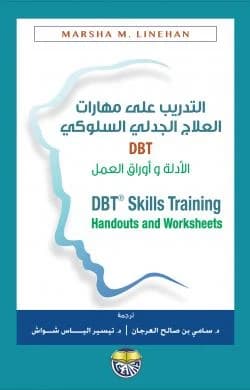
DBT Skills Training: Handouts and Worksheets by Marsha M. Lanehan
JOD

Get it by 5 Aug | Order in 3 Hours 16 Minutes
- Return Policy
- Warranty Policy
- Shipping Policy
- Non contact delivery
- Personal Receipt
- Return Policy
- Warranty Policy
- Shipping Policy
- Non contact delivery
- Personal Receipt
The first edition of the DBT Skills Training Manual was published in 1993. Since then, there has been a significant surge in research on the effectiveness of this therapy for various psychological disorders. The initial study on Dialectical Behavior Therapy focused on treating adults with a high degree of suicidality.
Now, numerous studies have shown the effectiveness of DBT skills training for suicidal adolescents, as well as for adults suffering from Borderline Personality Disorder, eating disorders, treatment-resistant depression, drug addiction, and many other psychological disorders.
A psychological diagnosis is not necessary to benefit from DBT skills. Friends and family members will find great value in these skills, as will students from elementary to high school. Even the business world can find DBT skills helpful in developing better work environments.
Many DBT specialists routinely and frequently practice its skills in their daily lives for their own benefit. Even the author is indebted to these skills for helping make life easier and better. Someone once asked, "Isn't it a mother's job to teach her children these skills?" The answer has always been yes, but not everyone has a mother capable of teaching them.
This book contains a collection of information on the handouts and worksheets necessary for individuals who want to learn DBT skills. The primary goal of DBT is to practice skills that help increase mental resilience and build a life of personal value. DBT skills aim to teach how to combine the possibility of change with acceptance. The main goal of the skills is to learn how to change unwanted thoughts, feelings, and behaviors, deal with events that cause unhappiness and stress, and try to live in the present moment and accept what is happening.
There are different ways DBT skills are practiced through a comprehensive training program that includes all handouts and worksheets. Your trainer or personal therapist should help you choose the appropriate methods and worksheets within a specific program.
- Author: Marsha M. Lanehan
- Translation: Dr. Sami Saleh Al-Arjan, Dr. Tayseer Elias Shawash
- Number of Pages: 526
- Year of Publication: 2020
- Binding: Paperback
- Edition: First
- Print Color: Black
- Dimensions (cm): 17 x 24
- Weight (kg): 0.872
- Barcode: 9789957922184







