
Download Our App
Shop your way




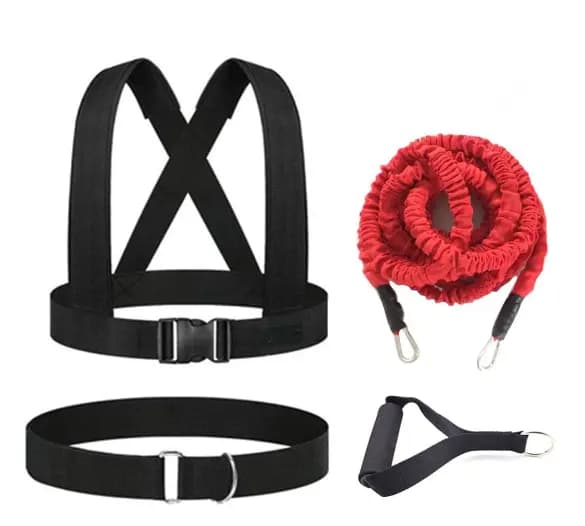
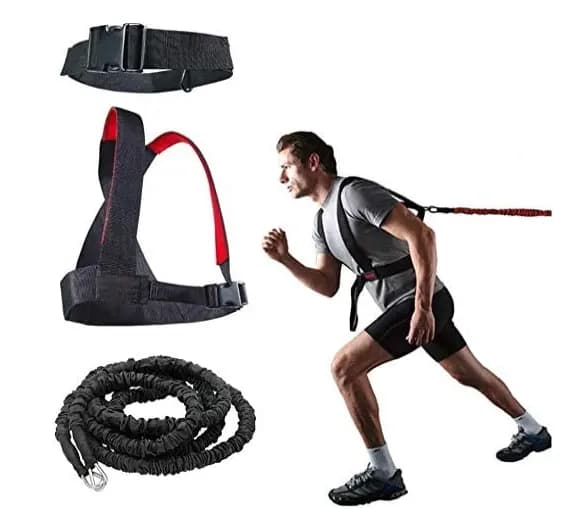
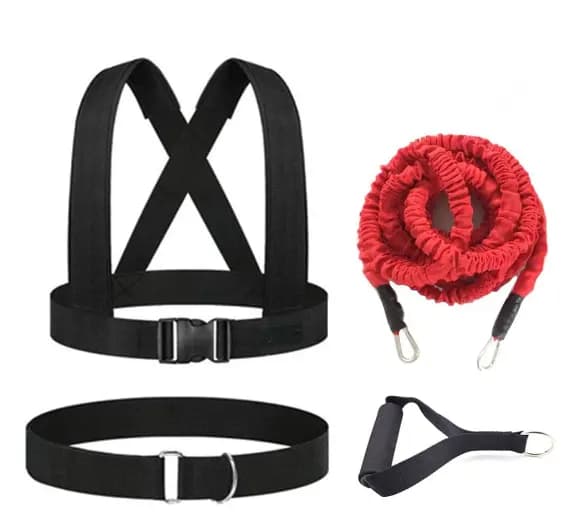
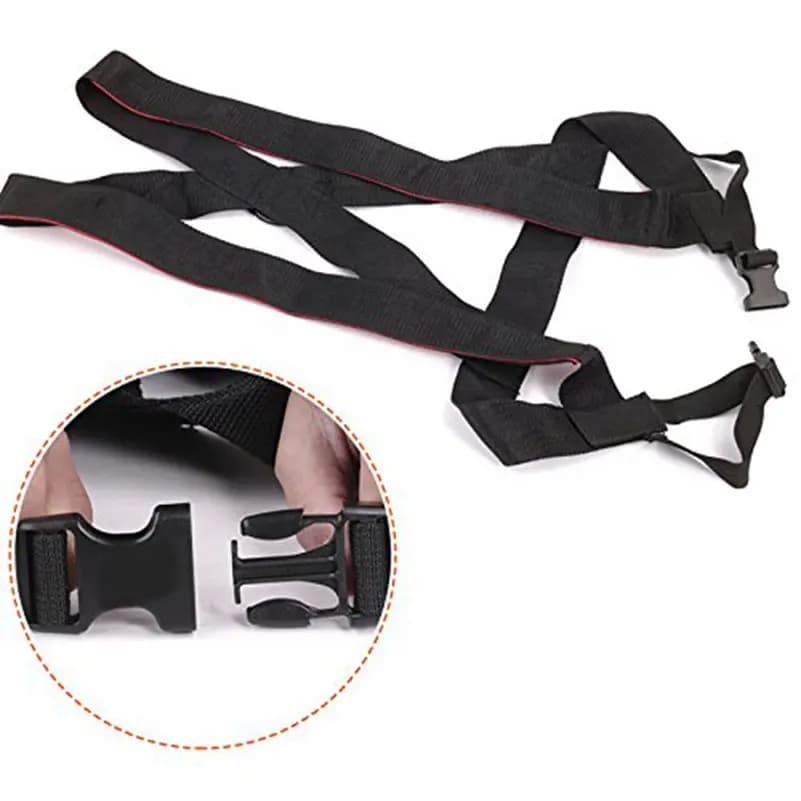
Back Ultra Resistance Rope
JOD

Get it by 5 Aug | Order in 2 Hours 22 Minutes
- Return Policy
- Warranty Policy
- Shipping Policy
- Non contact delivery
- Personal Receipt
- Return Policy
- Warranty Policy
- Shipping Policy
- Non contact delivery
- Personal Receipt
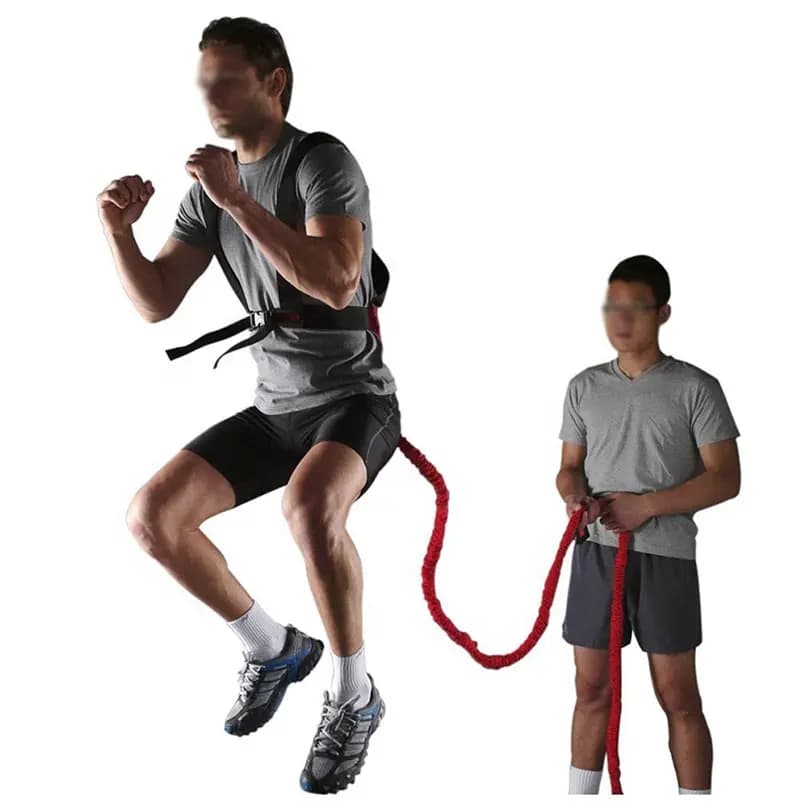
The original Back Ultra resistance band set offers a complete and adaptable workout experience, designed to boost fitness levels and enhance strength. It enhances muscle power, trims and tones the body, and is ideal for sports that improve muscle endurance. This set enables users to target various body parts with different exercises.
High endurance: Constructed with premium materials, offering durability and strength for demanding workouts. Convenient storage: Accompanied by an easy-to-carry storage bag. Exercise variety: Facilitates strength, flexibility, and endurance workouts, effectively helping to reach fitness objectives. Experience a dynamic workout with this 5-piece resistance band set, improving fitness in a versatile and enjoyable manner.
Advantages of resistance training include enhancing muscle strength and tension, which helps safeguard joints from injuries. It preserves body agility and equilibrium, promoting health as one ages. Weight control and boosting the muscle-to-fat ratio increase calorie burning since muscles burn more calories than fat. It may also help reduce or avert cognitive decline in the elderly. It enhances endurance, as stronger muscles decrease fatigue during activities. It aids in managing or preventing chronic conditions such as diabetes, heart ailments, arthritis, back pain, obesity, and depression. The training improves movement and stability, enhances body posture, and reduces injury risks. It strengthens bones and lowers osteoporosis chances. Enhances well-being, boosts self-assurance, and enhances mood. Improves sleep quality and prevents insomnia, increases self-esteem, and enhances efficiency in daily tasks.
Resistance exercises result in micro-damage or tears in muscle cells, repaired quickly by the body to enhance recovery and muscle strength. Muscle fibers undergo catabolism during workouts, followed by anabolism post-exercise, allowing compounds like testosterone, insulin-like growth factor, growth hormone, proteins, and nutrients to strengthen muscles.
Resistance training principles include a variety of exercise types such as aerobic, flexibility, strength, and balance workouts. Different weights like hand weights, rubber bands, and body weight provide resistance. Specific exercises target specific muscles, with repetition referring to exercise iteration. Sets entail consecutive repetitions without pause. Rest is needed between sets, with rest duration depending on exercise intensity. Diversity requires routine changes to challenge and adapt the muscles. Load must be gradually increased to ensure fitness benefits. Muscle groups require recovery time, necessitating a 48-hour rest before retraining the same muscles.
Types of resistance exercises include bodyweight workouts such as push-ups and squats, which can be done without special equipment. Free weights allow for diverse muscle training and require skill and coordination. Training devices offer easy weight control for safety, but they can be expensive and might cause joint injuries. Resistance bands are cost-effective, versatile, and portable, though they may wear over time. Other tools include training balls, sandbags, and bodyweight suspension devices.
Before starting resistance workouts, perform a pre-exercise screening, especially if health concerns exist. Consult a specialized trainer to develop an appropriate beginner program. Benefits include a workout of 8-10 exercises, done 2-3 times weekly, increasing in sets and intensity over time.
Post-heart attack or stroke, exercise aids recovery, improving circulation and arm strength, but consult a doctor before exercising. Misconceptions about resistance training include it causing bulkiness, weight gain, or requiring gym access; however, it can be tailored to individual needs.







