
Download Our App
Shop your way




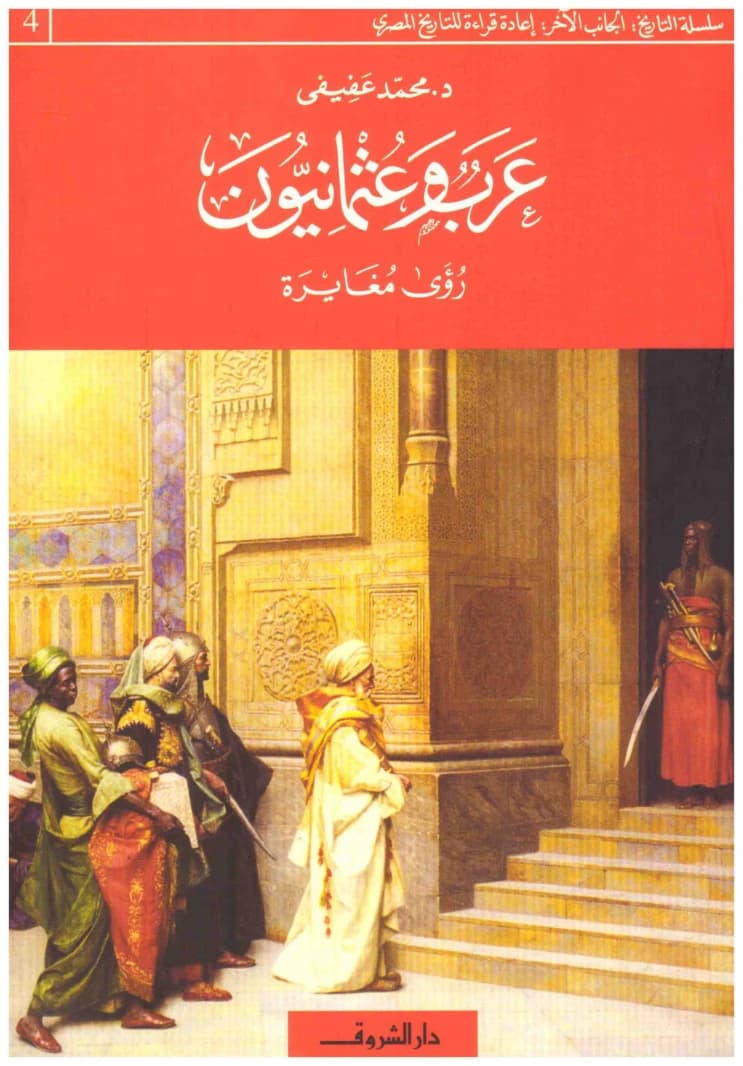
Arabs and Ottomans
JOD

Get it by 5 Aug | Order in 3 Hours 42 Minutes
- Return Policy
- Warranty Policy
- Shipping Policy
- Non contact delivery
- Personal Receipt
- Return Policy
- Warranty Policy
- Shipping Policy
- Non contact delivery
- Personal Receipt
Arabs and Ottomans: Was it an invasion or an Ottoman conquest? This question seems purely scientific but is actually laden with ideological complexities and theoretical debates in our Arab and Islamic history. Answering this question requires explaining the meanings of conquest and invasion, which leads us from the realm of history to the field of jurisprudence and into the nuances between them, even between peaceful and forceful conquests. Regarding the Mamluk period, the dominant narrative is that it was the pinnacle of Islamic Egypt, and when Egypt became a base for a sprawling state. However, an alternate scenario suggests that the Mamluk Sultans’ state faced severe economic crises in its later stages, most notably the collapse of the monetary system and the near disappearance of gold and silver in its final years, leading to foreign currencies dominating the local market. Epidemics and famines cannot be ignored for their social and demographic impacts. Additionally, international changes like the rise of Portuguese power and the discovery of the Cape of Good Hope significantly affected Mamluk customs revenues from transit trade, resulting in abusive taxation policies and the use of monopolization domestically and abroad, confiscating funds from high officials and seizing endowment assets. Inevitably, these factors weakened the Mamluk Sultans' state against the young and powerful Ottoman dynasty. Thus, the traditional narrative and prevailing discourse about the Arab world during the Ottoman era are embedded with ideology and preconceived notions, suggesting a need to reshape the perception anew. Arabs and Ottomans
- Author Name: Mohamed Afifi
- Publisher: Al-Shorouk - Cairo
- Edition Number: 1
- Year of Printing: 2005
- Number of Pages: 100
- Number of Parts: 1
- Binding Type: Paperback
- Paper Type: White
- Printing Colors: Single color
- ISBN: 9770912336







