
Download Our App
Shop your way




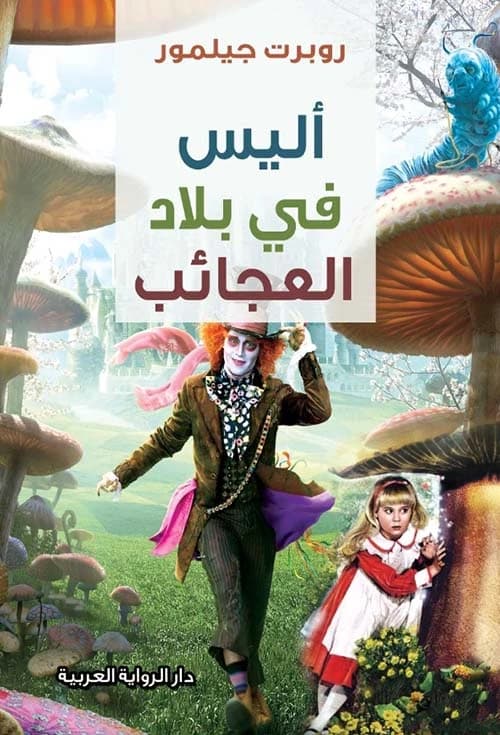
Alice in Wonderland by Robert Gilmore
JOD

Get it by 5 Aug | Order in 5 Hours 18 Minutes
- Return Policy
- Warranty Policy
- Shipping Policy
- Non contact delivery
- Personal Receipt
- Return Policy
- Warranty Policy
- Shipping Policy
- Non contact delivery
- Personal Receipt
Lewis Carroll admired the innocent and unbiased way young children view the world around them. In 'Alice in Wonderland,' he aimed to showcase their perspective on the adult world, which includes societal norms and laws that adults follow, alongside the narcissism and bad habits they adopt in their daily behaviors. He wanted to illustrate the struggle of children to navigate the chaotic adult world. Alice had to relinquish the openness typical of young children to comprehend this world. Adults rely on rules without questioning their significance, leading to blind obedience, which results in inexplicable and sometimes arbitrary behaviors. Alice witnessed this in Wonderland, where she encountered a lifestyle and thought process vastly different from her own environment. She met a Duchess looking for logic in everything and unjust trials against innocent people. Alice learned from her journey to somewhat understand the adult world. She was experiencing maturity, which was evident from her frequent physical changes in the story. She kept growing and shrinking, adding more knowledge every time. She understood that Wonderland’s inhabitants were always angry, and she needed to adapt to their strange rules and changing moods. Eventually, she skillfully managed the situation, boldly calling the Queen of Hearts’ orders nonsense and stopping the executions. Although she faced identity doubts when growing and shrinking, as shown when the Caterpillar asked, 'Who are you?' and she struggled to answer due to the morning's repeated physical changes. Ultimately, she realized that the creatures she met, some of whom faced identity issues like the child turning into a pig, were just playing cards. She immediately woke up from her dream to find herself in her real world.







