What is Glutathione?

- ✅ General Benefits of Glutathione :
- ⚠️ Side Effects and Potential Risks:
- 🍽️ Natural Food Sources of Glutathione:
- 💉 Glutathione Injections (IV Use):
- 💊 Glutathione Pills (Oral Supplements):
- ⚠️ Warnings and Precautions:
- 💡 Additional Information:
- 🔚 Conclusion:
✅ General Benefits of Glutathione :
1. Detoxification: Glutathione helps the liver eliminate toxins, chemicals, and heavy metals from the body. 2. Immune System Support: It strengthens immune responses and is often used to support individuals with chronic illnesses. 3. Powerful Antioxidant: It neutralizes free radicals that cause aging, inflammation, heart disease, and cancer. 4. Cognitive Health: Protects brain cells from oxidative damage, and has shown benefits in conditions like Alzheimer's and Parkinson's. 5. Skin Health and Brightening: One of its most famous cosmetic uses. Glutathione gradually lightens the skin, reduces pigmentation, and promotes a more even tone. It works by converting dark melanin to lighter melanin and reducing melanin production overall. 6. Lung and Kidney Support: Used in some protocols to manage pulmonary fibrosis and to protect the kidneys from medication-induced damage.
⚠️ Side Effects and Potential Risks:
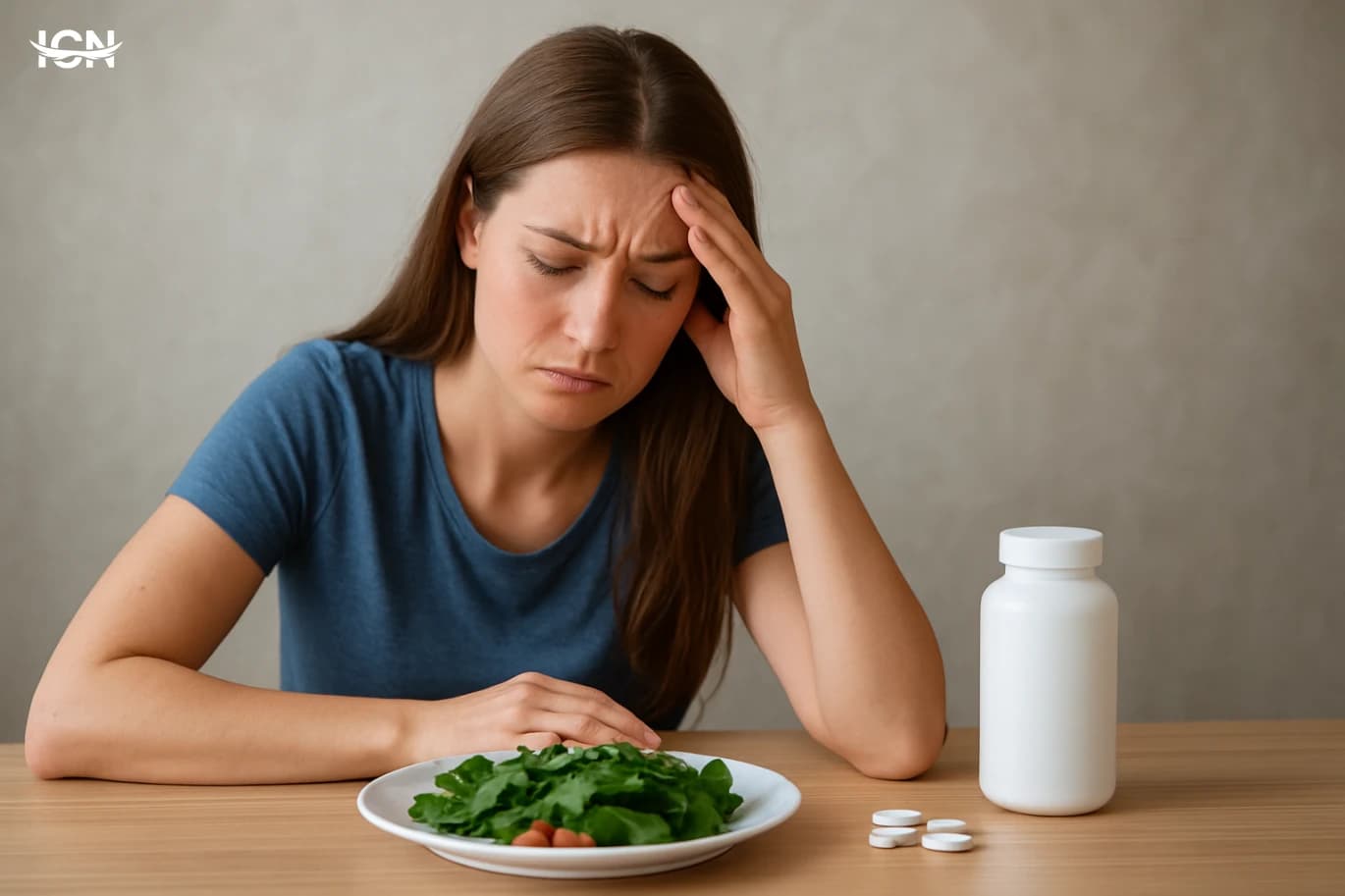
While generally safe when used within the recommended dosage, some people may experience: • Digestive issues: nausea, bloating, or diarrhea. • Allergic reactions: such as mild skin rashes or itching. • Breathing difficulties: rarely reported with IV use—requires immediate medical attention. • Reduced zinc levels: long-term use may interfere with zinc absorption.
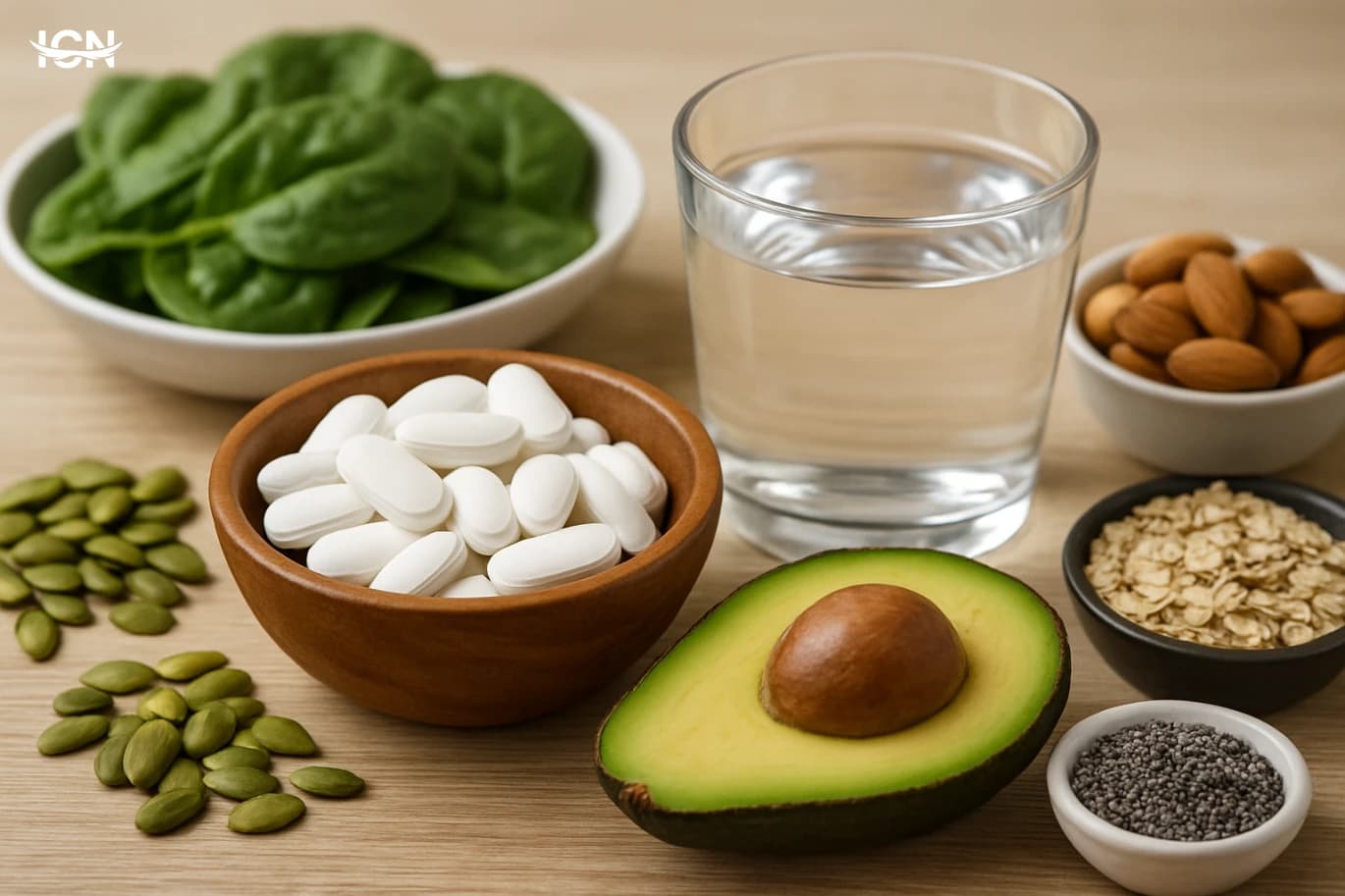
🍽️ Natural Food Sources of Glutathione:
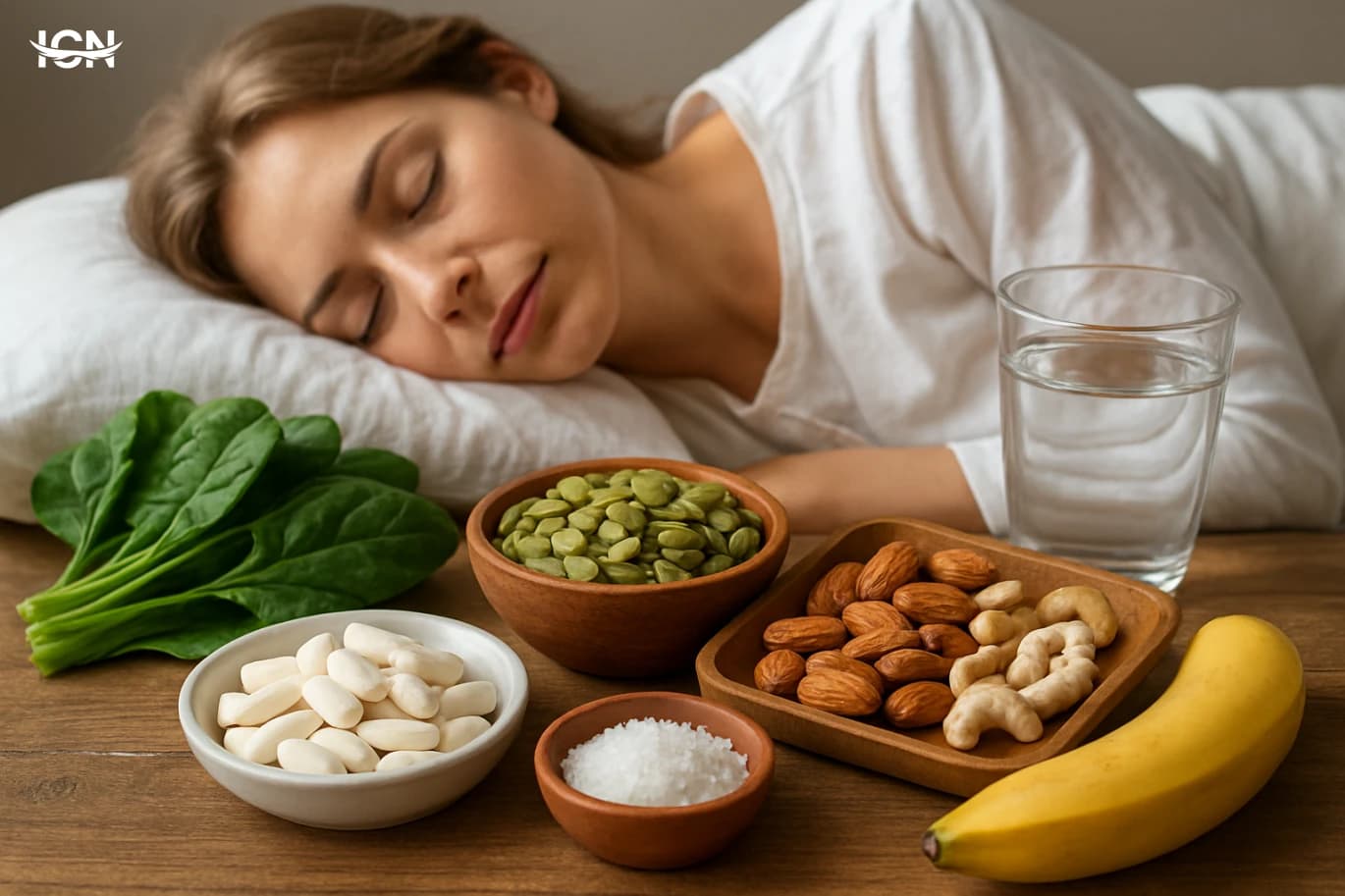
Glutathione exists naturally in several foods and can also be supported through nutrients that boost its production: • Garlic • Avocados • Broccoli, cauliflower, and cabbage • Spinach • Turmeric (thanks to curcumin) • Walnuts and other nuts • Citrus fruits like lemons and oranges (rich in vitamin C) Also, eating a protein-rich diet supports the body’s ability to synthesize glutathione naturally.
💉 Glutathione Injections (IV Use):
• Administered intravenously, often in cosmetic or medical clinics. • Offers faster and more concentrated results. • Commonly used for: o Skin brightening and pigmentation issues. o Immune system enhancement. o Antioxidant support in chronic illnesses. • Usually taken once or twice a week. • Results typically begin to appear after 3 to 6 sessions, though it varies from person to person.
💊 Glutathione Pills (Oral Supplements):
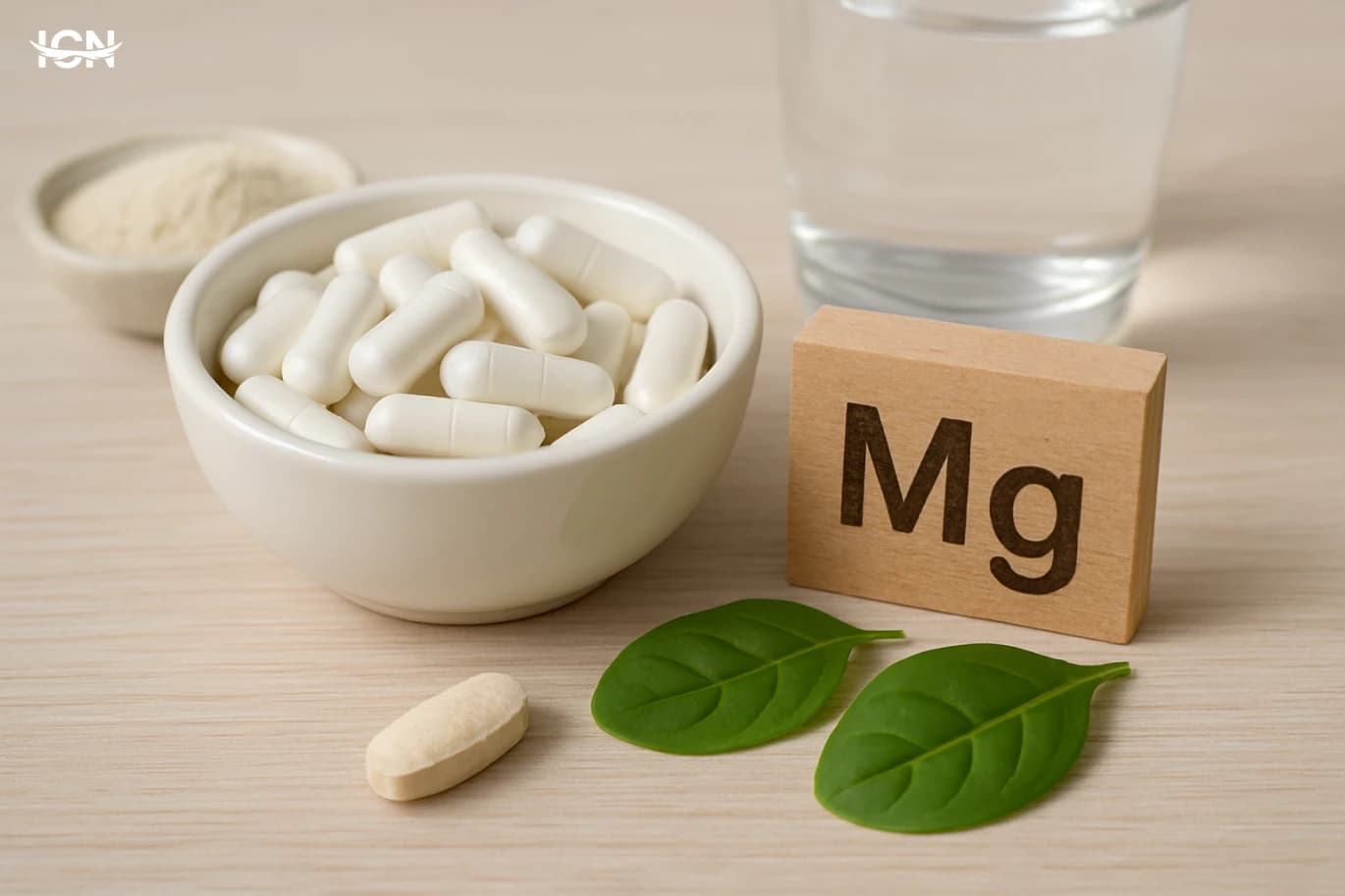
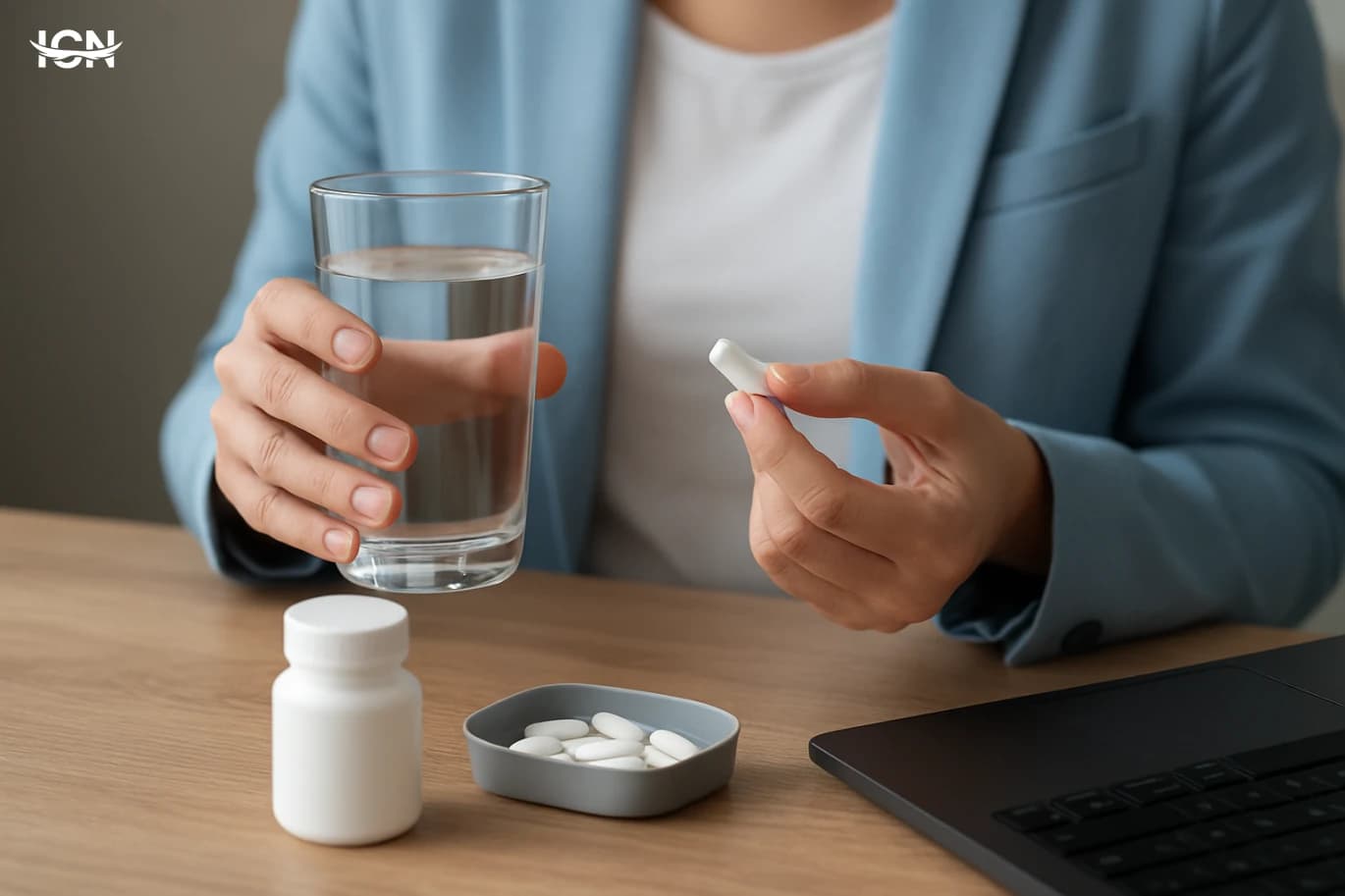
• Typical dosage: 500 to 1000 mg per day (sometimes more, based on professional guidance). • Best time to take: On an empty stomach or before bedtime for better absorption. • Always recommended to be taken with: o Vitamin C, which helps recycle and reactivate glutathione. o Zinc or selenium, to improve absorption and effectiveness. Available forms include: • Capsules or tablets • Powders to mix with juice or water • Liposomal glutathione (a more absorbable form)
⚠️ Warnings and Precautions:
• Should not be used during pregnancy or breastfeeding without doctor approval. • Do not exceed recommended daily doses, especially with IV use. • Glutathione is not a substitute for medical treatment in chronic conditions. • Consider testing liver and kidney function if used long-term. • Consult a healthcare provider if you are on cancer medications, diabetes treatment, or immunosuppressants.
💡 Additional Information:
• Low glutathione levels have been linked to conditions like: cancer, diabetes, HIV, Alzheimer’s, autism, and liver disease. • Glutathione is also used in heavy metal detoxification, especially for mercury and lead. • Glutathione production declines with age, making supplementation particularly useful for older adults.
🔚 Conclusion:
Glutathione is much more than a skin-whitening supplement — it is a vital antioxidant for cellular health, detox, and longevity. Used correctly and under professional supervision, it can greatly support both internal health and external beauty, becoming a valuable part of a healthy and balanced lifestyle.