App Logo

Download Our App

Shop your way

logologo
Image

What is a man's weakness in bed and how does it affect your marital relationship?

01/20/2026By: ICN
What is a man's weakness in bed and how does it affect your marital relationship?

The importance of understanding a man's weakness and its impact on married life

When you understand what specifically excites your husband and what his points of arousal are, the sexual relationship becomes more exciting and enjoyable for both of you together, and this is the essence of pleasing the husband. Understanding a man's sexual weaknesses directly helps in reducing marital problems resulting from emotional or sexual dissatisfaction, and supports understanding between husband and wife. This sensitive knowledge also contributes to enhancing love and reducing the risk of infidelity by satisfying the husband's desires correctly and continuously. It is your first step towards leveraging these points for the benefit of your relationship. Effective marital understanding and compatibility begin in the bedroom and reflect on all aspects of shared life, ultimately leading to a happy and stable married life.

Discovering Men's Weaknesses: The Key to Marital Understanding

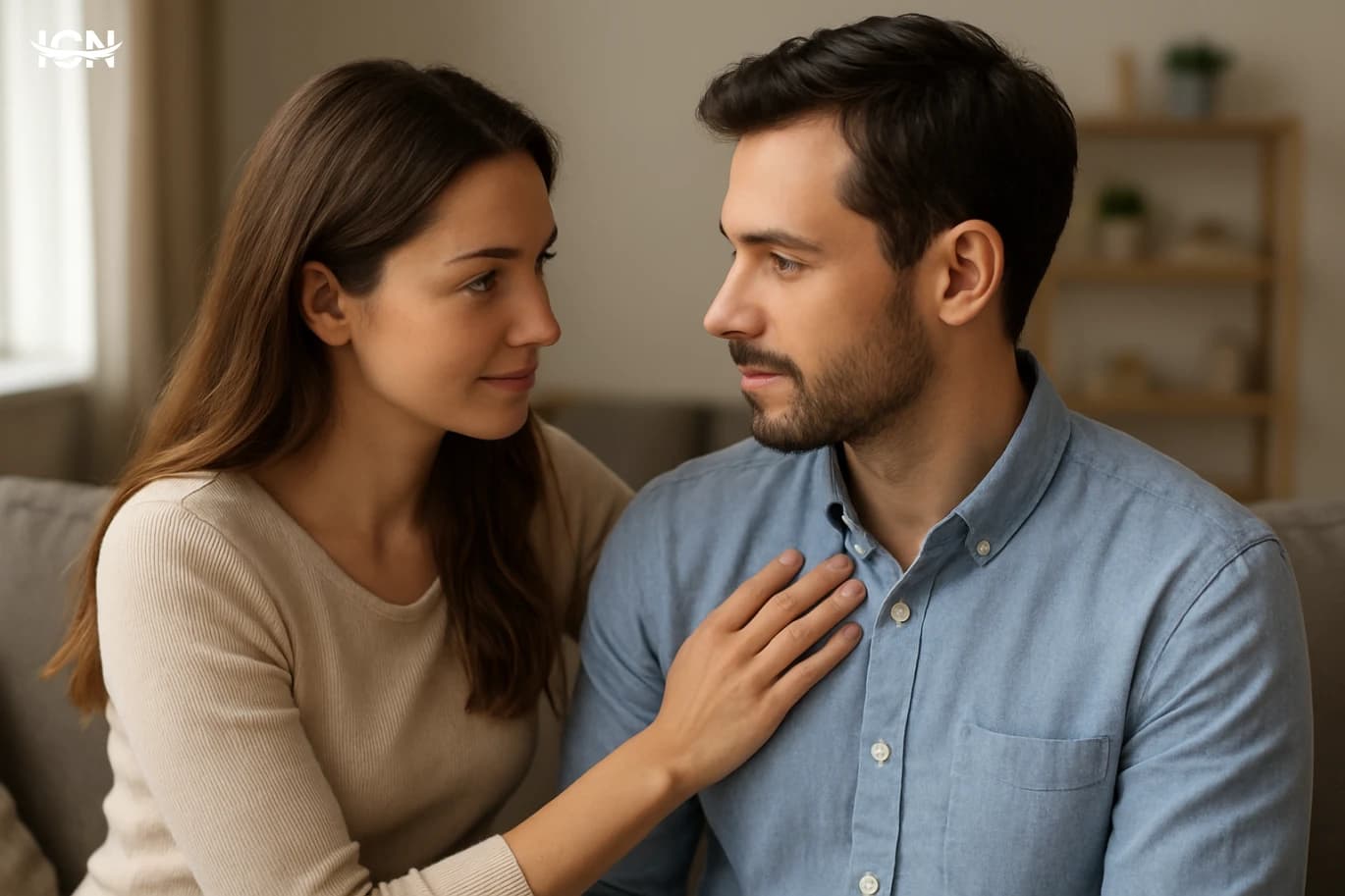
Men tend to express their excitement and desire through clear behavioral signals, not just words. Reading body language: frequent movements and facial expressions. The ability to identify a man's weaknesses in bed depends on a keen observation of details during intimate relationships. Observe the repetitive movements your husband makes. If your husband repeats a specific gesture, like bringing your head closer to his neck or shoulder, it's an indication that this area is a point of excitement for him. Focusing on the husband's facial expressions is essential for identifying arousal points. When you notice a change in his facial features when performing a certain action or touching a specific area, these changes are behavioral signals indicating his arousal. Understanding these signals enables you to identify his excitement and focus on movements that maximize men's pleasure in bed and contribute to pleasing the husband. Physical and emotional arousal points of men. Relationship experts have confirmed that a man's physical weaknesses are distributed in highly sensitive areas, and touching them in a feminine, careful manner is crucial to increasing desire. These areas include places like lips, hair, chest, genitals, and behind the neck and ears. Touching these areas professionally and gently considerably raises his level of excitement and pleasure. But arousal isn't just physical; men are attracted to what makes them feel excited and interactive in the relationship. The husband's desire increases when he finds his wife sharing her desire and interaction, especially through kissing, touching, and feminine charm. This type of interaction is the key to intimacy secrets. Understanding the husband's specific moods and changing your role. Men love variety in the marital relationship, and this variety is linked to understanding the husband's specific moods. Sometimes, a man may like to be dominant and wants the wife to be quiet or shy. At other times, he desires to see his partner bold and in control of the relationship, known as the wife's boldness. The key to success is understanding the husband's specific mood each time and changing your role based on his current desire, achieving the highest levels of spousal understanding and compatibility. Relationship experts confirm that the wife who masters the art of seduction and understands her husband's mood is most capable of achieving mutual sexual satisfaction, enhancing successful relationship secrets, and reducing marital problems. Wife’s tips to increase the husband's desire and ignite pleasures. To get the most out of your knowledge of man's weaknesses, married women should follow practical tips to increase attracting the husband: personal hygiene and allure: paying attention to personal hygiene and using arousing perfumes instantly raises the level of excitement. Renewal and appearance: there should be a renewal in treatment methods, displaying femininity and paying attention to outward appearance, and choosing sexy clothing and lingerie that arouses him. Romantic atmosphere: don't forget the role of external factors, like creating a romantic atmosphere using candles and maybe red roses. Suitable timing: choosing the right timing for intimacy, avoiding initiating when the husband is tense or mentally exhausted. These combined methods are most important for increasing the husband's desire and igniting his sexual pleasure, ensuring a successful marital life.

The physical vulnerabilities of a man: A map of arousal and pleasure

Sensory and Psychological Strategies to Increase the Husband's Desire

After discovering the physical weaknesses of a man, you should realize that a man's true weakness in bed is often psychological before it is physical. A man deeply needs to feel desired, appreciated, and aroused by his wife. This feeling of acceptance is the foundation of mutual understanding and marital harmony in intimate relationships. Understanding these emotions helps you identify the partner's weaknesses and utilize them to enhance the husband's desire. Visual appeal and creating a romantic atmosphere Do not ignore the power of visual and olfactory senses in attracting the husband. Your attention to personal hygiene and appearance is key to increasing the husband's desire. Wearing provocative clothing and suitable lingerie, and using alluring fragrances, are direct methods to arouse the man and make him feel an immediate attraction. You can create a romantic atmosphere by using candles and red roses, as these factors help set the husband's mood for a more enjoyable connection. Verbal communication during intimacy Always remember that boldness from the wife is one of the most important things men love in bed. The man does not like to bear the responsibility of the relationship alone; he wants to see his partner proactive and enjoying. Verbal expression during intimacy is a man's particular weakness. The woman's soft, feminine voice, paired with specific words, can ignite the husband's desire and energy immediately. Speak honestly about your pleasure and express your admiration for his performance. This enhances his self-confidence, encourages him for more, and ensures satisfying the husband and achieving a successful marriage. How to exploit a man's weaknesses by observing physical cues To enhance the husband's pleasure in bed, you should be skilled in reading facial expressions and physical cues. The ability to discover a man's weaknesses relies on observing repetitive movements and changes in his facial features when performing certain actions. When these changes appear, they are a direct sign of the man's stimulation. You should focus on his movements and those recurring behavioral cues that indicate he has reached the peak of pleasure, and understanding them is essential in strengthening the sexual relationship. Men prefer feeling excitement through kissing, touching, and pampering, so interact with his desires and show him how much you are enjoying the moment, as this elevates the level of affection and harmony in a successful married life.

Practical tips for the wife to exploit man's weaknesses in bed

Strategies to Attract Your Husband: What Men Love in Bed Remember that a man's weakness is not only physical but also emotional. Men in bed prefer feeling stimulated through kissing, touching, and being pampered. This makes him feel desired and appreciated. To enhance your husband's desire, the wife must participate by showing her own desire and engaging with his wishes. Be bold (boldness of the wife) and express how much you enjoy it, as this bolsters his masculinity and increases a man's vulnerabilities towards you. Focusing on specific moves, like those enhancing his pleasure, and using verbal communication during intercourse increases mutual excitement and fulfills sexual desires. Exploiting weaknesses to boost confidence and a successful marriage When you exploit a man's weaknesses, you are not controlling him, but increasing the level of trust between you. The husband feels that you understand him deeply, which enhances marital understanding and compatibility. Knowing the secrets of intimacy and a man's vulnerabilities helps make the relationship more exciting, reduces marital problems, and supports a successful and sustainable married life. The goal is to build a healthy and reciprocal intimate relationship, where both husband and wife feel fully satisfied. This is the essence of a successful marriage that all married women aspire to. These are the secrets of intimacy that build a successful and sustainable marriage, ensuring you how to attract your husband and make him happy.

The external factors affecting a man's vulnerabilities in intimate relationships

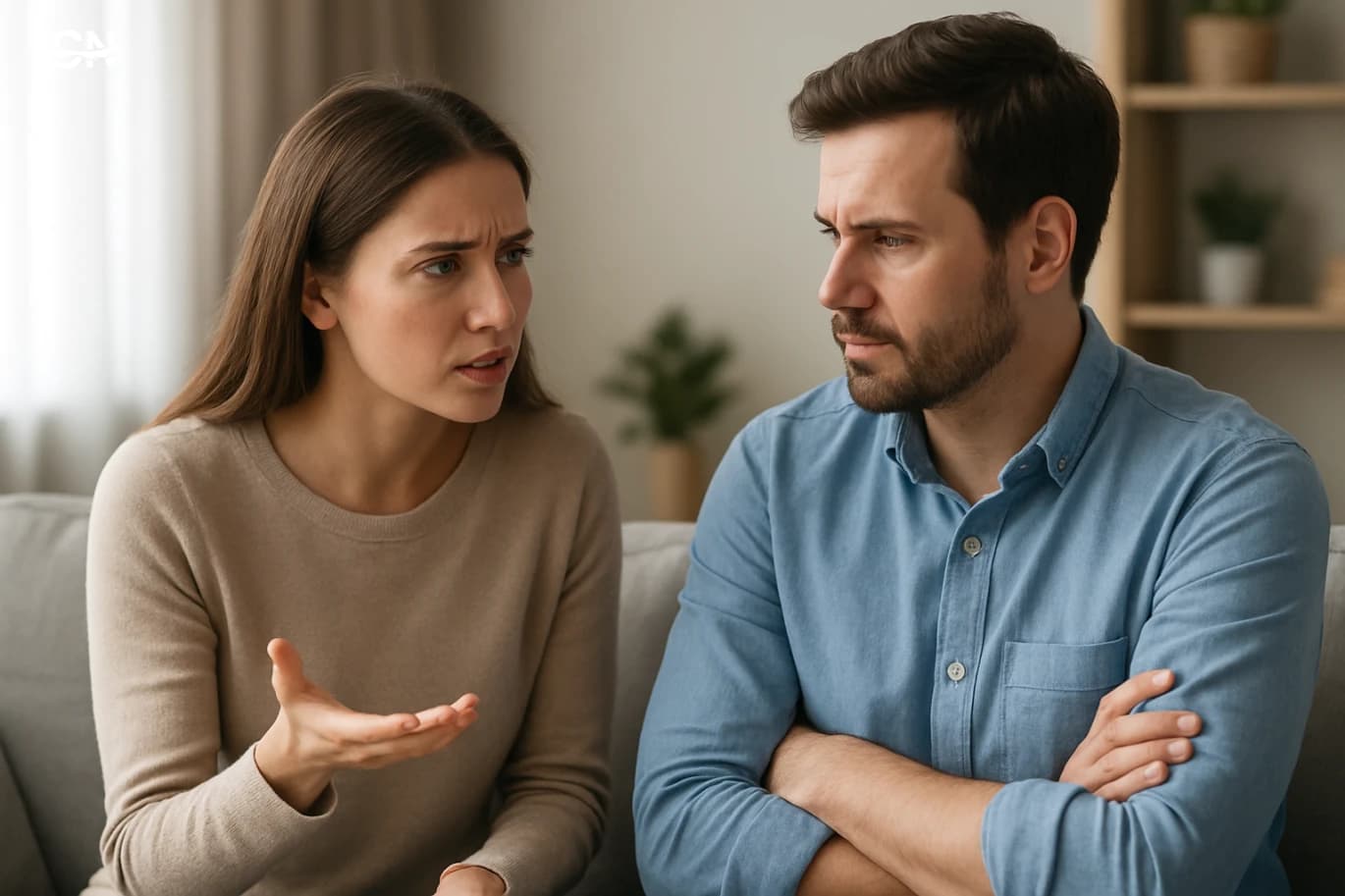
If there are ongoing conflicts or emotional tension, it becomes very difficult to achieve the desired excitement or efficiently exploit a man's physical weaknesses. Therefore, focus on fostering understanding and solving marital issues outside the bedroom first, as any emotional tension will translate into weakness in the relationship. The smart wife's role in managing psychological pressure is not limited to showing femininity or wearing enticing clothes (like lingerie) but includes emotionally supporting and understanding her husband. Interact with the husband's mood during the relationship with understanding and calmness. He might need more affection and pampering to escape any psychological pressure he feels, and here lies your role in creating a romantic atmosphere. Using techniques like slow breathing and quiet talking during affection can help in creating an atmosphere of deep relaxation, enhancing excitement, and effectively exploiting his weaknesses. Remember that the ability to discover a man's weaknesses also depends on noticing repeated movements and changes in his facial expressions when certain actions are performed. You should focus on reading your husband's facial expressions even during stressful times to know what makes him happy and aroused. The goal is to enhance the sexual relationship and achieve maximum satisfaction, ensuring a happy and understanding marital life.

Frequently Asked Questions about Men's Weaknesses in Bed (FAQ)

What are the ways to recognize the points that a man likes in intimacy? Men prefer feeling desired and fully aroused in bed. Traditional methods like emotional kissing, touching, and pampering play a big role. The secret lies in the wife's involvement and showing her desire. Being bold and responsive to the husband's desires fulfills his need for excitement and mutual interaction, significantly enhancing his desire. What are the most exciting physical areas for a man? There are sensitive areas that are key physical weaknesses for most men. Focus on the lips, hair, chest area, especially behind the neck and ears. Light, focused feminine touch in these erogenous zones greatly amplifies his pleasure. Do not neglect the genitals, but always start with surrounding areas to build anticipation and excitement. What are the best tips to increase the husband's desire in the relationship? If you're looking for advice to increase the husband's desire, start with overall attentiveness. Personal hygiene and timing are indispensable, as well as choosing seductive clothing like new lingerie. Do not forget the power of a romantic atmosphere: use candles and alluring perfumes. Innovate in your interactions and demonstrate femininity and attention to appearance; these are keys to attracting the husband and igniting his sexual delight. What is the importance of knowing a man's weak points and their impact on marital life? Knowing a man's weaknesses is not just a means of arousal, but an investment in a successful marital life. When weaknesses are skillfully exploited and desires correctly met, intimate relationships become more exciting and profound. Such mutual understanding greatly reduces marital problems, enhances marital harmony and understanding, supports love, and helps reduce the risk of infidelity by properly satisfying desires. This is the wife's essential role in a successful marriage.

Detailed questions and answers about male weaknesses in bed (FAQ)

When you notice that a certain touch or specific word particularly excites him, these are the man's weak points in bed that you should focus on and repeat. Physically, areas like the lips, chest, genitals, and behind the neck and ear are crucial male erogenous zones. Gently touching these areas in a feminine way increases his excitement and pleasure. How can a wife be bold without seeming vulgar? Boldness means taking initiative, expressing desire, and enjoying the relationship without shame, especially with the husband. These are the secrets of attraction men love. You can start by showing femininity and paying attention to your external appearance. Use seductive clothing or lingerie and a confident body language. Whispering love and exciting words enhances your role in increasing the husband's desire. The most important thing is that the wife's boldness comes from genuine love and a desire to please him. What is the effect of the wife showing her desire on the husband? When a wife clearly shows her desire, the man feels desired and successful, which boosts his confidence and increases his desire to enhance enjoyment for both. This mutual interaction is the basis of a successful intimate relationship. Men prefer the feeling of excitement through kissing, touching, and pampering, understanding that most are attracted to what makes them feel aroused and interactive in the relationship through the wife's participation in showing her desire and responding to his. Is renewing the relationship necessary for a successful marriage? Absolutely. Renewing breaks monotony and prevents boredom, which is necessary to maintain a high level of excitement in the marital relationship. Renewal includes changing locations, trying new positions, and using tools to create romantic atmospheres. You can use exciting perfumes, dim lights, candles, and even red roses to create a new environment. These are the wife’s tips that ensure the fulfillment of sexual desires and strengthen affection and harmony. What is the importance of knowing a man's weak point and its effect on married life? Knowing a man's weak points helps make the relationship more exciting and enjoyable for both parties. This reduces marital problems and supports understanding between spouses. This knowledge helps enhance love and reduce the risk of infidelity by properly fulfilling sexual desires. Exploiting weak points is the key to a successful married life, ensuring that the husband feels completely satisfied. Do daily conflicts affect a man's performance in bed? Yes, significantly. Anxiety and stress resulting from daily conflicts or work pressures reduce a man's desire and ability to respond to excitement. Mental state has a direct effect on a man's weakness in bed. Daily problems should be separated from intimate time to ensure the husband is in a mental state that allows full enjoyment. The wife plays a major role in setting the appropriate mood and calming the husband before starting the relationship.
* All articles published on this blog are sourced from various websites and are provided for informational purposes only. They should not be considered as confirmed studies or accurate information. Please verify the information independently before relying on it.

Similar ARTICLES

Small Signals That Say I’m Here
In long-term partnerships, support is rarely proven by one big gesture. It is built through repeated, low-effort actions that reduce friction, lower stress, and make daily life feel shared. When a partner senses “I’m with you,” they usually notice it in ordinary moments: how you respond to a complaint after work, whether you remember a preference, or how you handle a tense schedule. These small signals work because they are frequent and predictable; they create a baseline of reliability. A useful way to think about this is to separate intention from impact. Many people intend to be supportive, but their partner experiences support only when it shows up in concrete behavior. A short check-in message, a calm tone during disagreement, or taking over one task without being asked can communicate alignment more clearly than a dramatic promise. The goal is not perfection; it is consistency. Small actions become a shared language that says, “Your day matters to me, and we are on the same side.”
Disagreeing Without Damaging Trust
Many couples feel their disagreements are about daily details, but the repeated pattern usually points to a predictable set of triggers. The first is “role ambiguity”: who is responsible for what at home, with family obligations, or with planning. When roles are unclear, each partner assumes the other “should know,” and disappointment turns into criticism. A second trigger is “timing pressure.” Discussions that start late at night, during work stress, or in front of others tend to escalate because attention and patience are already depleted. A third driver is the hidden topic behind the visible topic. A debate about spending may actually be about security; an argument about chores may be about respect; a conflict about social visits may be about boundaries. Couples who learn to name the hidden topic reduce the emotional charge because they stop arguing about symptoms and start addressing the need underneath. Finally, many conflicts repeat because the couple never closes the loop. They may stop the argument, but they do not agree on a next step, a deadline, or a way to check progress. Without closure, the same issue returns with more frustration and less goodwill.
Smart Ways to Navigate Your Mother-in-Law
Many tensions with a mother-in-law start before anyone says a direct word. They come from unspoken expectations: how often you visit, who hosts holidays, what “respect” looks like, and how decisions are made. A practical first step is to map the expectations around the most sensitive areas: visits, phone calls, family gatherings, finances, and childcare if relevant. Write down what you believe is reasonable, what your spouse believes is reasonable, and what you think your mother-in-law expects. This is not to judge her, but to see where the gaps are. Then choose two or three “non-negotiables” and a few flexible points. Non-negotiables should be limited and clear, such as: private decisions about your home are made by you and your spouse, and you will not accept criticism in front of others. Flexible points could include rotating hosting duties or agreeing on a predictable visiting schedule. When you and your spouse are aligned, you can communicate calmly and consistently. Consistency matters more than long explanations; it reduces confusion and prevents repeated negotiations. Finally, avoid turning every difference into a debate. If your mother-in-law prefers a different way of doing things, you can acknowledge it without adopting it. A simple line like, “That’s a good idea; we’ll think about it,” buys time and keeps the tone respectful. The goal is not to win an argument, but to create a stable set of expectations that protects your marriage and keeps family contact manageable.
When Affection Becomes a Financial Trap
Emotional fraud is not simply a “bad relationship” or a misunderstanding. It is a deliberate pattern where someone uses affection, attention, and promises of commitment to extract money, services, access, or personal data. What makes it hard to detect is that the fraudster often imitates normal relationship milestones: daily check-ins, future planning, and intense reassurance. The target is guided to feel chosen and safe, then gradually pushed into “helping” with urgent needs. This form of deception has expanded with digital life. Dating apps, social platforms, and messaging tools allow a person to build intimacy quickly while controlling what the other side sees. The fraudster can present a polished identity, avoid in-person verification, and keep multiple conversations running at once. The losses are not only financial. Many victims report professional disruption, damaged family trust, and long-term anxiety about future relationships. A practical way to frame the issue is to separate genuine vulnerability from engineered vulnerability. Real partners can face setbacks, but they do not repeatedly create crises that require secrecy, speed, and money transfers. Emotional fraud thrives on urgency and isolation, and it often escalates once the target has invested emotionally and feels responsible for “saving” the relationship.
Smart Partnership Habits With Your Husband
Being “smart” with your husband is not about winning arguments or controlling outcomes. It is the ability to build a stable, respectful partnership where decisions are clearer, conflicts are smaller, and daily life runs with less friction. A smart approach starts by agreeing on the purpose of your conversations: solving a problem, sharing feelings, or planning logistics. When the purpose is clear, the tone changes and misunderstandings drop. A practical habit is to separate “relationship topics” from “task topics.” Relationship topics include appreciation, boundaries, and emotional needs. Task topics include bills, schedules, family visits, and household responsibilities. Mixing them often creates unnecessary tension, such as discussing a late bill while also questioning commitment. Smart communication keeps them distinct and chooses the right time for each. Another key is to define what success looks like for both of you. Some couples value calm routines; others prioritize social life, travel, or extended family involvement. Ask direct questions: What does a good week look like for you? What drains you? What support do you expect at home? This is not a one-time talk; it is a quarterly check-in that prevents silent assumptions from turning into resentment.
The Practical Equation of a Successful Marriage
A successful marriage is easier to manage when both partners can name what they are building together. This is not a romantic slogan; it is a practical mission statement that guides decisions about time, money, family obligations, and lifestyle. Couples who align early on priorities such as stability, career growth, parenting approach, and where to live reduce future friction because they can evaluate choices against a shared reference point. A useful method is to hold a structured conversation and write down three to five non‑negotiables for the next two years. Examples include: maintaining a predictable monthly budget, protecting weekly family time, supporting a professional certification, or committing to a healthier routine. Then add a second list of “flexible preferences” such as travel frequency or home décor. The goal is not to eliminate differences but to separate core commitments from negotiable details. Revisit the mission quarterly. Life changes quickly—new jobs, health issues, or family responsibilities can shift what is realistic. A short review meeting prevents silent disappointment and keeps expectations current. When couples treat alignment as an ongoing process, they spend less energy arguing about symptoms and more energy adjusting the plan.
Rebuilding Conversation at Home
Silence in a marriage is not one thing. For some couples it is long evenings with only logistics: bills, children, errands, and who is driving tomorrow. For others it is a calm surface with tension underneath, where both avoid topics that might trigger an argument. Start by describing the pattern in concrete terms for one week. Note when you stop talking, what you were doing, and what you needed at that moment. Many couples discover the silence is tied to timing: late-night conversations when both are exhausted, or discussions that always start while one partner is on the phone or watching TV. Separate “lack of words” from “lack of connection.” You may still exchange many messages but feel emotionally distant because the talk is transactional. A useful indicator is whether you share small personal updates: what made you proud today, what worried you, what you learned, or what you want this weekend to feel like. If those updates are missing, the issue is not vocabulary; it is the absence of a safe space for everyday sharing. Also check whether silence is mutual or one-sided. If one partner withdraws while the other keeps trying, the approach must include boundaries and pacing so the conversation does not feel like an interrogation. If both withdraw, you can treat it as a shared habit that needs a new routine, not a personal flaw.
Choosing a Partner Who Truly Deserves You
Before evaluating any person, define what you are protecting: your time, stability, and long-term goals. Non-negotiables are not a wish list; they are the minimum conditions that keep a relationship healthy. Typical non-negotiables include respect in conflict, honesty about finances, willingness to share responsibilities, and alignment on major life decisions such as where to live, career priorities, and having children. Write them down and keep them short—five to seven items—so you can actually use them. Then separate “must-haves” from “nice-to-haves.” A must-have is something that affects daily life and future security, like emotional safety, reliability, and basic compatibility in values. A nice-to-have can be preferences such as hobbies, style, or social habits. This distinction prevents you from rejecting a good match for superficial reasons or accepting a risky match because of charm. Finally, define your own standards of behavior. If you expect calm communication, you also commit to it. If you want transparency, you practice it. This is not about perfection; it is about consistency. A partner who deserves you will meet clear standards and will also appreciate that you have them.
Hidden Feelings in a Quick Look
When someone tries to keep their feelings private, they usually manage their words, tone, and even their body posture. Eye behavior is harder to control because it reacts in real time to attention, surprise, and emotional relevance. That is why many “accidental” signals appear in brief moments: a glance that returns too quickly, a look that lingers half a second longer than necessary, or a sudden shift away when you notice it. A useful way to think about it is not “one look equals love,” but “patterns under pressure.” If a person is trying to act neutral, their face may stay composed while their eyes keep tracking you, checking your reaction, or searching for a safe moment to reconnect. These micro-moments are especially visible in everyday settings: group conversations, meetings, family gatherings, or casual outings where they cannot openly show preference. Before interpreting anything, consider context. Some people naturally make strong eye contact; others avoid it due to shyness, culture, or habit. The most reliable clues come from change: how their gaze behaves with you compared to others, and how it shifts when they think no one is watching.
Hidden Weak Spots of a Stubborn Husband
In many homes, stubbornness is not a loud personality trait; it is a pattern of decisions and reactions. A stubborn husband may insist on having the final word, reject suggestions even when they are practical, or treat compromise as a loss. You might notice repeated phrases like “this is how I do it” or “there’s no need to discuss it,” especially around daily routines, spending, family visits, or parenting rules. The key detail is consistency: the same resistance appears across different topics, not only in one area. This behavior often creates predictable friction. Conversations become shorter, partners avoid raising issues, and small disagreements accumulate because they are never fully resolved. Over time, the household starts operating around one person’s fixed preferences, which can reduce cooperation and increase stress. Understanding how stubbornness shows up in real situations helps separate the person from the pattern, making it easier to identify the weak spots that sit behind the rigid stance.
Does Love Marriage Guarantee Lasting Happiness
Many couples enter a love-based marriage with a clear set of expectations: emotional closeness, daily warmth, and an ongoing sense of being “chosen.” These expectations are not random; they are shaped by dating experiences, social media narratives, and stories from friends that highlight the best moments while skipping routine pressures. In practice, the first months or years can feel like proof that love is enough, because the relationship is still benefiting from novelty, shared goals, and high motivation to please. The challenge is that marriage adds new layers that dating rarely tests in full. Household management, financial planning, family boundaries, and long-term career decisions introduce negotiations that require skills beyond affection. Love can make people more willing to compromise, but it does not automatically provide a method for solving disagreements. When couples assume that “real love” means effortless harmony, normal conflict can be misread as a sign that the relationship is failing rather than a predictable stage of building a shared life. A more realistic expectation is that love is a strong starting asset, not a lifetime guarantee. It can create trust and goodwill, which are valuable during stressful periods. But lasting happiness usually depends on how the couple turns that goodwill into daily practices: clear communication, fair division of responsibilities, and a shared understanding of what a stable home looks like. Without those, even a relationship that began with deep affection can feel strained over time.
Forgiveness Habits That Strengthen Marriage
Many couples think happiness depends on big events: a vacation, a new home, or a milestone. In practice, the emotional climate of a marriage is built in ordinary moments—how you speak after a long day, how you react to a forgotten errand, and how quickly tension is repaired. Forgiveness is not a dramatic gesture; it is a daily skill that prevents small mistakes from turning into lasting resentment. When forgiveness becomes a habit, it reduces the “background noise” of the relationship. Partners stop collecting evidence against each other and start focusing on solutions. This shift changes the tone of conversations: fewer sarcastic comments, fewer silent treatments, and more direct requests. Over time, the home feels calmer because conflicts end with closure rather than lingering discomfort. Forgiveness also protects respect. Couples can disagree strongly, but if they know they will return to a respectful baseline, they feel safer expressing needs. That sense of safety supports cooperation in practical areas such as budgeting, parenting routines, and family visits. The result is not a perfect marriage, but a stable one where problems are handled without damaging the bond.
When to Consult a Sexual Health Specialist
A sexual health specialist is a clinician who evaluates concerns related to sexual function, comfort, and satisfaction, and how these intersect with physical health, medications, stress, and relationship patterns. Depending on the country and clinic, the specialist may be a physician (such as a urologist, gynecologist, or family doctor with additional training), a pelvic health physiotherapist, or a licensed therapist who focuses on sexual wellbeing. In many cases, care is shared: medical assessment rules out hormonal, vascular, neurological, or medication-related causes, while counseling addresses communication, anxiety, expectations, and behavioral strategies. Consultation is not limited to “serious” problems. Many people seek help for persistent uncertainty, changes after childbirth or illness, pain with intimacy, or mismatched desire that creates tension at home. A specialist can also guide preventive care, such as screening for sexually transmitted infections, vaccination advice, and safer-sex planning, but the core value is structured assessment and a practical plan. The goal is to identify what is normal variation, what is treatable, and what needs coordinated follow-up with other clinicians.
By clicking the SUBSCRIBE button, you are agreeing to our Privacy & Cookie Policy If you want to unsubsribe the marketing email, please proceed to our privacy center.
© 2005-2026 ICN. All Rights Reserved.