App Logo

Download Our App

Shop your way

logologo
Image

Wadi Rum

02/26/2025By: ICN
The valley rum

The history Valley Rom

Natural history, Wadi Rum consists of unique rock formations formed over thousands of years. This place is considered a home to many living organisms and plants that reflect the diversity of wildlife in the region. Historical effects carry Wadi Rum, the fingerprints of ancient civilizations, as the region includes many inscriptions and rocks dating back to ancient times. It is believed that these inscriptions were an expression of the daily life of the tribes that inhabited the region. The valley is also known as being home to many travelers and poets who left their traces in this picturesque place.

Nature in Wadi Rum

The desert terrain, Wadi Rum, is characterized by its unique desert terrain, where the high mountains and sandy mountains that provide stunning landscapes. Red and pink rocks are part of the beauty of the place, which attracts visitors and tourists from all over the world. Biodiversity, Wadi Rum contains amazing biological diversity, as wildlife here includes many endangered species. Desert plants, such as forklines and rare flowers, flourish in this harsh environment. This biological diversity makes Wadi Rum an important place for environmental studies and nature preservation.

Tourism activities in Wadi Rum

Desert Safari is one of the most prominent tourist activities in Wadi Rum. Visitors can enjoy tours in SUVs to explore amazing terrain and scenic sites. These tours offer the opportunity to enjoy amazing landscape and watch wildlife closely. Beauty riding allows visitors to visitors the opportunity to enjoy a unique traditional experience. Visitors can indulge in Bedouin culture and learn about the lifestyle of the local population while moving via sand dunes. This activity is suitable for all ages and adds an atmosphere of adventure to the trip.

Bedouin culture in Wadi Rum

Traditions and customs The Bedouin culture in Wadi Rum is associated with a set of firm traditions and customs that reflect Bedouin life. The local communities are distinguished by the generous hospitality, as the residents receive visitors warmly and offer them Arabic coffee. Traditions also include celebrations of weddings and social events, where people meet to celebrate and exchange stories. Bedouin arts The Bedouin arts are diversity, from a handicraft such as knitting, pottery to music and traditional dance. These arts reflect the heritage of the population and their ancient history, where bright colors and expressive patterns are used in artistic works that tell the stories of life in the desert.

Films filmed in Wadi Rum

Lawrence of Arabia The movie "Lawrence of Arabia" was filmed in Wadi Rum, where the site has become a symbol of desert films. The scenic landscapes and thick scenes attracted many directors, which contributed to the fame of the valley globally. Bedouin women "Bedouin Women" is ideal for highlighting the lives of women in Bedouin societies. The film shows the daily challenges facing women and how they interact with the environment. Consequently, this film added another dimension to the seventh art by presenting an authentic life story that reflects the Bedouin culture.
* All articles published on this blog are sourced from various websites and are provided for informational purposes only. They should not be considered as confirmed studies or accurate information. Please verify the information independently before relying on it.

Similar ARTICLES

Homer's epics, the Iliad and the Odyssey: From myth to the seventh art
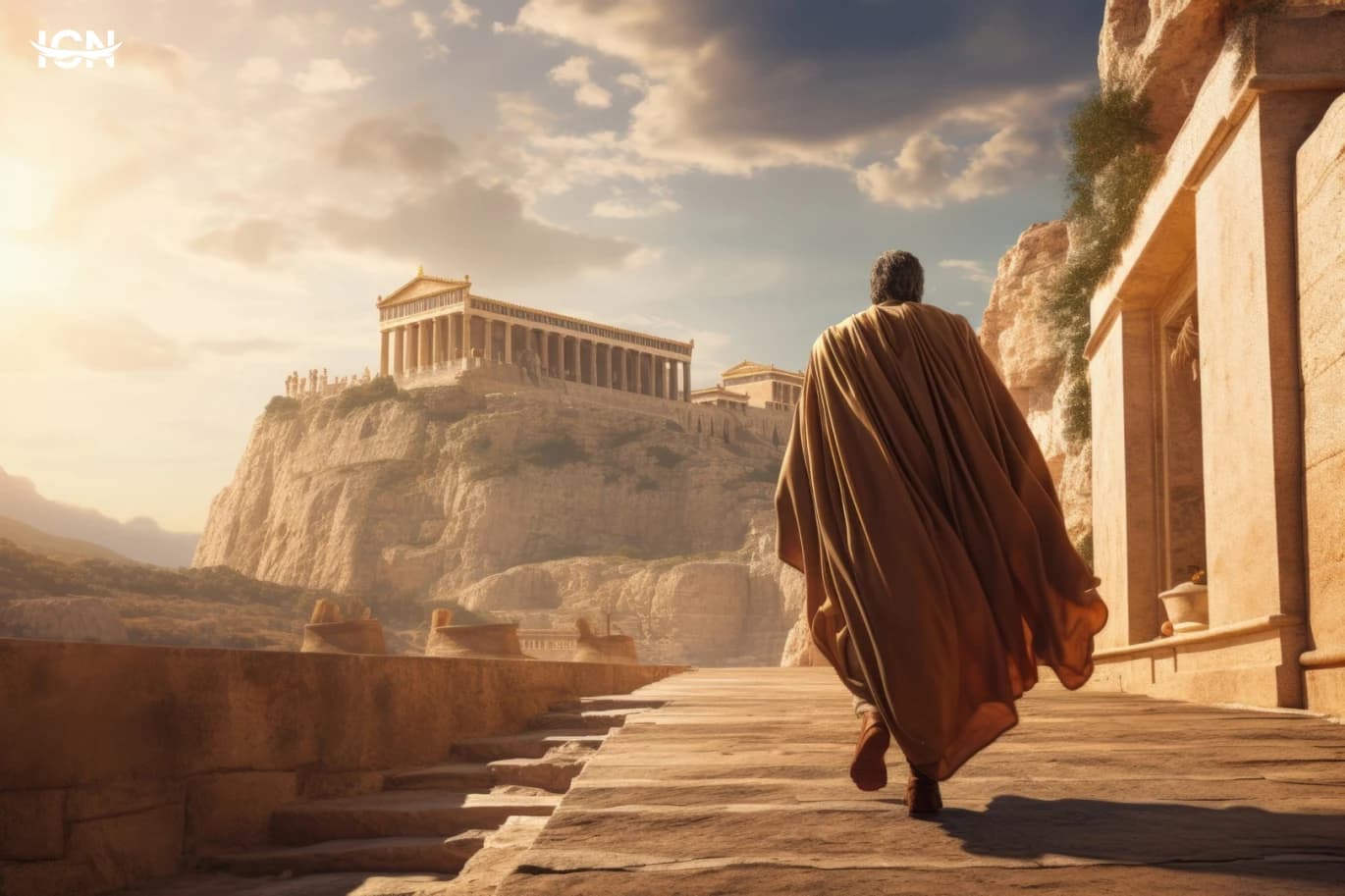
The Iliad and the Odyssey began as oral poetry tied to places, routes, and local memories around the Aegean. Long before they became school texts, they functioned like cultural maps: lists of ports, islands, winds, and landmarks that helped listeners imagine distance and direction. That geographic backbone is one reason the stories keep resurfacing in modern travel culture and in cinema, the “seventh art,” which depends on movement through space. For travelers, the epics offer a structured way to read the Mediterranean. The Iliad anchors itself in a single theater of action near the Dardanelles, while the Odyssey expands into a chain of stops across seas and coasts. For filmmakers, that difference matters: one narrative is concentrated and siege-like; the other is episodic and itinerary-driven. Both invite location-based storytelling, and both have been repeatedly adapted, quoted, and reimagined because they provide recognizable characters and a strong sense of place. This article approaches Homer less as a mythic authority and more as a practical sourcebook for cultural exploration. It traces how the epics moved from legend to screen, and how that shift changed the way audiences “visit” Troy, Ithaca, and the wider Greek world—sometimes through actual travel, sometimes through cinematic travel, and often through a blend of both.
Faces That Shape Istanbul and Bursa
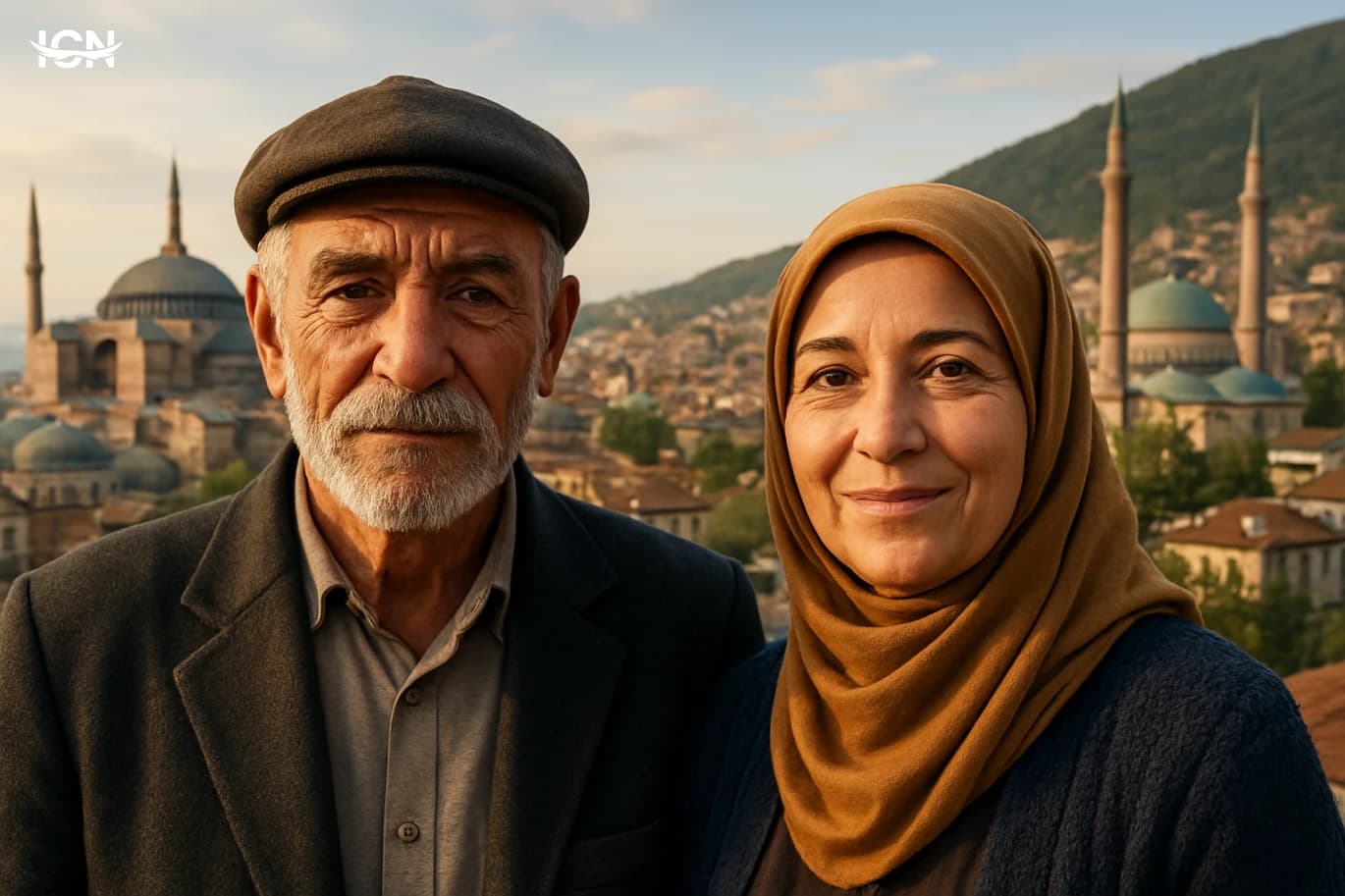
Travel between Istanbul and Bursa is often described in terms of ferries, highways, and day trips. Yet the most accurate map of this corridor is drawn by people: the shopkeepers who keep a neighborhood’s rhythm, the craftspeople who preserve skills in small workshops, and the hosts who turn a short stop into a lasting memory. Istanbul’s scale can make it feel like a collection of separate cities, while Bursa’s pace is calmer and easier to read. Moving between them highlights how local faces, not landmarks, give each place its recognizable character. This blog looks at the human layer of the journey: who you meet, what they do, and how their daily routines shape what visitors experience. It focuses on practical, observable details—where conversations happen, how service is offered, what is made by hand, and how traditions are kept current. The goal is not to romanticize the route but to understand why two cities so close in distance can feel distinct in tone, and how the people you encounter become the most reliable guide.
Barcelona Markets Worth Your Time
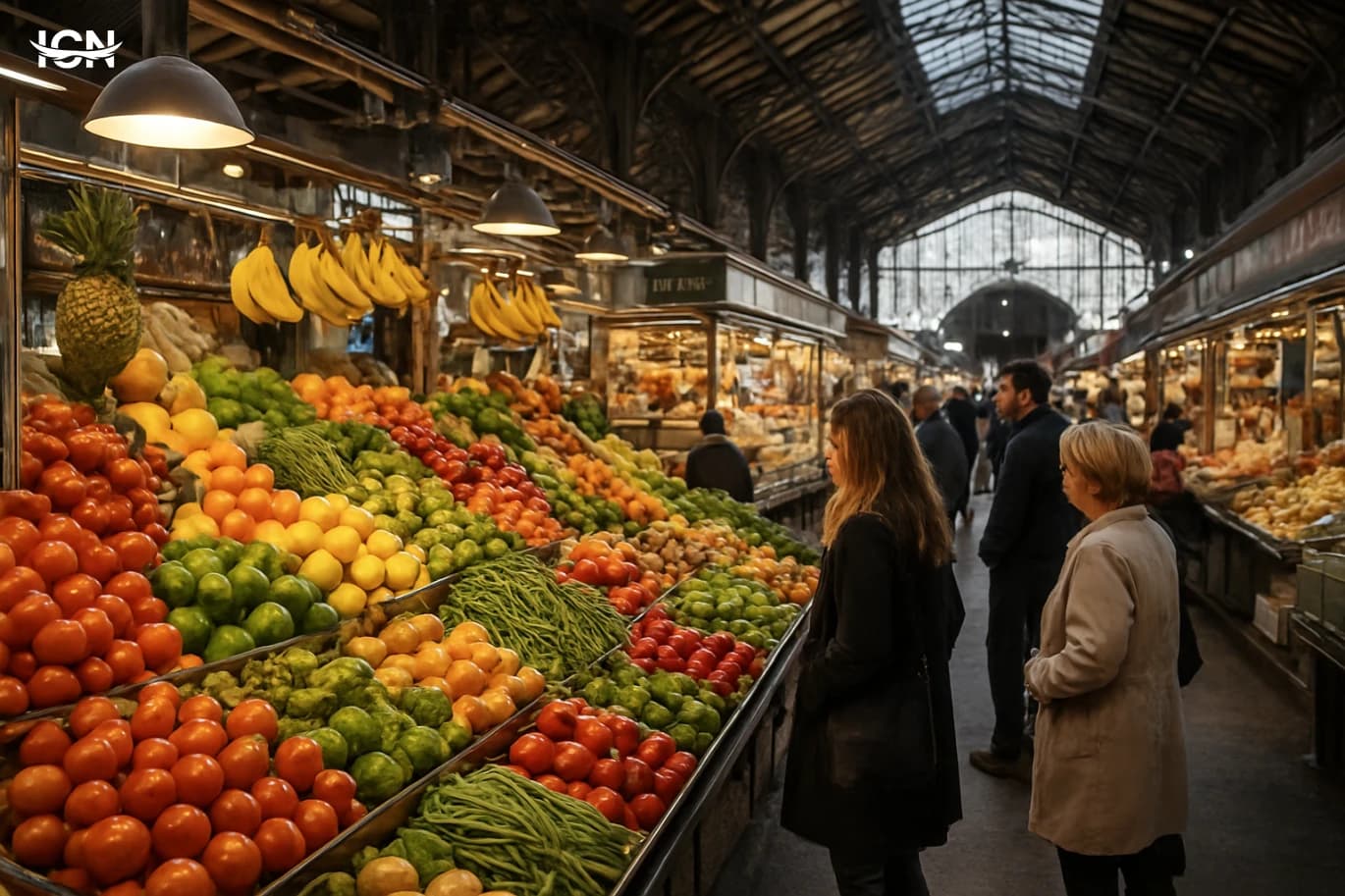
Barcelona’s markets are not all the same, and a good plan helps you see more than just the most famous hall. Start by deciding what you want to buy: fresh produce for a picnic, ready-to-eat bites, specialty ingredients, or non-food items like books and crafts. Most food markets are busiest in the late morning, while flea and design markets often peak around midday. If you want better photos and calmer aisles, arrive close to opening time and keep your list short so you can browse. Bring a reusable bag and small cash, even though many stalls accept cards. If you are shopping for ingredients, ask vendors about seasonality and local varieties; Catalan produce names can differ from what you see elsewhere in Spain. For prepared foods, look for stalls with visible turnover and clear pricing. A practical route is to pair one central market with one neighborhood market and finish with a weekend-only market if your schedule allows. Finally, treat markets as part of a wider neighborhood visit. Each market sits in a different urban context: some are in historic cores, others in residential districts with fewer tourists. Combining a market stop with a nearby park, a museum, or a short walk to a viewpoint turns shopping into a structured day of exploring the city.
Kashmir Through Lakes, Meadows, and Seasons
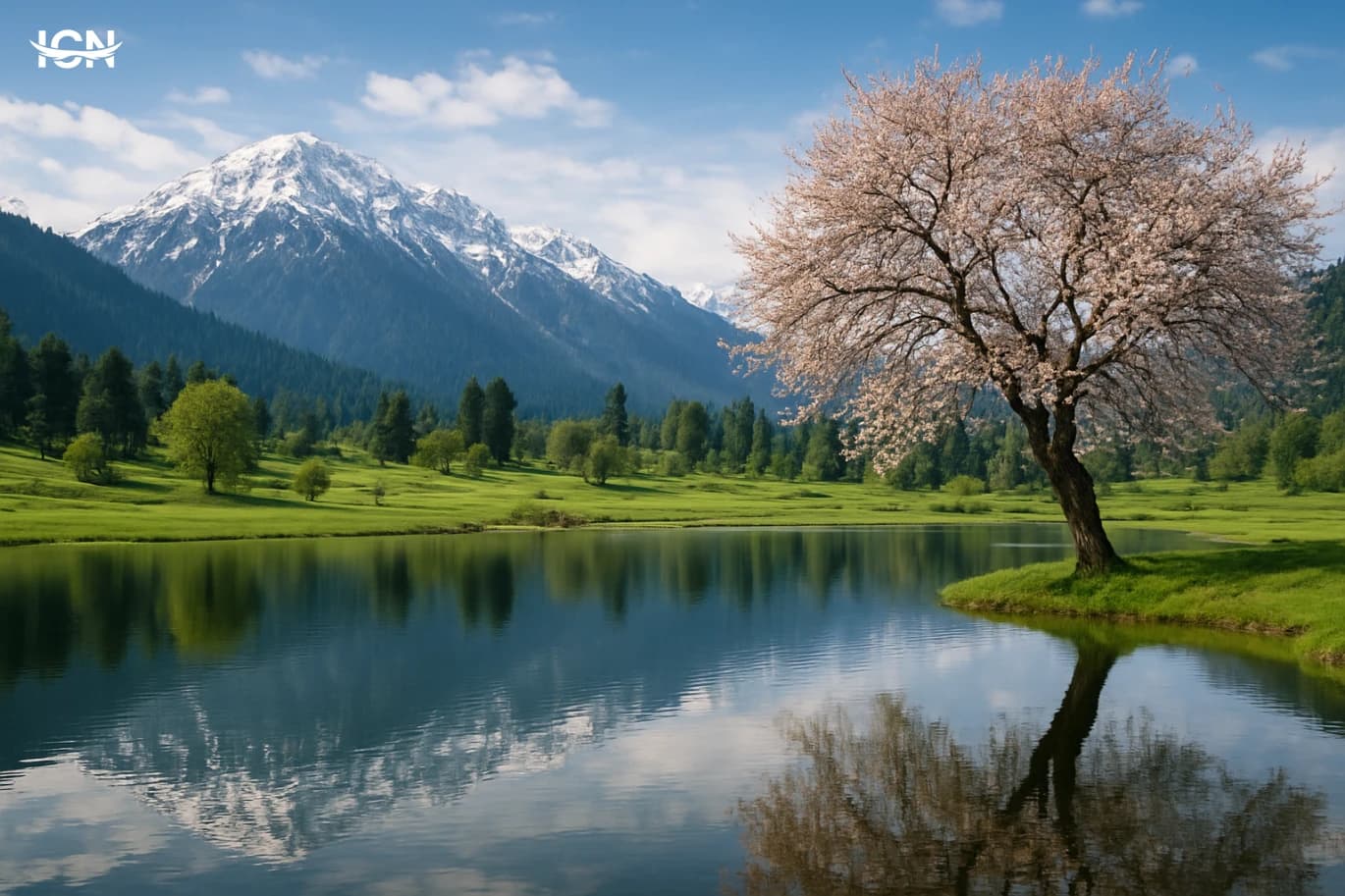
Kashmir’s appeal is often described as “scenic,” but the real story is how water and altitude organize daily life and travel routes. The valley sits within the western Himalayas, where snowmelt feeds rivers and wetlands before collecting in lakes. This geography creates distinct belts: lakefront neighborhoods, orchard-lined plains, and higher meadows that open only when passes are clear. For visitors, it means the same day can include a calm shikara ride on a lake, a drive past saffron fields, and a short climb to viewpoints that look over layered ridges. The region’s lakes are not just photo backdrops; they are working ecosystems and transport corridors. In Srinagar, waterways connect floating gardens, houseboats, and markets that still rely on boats for certain deliveries. Beyond the city, higher-altitude lakes and streams support trout farms and small hydropower stations, while wetlands provide habitat for migratory birds. Understanding this water network helps travelers plan realistically: mornings are often best for lake activities due to lighter winds, while afternoons suit road trips to meadows and hill stations when visibility improves.
Marnis Reshapes Asir’s Summer Scene
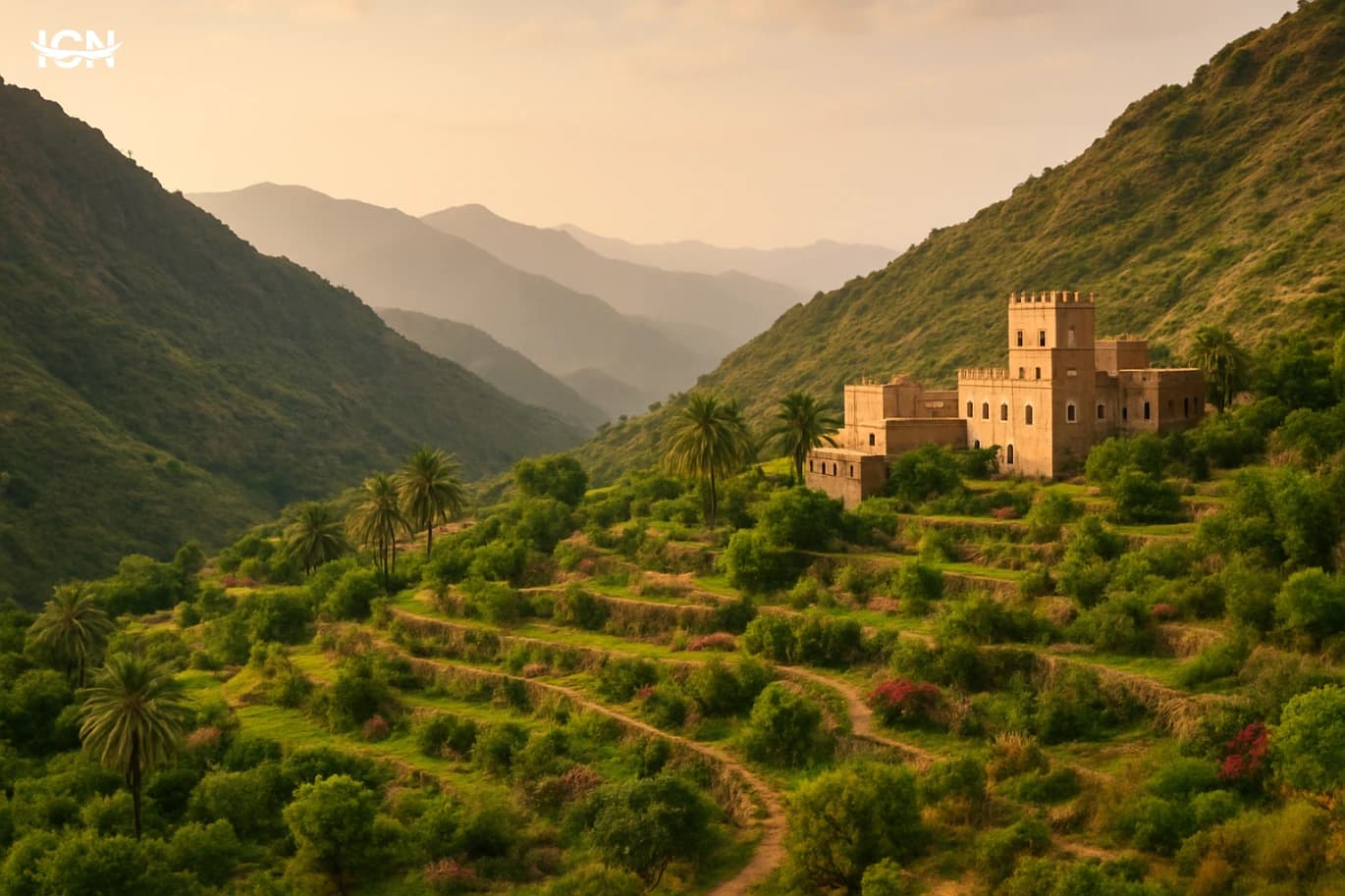
Marnis has emerged as a summer destination that changes how visitors read Asir’s tourism map. Instead of relying only on scenic viewpoints and short stopovers, the project positions itself as a full-day and multi-day experience built around programming, services, and a clear visitor journey. For travelers arriving from Abha, Khamis Mushait, or neighboring regions, the appeal is the combination of mild highland weather with an organized entertainment calendar that reduces the guesswork of “what to do next.” What makes Marnis notable is the way it packages nature, leisure, and hospitality into a single, managed setting. Visitors can plan around fixed event times, curated zones, and on-site amenities rather than improvising across scattered locations. This approach aligns with the growing demand for destinations that offer comfort, safety, and variety for families, groups of friends, and solo travelers who want structured options without losing the feeling of an outdoor escape.
Patagonia Argentina Beyond the Postcards
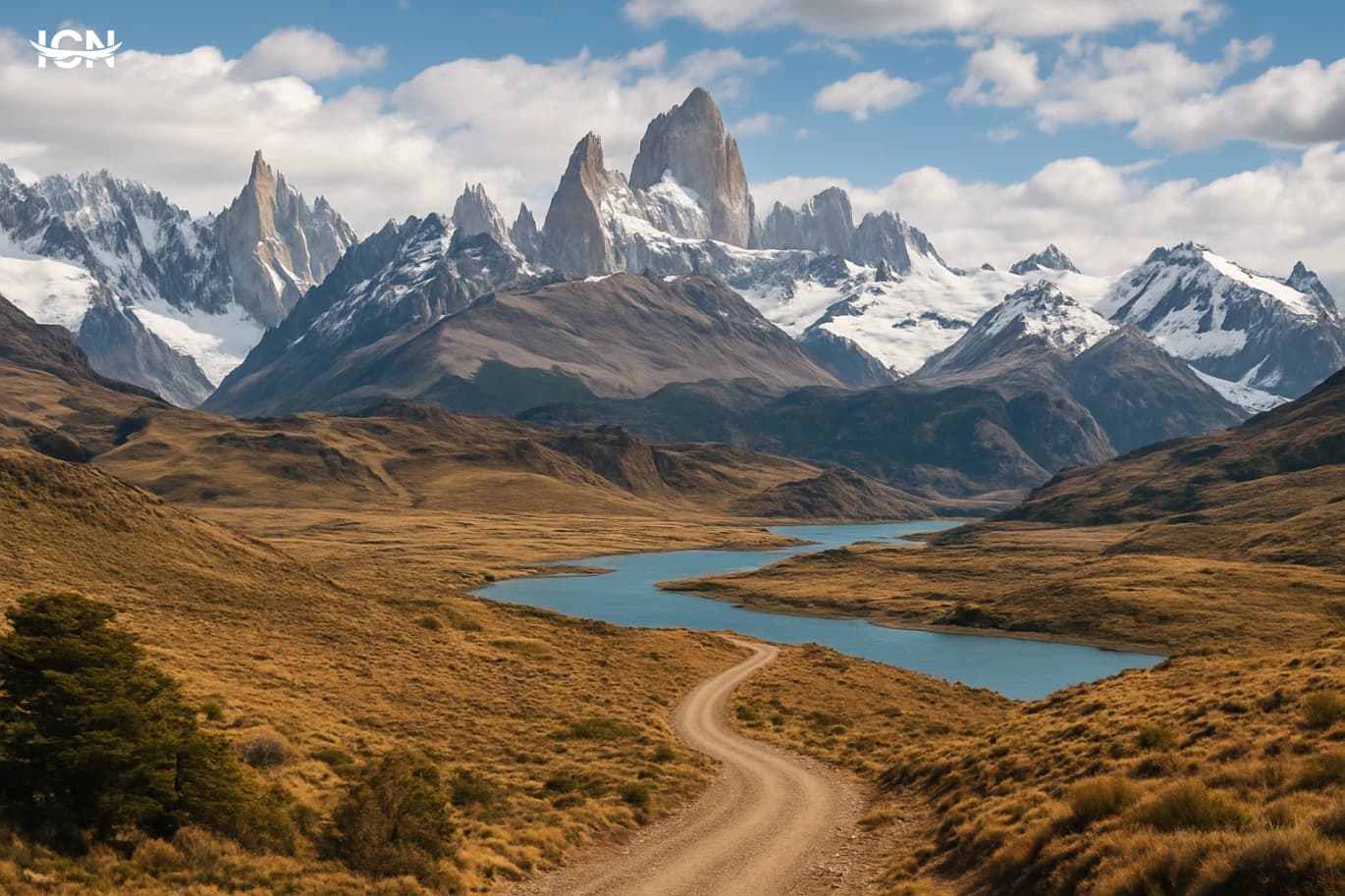
Argentine Patagonia is not one destination but a long southern corridor that stretches from the Lake District around Bariloche down to the windswept steppe and the glacier fields near El Calafate and El Chaltén. Distances are part of the experience: a bus ride between hubs can take half a day, and a “nearby” viewpoint may still require a long gravel road. The region’s identity comes from contrasts—deep blue lakes, arid plains, jagged granite peaks, and ice that moves like a slow river. For travelers, the practical starting point is usually one of three gateways: Bariloche for lakes and forests, El Calafate for glaciers, or El Chaltén for trekking. Each town has a different rhythm and price level, and choosing the right base can shape the entire trip. Bariloche feels like a full-service mountain city with many day trips; El Calafate is a logistics hub built around excursions; El Chaltén is small, walkable, and focused on trails. Planning around these roles helps avoid wasting time and money on backtracking.
Armenia’s Quiet Treasures in the Caucasus
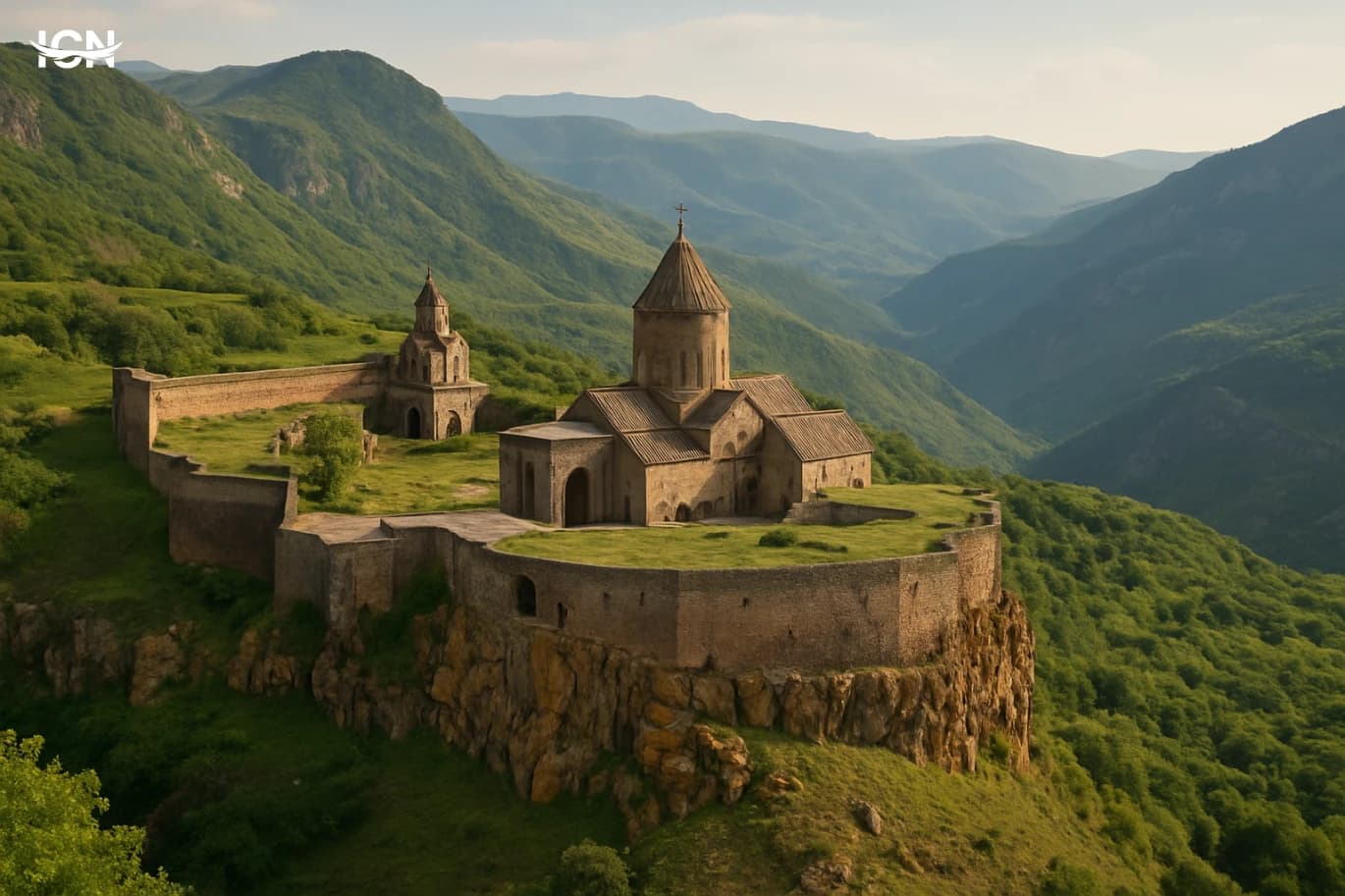
Armenia is compact, mountainous, and easy to navigate, yet it offers a dense mix of landscapes and heritage within short driving distances. From Yerevan, many signature sites are reachable in one to three hours, which makes the country practical for travelers who want variety without constant long transfers. The capital itself is a useful base: it has walkable neighborhoods, a growing café culture, and a calendar of concerts and markets that can fill evenings after day trips. What sets Armenia apart is how daily life and history sit side by side. You can move from a modern street lined with bakeries and bookstores to a centuries-old monastery complex in the same day. The country’s elevation shapes the experience: even in summer, evenings can be cool in the highlands, and viewpoints are a recurring highlight. For visitors, this means packing layers and planning around changing weather, especially if you intend to combine city time with lake shores and mountain roads. Armenia also works well for travelers interested in food and craft traditions. Local produce, herbs, and dairy are prominent, and small family-run wineries and brandy houses are common stops. The tourism infrastructure is improving steadily, with more boutique hotels, guided hiking options, and English-language signage in major areas, while still retaining a low-key atmosphere compared with larger regional destinations.
Grindelwald Beyond the Postcard
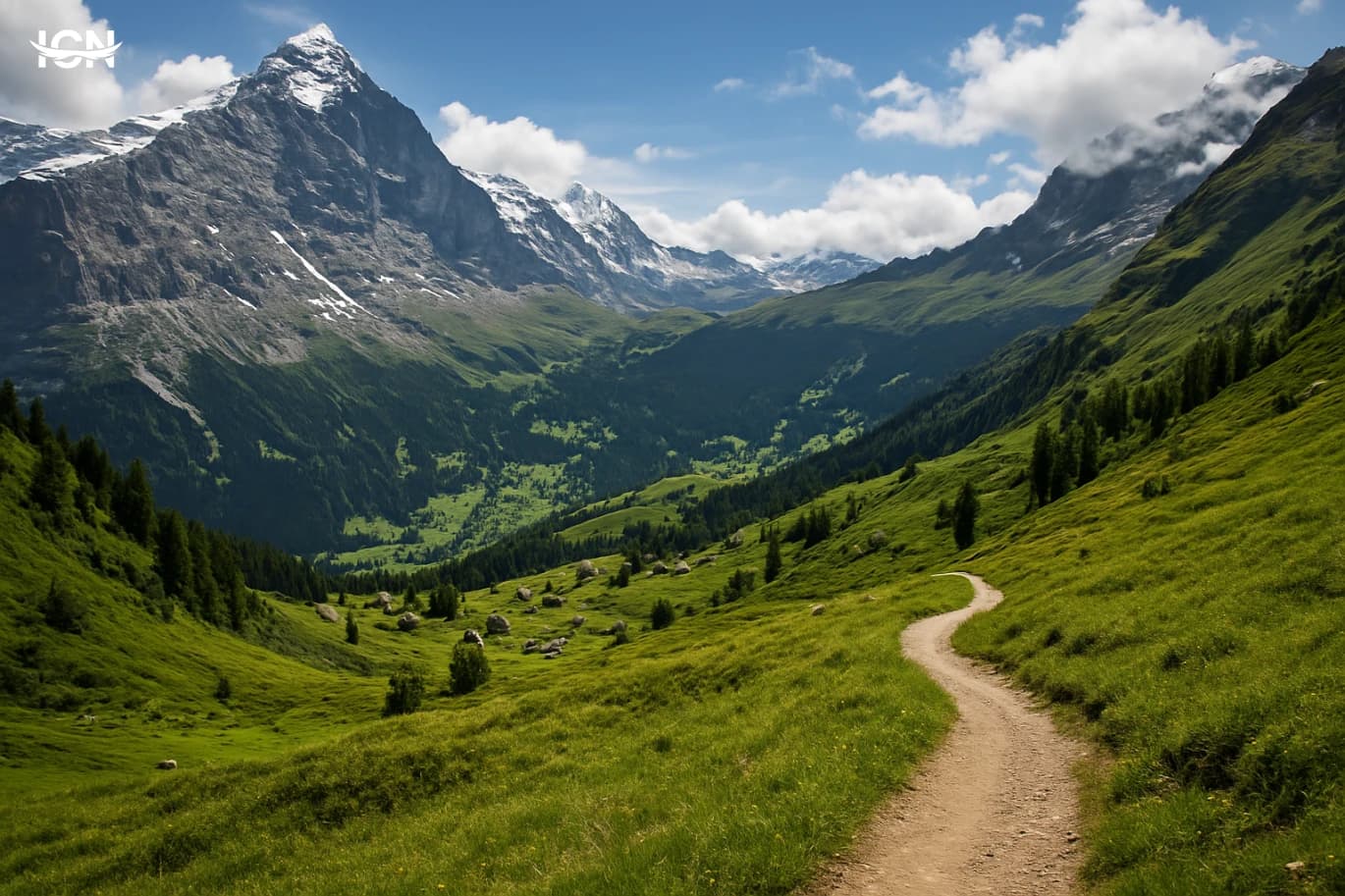
Grindelwald sits in the Bernese Oberland as a working mountain village that also happens to be one of Switzerland’s most practical bases for outdoor travel. The valley floor is easy to navigate on foot, with clear signposts to trails, lifts, and train connections, while the surrounding slopes rise quickly into alpine terrain. That layout matters: you can start a hike minutes after breakfast, return to the village for lunch, and still have time for a late-afternoon cable car ride. The area is known for big-name peaks, but the real advantage is how efficiently the local transport network links viewpoints, trailheads, and weather-safe alternatives. Seasonality shapes the experience more than most first-time visitors expect. Summer and early autumn are about long daylight hours, open ridge walks, and mountain restaurants that operate like small logistics hubs for hikers. Winter is structured around ski areas and prepared walking routes, with frequent lift schedules designed to move people quickly between the village and higher stations. Shoulder seasons can be quieter and better for photography and village walks, but some lifts and high trails may close for maintenance. Planning around operating dates is as important as packing the right jacket.
Paros Beyond the City Rush
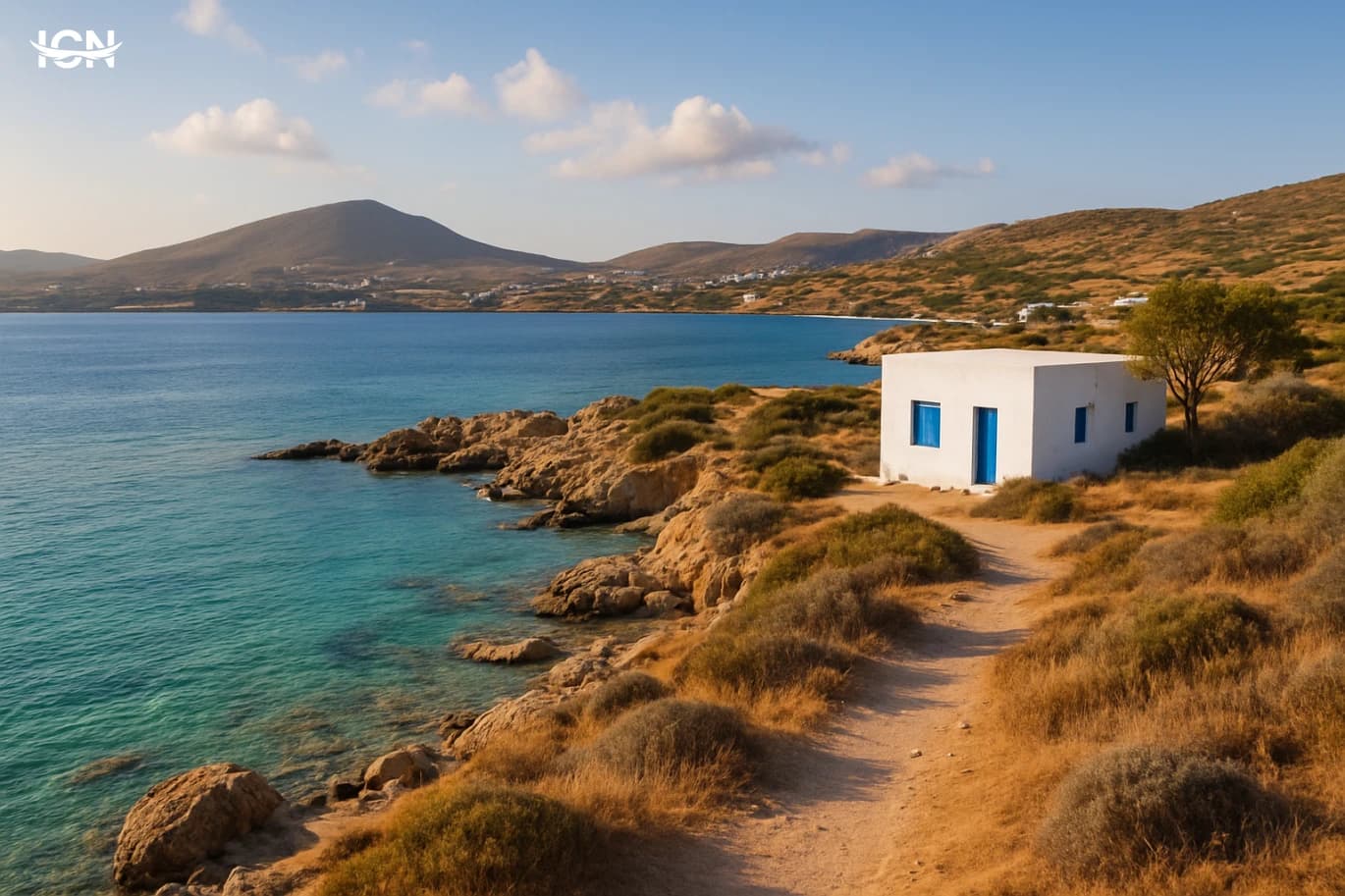
Paros sits in the heart of the Cyclades, yet it often feels calmer than the headline islands. The pace is slower, distances are short, and the island’s everyday life still shows through the tourism layer. You can land in Athens and connect by ferry from Piraeus, or fly to Paros National Airport (PAS) via domestic routes, then be in a seaside village within minutes. The main gateway is Parikia, the port town, where you’ll find practical services, bus connections, and a walkable waterfront lined with tavernas. What makes Paros stand out is how easily you can mix classic Cycladic scenery with low-key routines. Whitewashed lanes and blue shutters are there, but so are small farms, fishing boats, and local bakeries that open early. Even in peak season, you can plan days that avoid crowds by choosing quieter beaches, visiting inland villages at midday, and saving the busiest waterfront promenades for early morning. For travelers who want Greece’s island atmosphere without constant noise, Paros is a strong base.
Bratislava’s Unexpected City Break
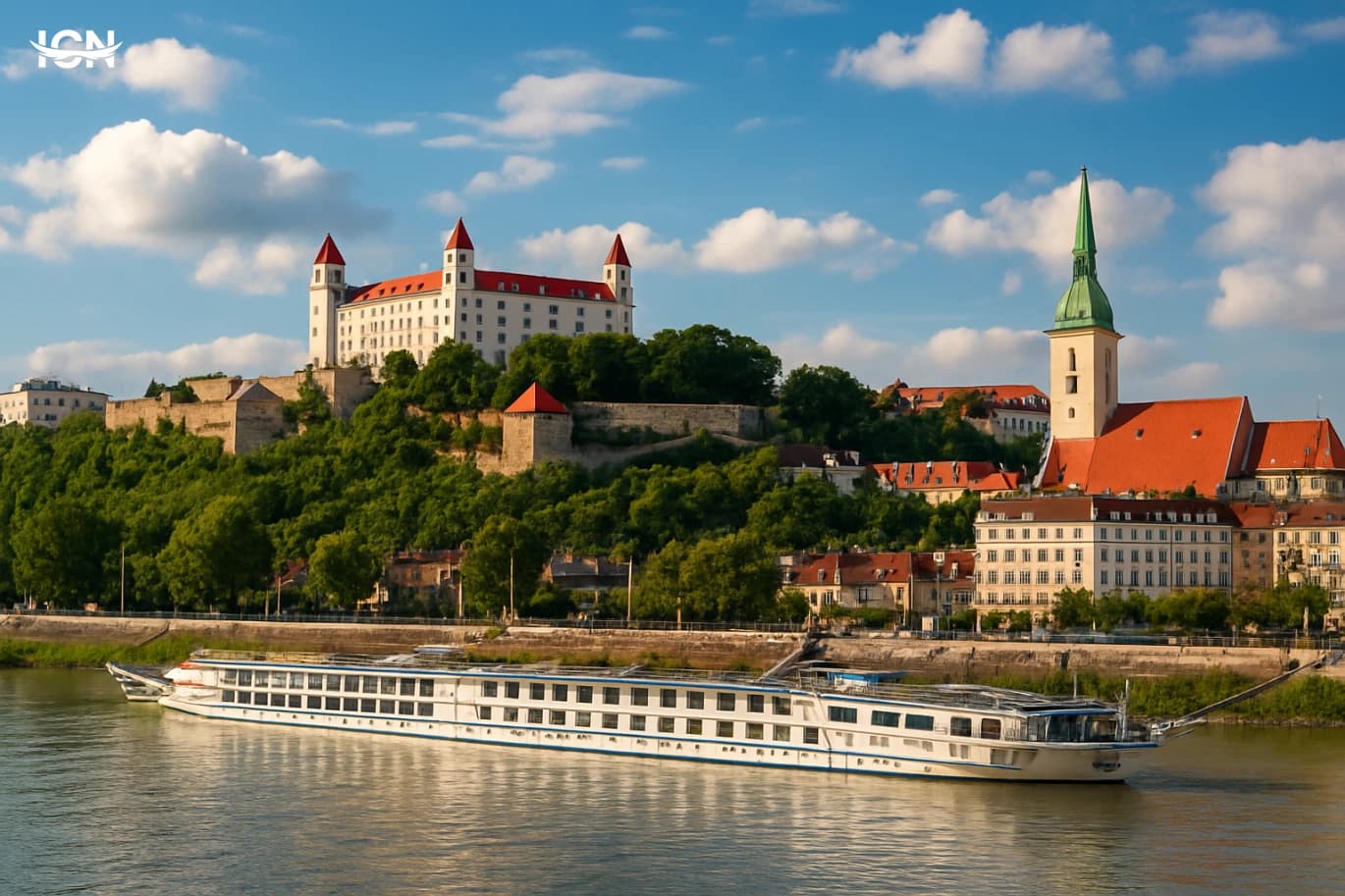
Bratislava is one of Europe’s most manageable capitals, and that is exactly why it works so well as a surprise destination. The historic center is walkable, the main sights sit close together, and the city still feels lived-in rather than staged for visitors. In a single day you can move from a hilltop castle to riverside promenades, then into neighborhoods where locals shop, commute, and meet friends after work. Its location adds to the appeal. Bratislava sits on the Danube and is positioned near the borders of Austria and Hungary, which makes it easy to combine with nearby cities while still giving you a distinct Slovak experience. The city’s character is shaped by this crossroads geography: Central European architecture, a strong café culture, and a calendar of events that mixes local traditions with contemporary design and music. For travelers who want a European break without the pressure of a packed checklist, Bratislava offers a calmer rhythm. You can plan lightly, leave room for detours, and still feel that you have covered a lot. The “surprise” is not one single landmark, but how many different city moods you can sample in a short stay.
A Practical Guide to Slovenia’s Soča Valley
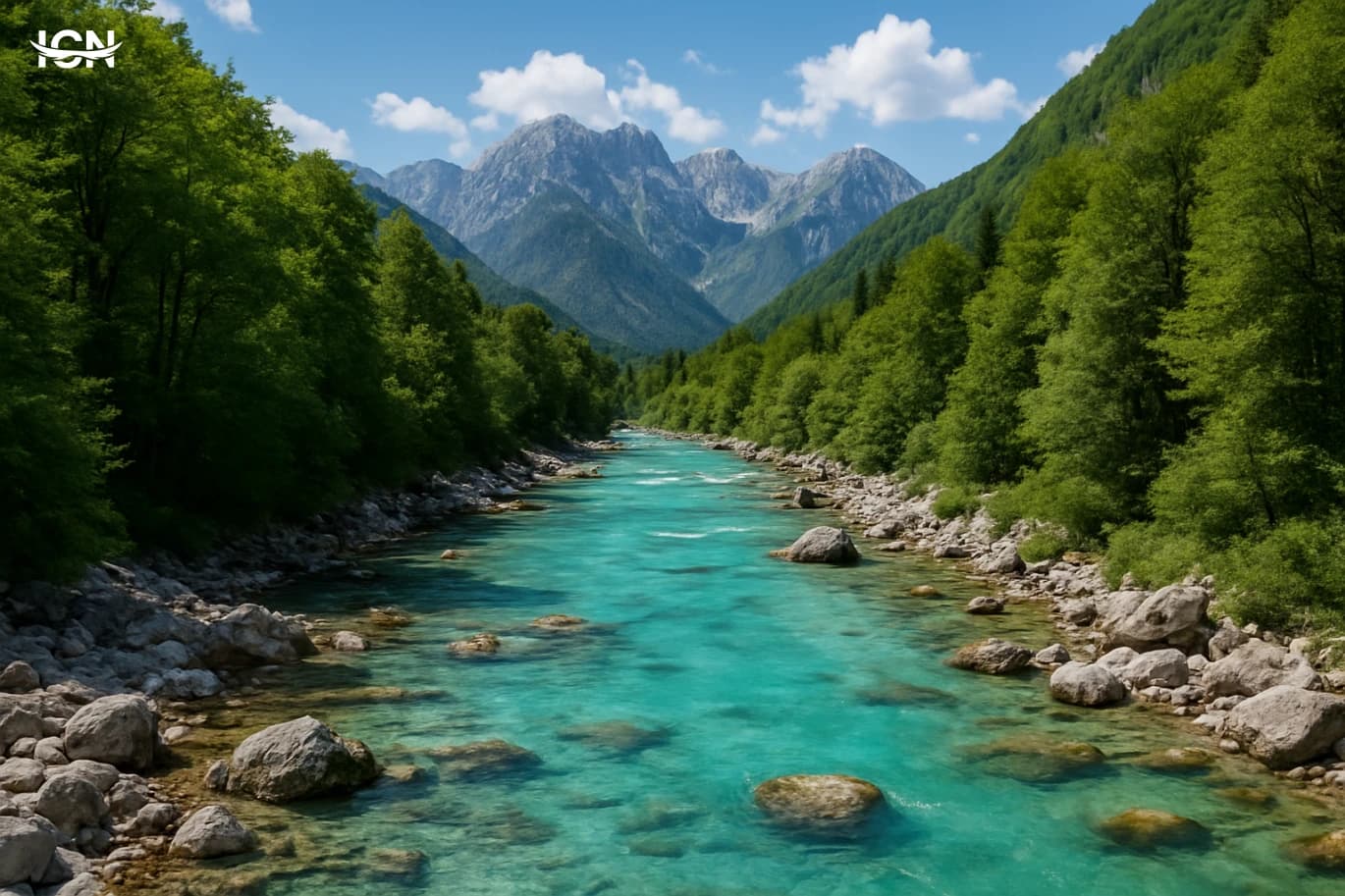
Slovenia’s Soča Valley is a compact region where travel time stays low and daily plans remain flexible. The valley runs along the Soča River in the country’s northwest, with small towns such as Bovec, Kobarid, and Tolmin acting as convenient bases. Distances between trailheads, viewpoints, museums, and restaurants are short, so you can combine outdoor activities with cultural stops without feeling rushed. The area is also well set up for independent travelers: clear road signage, reliable local tour operators for rafting and canyoning, and a growing range of guesthouses and apartments. A one-week itinerary works especially well because the valley offers variety without requiring long transfers. You can spend one day on river activities, another on panoramic hikes, and still have time for food-focused stops and small museums. Weather can change quickly in the Julian Alps, so having multiple options matters; the Soča Valley provides alternatives at different elevations, from riverside walks to higher mountain routes. This balance makes it a strong choice for travelers who want a focused destination that still delivers a full schedule.
Mallorca Summer Highlights You Shouldn’t Miss
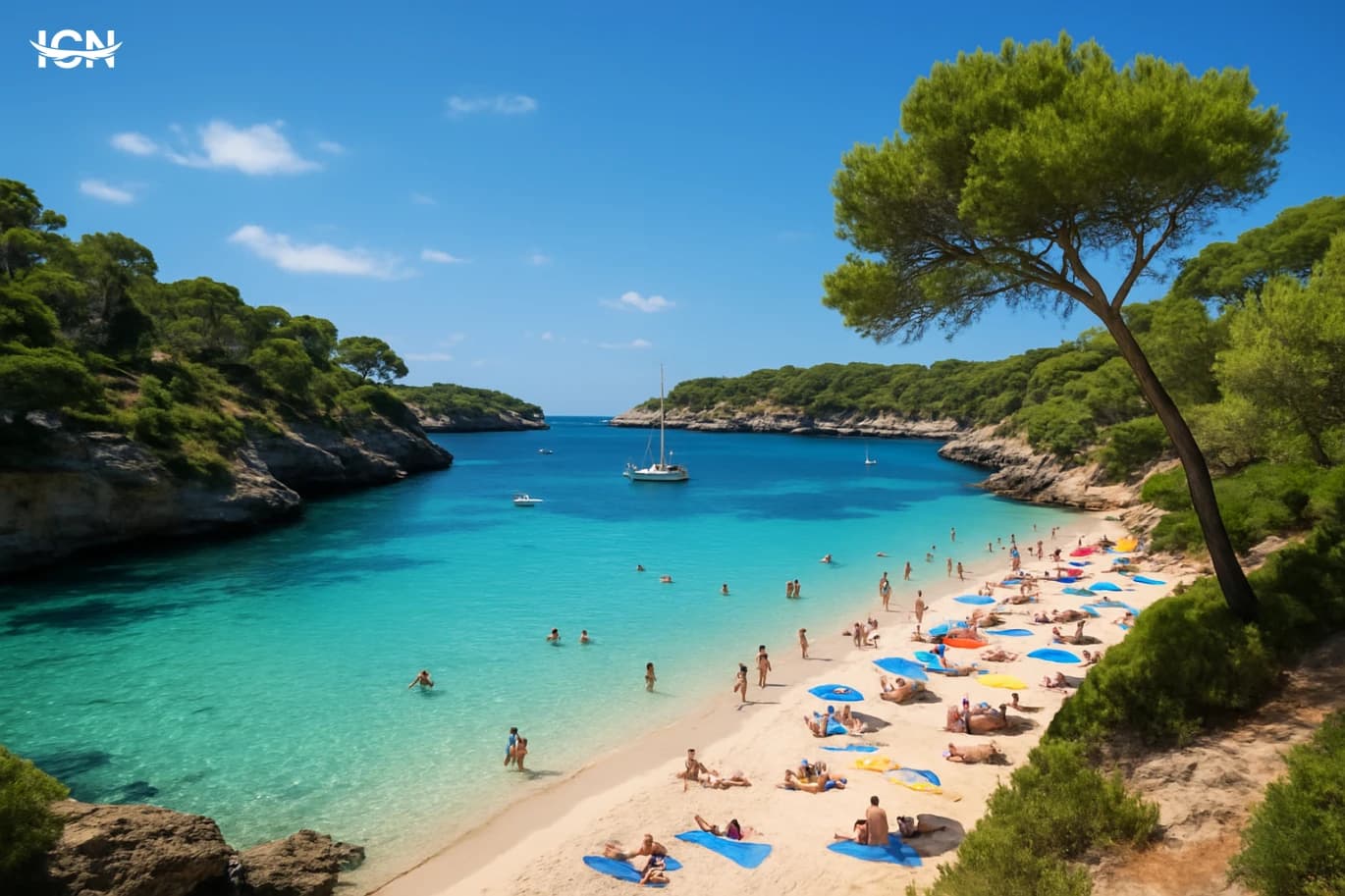
Mallorca, the largest of Spain’s Balearic Islands, is built for summer travel because it combines beaches, mountains, historic towns, and reliable infrastructure in a compact area. Most visitors base themselves in Palma for easy access to restaurants, museums, and transport, then take day trips across the island. Driving times are generally short: you can go from the capital to the northwest mountains or the eastern coves in about an hour, depending on traffic. The island’s appeal is not only scenery but variety. You can spend a morning in a Gothic cathedral, have lunch in a fishing port, and finish the day at a calas-style beach with clear water. Mallorca is also well set up for independent travelers: there are frequent buses to major towns, a train line to inland areas, and a wide range of accommodation from boutique hotels in old stone buildings to family resorts near the sand. To make the most of a summer visit, plan around heat and crowds. Start early for popular viewpoints and beaches, reserve tables in Palma on weekends, and consider visiting headline sites in the late afternoon when day-trippers leave. The eight landmarks below cover the island’s most recognizable places and a few essential experiences that help you understand Mallorca beyond a single beach day.
A Practical Week in Slovenia Without a Car
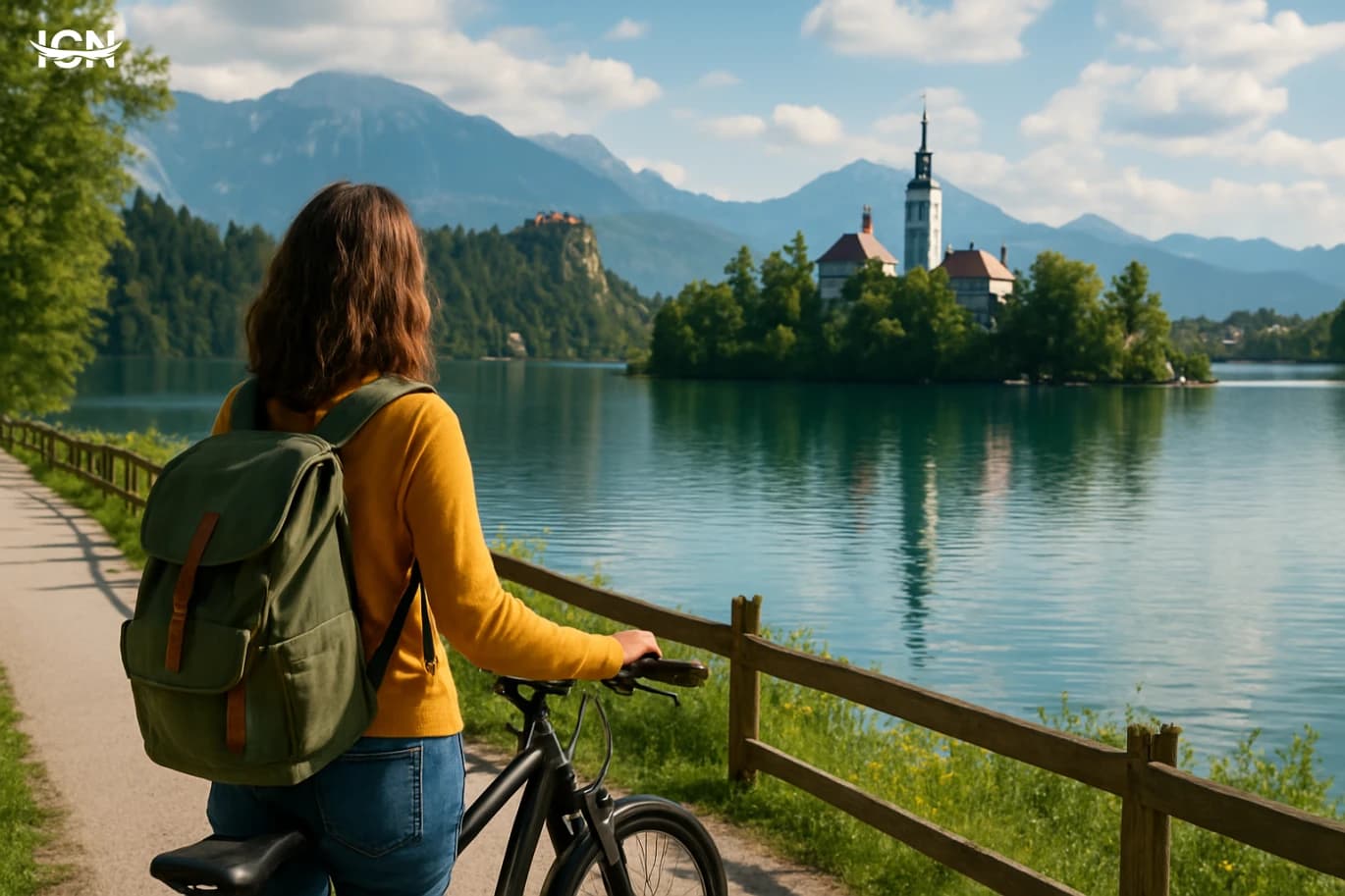
Slovenia is one of the easiest European countries to explore without driving because distances are short, public transport is reliable on core routes, and many highlights sit near train or bus corridors. Ljubljana is compact and walkable, with frequent city buses and clear wayfinding around the riverfront, museums, and main squares. From the capital, you can reach alpine valleys, lakes, and coastal towns in a few hours, often with direct connections. This makes it realistic to plan a full week that combines nature, food, and small cities while keeping logistics simple. A car-free plan also reduces costs that surprise first-time visitors: parking fees in tourist towns, fuel price swings, and the time spent navigating narrow roads in peak season. Instead, you can budget for a few paid experiences that add value, such as a guided cave visit or a local food tasting. The key is to pick a small number of bases and use day trips, rather than changing hotels every night. Slovenia’s size rewards that approach, and it keeps your schedule flexible when weather changes in the mountains.
By clicking the SUBSCRIBE button, you are agreeing to our Privacy & Cookie Policy If you want to unsubsribe the marketing email, please proceed to our privacy center.
© 2005-2026 ICN. All Rights Reserved.