Victor and the Three Knights
- Setting and Premise
- Victor’s Role and Growth
- The Three Knights as a Team
- Conflict, Pursuit, and Key Scenes
- Themes and What the Story Says
- bookmark
Setting and Premise
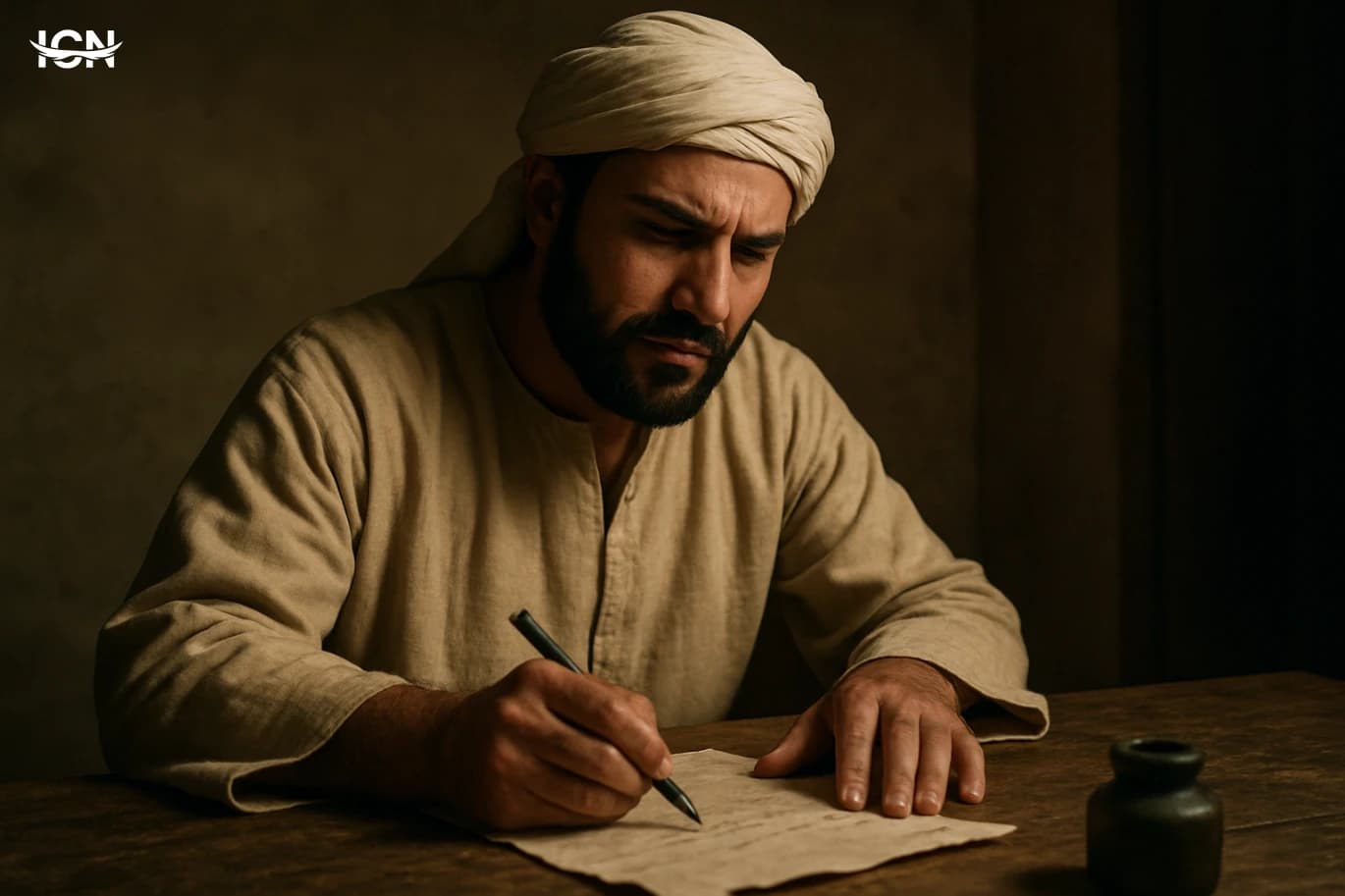
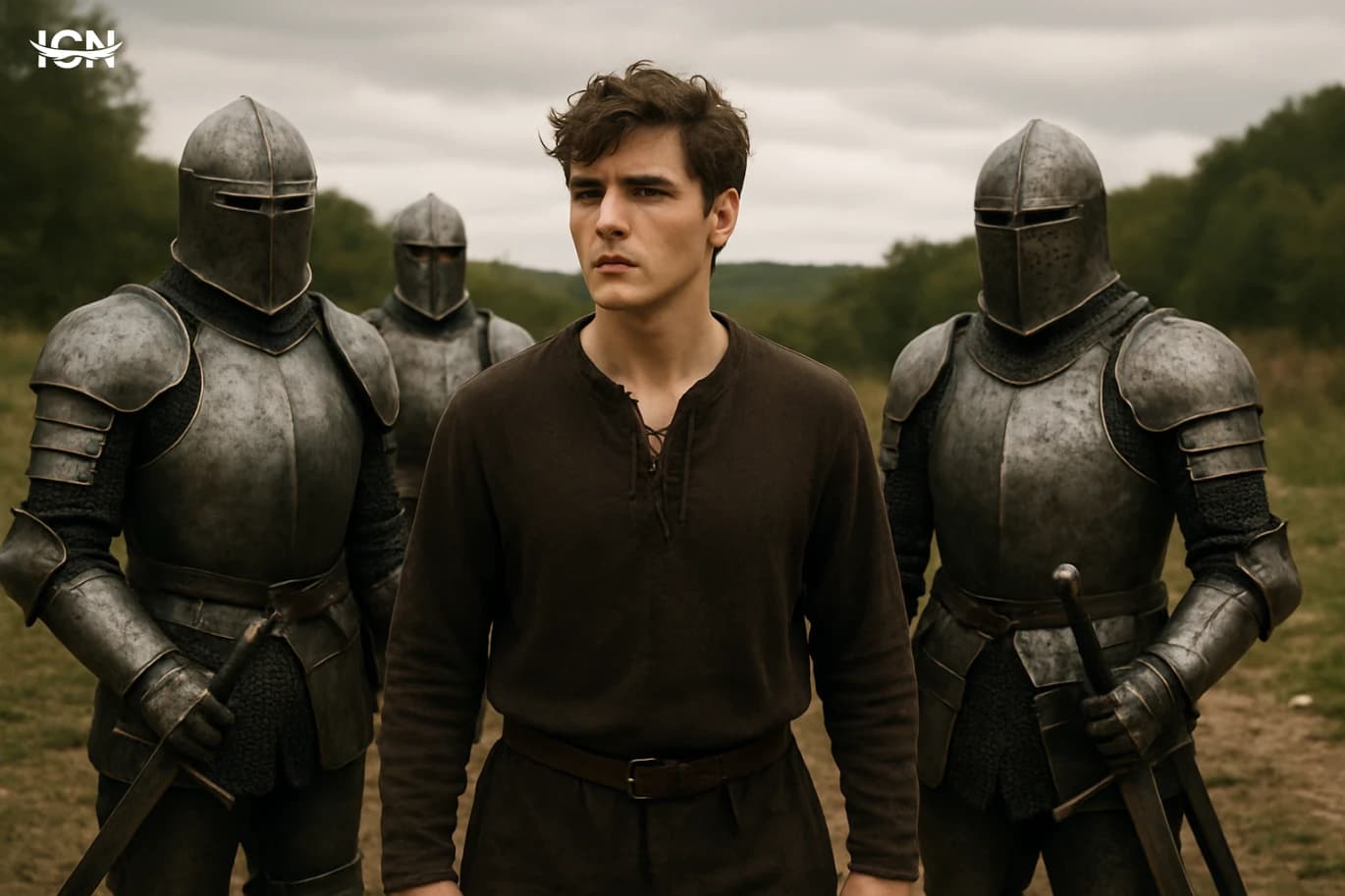
The story of Victor and the Three Knights is built around a clear adventure framework: a young man with practical skills is pulled into a conflict larger than his village, and three veteran knights become both his protection and his test. Victor is introduced as a clerk’s son who learned reading, basic accounting, and map copying in a market town that sits on a trade road. The region is not an abstract fantasy space; it is a borderland where caravans move salt, wool, and iron, and where local lords compete over tolls and river crossings. The inciting incident begins when a sealed ledger disappears from the town’s customs house. The ledger is not magical; it is a record of payments and exemptions that can prove corruption and illegal tolls. Victor is asked to recover it because he is one of the few who can identify the handwriting and the coded marks used by the customs officers. The theft quickly becomes dangerous because it implicates a powerful baron who controls the nearest fortress and has influence over the road patrols. The Three Knights enter the narrative with distinct reputations. Sir Alden is known for discipline and knowledge of military law. Sir Roderic is a seasoned rider who understands terrain and logistics. Sir Selim is a former court duelist who now works as a mediator in disputes between towns. They are not presented as flawless heroes; each carries political baggage and personal limits. Their decision to escort Victor is partly ethical and partly strategic: if the ledger is used as leverage, it could shift alliances across the border.
Victor’s Role and Growth
Victor’s importance comes from competence rather than destiny. Early chapters show him making careful observations: he notes which guards change shifts, which merchants receive unusual passes, and how ink quality differs between official entries and later additions. These details allow the group to reconstruct the ledger’s path without relying on luck. Victor is also portrayed as socially aware; he understands that accusing a baron directly is not a legal argument but a political act that can trigger retaliation. As the journey progresses, Victor’s growth is measured in decisions. He learns to speak in front of armed men without sounding defiant, to ask questions that reveal facts without exposing sources, and to accept that evidence must be protected as much as people. A key turning point occurs when the group finds a torn page used as wrapping paper in a roadside inn. Victor recognizes the customs seal impression and realizes the ledger has been split into parts to reduce risk. Instead of rushing to confront the innkeeper, he proposes a quiet purchase and a staged departure to avoid alerting the thieves. The story also gives Victor moral pressure. He is offered a bribe by an intermediary who claims the ledger will cause “unnecessary unrest.” Victor refuses, not with idealistic speeches but with a practical argument: if the record is buried, the toll abuses will continue and the town will lose trade. His stance is grounded in economic consequences, which makes his integrity credible and consistent with his background.
The Three Knights as a Team
The narrative treats the three knights as complementary professionals rather than identical warriors. Sir Alden manages rules and legitimacy. He insists on documenting witness statements, noting dates, and keeping a chain of custody for recovered pages. His approach creates tension because it slows the group down, but it also prevents their findings from being dismissed as rumor. Sir Roderic focuses on movement and security. He chooses routes that avoid predictable checkpoints, studies river levels to time crossings, and reads signs of recent patrols—fresh hoof prints, disturbed brush, and smoke patterns from campfires. His pragmatism is essential when the group realizes they are being followed by hired riders who do not wear a lord’s colors. Sir Selim handles people. He negotiates with innkeepers, persuades a minor official to share information, and defuses confrontations that could turn lethal. He also challenges Alden’s rigid view of honor by arguing that survival and evidence matter more than public duels. Their disagreements are not filler; they show how different codes of conduct operate in the same political landscape. Together, the knights provide Victor with a moving classroom. He learns that power is enforced through paperwork, roads, and reputations, not only through swords. The story’s credibility comes from this mix of administrative detail, tactical planning, and social negotiation.
Conflict, Pursuit, and Key Scenes
The central conflict escalates through a sequence of grounded set pieces. One major scene takes place at a river ferry controlled by a guild that sells “priority crossings.” The group must decide whether to pay and risk leaving a paper trail, or wait and risk being caught. Victor proposes using a legitimate merchant’s schedule and swapping places with a wagon convoy, a plan that relies on timing rather than violence. Another key moment occurs in a small chapel where travelers leave notes for relatives. Sir Selim notices that the same hand has been posting identical messages in different towns, a crude but effective signaling system for the thieves. By comparing ink and phrasing, Victor identifies the message as a code that indicates where the next exchange will happen. This scene highlights how communication networks can exist without official couriers. The pursuit culminates near the baron’s fortress during a market day when crowds provide cover. Sir Roderic positions the group to avoid being boxed in, while Sir Alden seeks a lawful audience with a magistrate who is technically independent but financially pressured. The story avoids a simplistic siege; instead, the tension comes from whether the evidence can be presented before it is discredited or destroyed. Violence appears, but it is limited and consequential. A brief ambush on a wooded path results in injuries and the loss of a horse, forcing the group to slow down and reconsider their route. The aftermath focuses on logistics—finding a farrier, replacing supplies, and deciding which recovered pages are safe to carry openly. These details keep the conflict tied to realistic constraints.
Themes and What the Story Says
Victor and the Three Knights uses its plot to examine how authority operates in everyday life. The ledger represents institutional memory: whoever controls records can shape what is considered legal, owed, or forgiven. The story shows that corruption is often procedural—small alterations, selective exemptions, and intimidation of minor officials—rather than a single dramatic crime. Another theme is the difference between personal honor and public accountability. Sir Alden believes that rules protect the weak when applied consistently, while Sir Selim argues that rules can be weaponized by those who write them. Victor stands between these positions, learning that evidence must be both accurate and strategically presented. The narrative treats this as a civic problem, not a moral abstraction. The story also highlights the economics of security. Road patrols, ferries, and fortress garrisons all require funding, and the temptation to extract extra tolls is constant. By tying conflict to trade flows and local budgets, the story explains why ordinary merchants care about politics and why a missing ledger can destabilize a region. Finally, the three knights model different forms of service: enforcement, protection, and mediation. Their cooperation suggests that stability depends on more than force. It requires documentation, credible institutions, and people capable of negotiation under pressure.
bookmark
By the end, the story’s resolution depends less on defeating a single villain and more on securing a process: collecting the ledger’s fragments, verifying them, and presenting them to an authority that cannot easily be bought. The three knights help Victor understand that winning is often administrative—getting the right document to the right forum at the right time. That conclusion fits the story’s consistent emphasis on records, routes, and reputations. For readers, the appeal lies in how the adventure is driven by concrete stakes. A town’s trade can collapse if tolls rise. A minor official can be coerced if there is no oversight. A baron’s power can expand if paperwork is controlled. Victor’s journey shows how a capable civilian can matter in such a system, especially when supported by professionals who bring different tools to the same problem. The story also leaves room for continuation. Even if the ledger is exposed, the region still needs reforms: clearer toll rules, independent audits, and safer roads. Victor is positioned not as a triumphant warrior but as someone who now understands governance and can choose whether to return to quiet work or remain involved in public affairs. That grounded ending keeps the narrative credible and relevant.