Venicians

- Introduction to the Phoenicians
- Faniki culture
- Maritime Trade of the Venicians
- The geographical spread of the Phoenician civilization
- Faniki language and writing
Introduction to the Phoenicians
The origin and history of the Fniki Venetic are ancient peoples whose origins return to the northeastern coast region of the Mediterranean, specifically in the Levant. They established a number of major cities such as Tire, Sidon and Jubail. There was effective communication between them and the surrounding civilizations, which enriched their culture and merchants. The political and economic system of the Phoenician civilization was characterized by a political system based on independent cities, each of which has its own ruler. Their economy was mainly dependent on maritime trade, as they had a strong sea fleet that allowed them to trade with many countries.
Faniki culture
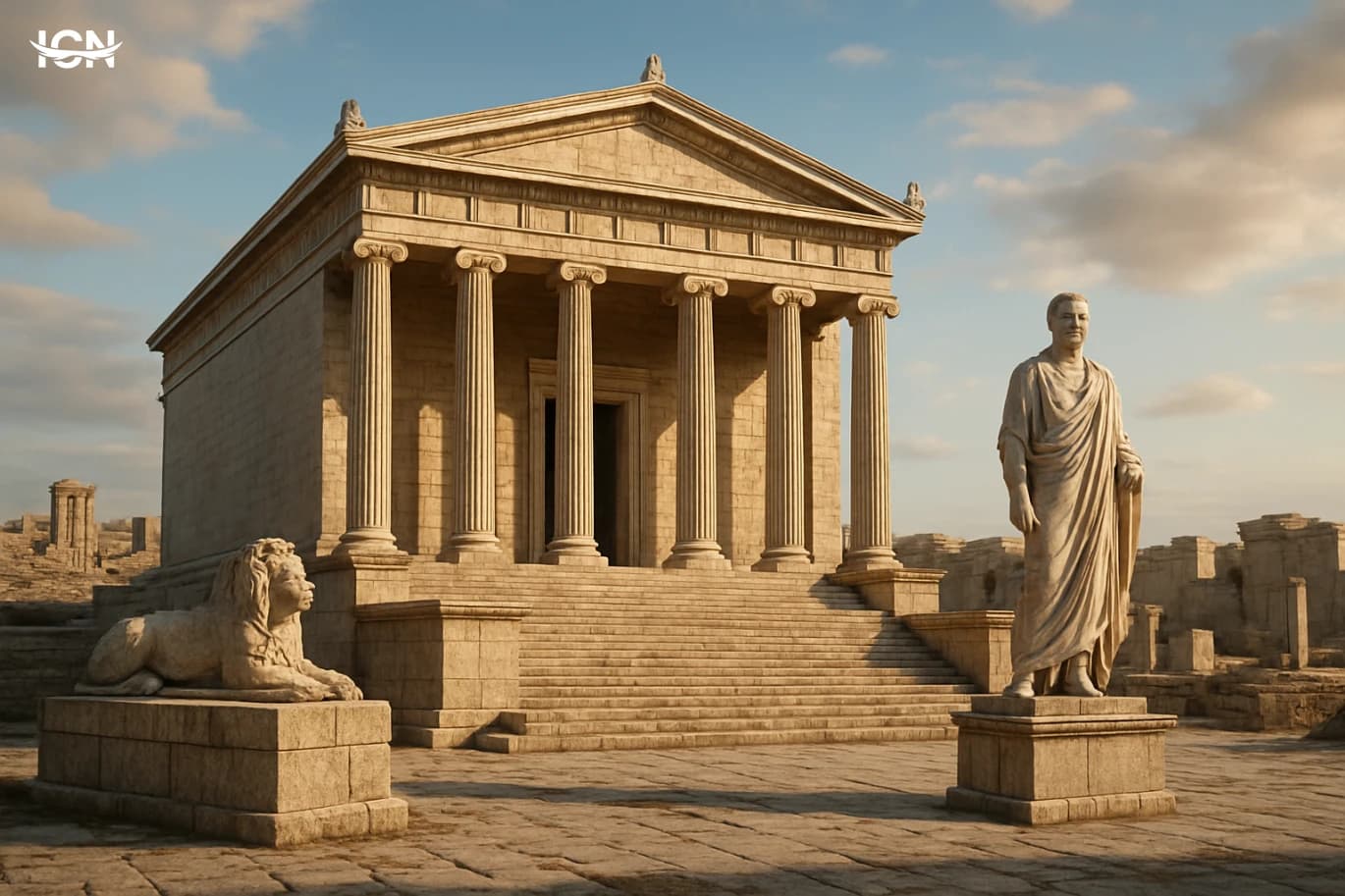
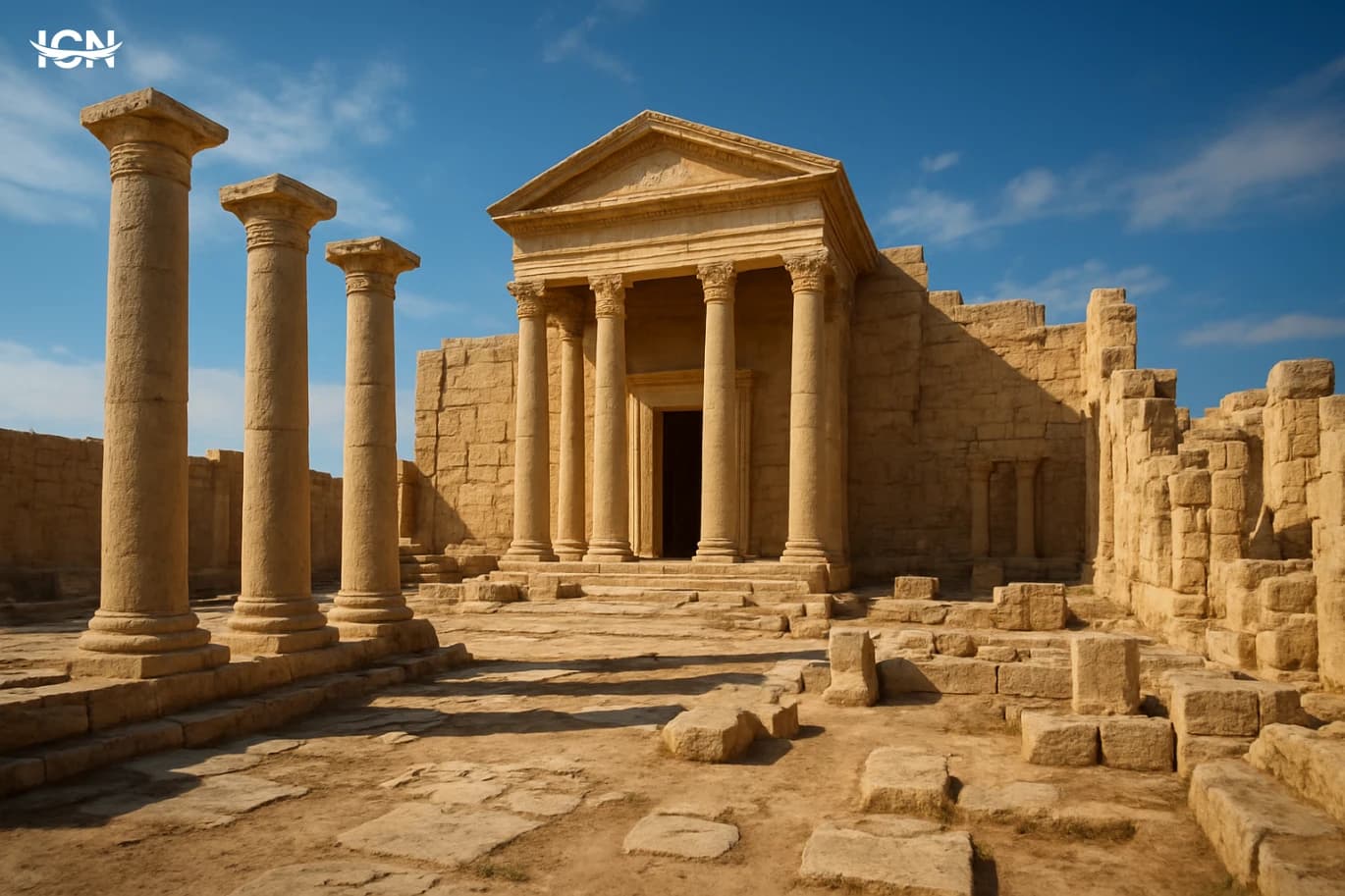
Faniki religion and doctrines were the Venician religion, as they worshiped a group of deities such as Baal and Ashtar. They had complex religious rituals that included offering offerings and major celebrations. The Phoenicians believed that these gods affect their daily lives, so their spiritual teachings were an important part of their culture. Arts and architecture in the Phoenician culture were distinguished by the arts of sculpture and drawing, as they used stones to form their sculptures. Faniki architecture included building beautiful temples and palaces, which reflects their civilized development and their interest in beauty. These arts were an integral part of the Phoenician identity, and its influence appeared in neighboring cultures.
Maritime Trade of the Venicians
The reasons and motives behind the success of the Venician trade were the maritime trade of the Vanicians successful thanks to their strategic geographical location on the eastern coast of the Mediterranean. They used their advanced trading ships with different peoples, which increased their wealth. Their skill in building ships and their professionalism also helped them explore new paths, thus securing new markets. The effects of the Venic trade on the surrounding areas The effects of the Vici trade were clear in the various surrounding areas, where they transported pottery, fabrics and spices. This trade contributed to the exchange of cultures and ideas, which enriched other civilizations and led to a distinctive economic and cultural interaction during that period.
The geographical spread of the Phoenician civilization
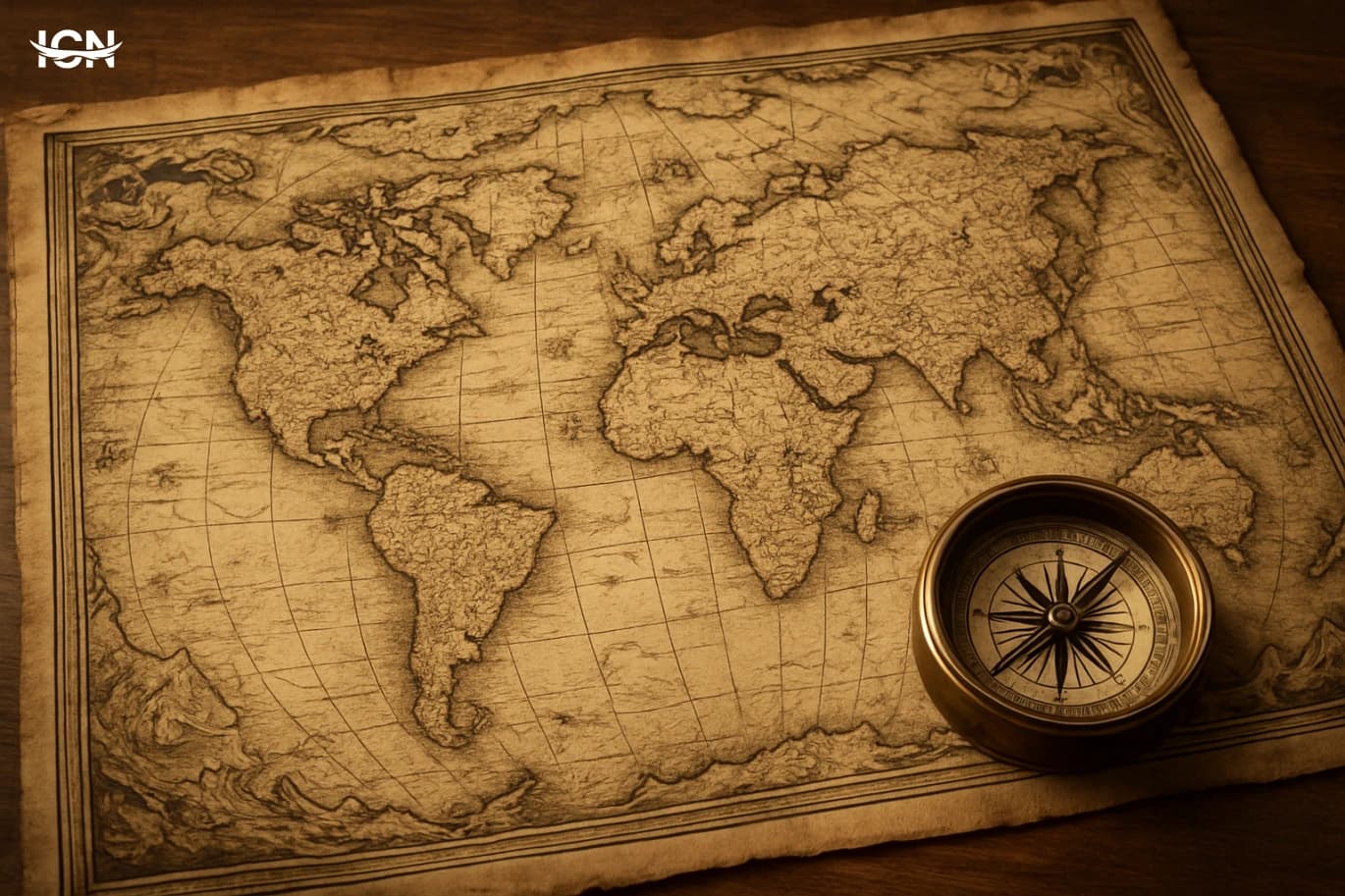
Faniki colonies were established by the Phoenicians colonies in remote areas such as Carthage in North Africa, Cyprus island and Sardinia. These colonies allowed them to control maritime trade and provide starting points to expand their commercial activities and communicate with other civilizations. The external relations of the Phoenicians with other nations, in addition to exploiting local resources, have established strong commercial relations with neighboring countries such as Egypt, Greece and Rome. Continuous communication with these nations contributed to the transfer of knowledge and technology, which led to the development of their civilization and the increase in their economic impact in the Mediterranean.
Faniki language and writing
The Faniki writing system invented the Phoenicians in their own writing system that depends on the alphabet, which is one of the first well -known writing systems. This system consists of symbols that represent voices, which made writing more simple and effective. Consequently, the Venetic writing system contributed to facilitating the process of communication and writing information, which helped transfer ideas and information over time. The Phoenician language and its influence was the Phoenician language was the language used in communication and trade, and it has left a significant impact on other languages. The Phoenician alphabet has been adopted in several cultures, including Greek and Latin, which contributed to the development of writing in the ancient world. The influence of the Phoenician language is still perceived today, as it is a basis for modern languages.