App Logo

Download Our App

Shop your way

logologo
Image

Types of financing

10/23/2025By: ICN
Types of financing

Self-financing

A. The concept of self-financing Self-financing is a process in which companies or individuals finance their projects or activities from their own financial resources instead of relying on loans or investors. This financing is based on personal savings or profits flowing from previous businesses. for. Advantages and disadvantages of self-financing Self-financing has many advantages, including not relying on debt and achieving financial independence. However, the disadvantages may be the lack of limited financial resources that may hinder expansion plans. Therefore, individuals or companies must carefully consider their options to ensure that the desired goals are achieved.

Bank financing

A. Types of bank loans Bank financing offers several types of loans such as personal loans, business loans, and education loans. Each type aims to meet specific needs, allowing customers to choose the option that best suits them. for. Conditions for obtaining bank financing Most banks require the submission of documents such as identity, proof of income, and a business plan when applying for a loan. In addition, some banks may require a good credit history to guarantee repayment of the loan. Understanding the basic terms is essential for the success of the borrowing process and ensuring an effective payment mechanism.

Government funding

A. Government programs to support projects Governments offer multiple programs to support small and medium enterprises. These programs include financing facilities, grants, and leadership training. This aid aims to enhance economic growth and provide new job opportunities. for. Criteria for benefiting from government funding: There are certain conditions that must be met by those wishing to benefit from government funding. These conditions include submitting an accurate business plan, proving the need for financing, as well as compatibility with the government's development goals. In addition, the proposed projects must be viable and have a positive impact on the community.

Crowdfunding

A. The Concept of Crowdfunding Crowdfunding is a method that raises money from a large number of individuals to support a specific project. This type of financing depends on providing an innovative idea or distinctive service to attract shareholders. Entrepreneurs can use crowdfunding platforms to present their ideas and raise the funds necessary for implementation. for. Popular Crowdfunding Platforms There are many popular platforms that facilitate the crowdfunding process, such as Kickstarter and Indiegogo. These platforms allow entrepreneurs to present and promote their ideas, and in return, contributors receive rewards or shares in the project. This way, entrepreneurs can turn their ideas into reality with the help of the stakeholder community.

External financing

A. Foreign Direct Investments Foreign direct investments are an important means of attracting funds from outside the country. These investments can help boost economic growth and infrastructure development. Foreign investors typically seek opportunities that align with their investment strategies, which means entrepreneurs must present innovative and attractive projects to attract these investments. for. Financing from international institutions International institutions such as the World Bank and the International Monetary Fund play a major role in providing financing to countries and projects that have a positive impact. These institutions provide financial facilities and grants to help developing countries achieve sustainable development. Entrepreneurs must present clear and convincing business plans to benefit from the support of these institutions.


* All articles published on this blog are sourced from various websites and are provided for informational purposes only. They should not be considered as confirmed studies or accurate information. Please verify the information independently before relying on it.

Similar ARTICLES

Cash Flow Forecasting for Uncertain Sales
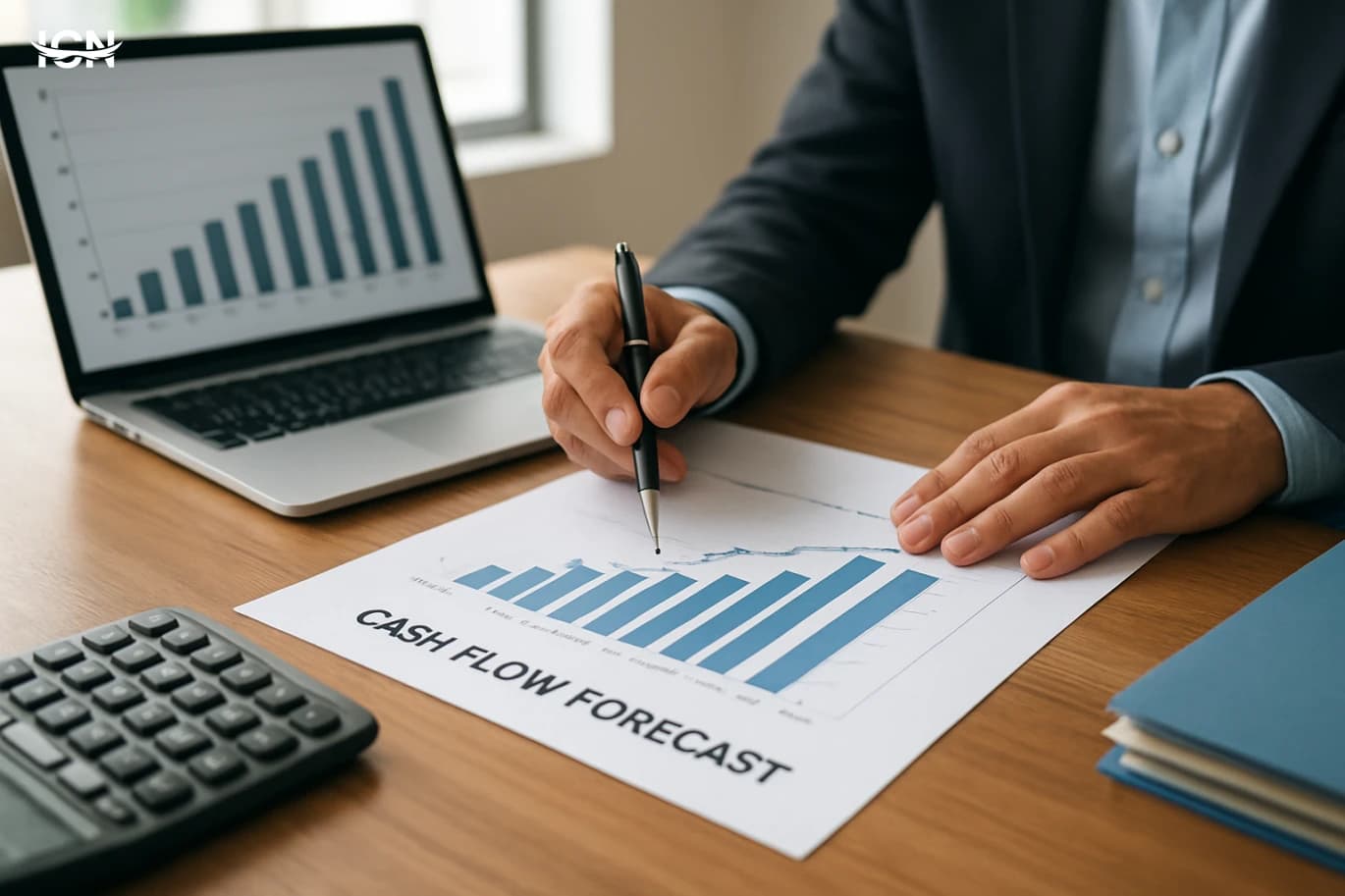
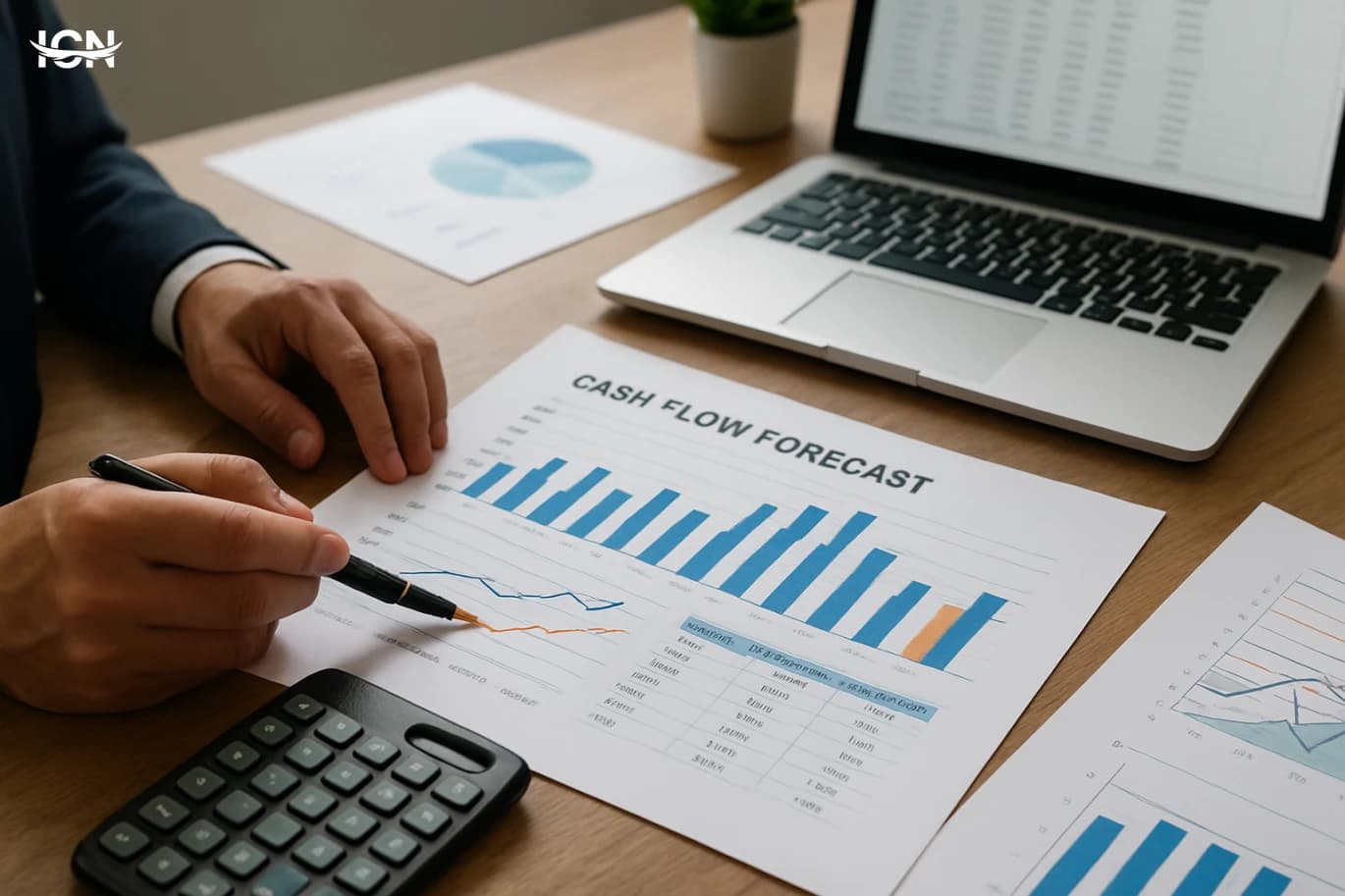
Many companies build cash flow forecasts that look precise but collapse when sales shift even slightly. The most common failure is treating the forecast like an accounting report instead of a decision tool. A forecast must reflect timing: when invoices are issued, when customers actually pay, and when suppliers must be paid. If you only project revenue and expenses by month without modeling collection delays, you can show “profit” while running out of cash. Another reason forecasts fail is mixing one-off items with recurring operations. A tax payment, annual insurance premium, or a large equipment deposit can distort a month and hide the underlying pattern. Forecasts also break when teams rely on a single sales number. Real pipelines have probabilities, seasonality, and customer concentration risk. A forecast that assumes every deal closes and pays on time is not a forecast; it is a hope statement. A practical forecast acknowledges uncertainty and builds ranges. It separates what is committed from what is possible, and it highlights the weeks where cash could turn negative. That visibility is what allows management to adjust purchasing, negotiate payment terms, or secure short-term funding before a crisis appears.
Cash Flow Forecasting That Actually Works
Many cash flow forecasts look precise on paper but break down in day-to-day operations. The most common failure is treating the forecast like an accounting report instead of a decision tool. Teams often start with last month’s numbers, apply a simple growth rate, and assume customer payments will arrive on schedule. In reality, payment behavior changes by client, by invoice size, and by season. Another frequent issue is mixing profit and cash. A business can show strong margins while cash is tied up in receivables, inventory, or prepaid expenses. Forecasts also fail when they ignore timing details such as payroll cycles, tax due dates, loan repayments, and supplier terms. Finally, ownership is unclear: finance builds the sheet, sales changes pricing, operations changes purchasing, and no one updates the forecast quickly enough. A working forecast has to reflect how money moves through the business, not how the P&L looks at month-end.
Cash Flow Forecasting That Actually Works
Many cash flow forecasts fail because they are built like annual budgets: static, optimistic, and disconnected from daily operations. Teams often copy last year’s spreadsheet, apply a growth percentage, and assume customers will pay on time. In reality, payment behavior changes by client, season, and invoice type, while expenses arrive in uneven waves such as payroll, tax installments, and supplier prepayments. Another common failure is mixing profit with cash. A business can show healthy margins while running out of cash due to slow collections, inventory buildup, or upfront project costs. Forecasts also break when they ignore timing details like bank processing days, card settlement delays, and the difference between invoice date and cash receipt date. The result is a document that looks precise but does not help decisions. A workable forecast is not a one-time report. It is a living tool that is updated frequently, tied to real invoices and bills, and designed to answer practical questions: Can we meet payroll? When do we need to draw on a credit line? Which customers or products are creating cash pressure? The goal is reliability, not perfection.
Cash Flow Forecasting for Growing Companies
Fast growth changes the timing of cash in and cash out, and many teams keep using a forecast template built for stable operations. The most common failure is treating revenue as cash: invoices may be issued, but collections can lag by 30, 60, or 90 days. At the same time, growth often forces earlier spending on inventory, hiring, software subscriptions, and marketing commitments that are paid immediately. A forecast that ignores these timing gaps can show “profit” while the bank balance declines. Another frequent issue is overconfidence in average assumptions. Using a single average collection period, a single payroll number, and a single marketing spend line hides volatility. One delayed customer payment or one unexpected tax installment can create a shortfall that the model never flagged. Forecasts also fail when they are not connected to operational drivers such as order volume, supplier lead times, or headcount plans. In growth phases, those drivers move weekly, so a monthly static forecast becomes outdated before the month ends.
Cash Flow Forecasting for Growing Companies
Many growing companies feel “profitable” on paper while still struggling to pay suppliers, payroll, or taxes on time. The gap usually comes from timing: revenue may be booked when an invoice is issued, but cash arrives weeks later, while expenses like wages and rent leave the bank immediately. Cash flow forecasting focuses on the bank balance and the dates money actually moves, which is why it is often a better early-warning system than profit-and-loss statements. A forecast helps leaders see whether next month’s expansion plans are affordable, whether a seasonal dip will create a shortfall, and how much working capital is truly needed. A serious forecast also improves decision quality. Instead of reacting to a low balance with last-minute borrowing, management can plan financing earlier, negotiate supplier terms, or adjust spending before the problem becomes urgent. It also reduces operational friction: teams can schedule inventory purchases, marketing campaigns, and hiring with a clear view of cash constraints. For investors and lenders, a company that can explain its cash drivers and timing looks more credible, because it demonstrates control over the mechanics of growth rather than relying on optimistic sales projections.
Freelance Success That Lasts
Freelance success starts with clarity about what you sell, who you serve, and why you are a better choice than alternatives. Instead of listing every skill you have, package one or two services into a clear offer with a specific outcome, timeline, and deliverables. For example, “landing page copy in five days with two revisions” is easier to buy than “writing services.” A focused niche also helps you price confidently because you can compare yourself to specialists, not generalists. Build a simple positioning statement you can repeat everywhere: the client type, the problem, and the result. Then validate it by reviewing job posts and client questions in your market. If you see repeated pain points, align your offer to solve them and use the same language clients use. This reduces sales friction and shortens negotiations. Over time, refine your niche based on profitability and repeat demand, not only personal preference.
Cash Flow Forecasting That Actually Works
Many cash flow forecasts fail because they are built like accounting reports rather than operational tools. Teams often start from the profit and loss statement and assume revenue timing matches cash timing, then get surprised by payment terms, partial shipments, returns, and delayed approvals. Another common issue is treating the forecast as a monthly exercise; in reality, cash pressure shows up weekly or even daily when payroll, rent, and supplier payments hit. Forecasts also break when ownership is unclear: finance builds a model, but sales, operations, and procurement do not update it with real pipeline changes, supplier delays, or inventory decisions. Finally, forecasts fail when they are too detailed in the wrong places. A model with hundreds of line items can look precise while hiding the few drivers that matter most, such as collection speed, inventory turns, and the timing of large vendor payments.
Cash Flow Forecasting for Seasonal Businesses
Seasonal revenue patterns can make a business look healthy on paper while it struggles to pay bills in the off-season. A beach café, a tax-prep firm, a landscaping company, or an online store tied to holiday demand can post strong annual sales and still face cash shortages in specific months. The core issue is timing: expenses such as rent, payroll, insurance, software subscriptions, and loan payments often stay steady while customer payments arrive in waves. Even when costs are variable, they rarely match revenue perfectly; inventory is purchased before the rush, marketing is paid upfront, and overtime hits before cash is collected. This mismatch creates common finance problems: late supplier payments, reliance on expensive short-term credit, missed early-payment discounts, and rushed decisions like cutting marketing right before peak season. Seasonality also distorts performance metrics. A single strong month can hide weak margins, and a single weak month can trigger unnecessary panic. The practical solution is not simply “save more,” but to build a forecasting process that turns seasonality into a planned cycle with clear cash targets, triggers, and contingency actions.
Cash Flow Forecasting for Growing Companies
In a growth phase, revenue can rise while cash becomes tighter. Hiring, inventory, marketing, and new locations often require upfront spending, while customer payments arrive later. A cash flow forecast turns that timing gap into a manageable plan by showing when money is expected to enter and leave the business. It helps leaders avoid last‑minute borrowing, missed payroll, and rushed cuts that damage operations. Forecasting is also a credibility tool. Lenders and investors increasingly ask for a forward view of liquidity, not just historical financial statements. A company that can explain its cash drivers—collections, supplier terms, seasonality, and planned investments—signals control and reduces perceived risk. Internally, the forecast creates a shared language between finance, sales, and operations, so growth decisions are made with clear tradeoffs rather than optimism alone.
Cash Flow Forecasting for Growing Companies
Fast growth changes the math of cash. A company can show rising sales and still run short because cash arrives later than bills come due. Forecasts often fail when they rely on last quarter’s averages while the business is adding new customers, new products, or new regions. Payment terms shift, discounting increases to win deals, and customer support costs rise before revenue is collected. Another common failure is treating cash flow as a finance-only exercise. Sales teams may promise custom billing schedules, operations may place larger inventory orders, and hiring may accelerate, all without being reflected in the forecast until the bank balance drops. A serious forecast starts by acknowledging that growth introduces timing risk, not just volume. It must capture when cash is expected to move, not only how much revenue is booked. It also needs clear ownership: who updates assumptions, who approves changes, and how quickly the model is refreshed when reality deviates from plan. A practical way to diagnose forecast weakness is to compare three timelines: contract signing, invoicing, and cash collection. In many growing companies these are weeks apart, and the gaps widen as deal sizes increase. If the forecast uses “revenue” as a proxy for “cash,” it will systematically overstate liquidity. The same issue appears on the cost side when expenses are recorded when incurred but paid earlier or later. Payroll, taxes, and supplier prepayments can create sudden outflows that a simplistic model misses. The goal of this section’s topic is to frame cash forecasting as an operational discipline that must evolve as the company scales.
Cash Flow Forecasting for Growing Companies
Fast growth changes the timing of money more than it changes revenue. Many teams build forecasts by extending last quarter’s averages, then get surprised when cash tightens even as sales rise. The common failure is ignoring working capital mechanics: inventory purchased weeks before it sells, payroll paid before invoices are collected, and taxes due on profits that have not yet turned into cash. Another frequent issue is mixing “booked revenue” with “cash received,” especially when sales are on net-30 or net-60 terms. A forecast that does not separate these streams becomes a report of optimism rather than a tool for decisions. Forecasts also fail when they are built once a month and treated as a static document. In a growing company, a single delayed customer payment, a supplier changing terms, or a hiring wave can shift the cash runway quickly. If the model is not updated weekly, leaders end up reacting late, using expensive short-term financing or freezing spending abruptly. A reliable forecast is less about perfect prediction and more about disciplined updates, clear assumptions, and early warning signals that management can act on.
Cash Flow Forecasting for Growing Companies
Many growing companies assume revenue growth automatically improves liquidity, but the opposite often happens. When sales rise, working capital needs usually rise too: more inventory, higher payroll, larger marketing commitments, and longer accounts receivable balances. Forecasts fail when teams rely on a simple “last month plus growth” model and ignore timing. A contract signed today may not turn into cash for 45–90 days, while suppliers and payroll must be paid weekly or monthly. Another common failure is mixing profit and cash. A company can be profitable on paper while running out of cash because revenue is booked before payment arrives, or because large non-cash expenses distort the picture. Forecasts also break when they are owned by one person in finance and not connected to operational decisions. If sales offers extended payment terms without informing finance, or procurement changes supplier terms without updating the model, the forecast becomes a historical report rather than a planning tool. Fast growth adds volatility: customer concentration, seasonality, and one-off projects can swing cash by large amounts. A useful forecast must be designed to handle these swings, not smooth them away. The goal is not perfect prediction; it is early warning and decision support so leadership can act before cash constraints force rushed borrowing or delayed payments.
By clicking the SUBSCRIBE button, you are agreeing to our Privacy & Cookie Policy If you want to unsubsribe the marketing email, please proceed to our privacy center.
© 2005-2026 ICN. All Rights Reserved.