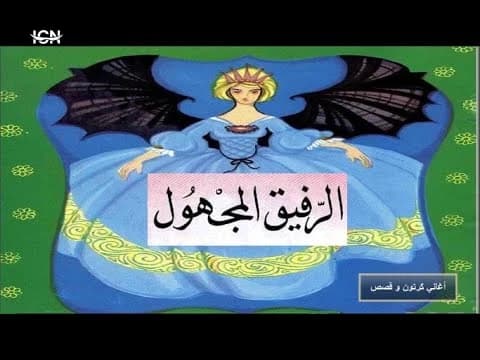
The story of the little beetle

- The Adventures of Lily the Little Ladybug: Kindness and Giving in the Forest
- The profound moral lessons presented by the story of the beetle
- Lily's Character: A Role Model in Children's Tales
- Leila's Adventure: The Kind Ladybug and Helping Others
- Moral and Educational Lessons in Beetle Tales
- Little Ladybug Characters and the Impact of Translated Stories
- Publishers and contributors enriching the beetle tales
- The beetle in popular literature and Arab heritage
- The impact of beetle stories on children and the values acquired
- Detailed questions and answers about the story of the little beetle
The Adventures of Lily the Little Ladybug: Kindness and Giving in the Forest
The adventure of the little beetle in the forest reinforces human values in children, showing them that helping others is an essential part of social life.
The profound moral lessons presented by the story of the beetle
These moral stories directly promote human values, the necessity of doing good deeds, and solidarity. This is the essence of the moral lessons in the story of the little beetle.
Lily's Character: A Role Model in Children's Tales
Some stories also talk about Lara the yellow beetle, whose character develops with the help of Lily. These tales, whether they are audio stories or illustrated, significantly contribute to the child's mental development. Reading these stories to children, whether in the form of read-aloud tales or animated stories, embeds the concept of the importance of giving in their minds.
Leila's Adventure: The Kind Ladybug and Helping Others
There lives a small beetle named Lily the beetle. Lily wasn't like other beetles; she was a unique example. Known for her kindness and her love for helping all animals, she instilled the concept of a good role model in children. This aspect of Lily's character enhances the basic moral lessons in these tales. Lily and the Worm: The First Good Deed and Moral Lessons, the stories focusing on the adventures of the little beetle in the forest, highlighted her positive interaction with her environment, which is the essence of educational stories. One day, as Lily was wandering, she saw a little worm. The worm was trying hard to climb onto a high leaf but couldn't reach it, needing help. In short, Lily quickly and gently asked if it needed help. Without hesitation, Lily stretched out her little limbs and helped the worm reach its goal safely, marking her first good deed. This simple act reinforces the concept of helping those in need and the importance of giving among children directly, which is the core of the little beetle's story. Lily's Character: The Good Role Model and the Importance of Kindness Lily's help didn't stop with the worm but extended to many animals, including the mouse, emphasizing the importance of solidarity among different creatures. Stories like 'The Beetle and the Mouse Story' highlight the importance of kindness, where Lily, the smallest of creatures, initiates goodwill. These visual and audio stories, presented by channels like 'Story and Picture' on YouTube, cater to children's mental development and offer profound moral lessons. The focus on Lily's character, who was different from her peers in her concern for helping others, helps build values of humility and goodness. Critics in the field of Arabic children's literature say: 'Lily's character contributes to building the value of a good role model, where children learn that kindness and giving are the foundation of proper social interaction.' Lily the beetle has become a symbol of goodness in the forest, being one of the most beautiful bedtime stories for children. Small and weak animals turned to her when they needed advice or help, confirming that the importance of kindness is not limited to the strong. This confirms that the importance of kindness can come from the smallest creatures, reinforcing the idea that the story teaches children that humility and goodness benefit those who do it. These translated tales, which sometimes include characters like Lara the Yellow Beetle, are a valuable source for enhancing children's human values.
Moral and Educational Lessons in Beetle Tales
Comparing Core Values: Lessons Learned Table We can summarize the moral lessons from this short story, and how these concepts directly impact the mental development of the child, especially when used as part of storytelling in children's story channels. The moral value The application in the story (Lili’s character) Impact on the child’s mental development Kindness and giving Helping the worm and the mouse in the forest. Building empathy and caring for others. Humility Doing good deeds without boasting. Avoiding arrogance and appreciating true self-worth. Positivity and assistance Lili was always keen to make others happy. Promoting positive and social behavior. These values are the essence of educational stories that publishers like 'Dar Al-Ayyam' or initiatives like 'DADD-INITIATIVE e.V.' aim to present in the form of audio stories and reading stories. As a parent or educator, you can use the story of Lili the ladybird as an effective tool to teach your child these noble values, making you part of the process of building his personality and developing his awareness.
Little Ladybug Characters and the Impact of Translated Stories
As mentioned, the character of Lily the Ladybug and her personal background are characterized by kindness and generosity. Lily was a different ladybug from her friends, focusing her energy on helping others rather than on appearance or competition, making her a model for good behavior. She becomes ingrained in a child's mind as a role model in kindness and doing good, reinforcing the concept of moral stories. Lily's adventures in the forest and the moral lessons focus on Lily's adventures in the forest and how she helps other animals and interacts positively with her environment. These educational stories teach children the importance of kindness, giving, and humility, as Lily helps small animals and learns that good deeds benefit the doer. These illustrated stories help instill noble human values, such as the importance of helping others and doing good deeds. Lara the Yellow Ladybug and Self-Discovery Another famous story is about Lara the Yellow Ladybug, which is a valuable addition to the collection of meaningful translated stories for children. It addresses Lara's attempt to find her place in a world dominated by the color red, reflecting challenges of identity and acceptance of difference in children's stories. Lara's story helps children discover themselves and embrace differences. This type of illustrated story addresses issues of identity in a simple and enjoyable manner, often presented through storytelling platforms like 'Story and Image' or 'YouTube' channels as audio stories. Ladybug stories, whether short or illustrated, are an excellent source of translated literature focusing on positive values.
Publishers and contributors enriching the beetle tales
The DADD-INITIATIVE e.V., for instance, published the story of Lara the Yellow Ladybug, an important addition to the collection of Arabic tales aimed at children. The moral lessons spread by the contributors aim to ensure that every publisher and contributor makes certain that the stories about the little ladybug, whether about Lily or Lara, instill important moral lessons. These tales focus on the adventures of the little ladybug Lily in the forest, known for her kindness and help to animals, reinforcing the idea of positivity and the importance of kindness. Lily, the gentle ladybug who stands out from her friends, always focuses on helping others, teaching children the importance of giving and humility, and that goodness benefits those who practice it. This type of purposeful story effectively contributes to fostering values of goodness and generosity in children. The team behind the translated stories highlights the authors and illustrators who enriched this field and made these tales accessible. The story of Lara the Yellow Ladybug is authored by Catherine Holtzhausen and Martha Evans, prominent names in children's literature. Heba Hussein skillfully performed the voice narration, making it one of the best audio stories to rely on for proper listening. Names like Ibrahim Bashmi and Shaheen Mirage also appear in different contexts for the story of the ladybug, indicating the richness of this topic in Arab culture and the interest of publishers in providing high-quality illustrated stories. These contributors ensure that each new ladybug story offers educational and pedagogical value, making it your optimal choice among children's stories.
The beetle in popular literature and Arab heritage
Lily the Little Beetle: An Extension of Stories of Giving Modern stories, such as the story of Lily the Beetle, did not arise from a vacuum. Rather, it is an extension of the values that Arab heritage has instilled in children over generations. The focus on the good-hearted and helpful beetle character is the essence of this series of educational stories. The Little Beetle's Adventure in the Forest and the Moral Lessons The Little Beetle's adventure in the forest focuses on Lily's positive interaction with her environment. Lily the Beetle is known for her kindness and assistance to others, whether it's her friend the worm, the mouse, or any small animal facing a problem. These illustrated stories teach children the importance of kindness, giving, and humility. When you read the story of Lily the Beetle to your child, you emphasize that good deeds benefit the doer, enhancing noble human values. The stories indicated that Lily was a beetle different from her friends, and being known for traits of goodness and giving, she presents a model of a good role. These moral stories encourage your child to think positively and practice good deeds. The Importance of Preserving Folk Tales It is important to connect modern stories that focus on the importance of helping others with ancient heritage stories. This connection ensures a deeper understanding of our heritage. Folk tales, despite their simplicity, instill social principles and values such as goodness, sacrifice, and respect for parents. When you present these tales to your child, you are not just offering bedtime stories, but granting them a comprehensive understanding of history and inherited values. Enriching your child's library with illustrated stories about the little beetle and her values ensures a strong grasp of the importance of giving and kindness in daily life.
The impact of beetle stories on children and the values acquired
2. Adventures in the forest and helping others Most versions of the 'Beetle Story' involve the adventures of the little beetle Lily in the forest. These stories include her interactions with her environment and her assistance to other animals, like the worm and the mouse, that need help. This type of children's story focuses on the importance of helping others and solidarity among creatures, one of the most important moral lessons. The story reinforces the idea that the beetle was known for her kindness and assistance to others, promoting positivity and the value of doing good. 3. Moral lessons and human values Purposeful stories are an investment in your child's future character. The story of Lily the beetle teaches children the importance of kindness, humility, and giving, emphasizing that good deeds bring benefits to the doer. This content contributes to strengthening human values. You should always choose stories that offer clear moral lessons appropriate to the child's age to instill the concept of the importance of kindness. 4. Illustrated stories and educational media (storytelling) Relying on illustrated stories and oral storytelling makes learning and early reading easier for children. When the story is told with an expressive voice, as narrator Heba Hussein did in some versions, it sticks better in the child’s memory and greatly enhances their listening skills. These educational media, whether short tales or translated stories, ensure that the story is delivered in the best possible way to reinforce the concept of good deeds.