The story of the false shepherd Every day is a bedtime story
- Introduction to the story and its importance
- The personality of the shepherd and the surrounding environment
- Main story events
- Lessons and lessons from the story
- Children's reactions and their benefit from the story
Introduction to the story and its importance
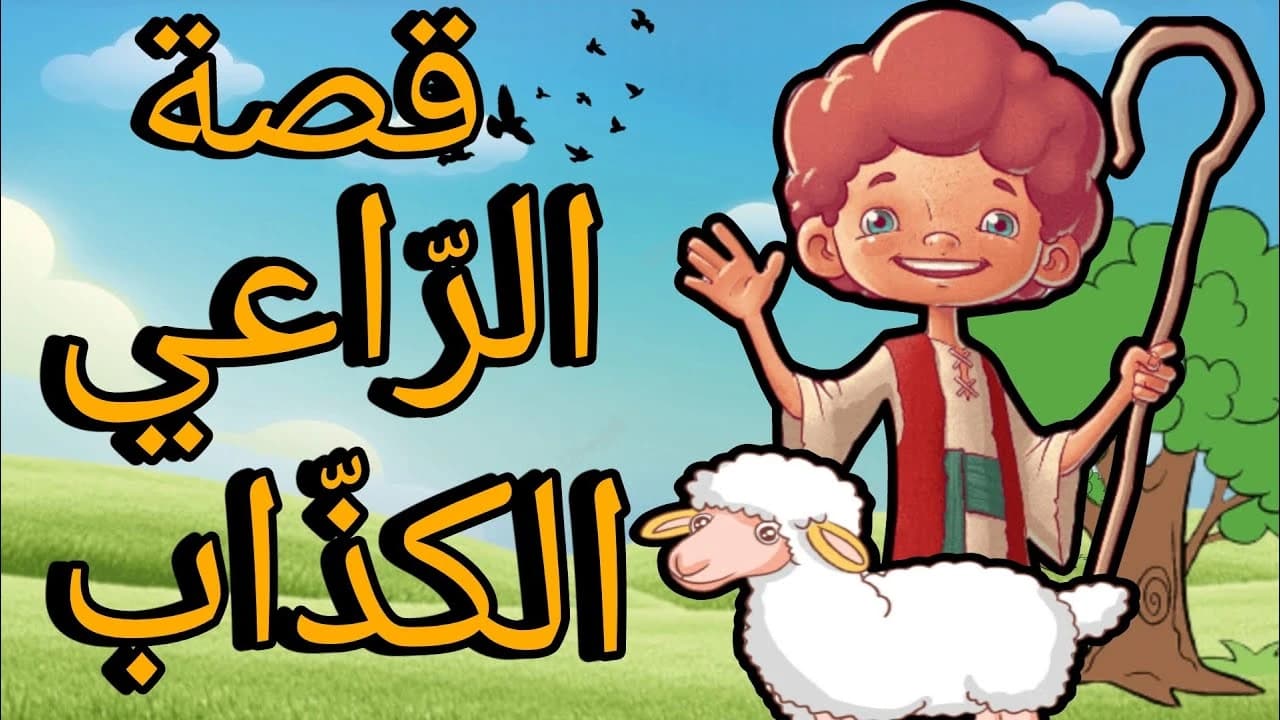
A. The Importance of Bedtime Stories in Child Development Bedtime stories play a vital role in a child's development, as they expand their imagination and enhance their language skills. Stories help children understand and interact with the world around them, enhancing their self-confidence and ability to express themselves. for. Overview of the Story of the False Shepherd The story of the False Shepherd is about a child watching a flock of sheep and feeling bored. To have some fun, he decided to shout that a wolf had appeared. This action causes a loss of trust between him and the villagers, and he may suffer the consequences when the wolf actually appears.
The personality of the shepherd and the surrounding environment
A. Characteristics of the shepherd and his role in the story The shepherd in the story is characterized by childhood characteristics, as he is characterized by curiosity and a desire for adventure. However, he is characterized by immaturity, which causes him to ignore the consequences of his actions. He aims to amuse himself, but messes with the trust placed in him by the villagers, leading to disastrous consequences. for. The place and time in which the events take place. The events of the story take place in a small village surrounded by nature, where the shepherd is required to watch over his flock of sheep. The time is not specified, but it suggests a traditional era, which highlights the customs and traditions of the village community. This environment enhances the impact of the shepherd's actions on the daily life of the village and its people.
Main story events
A. The Beginning of the First Lie The lie begins when the shepherd gets bored and decides to make a false appeal to the power of the wolf. He thinks he can just have fun without any consequences, but he doesn't realize that his actions will lead to a loss of confidence. for. Developments of events and reactions When the villagers hear his cries, they rush to help him, but they discover that he was deceiving them. The villagers feel frustrated and disappointed, and break up with him. As time passes, the consequences of his actions increase, and he becomes lonely as no one believes his pleas. This prompts him to think about his actions and their impact on society.
Lessons and lessons from the story
A. The importance of honesty and the harms of lying. In this story, it becomes clear that lying may lead to serious repercussions. A man who resorted to lying for fun ended up losing trust from others. This shows how reckless actions can have long-lasting consequences that affect relationships. for. The value of trust and honesty in society Societies depend on mutual trust between individuals. When this trust is lost, everyone becomes vulnerable to isolation. The villager who lied will later understand the importance of honesty and true communication. This calls us to think about the impact our actions can have on those around us and how important honesty is in building a healthy society.
Children's reactions and their benefit from the story
A. How to convey the message to children: The story has the ability to convey a powerful message to children in simple and fun ways. By using characters close to their reality, the story is able to capture their interest and make it easier for them to understand the value of honesty and the importance of trust. The lessons in the story can be used as tools to enhance good qualities in children. for. The effect of the story on children's behavior After listening to this story, a noticeable change appears in children's behavior. Teachers and parents noticed that children became more eager to tell the truth and avoid lying. Their discussions about core values in life have also increased, which promotes positive character development and helps shape a more honest and cohesive society.