The Sleeping Beauty
- The origins of the tale and its literary history
- Summary of the Sleeping Beauty Story: From the Curse to the Kiss of Love
- Sleeping Beauty in the Era of Animation
- Lessons Learned from the Tale of the Sleeping Beauty
- Sleeping Beauty Around the World: Comparisons and Other Versions
- Why does the story of Sleeping Beauty remain an enduring icon in children's tales?
- Frequently Asked Questions about Sleeping Beauty (FAQ)
The origins of the tale and its literary history
The most famous version we know today comes from the famous French writer Charles Perrault. Perrault published his story in 1697 in a collection titled 'Tales of Past Times,' released by Claude Barbin. This collection marked a turning point in children's literature and established Sleeping Beauty as one of the most important princess stories. In Perrault's tales, we find the classic elements that remain beloved, such as the royal palace and the long sleep imposed by the curse of the evil fairy. This version presented the image of the king and queen who waited a long time for the princess before the evil witch stopped time in the entire kingdom. Despite Perrault's great influence, he wasn't the only one who wrote about this sleeping princess. The Grimm brothers later introduced their own version, adding new layers of detail to the literary narrative of this fairy tale. Yet, Charles Perrault's version remains closest to the adaptations used by production studios to create successful animated films globally. The story of Sleeping Beauty, like Cinderella, Snow White, and Rapunzel, establishes its place as one of the key children's classics that should be a 'Treasure Key' for every story collection.
Summary of the Sleeping Beauty Story: From the Curse to the Kiss of Love
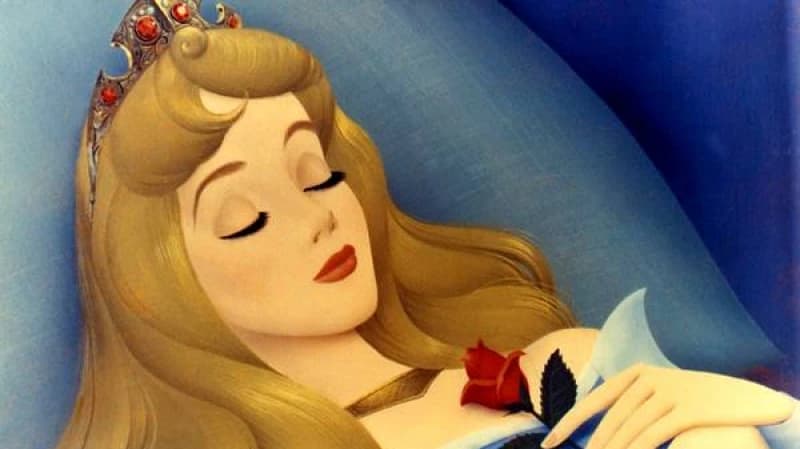
Fortunately, a benevolent fairy intervened to alleviate the curse. Instead of dying, the princess would wake with a kiss from a brave prince, symbolizing the triumph of good over evil. Despite the king's attempts to prevent any spindle from entering the kingdom, the curse eventually materialized. The princess fell into slumber, along with everyone in the royal palace, from the queen to the servants and animals. The story of Sleeping Beauty embodies the struggle between good and evil, with the long sleep representing a period of waiting for hope that comes with true love. 2. Modern Additions: Treasure Key and Modern Animation In the modern era, especially in children's stories popular on platforms like YouTube, new elements have been added to engage the target audience. Some stories, such as those presented by Adisebaba Animation, focus on the concept of a treasure key or treasure room. In these versions, the black fairy attempts to seize the kingdom and enter the treasure room after turning the king and queen into statues. This focus on the key adds an intriguing element suitable for contemporary animated audiences and bedtime stories. These additions help classify the story among timeless tales that need continuous updating to attract children, just as with the stories of Rapunzel and The Princess and the Pea. 3. The Triumph of True Love After a hundred years, the brave prince arrives. The prince overcomes the thorns surrounding the palace, which were protecting the sleeping beauty from intruders. He is a symbol of undying hope. Sleeping Beauty awoke with the kiss of true love, and the entire royal palace came back to life. This happy ending is the reason it continues to be classified as one of the best classic children's stories and princess tales in both the Arab and Western worlds.
Sleeping Beauty in the Era of Animation
Today, it is easily found in printed children's storybooks or platforms like YouTube, where it is widely circulated as a bedtime story. This wide spread confirms its status as one of the most enduring children's tales that parents continuously request. Comparing Sleeping Beauty with her fellow princess stories, Sleeping Beauty tops the list alongside famous characters such as Cinderella and Snow White. However, it is important to note that each princess has her challenges and unique story that distinguishes her from others. While Sleeping Beauty resembles Snow White with the element of slumber due to evil magic, it is fundamentally different from Rapunzel, who seeks freedom from her tower, or Cinderella, who suffers injustice in the royal palace. Here is a table illustrating the fundamental differences between Sleeping Beauty and some other children's stories in the princess tales category: Story Main Problem Duration of Crisis Magical Element Rescuer Sleeping Beauty The curse of the dark fairy (spindle prick) One hundred years of sleep Slumber and collective enchantment of the royal palace The prince with a kiss of true love Snow White The apple poison from the evil queen Relatively short (temporary slumber) Transformation and poison The prince with a kiss of love Cinderella The stepmother's oppression and deprivation Temporary (ball night) The fairy godmother's magical transformation The prince (by the shoe) Rapunzel Imprisonment in the tower by the witch Long years of isolation The power of magical hair The prince (through patience and adventure)
Lessons Learned from the Tale of the Sleeping Beauty
This lesson teaches children that hope must not die, even in the darkest and most difficult circumstances. The love between the king and queen for their daughter is the driving force behind all their desperate attempts to protect the princess. This value is commonly found in many other fairy tales like Cinderella and Beauty and the Beast. 2. Beware of anger and the evil of the Black Fairy The character of the Black Fairy embodies the consequences of anger and envy. Excluding the fairy and not inviting her to the royal palace led to disaster for the entire kingdom. This offers a powerful lesson on the importance of inclusion and avoiding hurting or underestimating others. It also highlights how anger can lead to evil and destructive actions, a recurring theme in children's stories. 3. The importance of patience and perseverance The prince's wait for a hundred years to reach the sleeping beauty symbolizes the value of patience and perseverance that children should embody. The prince faced many challenges to reach the castle, but he was determined to end the curse cast by the evil fairy. These values make Sleeping Beauty, as documented by Charles Perrault in France, one of the most important children's classics told alongside stories like Snow White and Rapunzel.
Sleeping Beauty Around the World: Comparisons and Other Versions
The success of the Sleeping Beauty story laid the foundation for the spread of other princess stories that became essential children's classics told before bedtime. This collection of princess stories shares a strong dramatic structure, addressing overcoming difficulties with the help of true love or liberation from the grip of the Evil Fairy or witch. This success is repeated with stories like Cinderella, Snow White, and Rapunzel. Each of these princesses finds herself a victim of envy or a curse, waiting for salvation that usually comes at the hands of a brave prince. We also find other stories like Beauty and the Beast and The Frog Prince, all of which emphasize the idea of transformation and overcoming external appearances, making them all an integral part of bedtime stories. These stories are not just fairy tales; they are open Treasure Rooms offering children models of challenge and hope, affirming that love is always the force that opens closed doors in animated films and real life.
Why does the story of Sleeping Beauty remain an enduring icon in children's tales?
The secret of this tale's immortality lies in the compelling dramatic conflict surrounding the king and queen, and the harsh curse cast by the evil witch or dark fairy. This tension is what engraves the story into the memory of generations. It teaches us that evil is temporary, and true love always holds the key to breaking the century-long sleep in the royal palace. In modern times, Sleeping Beauty has maintained its enormous popularity through its adoption in modern media. Whether you watch it in colorful cartoon films or listen to it in animated features for children, its impact remains profound. It stands proudly alongside other classics like Cinderella and Snow White, proving that a good story doesn’t need to change fundamentally to stay relevant. In conclusion, whether read in Arabic fairy tale versions or watched in Western adaptations, the Sleeping Beauty story confirms that believing in goodness is the most powerful magic of all.
Frequently Asked Questions about Sleeping Beauty (FAQ)
This story is among the most prominent timeless children's tales passed down through generations as a bedtime story. Who is the dark fairy in the story of Sleeping Beauty? The dark fairy is the main villain, also known as the evil witch or "Maleficent" in some modern animated versions. She cast the curse on the princess due to her exclusion from the baptism ceremony. Her role is essential in creating the challenge faced by the king, queen, and the whole kingdom, and she represents absolute evil in this classic story, similar to the villains in Snow White and Rapunzel tales. How many years did the Sleeping Beauty sleep? In the most famous version documented by writer Charles Perrault, the princess slept for a full hundred years. This century-long sleep was part of the curse cast by the dark fairy. During this time, thorns covered the entire royal palace, making it a secret hideaway distant from the eyes of the kingdom, until the prince came to end this fairy tale. What is the main moral value of the story of Sleeping Beauty? The moral value revolves around the triumph of true love and hope over the forces of evil and despair, a common message in many princess stories like Cinderella and Snow White. The story also highlights the importance of caution against anger and being kind to everyone, even uninvited fairies or witches, to avoid disastrous magical consequences for the entire kingdom. This value is the "key to the treasure" that keeps the story captivating for children worldwide.