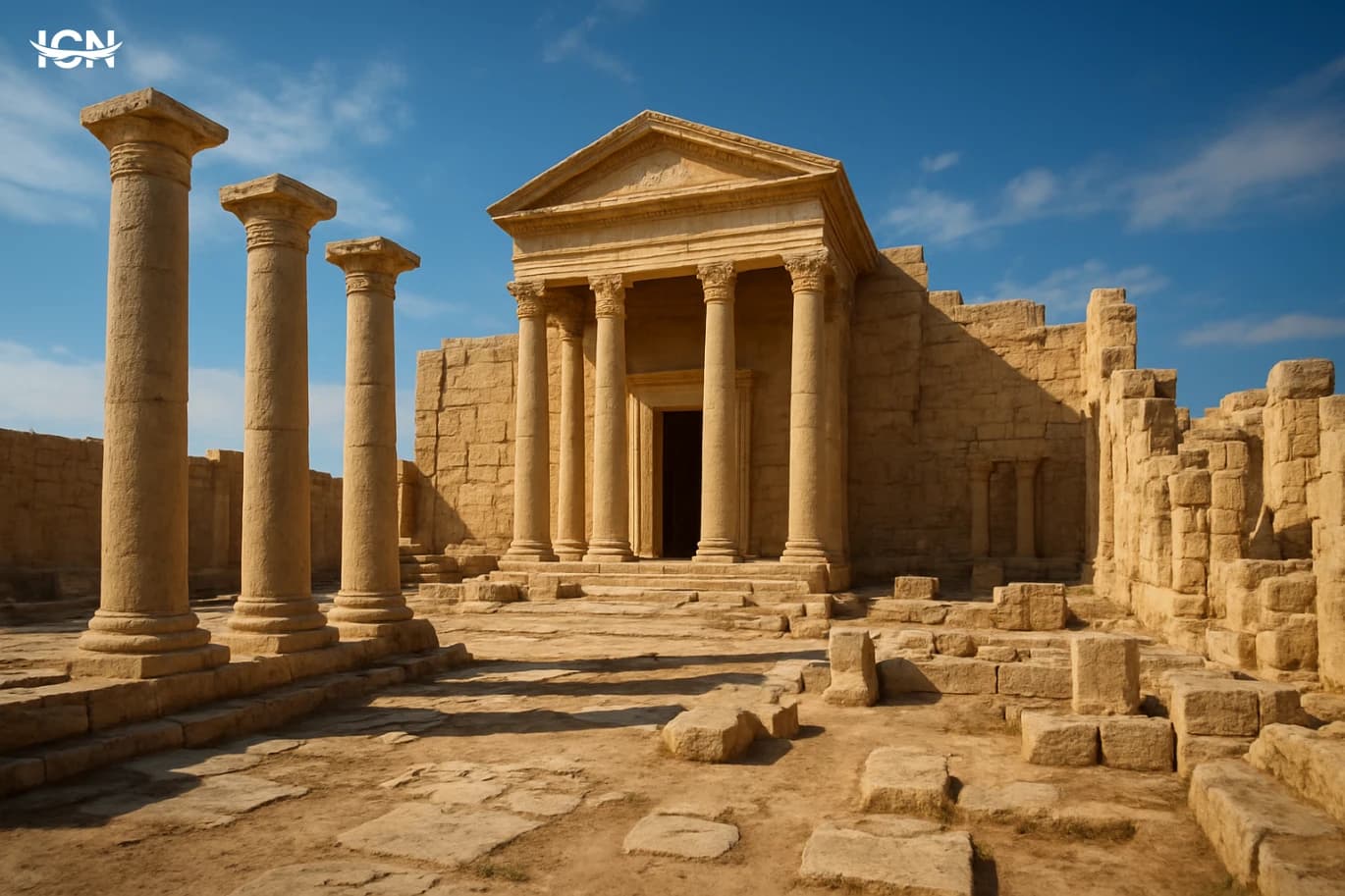
The Epic of Gilgamesh
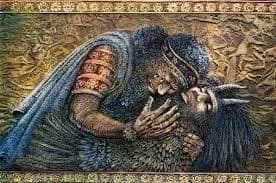
epic hero
The Epic of Gilgamesh is the oldest known mythological literary text in human history. It was written on clay tablets in cuneiform script in the Mesopotamian civilization (Sumerian, Babylonian, and later Assyrian). It dates back to approximately 2100–1800 BC. The Hero of the Epic: Gilgamesh: The king of the Sumerian city of Uruk, half-god, half-human. He was known for his great power, but was tyrannical and oppressive at the beginning of his reign. The epic explores the meaning of life and death, particularly Gilgamesh's journey in search of immortality after the loss of his friend. Main Events of the Epic: Gilgamesh's Tyranny: The people of Uruk complained to the gods about his injustice. The Creation of Enkidu: The goddess of creation, Aruru, created Enkidu, a strong man who lived among the animals, to be Gilgamesh's equal. The Friendship of Gilgamesh and Enkidu: After a violent conflict between them, they became close friends. The Adventure Journey: Together, they embark on heroic adventures, such as killing the monster Humbaba, guardian of the Cedar Forest, and killing the Bull of Heaven sent by the goddess Ishtar. Enkidu's Death: The gods punished him with death for his disobedience, leaving Gilgamesh deeply saddened and vulnerable in the face of annihilation. The Quest for Immortality: Gilgamesh travels to meet Utnapishtim (the biblical counterpart of Noah), who survived the Great Flood and was granted immortality by the gods. The Loss of the Plant of Immortality: Utnapishtim shows him a plant that restores youth, but a snake steals it while he is bathing. The Return to Uruk: Gilgamesh returns, realizing that immortality is not for humans, and that true glory lies in building civilization and leaving a legacy. The Epic's Symbolism: Friendship: Gilgamesh and Enkidu's relationship embodies human strength. Death and Immortality: The epic explores human anxiety in the face of death and the meaning of immortality (spiritual/legacy, not physical). Heroism: Reflects the values of courage and adventure. Importance of the Epic: It is considered the first epic literary work in history. It later inspired religious and literary texts, such as the story of the Flood in the Bible. The epic reveals the philosophical and existential thought of ancient man.