Syphilis: Understanding the Disease

- Introduction to Syphilis
- Transmission and Risk Factors
- Symptoms and Stages
- Diagnosis and Testing
- Treatment and Prevention
- Global Impact and Public Health
Introduction to Syphilis
Syphilis is a sexually transmitted infection caused by the bacterium Treponema pallidum. The disease has been known for centuries and has affected millions worldwide. Despite being easily treatable with antibiotics, it remains a major public health challenge due to factors like social stigma and lack of awareness. Understanding its symptoms, transmission, and treatment options is crucial for prevention and early intervention.
Transmission and Risk Factors
Syphilis is primarily spread through sexual contact. It can also be transmitted from an infected mother to her baby during pregnancy or childbirth, leading to congenital syphilis. Factors such as unprotected sex, multiple sexual partners, and existing sexually transmitted infections (STIs) increase the risk of contracting syphilis. Awareness and regular screening are vital in high-risk populations to prevent the spread.
Symptoms and Stages
Syphilis progresses through distinct stages, each with its own symptoms. It starts with a painless sore (chancre) at the site of infection, usually in the genital area, rectum, or mouth. If untreated, it progresses to a secondary stage characterized by skin rashes and mucous membrane lesions. Late-stage syphilis can result in severe health complications affecting the heart, brain, and other organs. Recognizing symptoms early is crucial for effective treatment.
Diagnosis and Testing
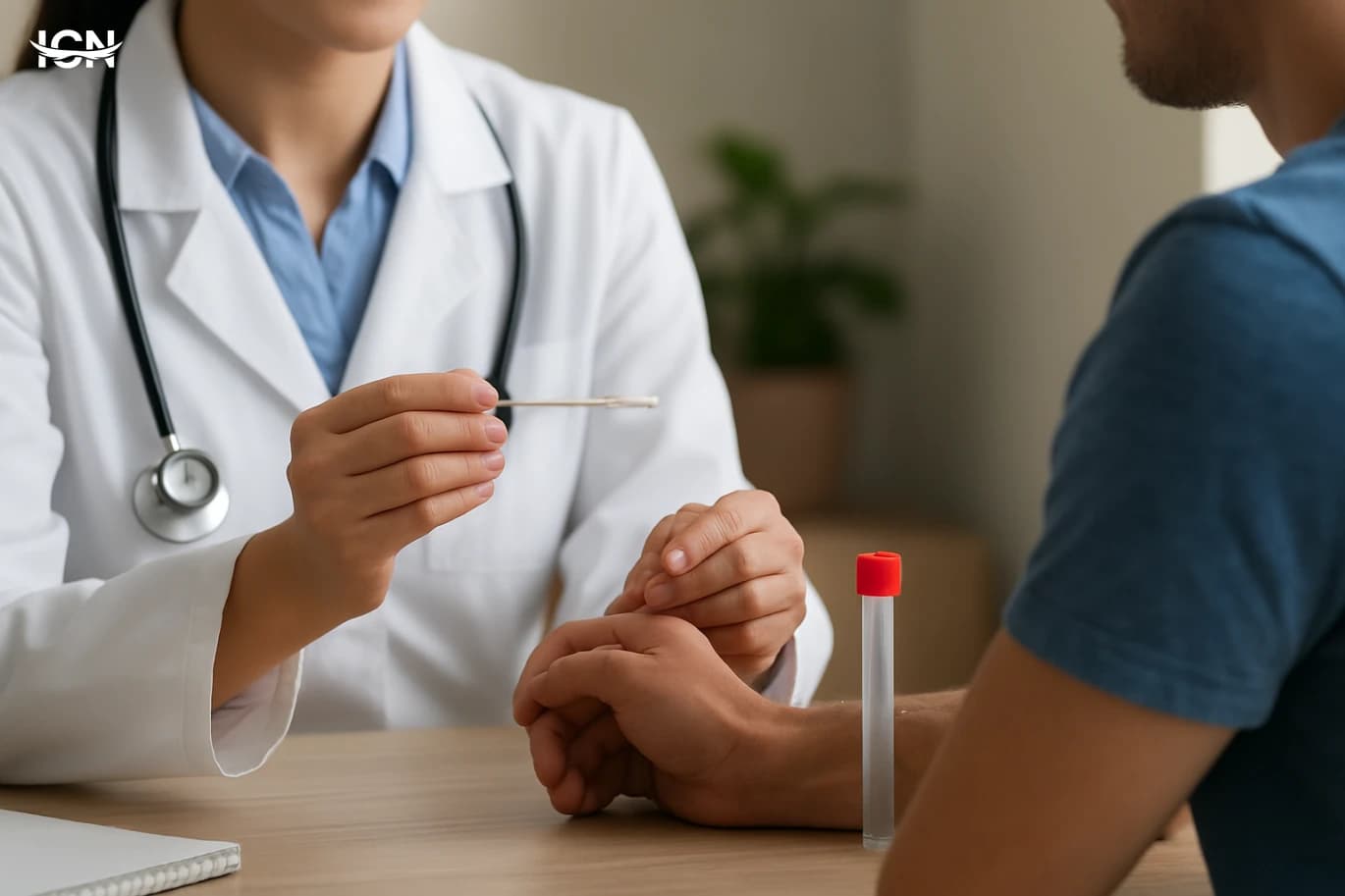
Diagnosing syphilis involves blood tests such as the RPR (Rapid Plasma Reagin) or VDRL (Venereal Disease Research Laboratory) tests, which detect antibodies produced in response to the infection. Confirmatory tests include the FTA-ABS (Fluorescent Treponemal Antibody Absorption) test. Early and accurate diagnosis is important for treatment and preventing further transmission. Regular medical check-ups and STI screenings are recommended for sexually active individuals.
Treatment and Prevention
Penicillin remains the most effective treatment for syphilis, particularly in its early stages. For individuals allergic to penicillin, alternative antibiotics may be used. Adhering to the complete treatment course is essential to ensure the infection is fully eradicated. Preventive measures include practicing safe sex, using condoms, and limiting the number of sexual partners. Education and public health campaigns play a key role in increasing awareness and reducing stigma associated with the disease.
Global Impact and Public Health
Syphilis remains a significant global health concern, particularly in developing countries where healthcare access may be limited. International organizations like the World Health Organization (WHO) work toward reducing the incidence and prevalence of syphilis through targeted initiatives. Public health strategies focusing on education, screening, and treatment have shown promise in controlling the spread of syphilis. Collaborative efforts among governments, healthcare providers, and communities are essential to effectively tackle this public health challenge.