App Logo

Download Our App

Shop your way

logologo
Image

Sami and the Bean Seeds

01/13/2026By: ICN
Sami and the Bean Seeds

Sami's Journey: From Humble Cottage to Climbing the Giant Beanstalk

The mother sent Sami to the market to finalize the sale of the cow and receive its price. On the way, Sami met the mysterious old man who altered the course of the classic tale. The old man offered Sami a strange deal: to trade the cow for a handful of Magical Beans. The old man's promises of these seeds being able to reach the sky tempted Sami, so he agreed to the deal and returned to the humble cottage. This seemingly reckless deal was the true spark for the Beanstalk adventure. The mother's anger and the emergence of the giant beanstalk: When the mother discovered that Sami had exchanged their most precious possession for beans she deemed worthless, her anger flared. She threw the beans out the window violently and punished Sami for his recklessness in the cow deal. Sami went to bed upset, but the morning brought a surprising revelation that completely changed this children's story. Sami discovered that the beans had grown overnight into a Giant Beanstalk, with branches stretching powerfully beyond the clouds and skies. Here begins the most important part of Sami's story, as he decides to climb the giant beanstalk to discover what lies above, heading towards the giant's castle. Magical beans represent the unconventional opportunity that may seem ridiculous at first but holds tremendous potential to change life and escape the severe poverty.

Climbing the Giant Beanstalk: The Beginning of Sami's Adventure

Her kind heart led her to hide him and offer him food, highlighting her pivotal role as a mediator between the human world and the frightening world of giants in Sami's story. The giant's appearance and his famous phrase: acquiring wealth, the giant returned to the castle, and he was huge and terrifying. At that moment, Sami heard the giant repeating his famous phrase indicating the smell of humans: the giant was known for his phrase: 'Fee-Fi-Fo-Fum, I smell the blood of an Englishman.' Sami witnessed the treasures the giant possessed, which represented the acquisition of wealth as compensation for the extreme poverty that Sami and his mother lived in, in their humble cottage before the cow selling deal. The three treasures: the great spoils from the giant's castle in the beanstalk ascent adventure, Sami made three consecutive visits wisely, and each time he stole a precious treasure from the giant: The first visit: a bag of gold coins that provides the necessary money for Sami and his mother. The second visit: the goose that lays gold, a constant source of wealth. The third visit: the magical golden harp, which represents artistic and aesthetic value. These great spoils highlight Sami's intelligence and courage in the beanstalk adventure, achieving the concept of wealth acquisition through adventure and wisdom, making this fairy tale one of the most famous children's stories.

The Decisive Showdown: How Did Sami Defeat the Giant?

Sami showed extraordinary courage by cutting down the giant beanstalk with strength and focus. The giant fell from a great height, ending his wicked adventure forever. This was the giant's end, which completely changed the fate of Sami's story. Thanks to Sami's wisdom and bravery, he and his mother lived in everlasting prosperity, using the riches of the golden sacks, the bounty of the goose that lays golden eggs, and the magical golden harp. Thus concludes the beanstalk adventure, where the life of the humble cottage was transformed into wealth thanks to the magical bean seeds.

Classification of Sami and the Beanstalk Story: Between Classic Fantasy and Educational Message

This story features clear magical elements, starting with the magical beans that Sami bought from the old man, leading to their rapid growth into a giant beanstalk that allows him to reach the sky and the giant's castle. The themes of the fantasy story and elements of courage and cunning make this story a quintessential example of written and illustrated children's stories, focusing on the contrast between the dire poverty that Sami and his mother live in the modest cottage, and the sudden wealth achieved after the beanstalk adventure. The story highlights themes such as courage and cunning, especially when facing the giant in the great castle, and how Sami succeeded in retrieving the bag of gold coins. It is a story of transformation, beginning with selling the cow at the market and ending with acquiring wealth, making it a lesson in perseverance despite the mother's initial anger at the market deal. In the Arab context, Sami and the Giant has received significant attention from publishing and evaluation entities to ensure its cultural and age appropriateness. For example, specialized publishers like Dar Al Manhal have published professional Arabic versions, confirming its status as a global story to be included in children's libraries. It has also undergone rigorous literary classification standards, such as those set by Dr. Hanada Taha within the Arabi 21 project, which assesses narrative complexity and story concepts. These classifications help determine the fantasy story's appropriateness for different age groups while preserving the essence of narrative storytelling related to intelligence and initiative.

Analysis of the main elements of the story: the transformation from poverty to wealth

The comparison clearly shows that Sami and his family transitioned from relying on a single source of income (the cow) to possessing multiple sources of wealth, thanks to the treasures recovered from the giant's castle (such as the bag of gold coins). Moral lessons of the story: bravery, cunning, and the concept of justice. Sami's story offers several moral lessons concerning bravery and cunning in facing challenges: calculated risk: Sami traded their only source of income (the cow) for magic beans. This decision, though seemingly insane, was the foundation of the adventure. Results of the mother's anger: Although the mother's anger led her to throw the beanstalk seeds outside the cottage, this unintended act resulted in the discovery of the giant beanstalk. The ethics of theft: The question often arises: Was Sami's act of taking gold from the giant, with the help of the giant's wife, considered theft? Or was it a retrieval of wealth the giant had stolen from humans? This debate is a crucial part of analyzing the classic tale. The main conflict in Sami and the giant's story is resolved firmly. By using the axe to cut down the giant beanstalk, Sami ensures his and his family's safety in the humble cottage, thus ending the giant's threat once and for all.

Educational and moral messages in the story of Sami and the bean seeds

The story encourages children to use imagination, especially when imagining climbing to the giant’s castle in the sky via the giant beanstalk. It also focuses on the importance of adventure and breaking routine, starting with Sami's decision to sell the cow at the market and accepting the old man's mysterious deal that gave him magical beans. This adventure teaches us that discovery requires taking risks, even if Sami's actions initially angered his mother. Cunning versus strength: Lessons in intelligence and courage. Sami's story teaches us that cunning and intelligence may be more important than physical strength. Sami was not as strong as the giant, but he used cleverness and courage to overcome him inside the great castle. Sami succeeded in obtaining a bag of gold coins, the goose that lays golden eggs, and the magical golden harp, thanks to his intelligence and not his muscles. This aspect of the story opens a discussion on how to use available resources and resolve conflicts in unconventional ways. Balanced Analysis: Pros and Cons of Sami's Adventure. To analyze Sami's story in a balanced way, one must look at the ethical aspects of his actions. Does the story of poverty justify Sami's means of gaining wealth? Pros of the Adventure (Results of climbing to the sky): Achieving wealth: A radical change in living standards thanks to acquiring a bag of gold coins and the goose that lays golden eggs. Courage and boldness: Sami showed exceptional courage in facing the giant and the giant's wife in the great castle. Solving the poverty problem: Eradicating the extreme poverty that the family lived in in the modest hut. Cons of the Adventure (Ethical Challenges): Initial recklessness: Trading the cow, their only source of livelihood, for uncertain beans in a cow sale deal. Theft: Taking the giant's belongings (treasures), like the magical golden harp, raises questions about the ethics of stealing gold. Final violence: Killing the giant by using the ax to cut the giant beanstalk, a point that should be discussed when telling the story to children. In the end, Sami's story confirms that great outcomes often require great risks, making it an ideal study of ethical challenges in world literature.

Frequently Asked Questions About Sami and the Bean Story

The old man is the character who sparked the adventure. He convinced Sam to make the Cow Trade, offering magic beans in exchange for the cow. This unexpected exchange led to the growth of the giant beanstalk that took Sam to the clouds and to the giant's castle. Is Sam and the Giant's story suitable for all ages? Yes, this fairy tale is classified among classic children's stories. Although it features the scary giant and the giant's wife, the story focuses on Sam's bravery and cleverness. Modern illustrated versions often soften the violence, emphasizing conflict resolution and the triumph of the small over brute force, making it a lesson in courage and cunning. What is the symbolic significance of the giant beanstalk? The giant beanstalk is the most important magical element. It represents the bridge between Sam's real world, characterized by poverty, and the giant's imaginary world full of wealth and opportunities. Climbing the beanstalk was Sam's great adventure, the only way for him to acquire treasures and achieve a radical transformation, leaving the humble cottage behind for good. Sam and the Beanstalk's story remains a symbol of radical life changes and belief in the power of magic beans.

Conclusion: The Legacy of Sami and the Timeless Bean Story

Always remember that every great adventure begins with an unconventional decision. The legacy of Sami's story lies in our belief that the seeds of change can be as small as a single bean. Enjoy revisiting this amazing classic tale.

* All articles published on this blog are sourced from various websites and are provided for informational purposes only. They should not be considered as confirmed studies or accurate information. Please verify the information independently before relying on it.

Similar ARTICLES

The Monkey and the Cunning Banana
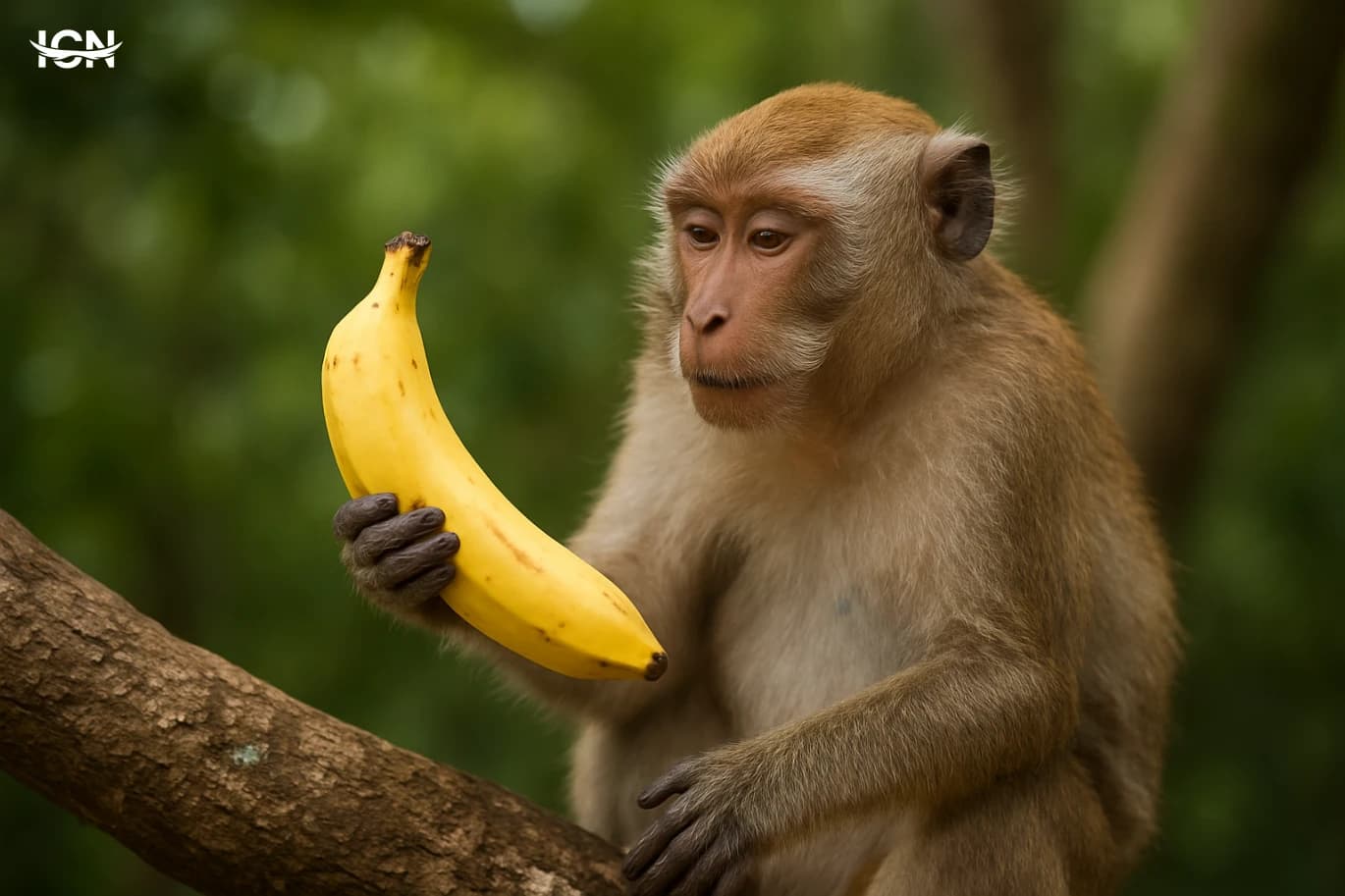
In a small riverside town, the weekly market spilled into the edge of a mango-and-banana grove. Vendors laid out baskets of dates, clay cups, and bundles of herbs, while a fruit seller named Salim arranged banana hands on a low wooden table. The grove was close enough that birds and squirrels treated the market like an extension of their home. Salim knew this and kept a thin rope around the table legs, not to lock anything away, but to slow down quick paws. That morning, a young monkey watched from a branch above the stall. He was not the boldest in the troop, but he was the most observant. He had learned which customers dropped crumbs, which children chased him for fun, and which vendors threw pebbles to scare animals off. He also learned that Salim’s bananas were always the ripest, because Salim bought them early from farmers and kept them shaded. The monkey’s stomach was empty, and the smell of sweet fruit carried on the warm air. The monkey waited for the moment when Salim would turn to weigh oranges for a customer. He had done this before: jump, grab, and vanish into the grove. But today, something on the table caught his attention. Among the yellow bananas sat one that looked slightly different—its peel was smoother, its curve more pronounced, and it seemed to sit apart as if it had been placed with care. The monkey’s eyes fixed on it, and he began to plan, not knowing that the banana itself would become the cleverest character in the story.
The Bear and the Brave Bee
In a wide cedar forest, every creature had learned a practical rule: keep your distance from what you do not understand. The bear, known for his strength and appetite, followed that rule only when it suited him. He was not a villain in the way stories sometimes simplify; he was simply used to getting what he wanted. When berries were plentiful, he ignored the beehives. When the season turned and food became scarce, he began to look at the hives as if they were stored jars on a shelf. The bees lived in a hollow oak near a stream. Their work was organized, their movements precise, and their purpose clear: gather nectar, protect the queen, store honey for winter. They did not seek conflict with the larger animals. Their safety came from coordination and from the warning that a hive could deliver when threatened. Still, the forest had been changing. A storm had knocked down several flowering shrubs, and fewer blossoms meant less nectar. The bees were already under pressure when the bear started visiting the oak more often, sniffing and circling as if measuring the easiest way to break in.
Strawberry and Bee in the City Garden
Mira lived in an apartment where the only outdoor space was a narrow balcony facing a busy street. She wanted a small garden that produced something real, not just decorative leaves. After reading local planting calendars and speaking with a neighborhood nursery, she chose strawberries because they could grow in containers and because the fruit would be easy to notice and harvest. She bought three young strawberry plants, a bag of compost, and a rectangular planter with drainage holes. She also learned one detail that changed how she thought about the project: strawberries can produce better fruit when pollination is reliable. The nursery owner explained that wind helps a little, but insects often do the precise work that turns flowers into evenly shaped berries. Mira wrote a simple plan on a note taped to the balcony door: keep the soil consistently moist, avoid spraying anything harsh, and make the balcony welcoming to pollinators. She added a shallow dish with pebbles and water so small insects could drink without drowning. On the first warm morning of the season, the plants opened their first white blossoms. Mira noticed how small the flowers were compared with the attention they required. Each bloom had a yellow center packed with tiny structures that needed contact to set fruit properly. She leaned close, curious, and then stepped back to give the flowers space. The balcony garden was ready, but it still needed a visitor who understood the job.
Barqash and the Cost of a Warning
The Arabic proverb “On herself Barqash brought it” is used when someone causes their own misfortune through a decision that backfires. In everyday speech it can describe a person who reveals a secret, insists on a risky plan, or tries to show off and ends up paying the price. The phrase is short, memorable, and often delivered as a final verdict after events unfold. What keeps it alive is that it does not require a long explanation. It points to a recognizable pattern: an action meant to protect, impress, or gain advantage ends up exposing the person to harm. In media writing and casual conversation, it functions as a compact narrative, implying that the outcome was avoidable and that the responsibility sits with the person who triggered it. The proverb is also tied to a story that readers remember as if it were a scene from a folktale. Whether the details are historically precise matters less than the moral structure: a warning signal that should have served a community becomes the reason the community is discovered. That story centers on a figure named Barqash, and versions differ on whether Barqash was a dog or a woman, but the lesson remains consistent.
The Little Forest Keeper: A Bedtime Story
In the heart of the bustling city, where concrete towers rise and the streets are choked with cars, 10-year-old Sami always felt like something was missing. He constantly wondered about the grayness that blanketed his city's sky and why he felt so tired whenever he spent too much time outdoors. The answer came on a school trip to the Rainforest Reserve, a protected natural area on the outskirts of the city, considered the lungs of the region. The trip aimed to teach the students about the importance of ecological balance. Upon arrival, the sight was breathtaking: towering trees reaching for the sky, the fresh air filling their lungs with a refreshing coolness, and the sounds of birdsong filling the air. The environmental expert who had accompanied them on the tour greeted them and began explaining how the forest functions. "Do you feel the difference here?" the expert asked the students. "The air is different here, isn't it? Do you know why?" Sami raised his hand and exclaimed enthusiastically, "Because it's full of trees! Trees create the air!"
Samsoum and the Quiet Map
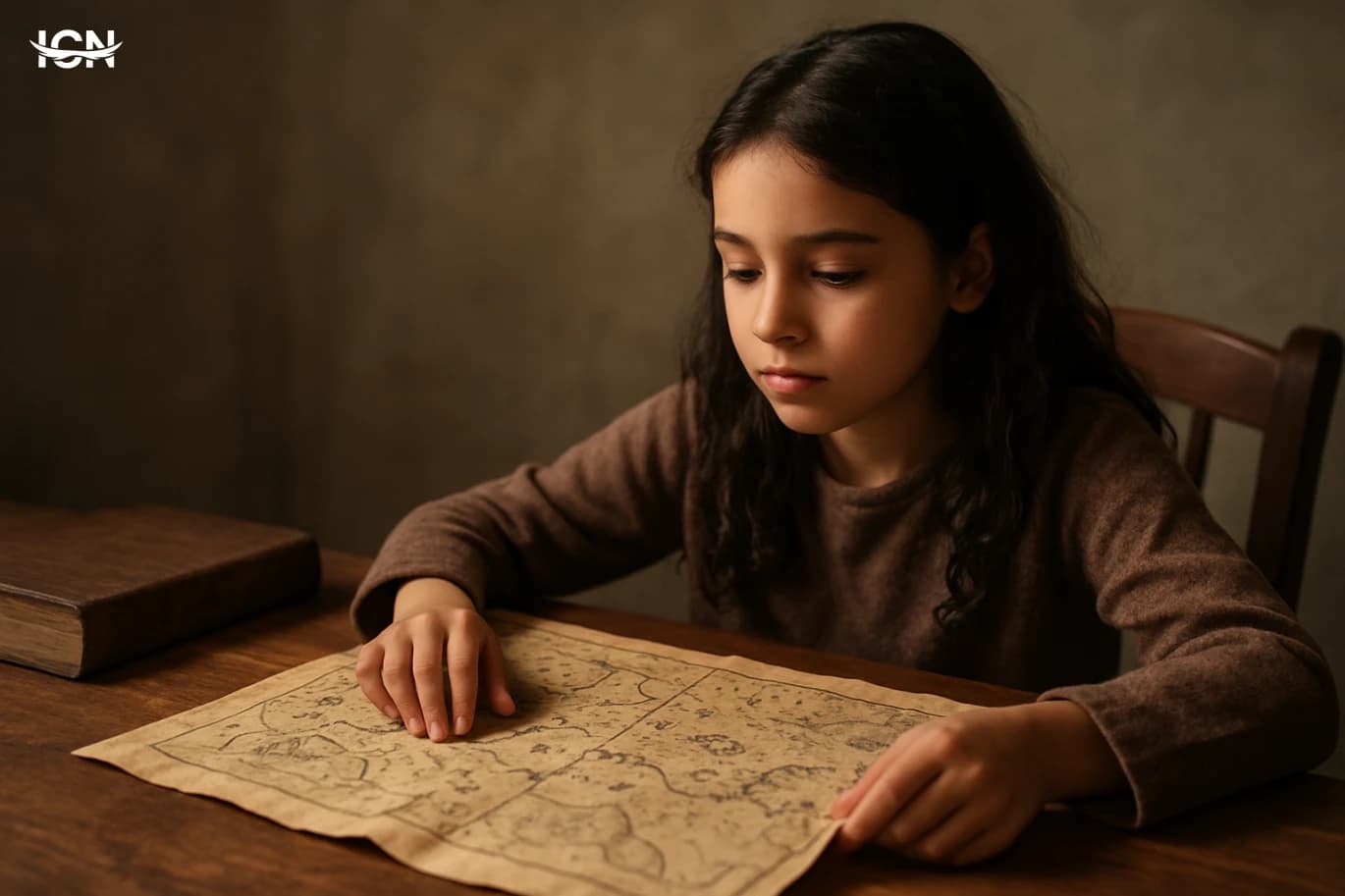
Samsoum is a small, curious character who lives in a tidy home where evenings are calm and predictable. Tonight, however, Samsoum feels a little restless, the kind of restlessness that makes pillows feel too warm and blankets too light. Instead of forcing sleep, Samsoum decides to do something simple and safe: prepare a “quiet plan” for the night. The plan has three steps—drink a little water, put one toy back on the shelf, and choose a story. This is not about being perfect; it is about giving the mind a clear path to follow. The bedtime story begins with that idea: a gentle routine can turn a busy day into a calm night. Samsoum’s world is not filled with big problems or loud events. It is filled with small choices, familiar objects, and the comfort of knowing what comes next. That is why this story works well before sleep. It keeps the pace slow, uses clear details, and gives children a sense of control. The goal is not excitement; the goal is a soft landing into rest, one step at a time.
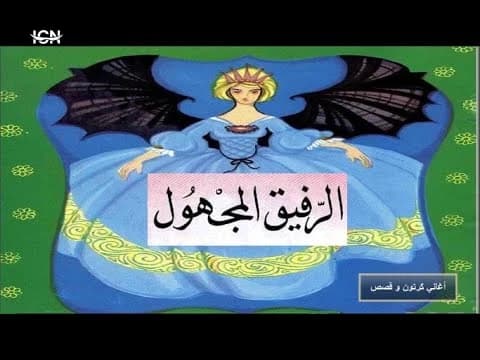
The story of the unknown companion before bedtime
"The Unknown Companion" is one of the most famous stories in the Green Library, inspired by world literature. It tells the tale of Amin, a young man who becomes an orphan, sells his possessions, and embarks on a journey. Along the way, he meets a mysterious companion who courageously and wisely helps him overcome perilous adventures, most notably solving the riddles of a princess and marrying her. It is eventually revealed that this companion was the benevolent spirit of his father, who had cared for him. Summary of Events: The story begins with the death of Amin's father when he is sixteen years old, leaving him a final will. The young man decides to sell his house and leave the city to seek his future. On his journey, he meets a stranger who offers to travel with him as friends. The pair embark on wondrous adventures, the most significant of which occurs when they arrive in a kingdom ruled by a highly intelligent princess. She stipulates that marriage is only possible for the one who solves the three riddles she poses, and she executes all who fail. Thanks to the wisdom and unseen assistance of the unknown companion, Amin succeeds in answering the riddles and wins the princess's heart.
The Quiet Power of Unreliable Diaries
Diary-based fiction feels intimate because it borrows the format of private record-keeping, but it also changes how readers judge truth. A diary entry is dated, selective, and written for a specific moment, which means it naturally contains gaps, revisions, and self-justifications. In novels and short stories, that structure lets writers compress time, jump between days or years, and show how a narrator’s priorities shift without needing heavy exposition. It also creates a built-in tension: the reader is invited to trust the “document,” while the story quietly signals that the document is incomplete. This topic becomes especially engaging when the diary is unreliable on purpose. Unreliability is not only about lying; it can come from limited knowledge, emotional bias, memory distortion, or a narrator who edits their own past to protect their self-image. In diary fiction, those mechanisms are easy to dramatize because the narrator is actively choosing what to write down and what to omit. The result is a reading experience where interpretation matters: readers assemble the “real” story from what is written, what is avoided, and what contradicts earlier entries.
Hedgehog Neighbors at Moonlit Meadow
In a small meadow at the edge of a pine grove, the evening routine always began the same way. The sun slipped behind the trees, the air cooled, and the ground held the day’s warmth like a soft blanket. Under a low bush of wild thyme lived Hadi the hedgehog. He was small, careful, and proud of how well he kept his home: a tidy nest of dry leaves, a smooth pebble by the entrance, and a narrow path he cleared with his paws. That night, Hadi stepped outside to check the meadow. He listened for the steady sounds that meant everything was normal: the gentle rustle of grass, the distant hoot of an owl far above, and the quiet tapping of beetles moving under fallen bark. Hadi’s neighbors were all small animals, each with their own habits. Mina the field mouse stored seeds in a hollow log. Sami the rabbit liked to trim clover near the creek. Lina the squirrel kept pinecones in a forked branch. And Nabil the tortoise moved slowly between patches of shade, always arriving later than everyone else. Hadi liked order, and he liked knowing what to expect. But the meadow had a way of offering small surprises, the kind that made an ordinary evening feel like a story worth remembering before sleep.
The Woodcutter and the Lake Warden
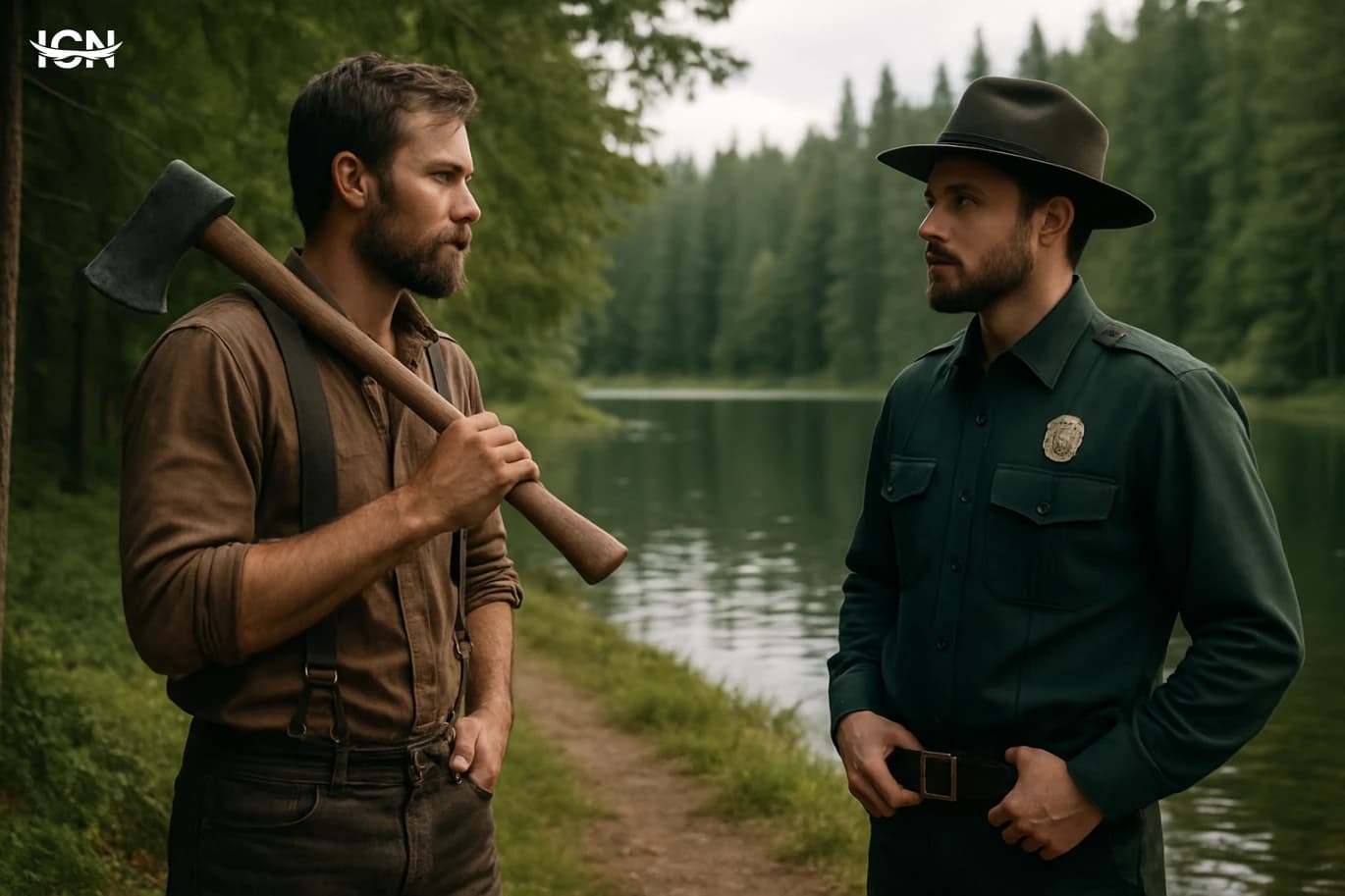
In a valley known for its cedar slopes and a single freshwater lake, the community depended on two resources that rarely agreed with each other: timber from the hills and water from the basin. The lake fed irrigation channels, cooled the air in summer, and supplied drinking water to nearby homes. The forest, meanwhile, provided firewood, beams for roofs, and seasonal work for men who knew how to cut without wasting. To reduce disputes, the council appointed a lake warden with clear duties: keep the shoreline clean, prevent dumping, and monitor the small inlet stream that carried silt after storms. The warden, named Salim, was not a soldier and carried no weapon; his authority came from records, schedules, and the trust of farmers who needed stable water levels. He kept a notebook of daily observations, marked the height of the water on a stone gauge, and reported any unusual changes. On the other side of the valley worked a woodcutter named Nabil. He was skilled, careful with his tools, and known for choosing trees that were already leaning or crowded, leaving younger growth to recover. Yet the work was unpredictable. A late frost could ruin a season, and a broken axle on a cart could turn a week’s earnings into debt. Nabil’s problem was not laziness or greed; it was the pressure of providing for his household when the market price for wood dropped. The story begins when the lake’s surface fell faster than usual at the end of spring. Farmers blamed the forest work, saying the hills were being stripped and the soil no longer held water. Woodcutters blamed the farmers, saying irrigation gates were left open and channels leaked. Salim, the warden, had to find facts before the valley turned its arguments into permanent divisions.
By clicking the SUBSCRIBE button, you are agreeing to our Privacy & Cookie Policy If you want to unsubsribe the marketing email, please proceed to our privacy center.
© 2005-2026 ICN. All Rights Reserved.