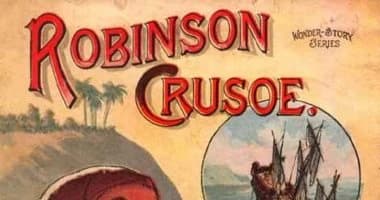
Robinson Crusoe
- Introduction to Robinson Crusoe
- The main characters in the novel
- Main events of the novel
- The novel's themes and reflections
- The symbolism of the novel and its deep meanings
Introduction to Robinson Crusoe
A. An overview of the story and its importance. The story of Robinson Crusoe tells the adventures of a man who was shipwrecked and found himself alone on a remote island. The story is a depiction of human resilience and will, as the hero faces the challenges of survival and uses his intelligence and skills to adapt to his new circumstances. This story represents a symbol of freedom and self-reliance, making it a timeless work of literature that continues to inspire readers. for. About the Author Daniel Defoe Daniel Defoe is a famous English writer who was born in 1660. He is considered one of the pioneers of the novel, as he achieved wide fame by writing the novel Robinson Crusoe in 1719. His works made major contributions to English literature, as they were distinguished by their attractive plot and ability to explore aspects of the human soul.
The main characters in the novel
A. Robinson Crusoe Robinson Crusoe is the main character of the novel, who represents the strong will and desire to survive. He faces the challenges of isolation and shows great courage in dealing with the harsh conditions he experiences on the island. His character develops throughout the story, as he learns how to take advantage of the resources available to him and succeeds in building a new life despite the difficulties. for. The Crew and Survival on the Island The crew who was with him on the ship plays a role at the beginning of the story, explaining the experience of the voyage and the tragedy that led to the sinking of the ship. The crew's failure to survive reflects the substance of the story and highlights the challenges Crusoe faced in becoming an independent character who relied on skills and survival.
Main events of the novel
A. Travel and the Planets The novel begins with an unfortunate sea voyage, where Crusoe and his crew set off to explore the world. The ship experiences devastating storms, resulting in its sinking and the loss of the crew. This beginning shows what Crusoe's adventures began with, and how his journey turned from an ambition to explore the planets into a bitter experience of survival. for. Discovering the Island and Surviving After a shipwreck, Crusoe finds himself alone on a remote island. He learns how to hunt, farm, and build a shelter. Through these challenges, he discovers willpower and determination, and begins to build a new life away from civilization, reflecting his character's journey of transformation.
The novel's themes and reflections
A. Loneliness and Self-Reliance The novel deals with the topic of loneliness in a profound way, as Crusoe expresses feelings of alienation and isolation. For him, the island becomes a place that makes him rely on his personal abilities, highlighting the importance of self-reliance in facing challenges. for. The power of determination and adaptation to difficult circumstances. The power of Crusoe's determination is evident in every challenge he faces. By learning to hunt and farm, he shows how humans can adapt to the harsh conditions of life. This is considered an embodiment of human will, which makes a person continue despite difficulties, which gives readers motivation to be optimistic and insist on achieving their goals.
The symbolism of the novel and its deep meanings
A. Religious and social symbolism The novel includes religious and social symbols that reflect the internal conflict of man. Through his experience, Crusoe represents an image of a human being who seeks deeper existential meanings, where religiosity and social ties play an important role in reassuring the soul and finding purpose. for. The issue of colonialism and cultural change The novel also addresses the issue of colonialism and its impact on different cultures. Shows how sudden change can reshape identities and impact traditional values. This reflects the conflict at the heart of many cultures affected by external changes, raising questions about identity and belonging.