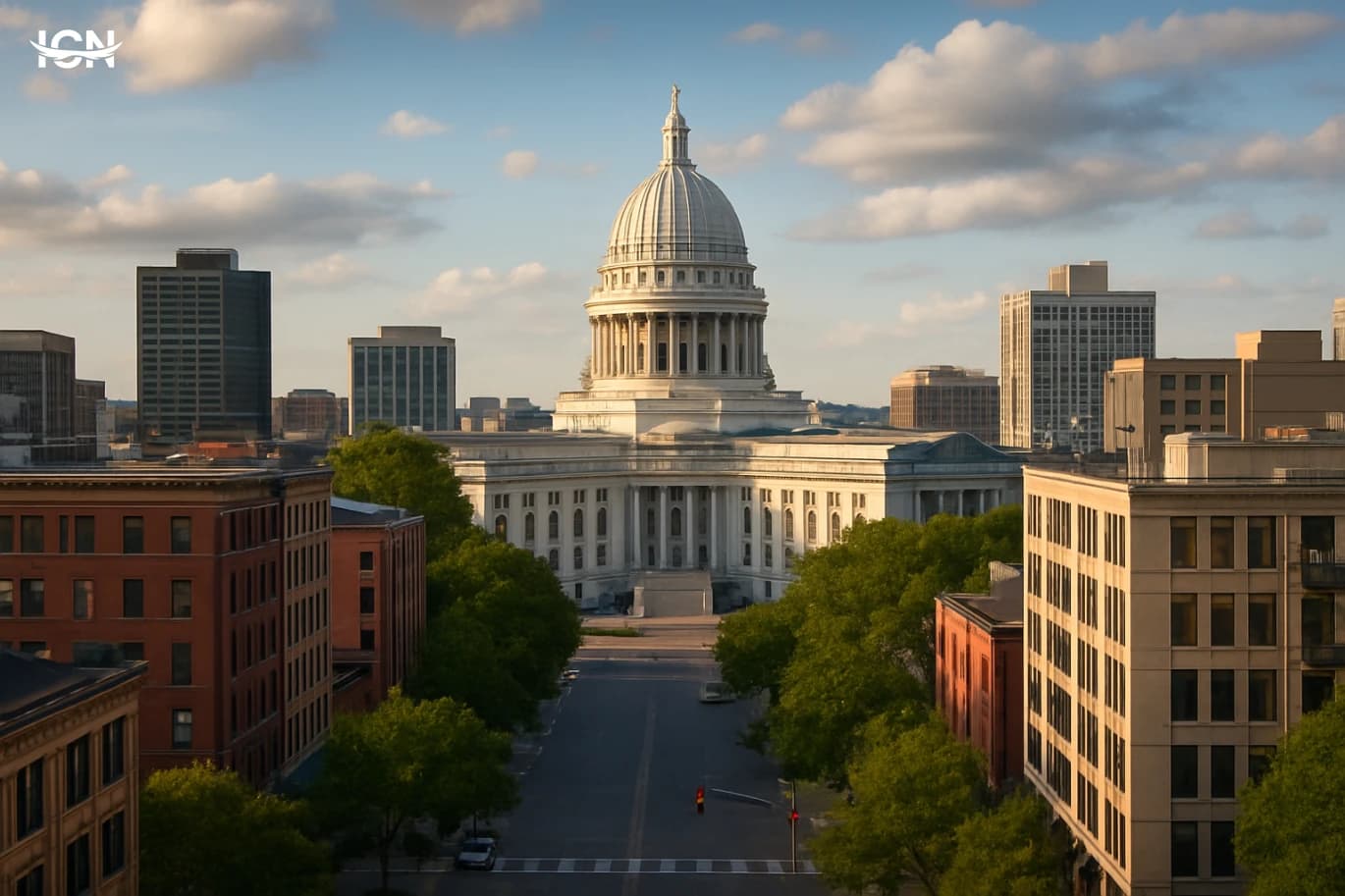
Regulations around the world: democracy, monarchy, republic, parliamentary ...
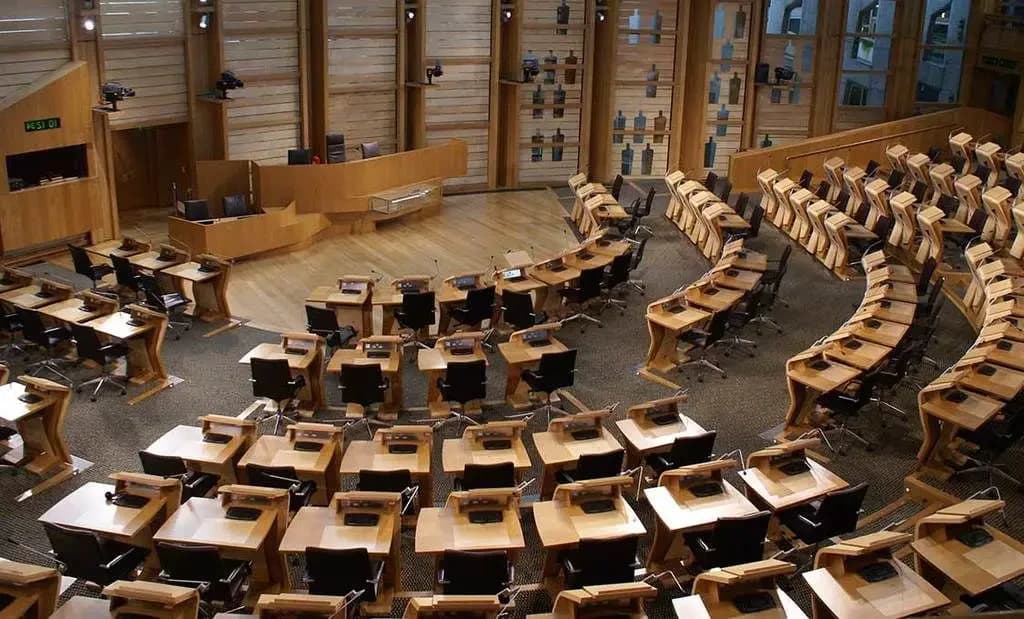
Types of government systems
1. Democracy is among the most common democratic systems in the world today, and it gives the people power to choose their leaders and participate in making decisions. Democracy includes two main types. A. Representative democracy in this kind, representatives of the people are elected to represent them in government institutions. Voters express their opinions through the elections, and these deputies represent the interests of society. for. Social democracy seeks social democracy to achieve a balance between an individual's rights and the need to secure social justice. It aims to enhance social welfare rights and improve the standard of living for all, while preserving individual freedoms. 2. Ownership represents the property systems another kind of judgment. Under these systems, power is usually in the hands of one person, the king or the Queen, but there is a diversity of how this power is practiced. A. Absolute property in this system, the king has all the powers without restrictions, and he can make decisions individually without the need for councils or any form of popular participation. for. Constitutional monarchy The constitutional property is characterized by the existence of a constitution that governs the work of the government, where the king is a symbol of national unity while a group of ministers handles the daily administration of the government, which reflects a balance between tradition and modernity.
Republican regimes
1. The presidential republic considers the presidential republic a kind of governmental systems, as the president has broad powers. The president is the head of state and the head of government at the same time, which gives him a great ability to make decisions. A. The President's authorities have executive powers that include him and are not limited to the leadership of the army and participation in foreign policy, but he is also responsible for implementing the laws. This authority is often independent of the legislative authority, giving the president the ability to make quick decisions in crises. for. The election system in the presidential systems, the president is elected directly by the people, which enhances his legitimacy. The elections are often competitive, as candidates from multiple parties can compete for the position, which reflects the will of the voters. 2. The Parliamentary Republic is distinguished by the Parliamentary Republic that the executive authority comes from Parliament, where the ministers are elected from among the members of Parliament. The president here is usually symbolic and has no great executive powers.