Rebuilding Sexual Confidence After Stress

- Why stress changes desire
- Signs it’s stress, not “something wrong”
- Resetting the basics: sleep, body, and routine
- Communication that protects confidence
- Practical tools for rebuilding pleasure
- When to seek professional support
Why stress changes desire
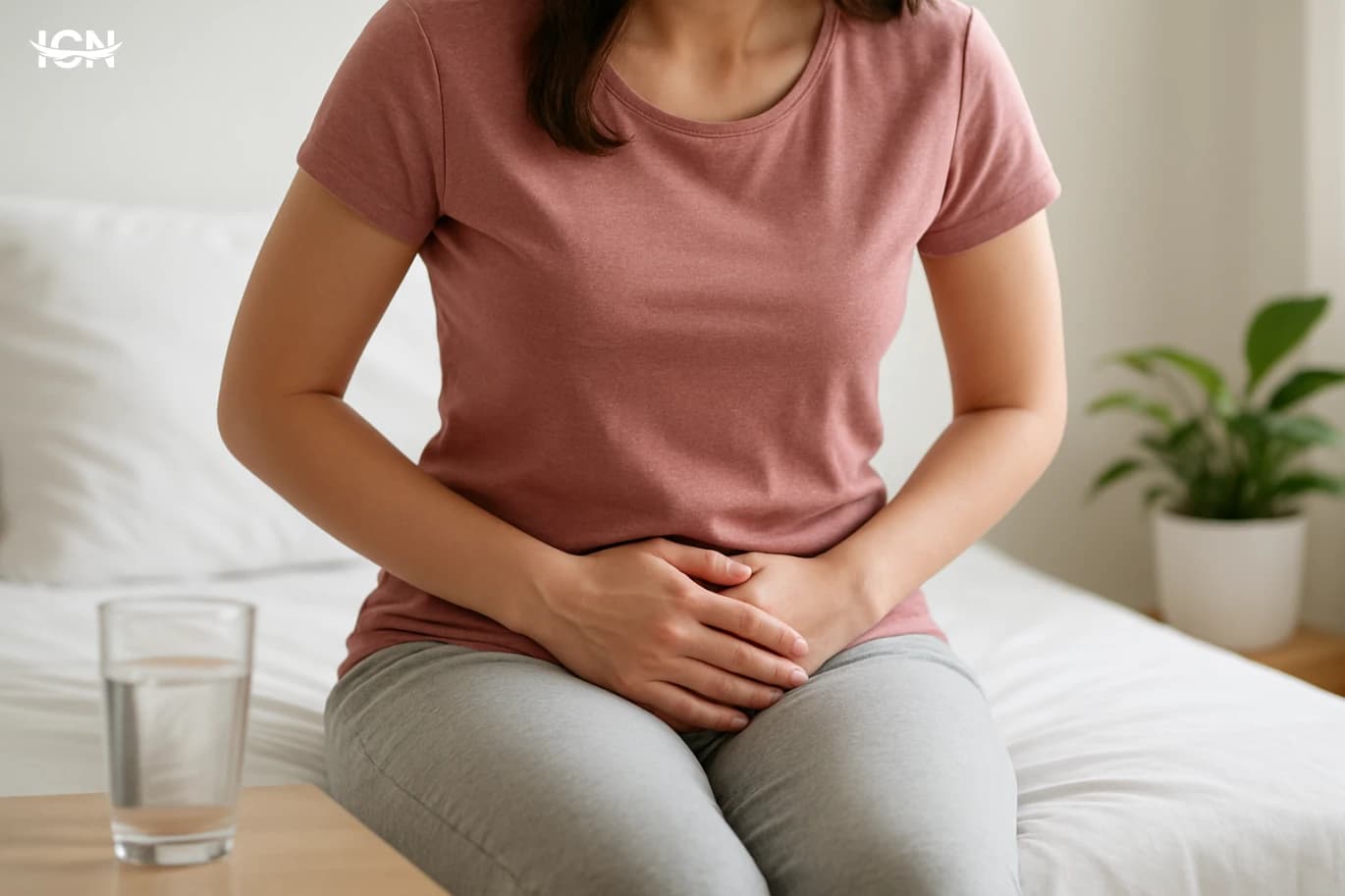
Stress is one of the most common reasons people notice a sudden drop in sexual desire or satisfaction, even when a relationship is stable. When the body is under pressure, it prioritizes safety and problem-solving over pleasure, which can reduce arousal, make orgasms harder to reach, and increase distraction during intimacy. Sleep loss, long work hours, financial worries, caregiving, and ongoing conflict all contribute, and the effects can show up as low libido, erectile difficulties, vaginal dryness, pain with sex, or simply feeling “not in the mood” more often. Stress also changes communication. People may avoid initiating sex to prevent rejection, or they may agree to sex while feeling disconnected, which can create a cycle of anxiety and self-doubt. Over time, this can turn into performance pressure: worrying about whether the body will respond, whether a partner will be disappointed, or whether intimacy will lead to an argument. Understanding that these reactions are common and often reversible helps shift the focus from blame to practical steps that rebuild confidence.
Signs it’s stress, not “something wrong”
A useful way to separate stress effects from other concerns is to look for patterns. If desire drops during busy weeks and returns on vacation, or if arousal is easier when you feel emotionally safe and unrushed, stress is likely playing a major role. Another clue is variability: some days everything works, other days it doesn’t, especially after poor sleep or a tense conversation. Many people also notice that they can still enjoy masturbation or sexual fantasies, but partnered sex feels harder because it requires more focus and emotional presence. That said, stress can overlap with medical or hormonal issues. Persistent pain, bleeding, sudden changes in menstrual cycles, ongoing erectile problems, or a complete loss of desire for months deserve a medical checkup. Medications for depression, anxiety, blood pressure, and other conditions can also affect libido and arousal. Treating stress is important, but confidence improves faster when you rule out treatable health factors and stop guessing.
Resetting the basics: sleep, body, and routine
Sexual confidence often returns when the body feels supported. Start with sleep because it affects hormones, mood, and attention. A realistic target is a consistent schedule and fewer late-night screens, even if total hours can’t be perfect. Movement matters too: regular walking, strength training, or stretching improves circulation and reduces tension, which can help arousal and comfort. If alcohol is used to “switch off,” consider cutting back; it may lower anxiety in the moment but can reduce sensitivity and make erections or lubrication less reliable. Routine also shapes desire. Many adults wait to feel spontaneous arousal, but stress makes spontaneity less likely. Scheduling intimacy can sound unromantic, yet it reduces uncertainty and gives the mind time to shift gears. A practical approach is to schedule “connection time” rather than “sex time”: 30–60 minutes without phones, focused on touch, conversation, or showering together. This lowers pressure and creates conditions where desire can return naturally.
Communication that protects confidence
Confidence drops quickly when sex becomes a test. Clear, low-stakes communication prevents that. Use specific language about what you want and what you don’t want, without blaming your partner or your body. For example: “I’ve been stressed and I miss feeling close to you. Can we start with kissing and see where it goes?” This frames intimacy as shared exploration, not a performance. It also helps to agree on a “pause” option. If arousal fades or pain appears, stopping should not be treated as failure. Couples who do well often have a simple script: “Let’s slow down,” “Can we switch positions?” or “Can we just cuddle for a bit?” When both people know that stopping is safe, the nervous system relaxes and confidence improves. If you’re single, the same principle applies: you can set boundaries with yourself, choose slower pacing, and avoid comparing your body to unrealistic expectations from porn or social media.
Practical tools for rebuilding pleasure
Rebuilding confidence is easier when you use concrete tools instead of relying on willpower. Start with “sensate focus” style exercises: agree to touch without the goal of intercourse or orgasm for a set time. Focus on temperature, pressure, and breathing. This retrains attention and reduces performance anxiety. Lubricant is another practical tool, not a sign of failure; stress and many medications reduce natural lubrication, and using a water-based or silicone-based lubricant can improve comfort immediately. If erections are less reliable, consider changing the script: longer foreplay, more oral sex, manual stimulation, or using a condom that fits well and doesn’t reduce sensation. Some couples benefit from sex toys, especially external vibrators for clitoral stimulation, because they can make arousal more predictable. The key is to treat these tools as normal wellness supports. Confidence grows when you collect small wins: a relaxed make-out session, a comfortable experience without pain, or a moment of genuine desire returning.
When to seek professional support
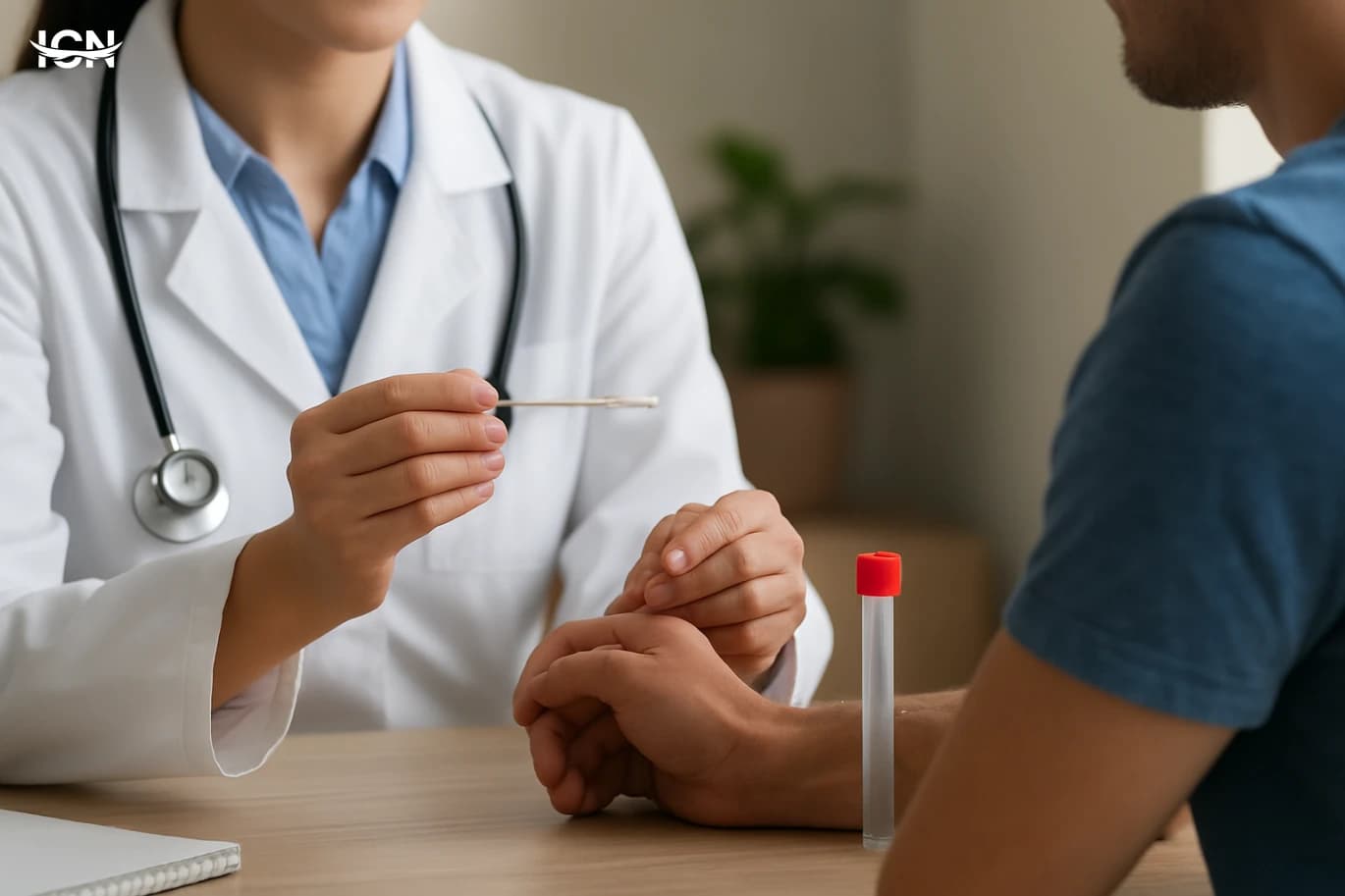
Professional help is appropriate when stress-related sexual changes persist, cause distress, or create ongoing conflict. A primary care clinician, gynecologist, urologist, or endocrinologist can evaluate hormones, cardiovascular factors, pelvic pain, infections, and medication side effects. If anxiety, depression, trauma history, or relationship strain is central, a licensed therapist or certified sex therapist can provide structured strategies and help couples rebuild trust and communication. It’s also worth seeking support if you notice avoidance patterns: repeatedly postponing intimacy, feeling panic during sex, or using alcohol to get through it. These are common, but they tend to worsen without guidance. The goal of professional care is not to force a specific frequency of sex; it is to restore comfort, choice, and pleasure. With the right mix of medical evaluation, stress management, and practical intimacy skills, many people regain sexual confidence within weeks to months.