Rebuilding Desire After Stress and Burnout

- Why stress changes your sex life
- Spot the patterns, not the blame
- Reset the basics that fuel desire
- Talk about sex without making it a test
- Practical ways to rebuild intimacy
- When to seek professional support
Why stress changes your sex life
Stress and burnout affect sexual health through predictable body and mind pathways. When your nervous system stays in “high alert,” the body prioritizes survival functions over pleasure, which can reduce spontaneous desire, make arousal slower, and increase distraction during intimacy. Many people also notice practical spillover: longer work hours, less sleep, and fewer moments of privacy. These factors can lead to a cycle where sex becomes another task to manage rather than a source of connection. Burnout often adds emotional numbness and irritability. Even if attraction is still present, you may feel “switched off,” have less patience for touch, or avoid situations that could lead to sex because you fear you won’t respond. Some people experience physical changes such as headaches, digestive issues, or pelvic tension that make sex uncomfortable. Understanding that these shifts are common responses to chronic stress helps reduce shame and makes it easier to address the real drivers: fatigue, anxiety, and reduced emotional bandwidth.
Spot the patterns, not the blame
Couples often interpret low desire as rejection, but stress-related changes are usually about capacity, not love. A useful first step is to map what’s happening without assigning fault. Notice when desire is lowest: after late meetings, during financial uncertainty, after conflict, or when parenting demands peak. Track sleep, alcohol use, exercise, and screen time. These details matter because they reveal levers you can actually move. It also helps to distinguish between spontaneous desire (wanting sex out of the blue) and responsive desire (desire that builds after touch, flirting, or emotional closeness). Under stress, responsive desire is more common. If you wait for spontaneous desire to appear, you may conclude something is “wrong,” when the real issue is that your body needs a different runway. Naming this pattern can reduce pressure and open the door to planning intimacy in a way that feels supportive rather than forced.
Reset the basics that fuel desire
Desire is strongly linked to recovery. Start with sleep: even small improvements in bedtime consistency can change mood, patience, and physical comfort. If you share a home with others, protect at least one predictable window of privacy each week, even if it’s short. Reduce “always-on” work by setting a hard stop for emails and notifications. These are not lifestyle clichés; they directly affect nervous system regulation. Movement and nutrition also matter, but the goal is not performance. A 20–30 minute walk can lower stress hormones and improve body awareness, which supports arousal. Hydration and regular meals help stabilize energy and reduce irritability. If alcohol is part of your routine, note that it can reduce inhibition in the moment but worsen sleep quality and sexual response later. Finally, address pain or discomfort early. Vaginal dryness, erectile difficulties, or pelvic pain are common under stress and are treatable; ignoring them often increases avoidance and anxiety.
Talk about sex without making it a test
Communication works best when it’s specific and low-pressure. Choose a neutral time, not right before or after sex. Use concrete language: what helps you relax, what kind of touch feels good, what shuts you down, and what you miss. Avoid global statements like “you never want me” or “you always pressure me.” Replace them with observations and requests: “I notice we’re both exhausted after 9 p.m.; can we try earlier on weekends?” It’s also useful to agree on a “no-fault pause.” If one person isn’t feeling it, the other doesn’t interpret it as rejection, and the couple shifts to another form of closeness: cuddling, massage, showering together, or simply talking. This keeps intimacy alive while reducing fear of disappointment. Over time, these conversations build trust, which is a major predictor of sexual satisfaction, especially during stressful seasons.
Practical ways to rebuild intimacy
When stress is high, “date night” can feel unrealistic. Instead, use smaller, repeatable rituals. Schedule a 15-minute connection check-in twice a week: phones away, one question each (“What drained you this week?” “What would help you feel supported?”). Add non-sexual touch daily, even briefly, to reduce the sense that touch always leads to sex. This can be a hug at the door, a hand on the back while cooking, or sitting close during a show. For sexual reconnection, consider a gradual approach. Start with making out, mutual massage, or showering together without a goal of intercourse. If you do plan sex, plan the conditions, not the outcome: time, privacy, and what helps you feel safe and relaxed. Lubricant can be a simple, practical tool for comfort, especially when stress reduces natural arousal. If performance anxiety is present, focus on pleasure and sensation rather than erection, orgasm, or “finishing.” Many couples find that removing the scoreboard brings desire back faster than trying to force it.
When to seek professional support
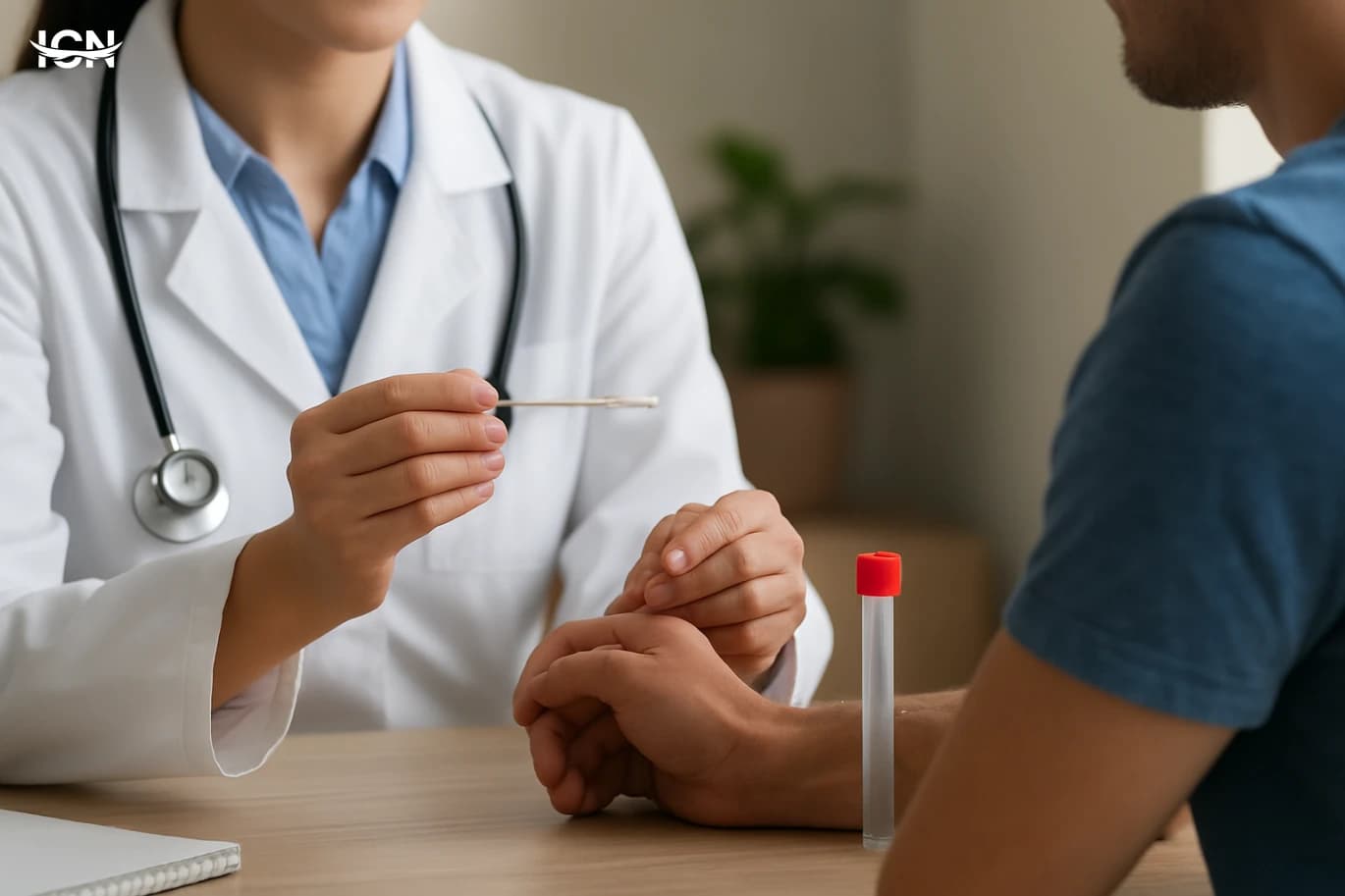
Sometimes stress is only part of the picture. Consider professional help if low desire persists for months, if sex is painful, if there are sudden changes in arousal or orgasm, or if conflict around sex is escalating. A primary care clinician or gynecologist/urologist can check for medical contributors such as hormonal shifts, medication side effects (including antidepressants), thyroid issues, or chronic conditions. Mental health support can address anxiety, depression, trauma history, or relationship strain that keeps the nervous system on edge. Sex therapy or couples counseling can be especially useful when partners are stuck in a pursue-withdraw cycle, when communication feels unsafe, or when mismatched desire creates ongoing resentment. The goal is not to “fix” one person, but to build a shared plan that respects boundaries and restores connection. If you ever experience coercion, fear, or lack of consent, prioritize safety and reach out to local support services. Sexual wellness is inseparable from respect, choice, and physical comfort.