App Logo

Download Our App

Shop your way

logologo
Image

Petroleum trading

07/13/2025By: ICN
Petroleum trading

introduction

The definition of oil trading is one of the most important financial activities in global markets. Traders buy and sell crude oil, to take advantage of price fluctuations that occur due to various factors such as supply, demand and geopolitical events. The success of these traders depends on the understanding of the market and the analysis of economic and political data that affect oil prices. The importance of the oil market in the global economy the oil market plays a vital role in the global economy, as it affects many industries and economic indicators. Many countries depend on oil exports to finance their budgets, so any fluctuation in its prices can lead to significant impacts on the economic stability of the producing and consuming countries alike.

History of oil trading

The oil market has evolved through the ages the date of oil trading extends for many decades, as it started in the nineteenth century with the discovery of oil and its use as fuel. With the development of the industry, the oil markets appeared to facilitate sales and purchases. In the twentieth century, as a result of the economic boom and high energy demand, the oil market exploded, which led to the formation of major companies such as Aramco and Total. The impact of historical events on oil prices, every major historical event, such as wars and economic crises, has directly affected oil prices. For example, the oil crisis in 1973 led to a significant increase in prices as a result of an oil ban. Consequently, the history of oil trading is closely associated with geopolitical and economic changes.

Oil trading mechanism

Methods of buying and selling oil oil circulation are through several roads, including futures that allow investors to buy or sell oil in a specific future history. Also, there are options that give investors the right to buy or sell oil at certain prices. In addition, merchants can use electronic trading platforms that provide continuous information about oil prices and allow them to make quick decisions. Factors that affect oil prices are affected by oil prices by several factors, including supply and demand, geopolitical events, and global economic changes. For example, increasing production from certain countries may lead to low prices, while political crises may lead to high prices as a result of anxiety about supplies.

Oil market analysis

The importance of analyzing prices and trends is to analyze prices and trends in the oil market is necessary for investors and traders. This analysis is useful in understanding price movement and predicting future trends, which helps in making commercial decisions more accurately. By monitoring price changes, traders can determine the optimal entry points and exit of their investments, which increases profit opportunities. The oil market analysis tools there are many tools used in the analysis of the oil market, such as technical analysis that depends on price patterns and graphs. Economic data and historical statistics are also used to understand market behavior. These tools contribute to providing valuable visions that help improve trading strategies and thus increase financial returns.

Oil trading strategies

Short and long -term strategies focus short -term strategies on exploiting rapid prices and daily operations. While long -term strategies aim to achieve greater gains by retaining traders with investments for longer periods of time. This requires a comprehensive vision about the market and more analysis. How to determine the entry and exit points in oil trading can use a set of technical indicators, such as support and resistance levels, to determine the optimal points for entry and exit. It is necessary to monitor economic data and its impact on the market, which helps traders in making informed decisions and thus maximizing possible profits.
* All articles published on this blog are sourced from various websites and are provided for informational purposes only. They should not be considered as confirmed studies or accurate information. Please verify the information independently before relying on it.

Similar ARTICLES

Investing in Farmland Without Owning a Farm
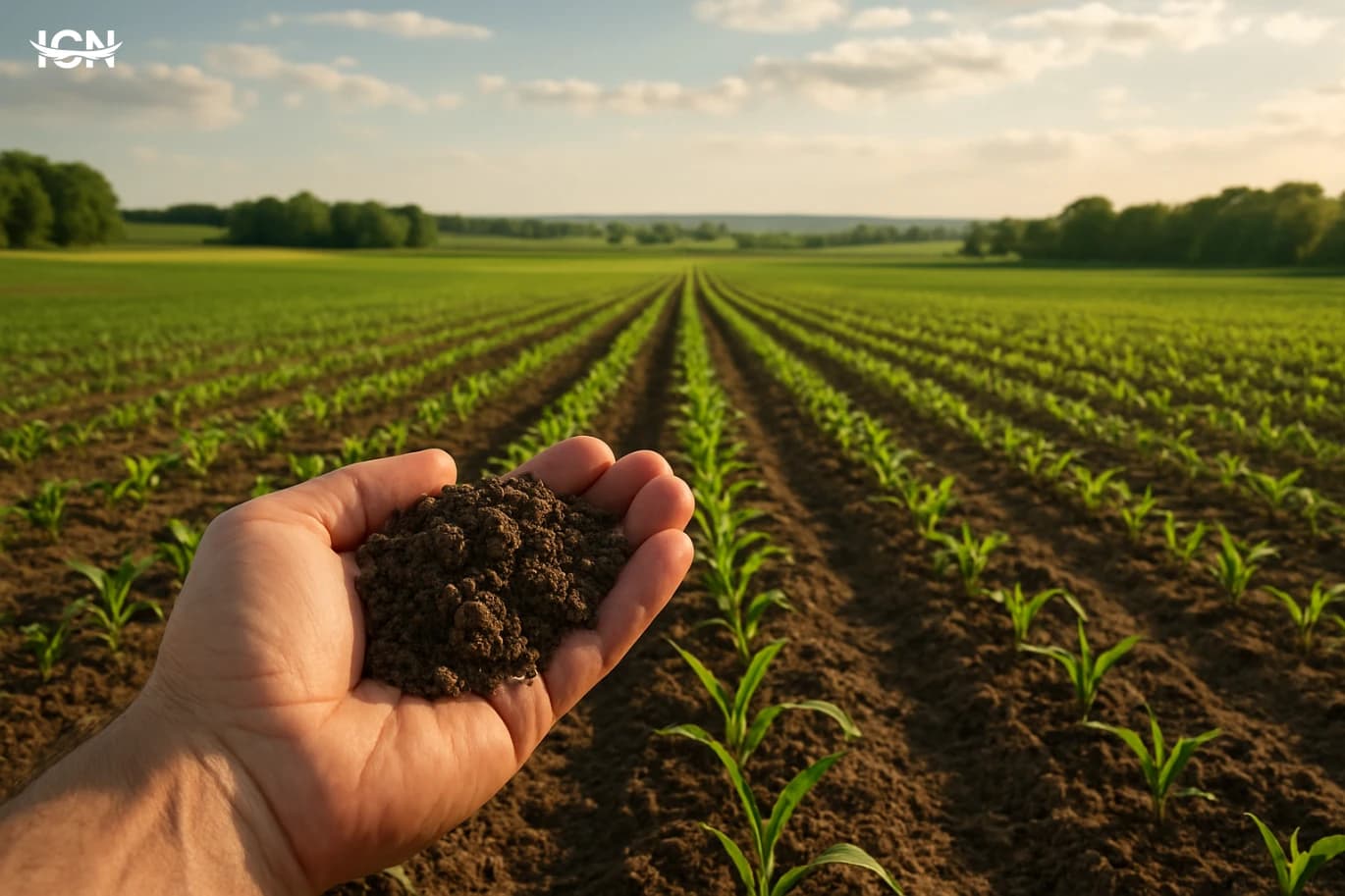
Farmland has re-emerged as a serious alternative asset because it sits at the intersection of essential demand and limited supply. Global food consumption is relatively steady, while high-quality arable land is constrained by urban expansion, soil degradation, and water availability. For investors, this creates a long-term thesis that is not dependent on rapid technology cycles or consumer trends. Another reason is the asset’s dual return profile. Farmland can generate annual income through leases or crop-sharing arrangements, and it can also appreciate over time as productive land becomes scarcer. In many markets, farmland values have historically moved differently than public equities, which makes it attractive for diversification. However, the key is to treat it as a business asset tied to agronomy, local regulations, and operational execution rather than as a simple “buy and hold” real estate play. The recent growth of digital platforms and specialized funds has also lowered the barrier to entry. Investors who cannot purchase a full property can now access fractional ownership or pooled vehicles, often with professional farm operators managing day-to-day decisions. That accessibility is expanding the investor base beyond traditional agricultural families and large institutions, but it also increases the need for careful due diligence on fees, governance, and risk controls.
Farmland Investing for Inflation Resilience
Farmland has re-emerged as an alternative asset because it combines two things many portfolios struggle to find at the same time: a productive real asset and a return stream linked to essential demand. Unlike collectibles that rely heavily on sentiment, farmland value is anchored by its ability to generate crops or lease income. In periods of higher inflation, the economics of food production often adjust through commodity prices and rents, which can help farmland keep pace, although results vary widely by region and crop. Institutional investors have also made the market more visible. Over the past decade, pension funds, endowments, and specialized managers have built farmland strategies, bringing more data, benchmarking, and professional operations. That does not mean farmland is a simple “inflation hedge.” Weather, water access, input costs, and local regulations can dominate outcomes. The renewed interest is largely about diversification: farmland returns historically have shown low correlation with public equities and bonds, and the asset can provide both income and long-term appreciation when managed well. For individual investors, the key shift is access. You no longer need to buy and operate a farm personally to gain exposure. New structures—funds, partnerships, and fractional platforms—have lowered minimums and simplified administration. The trade-off is that each structure changes your control, fees, liquidity, and tax profile, so the same “farmland” label can represent very different risk and return characteristics.
Farmland Investing Without Buying a Farm
Farmland has re-emerged as a serious alternative asset because it sits at the intersection of essential demand, limited supply, and long operating histories. Food consumption is relatively stable across economic cycles, while high-quality arable land is constrained by urban expansion, water availability, and soil degradation. For investors, that combination can translate into two distinct return sources: ongoing income from leasing land to operators and long-term appreciation driven by productivity improvements and land scarcity. In many markets, farmland has also shown lower correlation to public equities than traditional real estate, partly because farm revenue depends on crop prices, yields, and lease structures rather than office occupancy or retail foot traffic. That does not make it risk-free. Weather volatility, input costs, and commodity cycles can be significant. Still, the asset class has attracted attention from family offices, endowments, and increasingly, individual investors looking for diversification beyond stocks, bonds, and residential property. The challenge is access. Buying a farm outright requires large capital, local expertise, and operational oversight. This is where “farmland investing without buying a farm” becomes relevant: structures that provide exposure to land economics while outsourcing day-to-day farming decisions to professional operators.
Investing in Farmland Without Buying a Farm
Farmland has moved from being a niche holding for agricultural families to a tracked alternative asset for individual investors. The appeal is straightforward: land is finite, food demand is persistent, and well-managed farms can generate both annual income and long-term appreciation. In many markets, farmland returns have historically shown lower correlation with public equities than other real assets, which is why it is often discussed as a portfolio diversifier. Recent interest is also tied to practical shifts in agriculture. Improvements in irrigation efficiency, precision farming, and crop genetics can raise productivity, while stronger supply-chain data makes farm performance easier to monitor. At the same time, investors are paying closer attention to climate variability, water access, and soil health, which can materially change a farm’s value. These factors make farmland less of a “set and forget” asset and more of an operational investment with measurable drivers. For individuals who do not want to buy and operate a farm, the market now offers multiple access routes. Each route has different fees, liquidity, and risk exposure, so the key question is not whether farmland is attractive in general, but which structure fits an investor’s time horizon and tolerance for complexity.
Investing in Farmland Without Buying a Farm
Farmland has moved from a niche holding to a mainstream “real asset” conversation because it sits at the intersection of food demand, land scarcity, and inflation-sensitive cash flows. Unlike many alternative assets that rely on sentiment, productive land can generate income through leases, crop-share agreements, or operating profits, while also offering potential long-term appreciation tied to soil quality, water access, and local development. Investors are also paying attention to how farmland returns historically behaved differently from public equities and bonds, especially in periods when input costs and consumer prices rose. At the same time, the asset class is not uniform: row-crop land, permanent crops like orchards, and pastureland have different risk profiles, capital needs, and sensitivity to weather and commodity cycles. The renewed interest is also driven by better data, more specialized managers, and platforms that package farmland exposure into structures that look familiar to investors who are used to funds and real estate vehicles.
Investing in Farmland Without Owning a Farm
Farmland has moved from a niche holding for farmers and local families to a tracked alternative asset class for long-term investors. The core driver is simple: productive land is finite, while demand for food, animal feed, and bio-based inputs tends to grow with population and changing diets. Unlike many financial assets, farmland can generate two potential return streams at once: annual operating income from leasing or crop-sharing, and long-term appreciation of the underlying land value. In many regions, farmland values have historically shown lower volatility than equities, partly because transactions are less frequent and pricing is tied to local yields, water access, and lease terms rather than daily market sentiment. Investors also pay attention to farmland because it can behave differently from traditional portfolios. Lease structures often reset more slowly than corporate earnings cycles, and the asset is linked to real output. That does not make it risk-free, but it can offer diversification when combined with stocks and bonds. The renewed interest is also fueled by improved data availability, specialized managers, and platforms that package farmland exposure into investable products, making it possible to participate without buying and operating a farm directly.
Farmland Investing for Inflation Resilience
Farmland has re-emerged as a serious alternative asset because it sits at the intersection of essential demand and constrained supply. Food consumption is relatively steady across economic cycles, while high-quality arable land is limited by geography, water availability, and competing land uses. For investors focused on wealth preservation, this combination can translate into a return profile that is less tied to public market sentiment than many traditional assets. The economics are straightforward: farmland can generate income through lease payments or crop-sharing arrangements, and it can appreciate when land values rise. In many regions, land values are influenced by long-term factors such as soil quality, access to irrigation, proximity to processing facilities, and the stability of local agricultural policy. Unlike some alternative assets that rely heavily on narrative or network effects, farmland performance is anchored in measurable productivity and commodity-linked revenue. Inflation is a key driver of renewed interest. Input costs and commodity prices can move with inflation, and land often acts as a store of value when currency purchasing power declines. That does not mean farmland is immune to downturns, but it can offer diversification for portfolios that are overly concentrated in equities, bonds, or urban real estate.
Farmland Investing Without Buying a Farm
Farmland has re-emerged as an alternative asset because it sits at the intersection of essential demand, limited supply, and long-term income potential. Food consumption is relatively steady across economic cycles, while the amount of high-quality arable land is constrained by soil health, water availability, and competing land uses. For investors, that combination can translate into two distinct return drivers: ongoing cash yield from leasing land to operators and gradual appreciation tied to productivity improvements and regional development. Unlike many alternatives that rely on complex financial engineering, farmland performance is often linked to tangible factors that can be measured: crop mix, irrigation access, local climate trends, and proximity to processing facilities or transport corridors. At the same time, farmland is not a “set and forget” asset. Weather variability, commodity price swings, and operating decisions can materially affect outcomes. The renewed interest is also being shaped by new access points—funds, REIT-like vehicles, and fractional platforms—that let investors participate without managing a farm directly.
Farmland Investing for Modern Portfolios
Farmland has re-emerged as a serious alternative asset because it sits at the intersection of essential demand and finite supply. Food consumption is relatively steady across economic cycles, while high-quality arable land is limited and often pressured by urban expansion, water constraints, and changing climate patterns. For investors building diversified wealth, that combination can make farmland feel less correlated to the daily swings of public markets. In many regions, farmland returns historically came from two sources: operating income (cash rent or crop-share arrangements) and land appreciation. The balance between the two varies by location, crop type, and commodity pricing. In years when crop margins are strong, rents and revenue-sharing can lift income; in periods of weaker farm economics, appreciation may slow, and the asset behaves more like a long-duration real asset. Another factor drawing attention is the professionalization of the sector. Institutional managers, specialized farmland funds, and improved data on soil quality, yields, and local market pricing have made the asset easier to analyze than it was a decade ago. Investors are also looking for assets with potential inflation sensitivity, and farmland’s link to food prices and replacement costs can be part of that thesis—though it is not a guarantee and depends heavily on local conditions. This topic matters now because access has broadened. Investors no longer need to buy and operate a farm themselves to gain exposure. However, the asset still requires careful due diligence, realistic expectations, and a clear plan for liquidity and ongoing management.
Farmland Investing Without Owning a Farm
Farmland has moved from a niche holding to a widely discussed alternative asset because it sits at the intersection of food demand, land scarcity, and inflation-sensitive cash flows. Unlike many financial assets, productive land can generate income through leases or crop-share agreements while also benefiting from long-term appreciation tied to soil quality, water access, and proximity to infrastructure. Investors also watch farmland because it tends to behave differently from public equities and long-duration bonds, which can help diversify a portfolio when traditional markets are volatile. That said, farmland is not a uniform asset class. Returns can vary sharply by region, crop mix, irrigation reliability, and farm management. A high-quality row-crop parcel in a well-watered area may have a different risk profile than an orchard dependent on seasonal labor and specialized processing. Understanding what actually drives cash yield and land value is the first step before choosing an investment route that does not require operating a farm.
Investing in Farmland Without Buying a Farm
Farmland has moved from a niche holding to a mainstream alternative asset because it sits at the intersection of food demand, land scarcity, and long-term income potential. Unlike many financial assets, productive land can generate recurring cash flow through leases or crop-sharing arrangements, while also offering the possibility of capital appreciation when land values rise. Investors are also paying attention to farmland’s historical tendency to behave differently from public equities, particularly during periods when inflation pressures input costs and pushes food prices higher. What makes the topic timely is that access has changed. A decade ago, most individuals could only invest by buying a farm outright or through a limited set of private partnerships. Today, investors can consider farmland-focused funds, REIT-like structures in some markets, and fractional platforms that package land ownership into smaller tickets. That shift has created a new decision set: not only whether farmland belongs in a wealth plan, but also which route offers the right balance of liquidity, fees, transparency, and risk control.
Investing in Farmland Without Buying a Farm
Farmland has re-emerged as an alternative asset because it sits at the intersection of essential demand and constrained supply. Food consumption is relatively steady across economic cycles, while high-quality arable land is limited by geography, water availability, and competing uses such as housing and industrial development. In many markets, farmland values have historically shown lower correlation with public equities than other real assets, partly because returns are driven by lease income and crop economics rather than corporate earnings. Recent years have added new catalysts. Inflation has pushed investors to look for assets with cash flows that can reset over time, and farmland leases often reprice periodically. Climate volatility has also changed how land is valued: parcels with reliable water rights, resilient soil profiles, and proximity to logistics hubs can command premiums. At the same time, institutional participation has grown, bringing more data, professional management, and product structures that allow smaller investors to gain exposure without operating a farm.
Building Wealth With Unusual Assets and Everyday Discipline
Wealth building is often presented as a straight line: earn more, spend less, buy broad market funds, repeat. That approach can work, but it assumes your income and the public markets will behave in a way that matches your timeline. Alternative assets widen the toolkit. They include anything outside traditional stocks and bonds: real estate niches, private lending, collectibles, royalties, small business ownership, farmland exposure, and even specialized equipment. The point is not to chase novelty. The point is to add sources of return that behave differently when inflation rises, when interest rates swing, or when public markets become expensive. A practical wealth plan cares about three things: how you grow capital, how you protect it, and how liquid you need to be. Alternatives can contribute to all three, but they come with tradeoffs. Many are less liquid, harder to price, and require more research. Yet those frictions are also why opportunities exist. When fewer people can analyze an asset, mispricing is more common. If you can learn a niche and stay disciplined, you can earn returns that are less correlated with the S&P 500 and less dependent on perfect timing. The wealth lesson here is simple: diversification is not just about owning many tickers. It is about owning different economic engines. A rental property’s cash flow, a private loan’s interest payments, and a royalty stream from a catalog can respond differently to the same headline. Your job is to decide which engines you understand well enough to maintain, and which ones match your risk tolerance and time horizon.
By clicking the SUBSCRIBE button, you are agreeing to our Privacy & Cookie Policy If you want to unsubsribe the marketing email, please proceed to our privacy center.
© 2005-2026 ICN. All Rights Reserved.