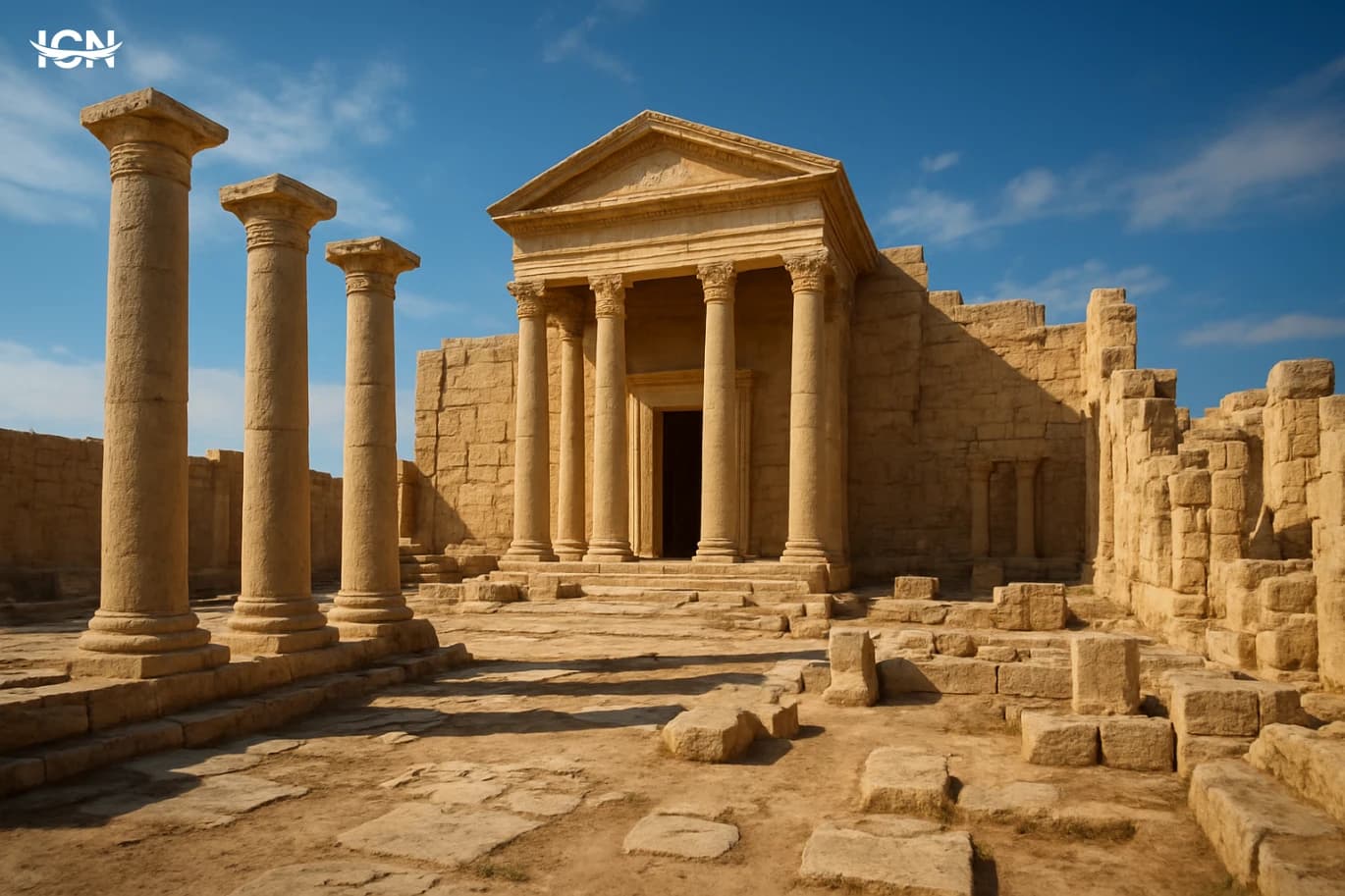
Opening of the Grand Egyptian Museum
- Introduction to the Grand Egyptian Museum
- History of the establishment of the Grand Egyptian Museum
- Museum location and architectural spaces
- Content and sections of the museum
- Technologies used in the museum
Introduction to the Grand Egyptian Museum
A. The importance of the museum in tourism and culture: The Grand Egyptian Museum is considered one of the most prominent cultural and tourist attractions in Egypt. The museum offers a unique collection of ancient antiquities, making it a distinctive tourist destination. The museum contributes to promoting cultural tourism and attracts local and international visitors, which supports the national economy. for. Project objectives and national importance: The project aims to preserve the ancient Egyptian heritage and present it in a manner consistent with international standards. It also aims to provide an educational environment for visitors, enhancing the cultural and historical understanding of the community. Establishing the museum in Egypt is evidence of the national commitment to preserving the country’s cultural and historical identity.
History of the establishment of the Grand Egyptian Museum
A. Project background and developments The idea of establishing the Grand Egyptian Museum began in the early second millennium, as part of a huge government project aimed at strengthening Egyptian culture and identity. Many meetings and studies took place to determine the appropriate location, and the pyramid area was chosen to be the site of the museum, due to its proximity to the famous monuments. for. Construction and development stages The project was divided into several stages, with the actual construction work beginning in 2002. Large sums of money were invested by the government and international bodies to complete it, as the stages included designing exhibitions, arranging the display, and logistics services. As the museum became operational, it became a symbol of modernity and heritage.
Museum location and architectural spaces
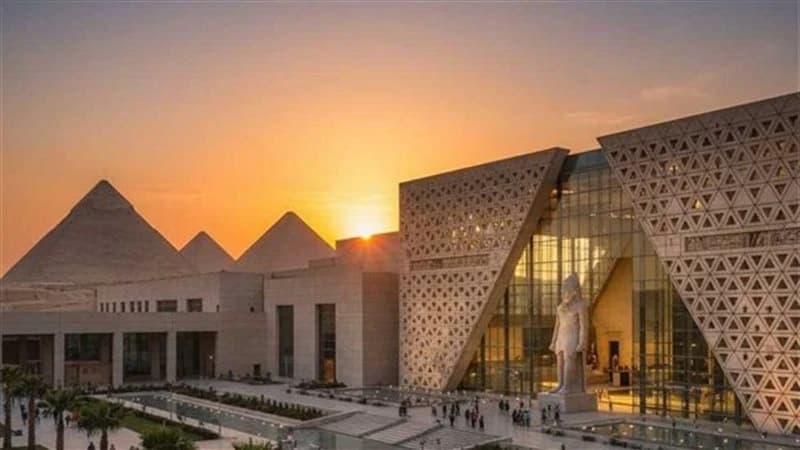
A. Geographical location and space distribution The geographical location of the Grand Egyptian Museum was carefully chosen, as it is located near the Giza Pyramids, giving visitors a rich cultural experience. The museum extends over a vast area that allows for the organization of various exhibitions, including multiple exhibition halls and educational areas. It welcomes visitors with glass facades that reflect the aesthetics of the pyramids, making it a major attraction for local and international visitors. for. Architectural designs and environmental standards The museum's architectural designs are characterized by innovation and harmony with the surrounding environment. Sustainable materials were used in construction, with strict adherence to environmental standards. The museum's design reflects ancient Egyptian traditions with a modern touch, making it a landmark in the contemporary architecture scene.
Content and sections of the museum
A. Collections of antiquities on display: The halls of the Grand Egyptian Museum contain valuable collections of Pharaonic antiquities, including statues, jewelry, and daily tools that reflect the civilization of ancient Egypt. These collectibles were carefully selected to provide a comprehensive picture of the country's history. for. Specialized Sections and Permanent Exhibitions The museum's specialized sections are designed to provide unforgettable educational experiences. The museum contains permanent exhibitions highlighting the most important historical periods, and it also organizes temporary exhibitions that give visitors the opportunity to see new discoveries. All this makes the museum an integrated cultural destination that meets the interests of all visitors.
Technologies used in the museum
A. Modern technologies for display and documentation Museums use modern technologies such as interactive screens and 3D imaging to document antiquities and display them in an attractive way. These technologies contribute to providing detailed information about each piece, which enhances the visitor’s experience and gives him a deep understanding of ancient Egyptian history. for. Security and surveillance systems Museums also rely on advanced security systems to ensure the protection of valuable collections. These systems include surveillance cameras, alarms, and an access control system to prevent any attempts at theft or vandalism. These measures ensure the preservation of cultural heritage and create a safe environment for visitors.