Nine Arabic Memoirs Worth Reading
- Why Arabic memoirs matter
- Childhood and formation
- Writing, journalism, and public voice
- Identity, education, and crossing borders
- A ninth book and how to choose your next read
Why Arabic memoirs matter
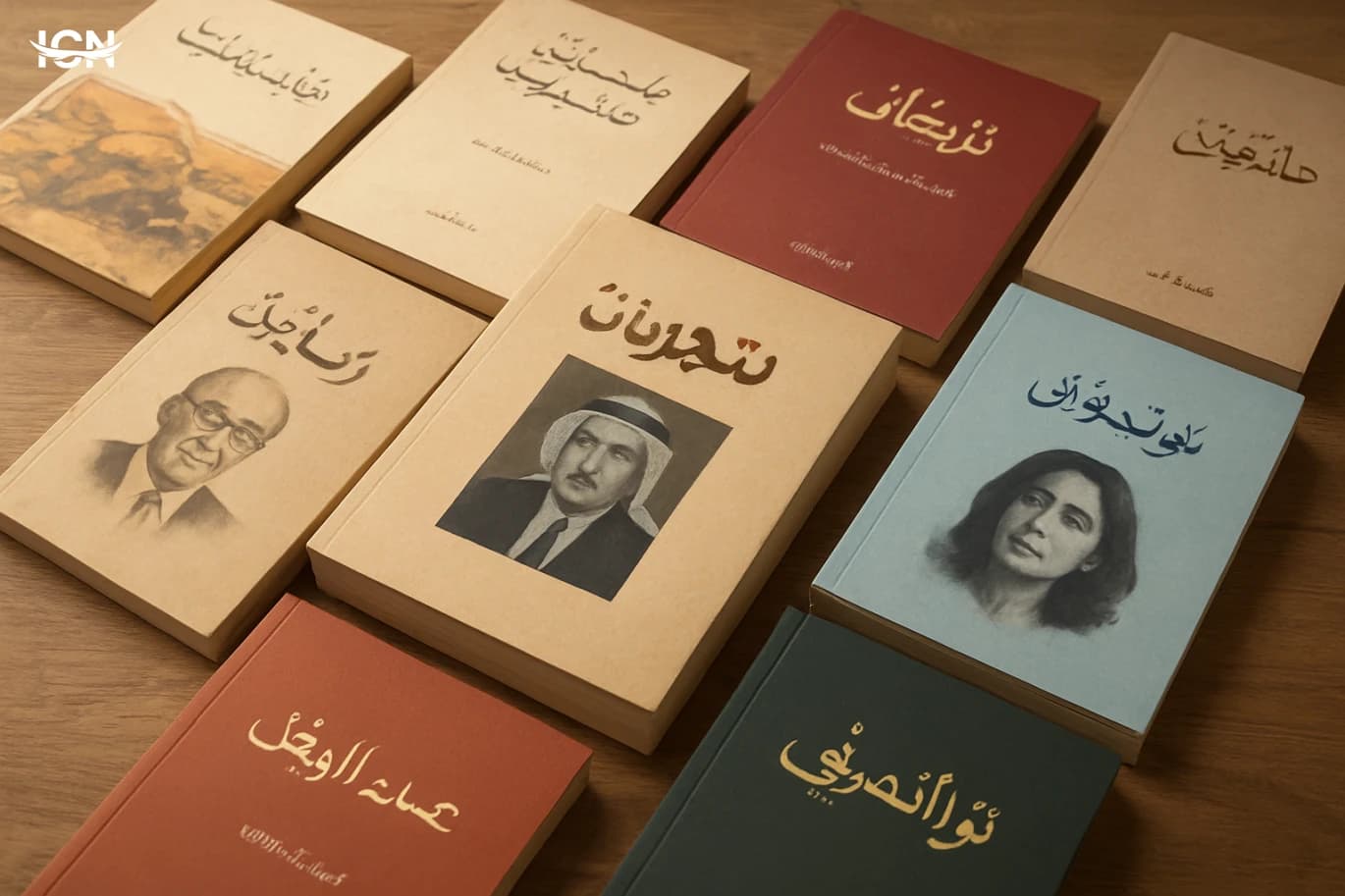
Arabic autobiographies and memoirs are more than personal stories; they are records of education, work, travel, and social change told from inside the experience. They help readers understand how writers, thinkers, and public figures built their careers, handled setbacks, and negotiated the expectations of family and society. In many cases, the memoir becomes a practical guide to decision-making: how to learn, how to write, how to lead, and how to keep a clear sense of purpose. This selection focuses on nine widely known Arabic autobiographical works that open windows onto different environments: rural childhoods, city life, journalism, literature, public service, and intellectual debates. The books vary in style—some are reflective and literary, others are direct and documentary—but they share a commitment to describing real events, real places, and the daily details that shape a person’s path. The goal is not to rank them, but to map a set of influential stations in modern Arabic life writing.
Childhood and formation
1) Taha Hussein, “Al-Ayyam” (The Days). One of the most read Arabic autobiographies, it traces a childhood shaped by family life, early schooling, and the author’s determination to pursue learning despite obstacles. The book is often discussed for its clear narrative arc: from village routines to the wider world of study, and from dependence to self-reliance. Readers return to it for its concrete scenes of education, discipline, and the social meaning of knowledge. 2) Abbas Mahmoud al-Aqqad, “Ana” (I). Al-Aqqad’s memoir is a portrait of self-education and intellectual independence. It highlights how reading, debate, and personal standards can replace formal pathways when resources are limited. The value of the book is in its detailed account of building a mind: what to read, how to argue, and how to maintain a consistent work ethic. 3) Ahmed Amin, “Hayati” (My Life). This memoir offers a structured look at personal development through study and public work. Amin describes the steps of moving from student life into professional responsibilities, showing how institutions, mentors, and daily routines shape long-term outcomes. It is especially useful for readers interested in how a writer organizes his time, chooses projects, and balances ambition with realistic constraints.
Writing, journalism, and public voice
4) Mohamed Hassanein Heikal, “Sira Hayat” (A Life Story). Heikal’s autobiography is closely tied to the craft of journalism and the discipline of gathering information. It shows how a reporter builds sources, checks facts, and turns daily work into a long-term archive. For readers, the book is a practical case study in professional habits: writing under deadlines, learning from editors, and understanding institutions from the inside. 5) Anis Mansour, “Around the World in 200 Days.” While often read as travel writing, it also functions as a personal record of a writer observing societies, workplaces, and everyday customs across multiple countries. Mansour’s value lies in his attention to detail: transportation, schedules, conversations, and the small observations that reveal how people live. The book demonstrates how curiosity and documentation can expand a writer’s range and sharpen his descriptive skills. 6) Ghada al-Samman, “My Story with Writing.” This work is frequently approached as a memoir of a literary life: how a writer develops her voice, deals with publishing realities, and protects her time for creative work. It gives readers a grounded look at the practical side of authorship—drafting, revising, correspondence, and the long effort required to sustain a writing career.
Identity, education, and crossing borders
7) Edward Said, “Out of Place.” Although written in English, it is widely read in Arabic translation and is central to modern Arab memoir discussions. Said documents a life shaped by schools, languages, and frequent moves, showing how education can be both opportunity and pressure. The memoir is valuable for its precise descriptions of classrooms, family expectations, and the long-term impact of early training on professional identity. 8) Hisham Matar, “The Return.” Also known through Arabic translation, this memoir combines personal recollection with careful reporting of places, documents, and conversations. It shows how memory is tested by time and how a writer reconstructs a life story through visits, interviews, and archival traces. Readers interested in narrative craft learn how to balance private experience with verifiable detail, and how to write with clarity when the subject is complex. These two books expand the list beyond works originally written in Arabic while staying within the Arabic reading sphere. They reflect how Arabic memoir culture today is shaped by translation, diaspora experiences, and multilingual education, and how readers use memoirs to compare life paths across different systems of schooling and work.
A ninth book and how to choose your next read
9) Nawal El Saadawi, “Memoirs of a Woman Doctor.” Often read as a professional coming-of-age narrative, it follows the formation of a medical career alongside the author’s growth as a writer. The memoir is specific about study demands, workplace hierarchies, and the discipline required to keep learning. For many readers, its strength is the practical depiction of training years and the transition from student identity to professional responsibility. How to choose among these nine? Start with what you want to learn. If you are interested in early education and the social value of knowledge, “Al-Ayyam” is a strong entry point. If you want a model of self-directed learning and intellectual rigor, “Ana” offers a clear example. For a structured account of building a career through institutions, “Hayati” is useful. If your focus is professional writing and information work, Heikal’s “Sira Hayat” provides concrete lessons. For observation skills and broad exposure, Mansour’s travel memoir is accessible. If you want a close look at the daily mechanics of authorship, Ghada al-Samman’s reflections are relevant. If you are drawn to multilingual education and life across borders, Said and Matar offer detailed, modern memoir forms. And if you want a memoir anchored in professional training and persistence, El Saadawi’s book is a clear choice. Together, these works show that Arabic life writing is not one template. It is a set of methods for recording experience: scene-by-scene childhood memory, disciplined professional documentation, and reflective accounts of learning and work. Reading them as a group helps readers see how individual choices interact with schools, jobs, and cultural expectations to produce a life story worth studying.