Nebuchadnezzar

- Definition of Nebuchadnezzar
- The Babylonian Empire Administration
- Nebuchadnezzar's life life
- Wars and conflicts during the era of Nebuchadnezzar Nasr
- The legacy and influence of Nebuchadnezzar
Definition of Nebuchadnezzar
Early life and origination Nebuchadnezzar II is the king of the new Babylonian kingdom, born in 634 BC. He is considered one of the greatest rulers of Babylon, as he is famous for his strong rule and architectural achievements. He grew up in a royal family, as he was characterized by his passion for politics and military since his childhood. Military victories and imperial expansion led Nebuchadnezzar many military campaigns that greatly expanded his kingdom. He managed to control the Kingdom of Judah, and occupied Jerusalem in 586 BC, resulting in the destruction of the temple. He also established the foundations of advanced infrastructure, such as the hanging gardens of Babylon, which is considered one of the seven wonders of the world.
The Babylonian Empire Administration
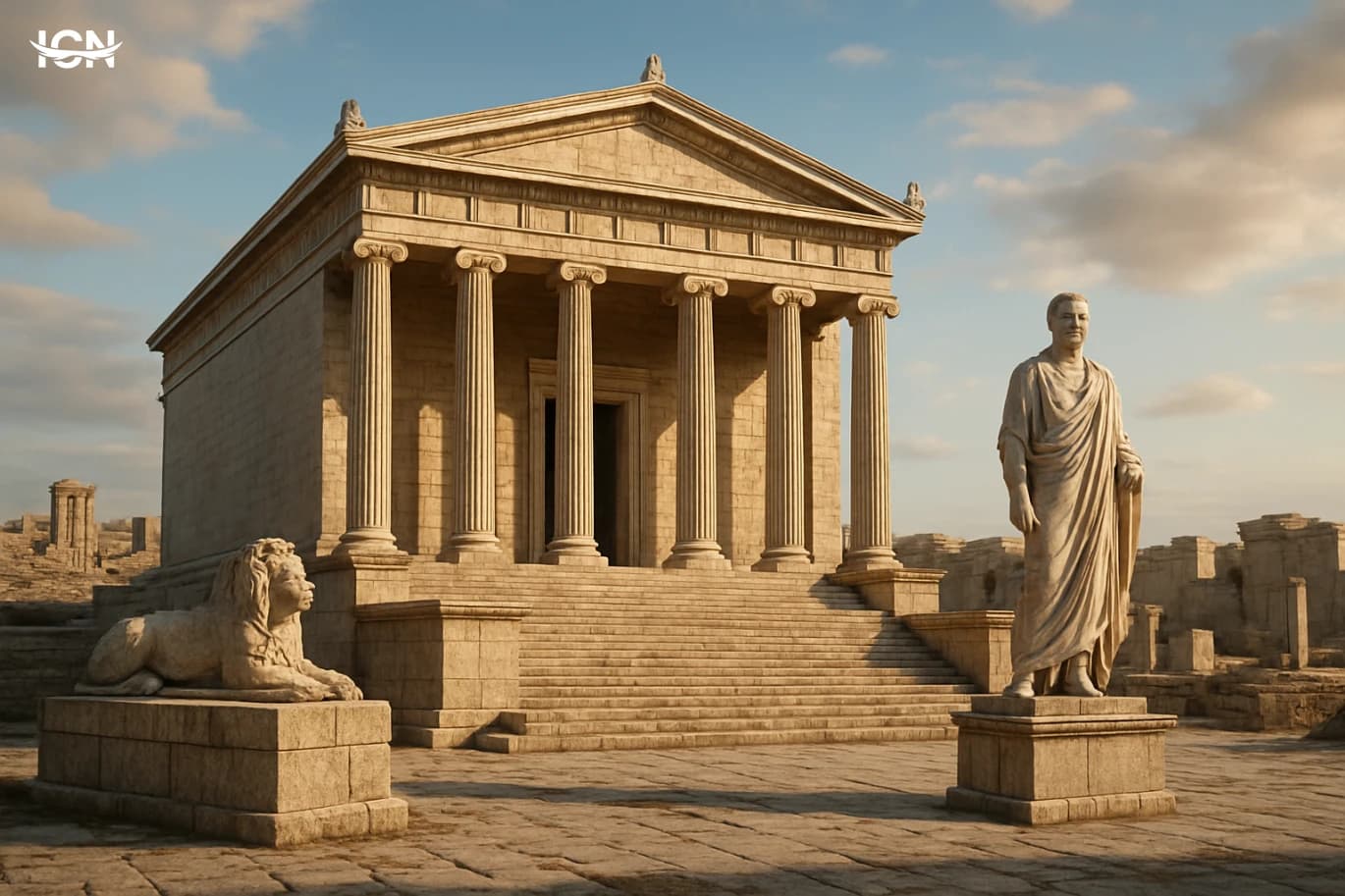
The administrative and political system Nebuchadnezzar was not only a military leader, but also a brilliant administrative governor. He created an effective administrative system that guarantees control over the empire. By appointing reliable governors in the occupied areas, he managed to manage the Kingdom's affairs smoothly, which helped to enhance the stability of his rule. Culture and arts during his reign under the rule of Nebuchadnezzar, Babylon witnessed a cultural and artistic renaissance. Several temples and palaces that reflect the unique Babylonian architecture were built. He also supported the arts and literature, which contributed to leaving a rich cultural heritage, as this period was considered one of the most creative periods in the history of Babylon.
Nebuchadnezzar's life life
Personal and family relations Nebuchadnezzar was known for his strong relationships with his family and his news of state men. He married several women, which helped him to strengthen his political alliances. He also had children who took care of them and worked to teach them to be leaders in the future, ensuring the continuity of his family's rule. Hobbies and interests Nebuchadnezzar was interested in science and arts, as it allocated time to explore different philosophies. I love astronomy, and he was following the stars and their movement, which contributed to the development of accurate time calendars. These interests helped him build a comprehensive perception of his country's role in a changing world, which greatly affected his political and administrative decisions.
Wars and conflicts during the era of Nebuchadnezzar Nasr
Internal conflicts Nebuchadnezzar faced many internal challenges during his rule, as there were conflicts over power between some classes of society. However, thanks to his political and military strength he was able to control the internal conditions and unify the kingdom under his leadership, which strengthened his authority and rule. External wars and strategic alliances at the external level, Nebuchadnezzar fought many wars with neighboring countries, including Egypt and Phenicia. He managed to expand his kingdom and restore the lands lost in previous wars. Strategic alliances were also concluded with some forces, which helped him achieve his military and political goals in the region.
The legacy and influence of Nebuchadnezzar
The cultural and religious influence Nebuchadnezzar had a prominent role in shaping culture and religion in his country. He building temples and developing arts, which contributed to the revival of cultural heritage. It also helped spread the Babylonian religion and enhance the beliefs of the people, which had a profound impact on people's cultural identity. The impact on historical development historically, Nebuchadnezzar is considered one of the most prominent military leaders, as its victories affected the course of events in the region. His empire contributed to the formation of ancient history and is often referred to as a symbol of power and power, which affected the subsequent societies.