Money launder
- the introduction
- Money laundering methods
- Money laundering effects
- International Money Laundering Legislation Legislation
- Middle East money laundering operations
the introduction
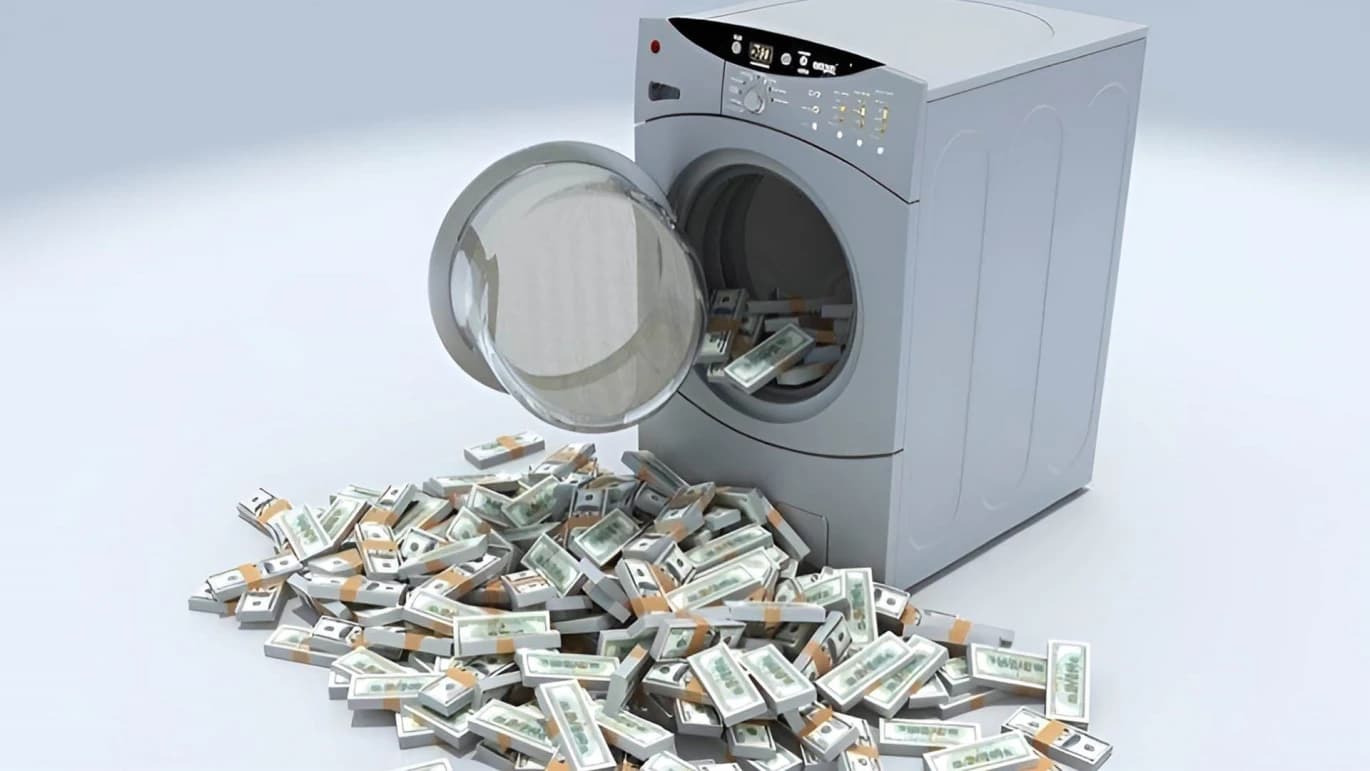
The definition of money laundering money is the process of transferring the money resulting from illegal activities into fundamental funds. This includes a set of methods to hide the true source of money, which makes it difficult for the authorities to follow. This is usually done by transferring money between different accounts, or using interface companies to legitimize these funds. The goal is to achieve the profit that returns from these activities without revealing its true source. The date of money laundering began money laundering with the emergence of the global economy and organized crimes, as criminals have developed complex strategies to conceal criminal activities. These practices can be returned to several decades ago, and they coincided with increasing control of financial activities. However, with the development of technology, the complications of crimes increased, which led to an urgent need to develop more striking laws to combat them.
Money laundering methods
Fake investments criminal gangs use fake investments as one of the money laundering methods. They create ineffective or fake companies to receive illegal funds, which gives the impression that they are caused by legal activities. This helps to hide the real source of money. Illegal trade is also illegal trade of common methods. This trade includes goods that are sold in illegal ways, such as drugs or weapons. Money laundering is facilitated through suspicious financial transactions in this trade. The secret transportation and exchange of commodities enhances the difficulty of tracking money and redirecting it towards legitimate purposes.
Money laundering effects
The negative economy is money laundering has significant negative effects on the economy. It leads to undermining financial markets and distorting competition. Unlawful companies acquire an unfair advantage over legitimate companies, which impedes the growth of the general economy and causes additional costs for society. Impact on public safety The money laundering crimes increase the crime rate in societies. The money wash is often used to support other criminal activities, which enhances an inappropriate environment. The increase in organized crimes affects the quality of life and limits the stability of society as a whole.
International Money Laundering Legislation Legislation
Money Laundering Agreements are working on developing international money laundering agreements, such as the Palermo Convention and the Vienna Convention. These agreements aim to enhance cooperation between countries to exchange information and confront this cross -border crime. It provides a binding legal framework for member states. International Money Laundering Control Bodies, bodies such as the Financial Working Group (FATF) monitors the implementation of states to anti -money laundering legislation. These bodies work to set standards to avoid financing terrorism and contribute to improving global financial systems. Cooperation between countries is necessary to enhance the effectiveness of these efforts.
Middle East money laundering operations
Case studies The region records many money laundering cases that are often associated with financing illegal activities. By analyzing these cases, it is clear that there are advanced methods used to hide the real source of money. Local authorities, in cooperation with international bodies, are enhancing their capabilities to address these activities. The development of financial crimes with the development of technology, the complexity of financial crimes in the Middle East increases. The use of digital currencies and illegal sites flourished, facilitating money laundering operations. Consequently, states require the promotion of laws and control to ensure the effectiveness of combating this crime.