App Logo

Download Our App

Shop your way

logologo
Image

Metronidazole Overdose

01/22/2025By: ICN
Metronidazole Overdose

Concept and definition

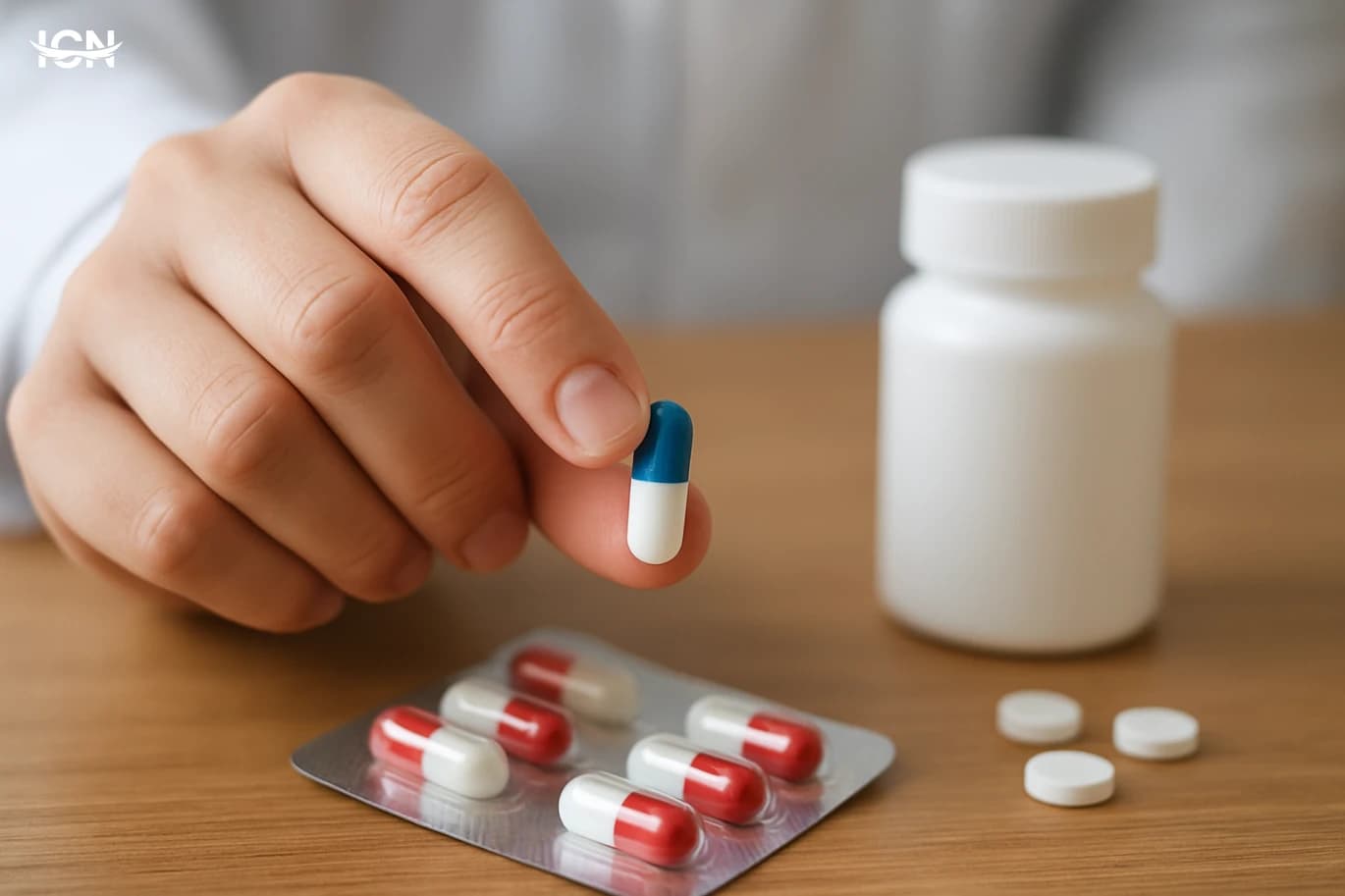
Definition of Metronidazole Overdose Metronidazole overdose occurs when a person takes more than the recommended amount of the drug. This can lead to serious side effects or health complications, as this drug is an effective antibiotic used to treat certain types of infections caused by bacteria and parasites. Causes of Overdose Overdose usually occurs due to failure to adhere to medical instructions, whether due to misunderstanding or omission. Sometimes, patients try to increase the dose in the belief that this will speed up recovery. It is important to highlight that any change in the dose should be under the supervision of a qualified physician to ensure the safety of the patient.

Symptoms and signs

Common Symptoms of Overdose When a person overdoses on metronidazole, they may experience several symptoms including nausea, vomiting, headache, and dizziness. The patient may also experience stomach pain and digestive disturbances. In some cases, the patient may experience sleep disturbances and anxiety attacks. Vital Signs of Poisoning It is important to monitor vital signs that may indicate poisoning, such as high blood pressure, rapid heart rate, and increased body temperature. Individuals who experience any of these symptoms should go to the emergency room for immediate medical evaluation.

Impact on health

Effects of Overdose on General Health An overdose of metronidazole can cause long-term negative effects on a person’s health. These effects can affect the liver and kidneys, leading to greater health problems. It is essential that the patient receives immediate medical attention after an overdose to reduce the risk. Precautions to Avoid Side Effects To avoid overdose, individuals should stick to the prescribed doses and not exceed them. It is also important to read the instructions on the package and consult a doctor if there are any doubts about the correct dose. Maintaining communication with the medical team can help avoid serious side effects.

Treatment and first aid

Overdose Treatment Steps When an overdose of metronidazole occurs, individuals should follow clear steps for treatment. First, they should contact a doctor or poison control center immediately to report the incident. Next, if severe symptoms such as vomiting or confusion occur, the patient should be taken to the nearest hospital. There, doctors will perform the necessary tests and provide appropriate treatment to minimize the negative impact of the overdose. The importance of immediate emergency medical care Immediate emergency medical care can have a significant impact on patient safety outcomes. The sooner intervention is initiated, the greater the chances of minimizing potential damage and speeding up recovery. Therefore, any signs of an overdose should be responded to immediately.

Doctor's consultation and medical communication

The role of the doctor in cases of overdose When an overdose occurs, the doctor plays a crucial role in diagnosing the condition and providing appropriate treatment. The doctor conducts the necessary tests to determine the extent of the overdose’s effects on the body and decides on the appropriate treatment plan for the patient’s condition, which includes the necessary medications or other procedures to detoxify. Instructions for following the treatment of overdose It is important for individuals to adhere to medical instructions precisely. They must follow the prescribed medication schedules and not exceed the specified quantities, in addition to reporting any new symptoms that appear after treatment. Proper interaction with doctors can contribute greatly to a speedy recovery.


* All articles published on this blog are sourced from various websites and are provided for informational purposes only. They should not be considered as confirmed studies or accurate information. Please verify the information independently before relying on it.

Similar ARTICLES

Safe Antibiotic Use for Common Infections
Antibiotics are designed to treat bacterial infections, yet they are frequently taken for illnesses caused by viruses, such as most colds, many sore throats, and the flu. This mismatch happens because early symptoms can look similar, and people often want a quick fix when they feel unwell. Another driver is leftover pills at home or advice from friends, which can lead to self-prescribing without a diagnosis. Misuse also includes stopping treatment early when symptoms improve, taking the wrong dose, or sharing medication. These practices can allow some bacteria to survive and adapt, making future infections harder to treat. On a community level, repeated misuse contributes to antibiotic resistance, which increases the chance that routine infections require stronger drugs, longer treatment, or more medical visits. Understanding what antibiotics can and cannot do is the first step toward safer, more effective care.
Safer Antibiotic Use in Everyday Care
Antibiotics are designed to treat bacterial infections, but many common illnesses that send people to clinics are caused by viruses. Colds, most sore throats, and many cases of bronchitis do not improve with antibiotics, and taking them “just in case” can create avoidable side effects such as diarrhea, nausea, skin rash, and yeast infections. It can also complicate future care by making it harder to know whether symptoms are from the illness or from the medication. A practical way to think about antibiotics is that they are targeted tools, not general symptom relievers. They do not reduce fever reliably, they do not shorten viral illness duration, and they do not prevent viral infections from “turning into” bacterial infections in most healthy people. When antibiotics are used without a clear bacterial diagnosis, the individual may feel no benefit while still taking on the risks. This matters beyond one person’s prescription. Unnecessary antibiotic exposure contributes to antibiotic resistance, where bacteria adapt and become harder to treat. Resistance can develop in a person’s own bacterial flora and can spread in communities through routine contact. Safer antibiotic use starts with recognizing when they are unlikely to help and being comfortable with supportive care while monitoring for warning signs that do require medical review.
Safe Antibiotic Use Without Common Mistakes
Antibiotics are designed to treat bacterial infections, yet they are frequently taken for illnesses they cannot help, such as colds and most sore throats caused by viruses. This mismatch is one of the main reasons people feel “the medicine didn’t work,” or stop early and keep leftover pills for later. Misuse also happens when someone takes a friend’s prescription, uses an old antibiotic from a previous illness, or chooses a broad-spectrum drug “just in case” without medical guidance. Another common driver is time pressure. Patients may expect a quick fix, while clinicians face short visits and limited access to rapid tests. In some settings, antibiotics are still easy to obtain without a prescription, which encourages self-treatment. The result is not only wasted medication but also higher risk of side effects, drug interactions, and the spread of antibiotic resistance, which makes future infections harder to treat.
Safe Use of Antibiotics for Common Infections
Antibiotics are designed to treat infections caused by bacteria, yet many everyday illnesses are viral and will not improve with an antibiotic. Colds, most sore throats, many sinus symptoms, and most cases of acute bronchitis are commonly triggered by viruses, where rest, fluids, and symptom relief are the main tools. Taking an antibiotic in these situations can expose you to side effects without any benefit, and it can also disrupt normal gut bacteria, leading to diarrhea or yeast overgrowth. Another practical issue is that unnecessary antibiotic use contributes to antibiotic resistance, meaning future bacterial infections may become harder to treat. A useful way to think about it is to focus on the likely cause and the expected timeline: viral illnesses often peak in a few days and gradually improve, while certain bacterial infections may worsen, persist, or present with specific signs. Clinicians use symptoms, physical exam findings, and sometimes rapid tests or cultures to decide whether antibiotics are appropriate. Understanding this difference helps patients ask better questions and avoid medications that will not help.
Safe Antibiotic Use in Everyday Care
Antibiotics are designed to treat bacterial infections, yet they are frequently taken for illnesses that do not benefit from them, such as most common colds and many sore throats caused by viruses. This mismatch happens because symptoms can look similar across different infections, and people often want a quick fix when they feel unwell. Another driver is leftover medication at home, where a few tablets from a past prescription seem like a convenient option. Some patients also stop early when they feel better, saving the rest “just in case,” which increases the chance that bacteria survive and return. Misuse is not only a personal issue; it affects communities. When antibiotics are taken unnecessarily or incorrectly, bacteria can adapt and become harder to treat. That can lead to longer illnesses, more doctor visits, and the need for stronger or more expensive medicines. In everyday care, the most practical goal is to use antibiotics only when they are likely to help, and to use them in a way that gives the best chance of clearing the infection the first time.
Safe Antibiotic Use in Everyday Illness
Antibiotics are designed to treat bacterial infections, yet many people expect them to work for colds, flu, and most sore throats, which are usually caused by viruses. This mismatch drives unnecessary prescriptions and self-medication, especially when symptoms feel severe or linger. In everyday practice, misuse also happens when someone takes leftover pills from a previous illness, borrows medication from a family member, or stops treatment early once they feel better. Each of these behaviors can reduce effectiveness, increase side effects, and contribute to antibiotic resistance. A common source of confusion is that viral and bacterial infections can share symptoms such as fever, fatigue, cough, and congestion. Without proper evaluation, it is easy to assume “stronger medicine” is needed. Another factor is time pressure in clinics, where patients may request antibiotics to avoid missing work or school. In some settings, access to antibiotics without a prescription further increases inappropriate use. Understanding the purpose of antibiotics and the limits of what they can do is the first step toward safer, more effective care.
Safe Antibiotic Use Without Guesswork
Antibiotics treat bacterial infections, but many everyday illnesses are viral and do not improve with these medicines. Colds, most sore throats, and many cases of bronchitis typically resolve with rest, fluids, and symptom relief, yet antibiotics are still frequently requested or taken “just in case.” This mismatch matters because unnecessary exposure can cause side effects such as diarrhea, nausea, rashes, and yeast infections, and it can disrupt the gut microbiome for weeks. It also accelerates antibiotic resistance, making future infections harder to treat for the individual and the community. Misuse also happens when people save leftover tablets, share prescriptions with family members, or stop early once they feel better. Another common problem is taking the wrong drug for the suspected infection, such as using an antibiotic that does not cover the likely bacteria or cannot reach the infection site effectively. Inappropriate dosing is equally important: taking doses too far apart, skipping doses, or doubling up without guidance can reduce effectiveness and increase adverse reactions. Understanding these patterns is the first step toward safer, more reliable outcomes.
almhdyat
almhdyat
Sedatives are medications that calm the central nervous system, reducing tension and anxiety, and promoting relaxation or sleep. They are commonly used to treat anxiety, insomnia, panic attacks, and some psychiatric and neurological disorders. Main types of sedatives: Benzodiazepines: Examples: Diazepam (Valium), Lorazepam (Ativan), Alprazolam (Xanax). Uses: For anxiety, insomnia, muscle spasms, and epileptic seizures. May be addictive if used for long periods. Barbiturates: Examples: Phenobarbital. Uses: Historically used as hypnotics and anticonvulsants. Rarely used today due to the risk of addiction and toxicity. Non-benzodiazepine sedatives (Z-drugs): Examples: zolpidem (Ambien), zaleplon, eszopiclone. Use: To treat insomnia and are considered less addictive than benzodiazepines. Antihistamines: Examples: hydroxyzine, diphenhydramine (Benadryl). Use: To relieve mild anxiety and aid sleep. Less risky but may cause severe drowsiness. Herbal/Natural Sedatives: Examples: chamomile, valerian root, lavender, kava. Use: To reduce stress and improve sleep naturally. Important Warning: Prescription sedatives should be taken with a prescription and under medical supervision because they can cause addiction or serious side effects when misused. Do not mix with alcohol or other sedatives.
Non -steroidal anti -inflammatory
The definition of non -steroidal anti -inflammatory anti -inflammatory drugs is a group of medications used to relieve pain and reduce infections. These medications work by inhibiting certain enzymes in the body, which reduces the production of chemicals responsible for inflammation and pain. The date of the use of non -steroidal anti -inflammatory drugs has begun to use non -steroidal anti -inflammatory drugs several decades ago, as it witnessed a remarkable development in its composition and shapes. Among the most prominent of which is aspirin, which was used as the first non -steroidal anti -inflammatory, followed by the development of new drugs with greater effectiveness. With scientific progress, its use has become common to treat many cases, providing an effective relief for patients.
By clicking the SUBSCRIBE button, you are agreeing to our Privacy & Cookie Policy If you want to unsubsribe the marketing email, please proceed to our privacy center.
© 2005-2026 ICN. All Rights Reserved.