Major functions in business administration
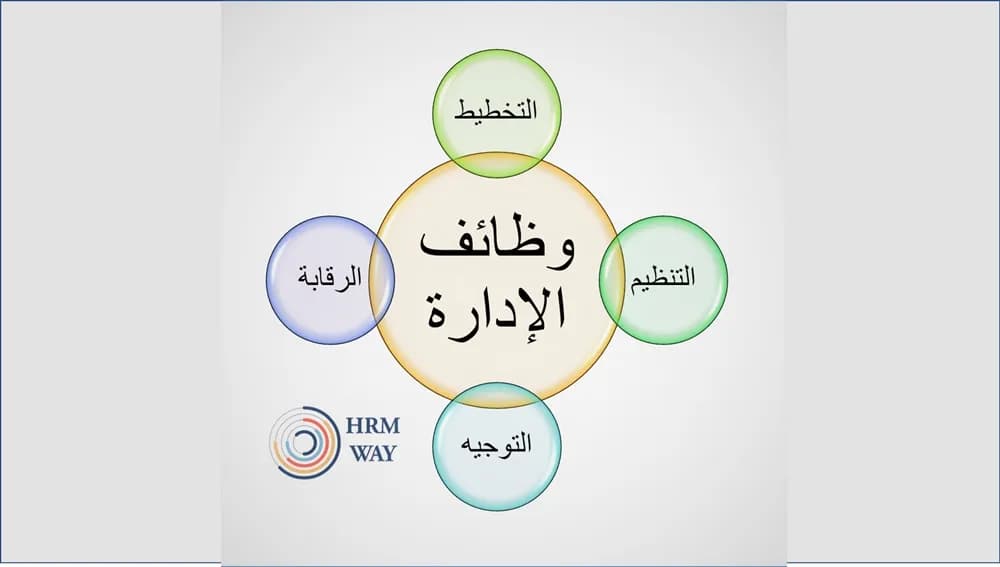
- Introduction to business administration
- Planning and organizing
- Leadership and communication
- Make decisions
- Monitoring and evaluation
Introduction to business administration
The concept of business management Business management: It is the process of organizing and coordinating various activities within the facility to ensure the achievement of the desired goals. These processes include planning, organising, leading and controlling, and are aimed at improving efficiency and work productivity. Understanding the concept of business management is essential for anyone seeking to enter the world of business and the success of an organization. The importance of business administration in organizations Business administration is of great importance in the success of any organization, as it contributes to making informed decisions and enhancing teamwork. It also helps in setting strategic goals and analyzing the market, which helps the company adapt to changes. In the end, effective management is the backbone of any successful sector.
Planning and organizing
The role of planning in achieving goals: Planning is the first step towards achieving specific goals, as it contributes to setting clear strategies and time frames to achieve the desired results. Planning also helps avoid chaos and provides an organized path of action. Foundations of Administrative Organization The foundations of administrative organization relate to distributing tasks and defining responsibilities, which facilitates the process of achieving goals efficiently. Successful business organization depends on improving coordination between different teams and organization resources, which enhances performance effectiveness. Through these two elements, organizations can ensure their sustainability and adaptability to market changes.
Leadership and communication
Leadership Skills in Business Administration Leadership: represents the ability to direct and motivate individuals to achieve common goals. Leaders need skill in making decisions, solving problems, and promoting teamwork. By developing these skills, leaders can build effective relationships and provide ongoing support to teams. Internal and External Communication Strategies Effective communication strategies are an essential element in business success. It requires clear channels of internal communication between teams, as well as external communication strategies with customers and partners. The effectiveness of communication depends on communicating messages clearly and transparently, which enhances the building of trust and contributes to achieving the desired goals.
Make decisions
Effective decision-making processes Decision-making: is a vital process that requires analyzing data and evaluating available alternatives. A leader must have the ability to gather information from multiple sources, understand different contexts, and use this knowledge to make informed decisions. These processes should focus on achieving organizational goals and enhancing overall performance. Decision support tools in business management In the context of business management, decision support tools contribute to accelerating and improving decision-making processes. It is important to use modern software and technologies to analyze data, which helps leaders identify potential risks and opportunities. Effective use of these tools enhances confidence in the decisions being made.
Monitoring and evaluation
Methods of control and follow-up Control: It is one of the basic elements to ensure the achievement of the desired goals. Effective methods include setting clear standards and regularly monitoring workflow. Managers must activate continuous communication with teams to ensure rapid adaptation to any challenges that may arise. Evaluating and Improving Performance Performance evaluation requires periodic reviews of the performance of individuals and teams. It is important that key performance indicators (KPIs) are used to identify strengths and weaknesses. Through this, the necessary skills can be enhanced and performance can be continuously improved, leading to increased productivity and effectiveness at work.