Kalila and Dimna
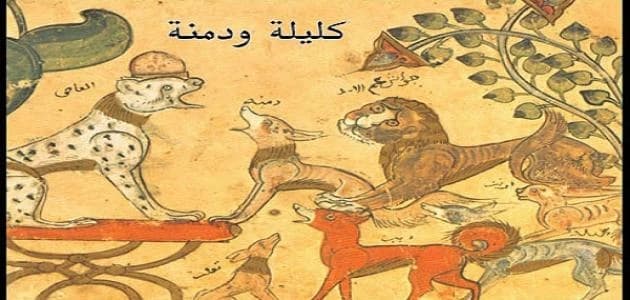
- Kalila and Dimna
- Introduction to the book Kalila and Dimna
- The author of the book and its various versions
- Themes and foundations of the stories in Kalila and Dimna
- Narrative and rhetorical methods in the text
- Error 504 (Server Error)!!1504.That’s an error.There was an error. Please try again later.That’s all we know.
Kalila and Dimna
A. The origin and history of the book: The book Kalila and Dimna is considered one of the most important literary books that is characterized by animal stories that deal with wisdom and sermons. This work was originally written by the Indian philosopher Bidpai in the third century BC. for. The importance of the book in world literature. The book has spread across different cultures, being translated into many languages, and it embodies human wisdom in an enjoyable narrative form. Therefore, Kalila and Dimna is an important reference for literary and philosophical studies, showing how stories can be used to effectively convey values and ideas.
Introduction to the book Kalila and Dimna
A. The origin and history of the book: The book Kalila and Dimna is considered one of the most important literary books that is characterized by animal stories that deal with wisdom and sermons. This work was originally written by the Indian philosopher Bidpai in the third century BC. for. The importance of the book in world literature. The book has spread across different cultures, being translated into many languages, and it embodies human wisdom in an enjoyable narrative form. Therefore, Kalila and Dimna is an important reference for literary and philosophical studies, showing how stories can be used to effectively convey values and ideas.
The author of the book and its various versions
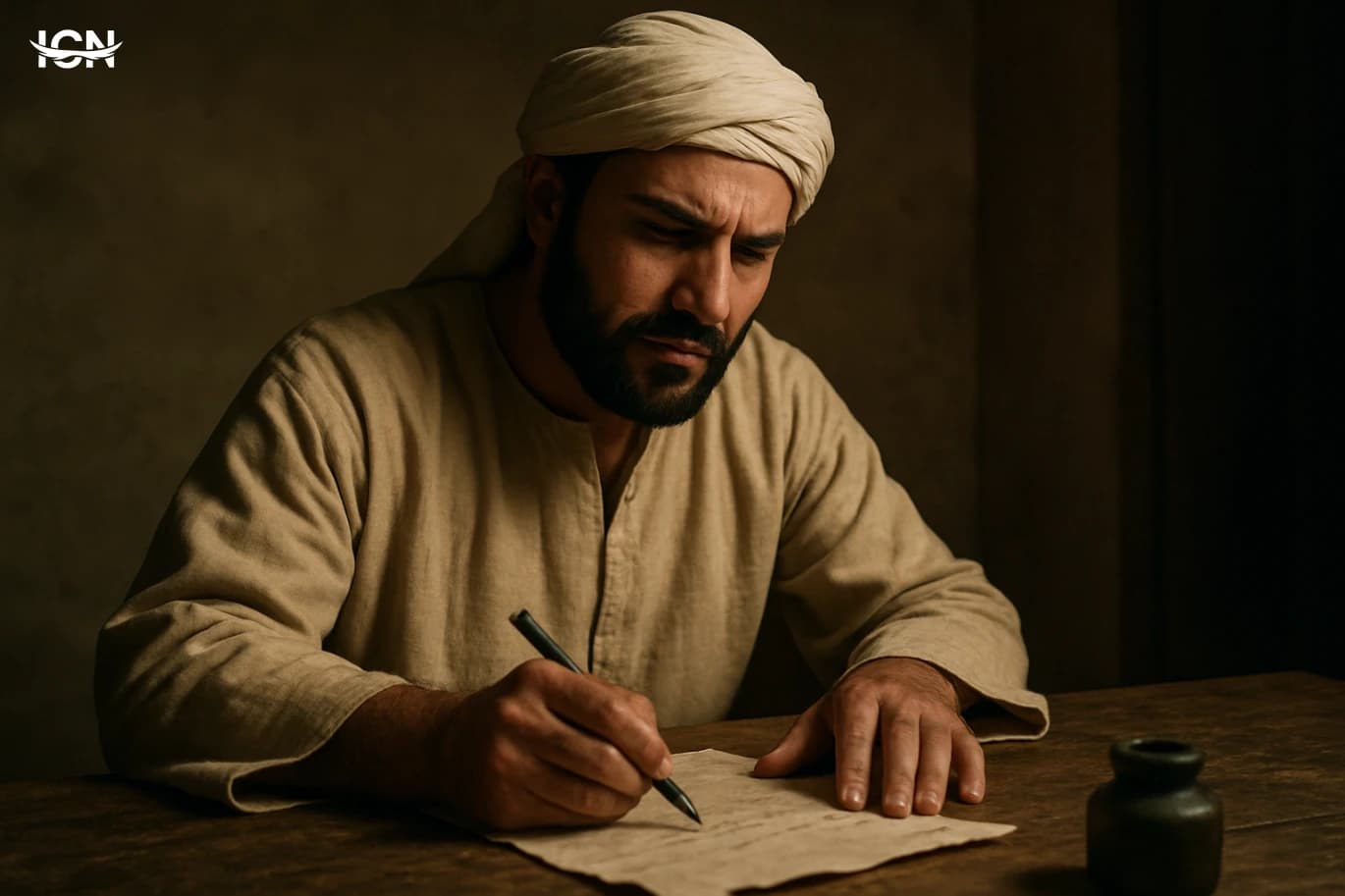
A. Who is Ibn al-Muqaffa? Ibn al-Muqaffa is the nickname of the well-known Persian writer Abdullah ibn al-Muqaffa, who translated Kalila and Dimna from Sanskrit to Arabic in the 8th century AD. His translations contributed to introducing Indian wisdom into Arab culture, making the book accessible to intellectuals and readers of the time. for. The different versions and stages of its development Throughout the ages, Kalila and Dimna were rewritten several times, and different versions emerged that were distinguished by the diversity of their style and language. These copies contributed to the spread of the book and increased its popularity, which earned it a prominent position in Arab and international literature.
Themes and foundations of the stories in Kalila and Dimna
A. Wisdom and Moral Lessons The tales in Kalila and Dimna are loaded with wisdom and moral lessons that reflect virtuous values, such as honesty and justice. This makes the book an effective educational tool for different generations, as readers benefit from learning through suspenseful stories. for. Using Animals as Symbols Ibn al-Muqaffa used animals as characters in his stories to embody human qualities. This style makes stories more engaging and easy to understand, as readers are able to see themselves in the characters and understand the deeper meanings to be deduced from the story.
Narrative and rhetorical methods in the text
A. Narrative style and persuasion The tales of Kalila and Dimna are distinguished by their narrative style, which combines narration and persuasion, which helps the reader easily absorb the lessons learned from each story. It relies on simple and attractive language that attracts the reader's attention and makes him interact with the events and characters. for. Proverbs and Aphorisms Stories are full of proverbs and aphorisms that reflect life philosophies and provide valuable guidance. These proverbs are not only part of the narrative, but also express wisdom rooted in social culture, which enhances the role of the book in teaching values and principles.
Error 504 (Server Error)!!1504.That’s an error.There was an error. Please try again later.That’s all we know.
A. Its impact on Islamic and Arab culture: “Kalila and Dimna” is considered one of the few literary works that left a profound impact on Islamic and Arab culture. Many writers and philosophers have been inspired to address topics of wisdom and morality, citing lessons learned from stories. It also contributed to developing the style of storytelling that Arabic literature later relied on, making it an important reference in literary philosophy. Therefore, these stories remain alive in our minds and represent an example of the intersection of literature and thought in building human knowledge.