How Cities Shape Personal Names

- Why place-based names keep spreading
- From London to Medina
- What the name signals socially
- How meanings change across languages
- Practical checklist for parents
Why place-based names keep spreading
Place-based names are no longer limited to aristocratic titles or old family lineages. In many countries, parents increasingly choose names that echo a city, a neighborhood, or a well-known landmark because the name carries a ready-made story. A child named after a place can signal where the family comes from, where they built their career, or a city that represents a turning point such as migration, study, or refuge. These choices are also influenced by popular culture: a film set in a city, a sports club identified with a town, or a musician associated with a scene can make a place name feel current and personal. The meaning of a place-based name often shifts as it travels. “Brooklyn” in the United States can suggest modern urban identity and creativity, while “Florence” may evoke art history and European heritage even for families with no direct link to Italy. In the Arab world, names tied to cities and regions can communicate belonging and pride, but they can also be chosen for their sound and prestige rather than literal geography. The key point is that place names function as social shorthand: they compress identity, aspiration, and memory into a single word that is easy to say and hard to forget.
From London to Medina
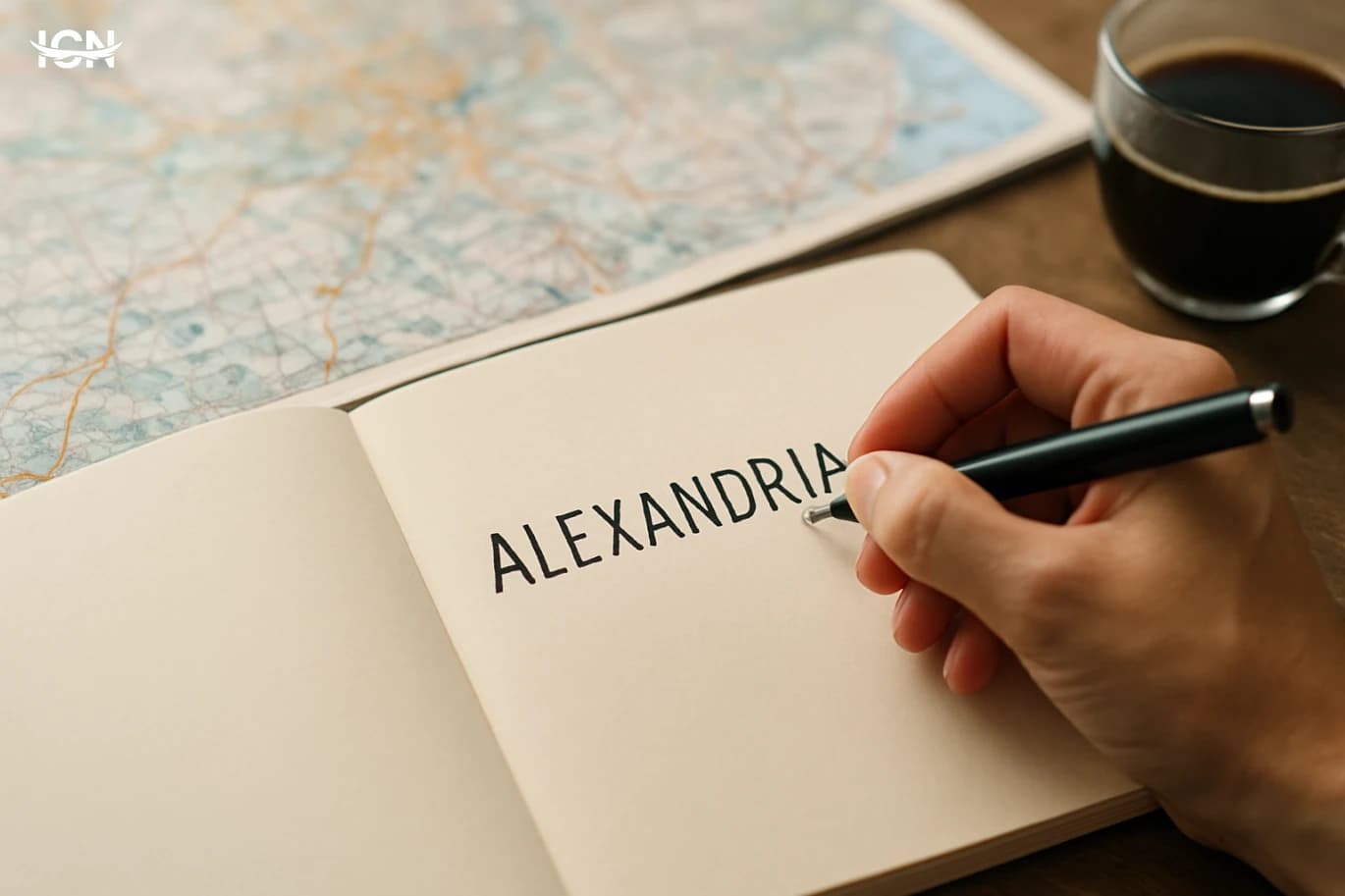
Some place names become personal names because they are already familiar internationally and easy to pronounce. “London” has been used as a given name in English-speaking countries for decades, often perceived as modern and gender-neutral. “Paris” followed a similar path, boosted by the city’s global brand and by celebrities who used it for their children. In these cases, the meaning is less about a family’s actual connection to the city and more about the associations: cosmopolitan life, fashion, travel, and a sense of global mobility. In Arabic-speaking contexts, the relationship between place and name can be more layered. “Madinah” or “Medina” can be chosen for religious and historical resonance, referring to the city’s central role in Islamic history. Names like “Sham” (the Levant) or “Najd” can signal regional identity, but they can also be used to honor grandparents, preserve a family narrative, or express attachment after displacement. Even when the name is not used directly, place influence appears through nisbas and family names that later become first names in some communities. It is important to note that the same place can produce different name forms. “Alexandria” may appear as “Alexandria,” “Alex,” or “Iskandariya” depending on language and family preference. Each form carries a different social signal: formal, casual, or culturally anchored. Parents often choose the version that fits their community while still keeping the place reference recognizable.
What the name signals socially
A place-based name can signal class, education, and cultural orientation, even when parents do not intend it. In some settings, a name like “Vienna” or “Milan” may be read as a marker of international exposure, private schooling, or a family that travels. In other settings, it may be seen as trendy or performative. The same name can therefore attract admiration in one community and skepticism in another, which is why parents often test names informally with relatives and friends before deciding. In the Arab region, place-linked names can also intersect with politics and identity. A name associated with a contested city or a region in conflict can be interpreted as a statement, especially in diaspora communities where naming becomes a way to preserve memory. At the same time, many families avoid names that could trigger unwanted debates at school or in the workplace. The practical question becomes: will the name open doors, create assumptions, or invite constant explanations? Pronunciation and spelling matter as much as meaning. A name that looks simple in one script may become confusing in another, leading to repeated corrections on official documents. Parents who live between languages often choose a form that works on passports, school records, and social media. This is not vanity; it is a calculation about daily friction. A name that is constantly misspelled can become a burden, while a name that travels smoothly can help a child feel confident in mixed environments.
How meanings change across languages
When a place name becomes a personal name, it often detaches from its original geography and picks up new meanings. “Sahara,” for example, may be chosen in non-Arabic contexts for its sound and for associations with vast landscapes, even though the word is Arabic in origin. “Nile” can be used as a name that suggests calmness or continuity, while for Egyptians it may carry national symbolism and a specific cultural weight. Translation and transliteration create further shifts. A name like “Cairo” may be written as Cairo, Al-Qahira, or variants that reflect different systems. Each spelling can affect how people perceive the name: more Western-facing, more classical, or more locally rooted. The same applies to names like “Jeddah,” “Makkah,” or “Fez,” where spelling choices can signal religious sensitivity, regional familiarity, or simply a preference for simplicity. There is also the issue of gender. Many place names are treated as unisex in English, while Arabic naming conventions may push families toward gendered forms or toward names that sound clearly masculine or feminine. Parents sometimes adapt by choosing a related word, a historical figure linked to the place, or a name that echoes the place without copying it directly. This approach preserves the reference while fitting cultural expectations.
Practical checklist for parents
If you are considering a place-based name, start with the reason. Is it a family origin, a city that shaped your life, or simply a sound you like? Writing down the motivation helps you decide how strongly you want the reference to be understood by others. Next, check pronunciation in the languages your child will likely use. Say the name out loud with different accents, and ask two or three people to read it from paper. If everyone says it differently, you may want a simpler spelling or a shorter form. Then research the place itself beyond the postcard image. Some names carry unexpected historical or political associations that can surface later. A quick review of the city’s background, common stereotypes, and current news can prevent surprises. Also consider how the name will look on official documents. Hyphens, apostrophes, and uncommon letters can create problems in some systems. If you live in a country with strict naming rules, confirm that the name is accepted. Finally, think about longevity. A name tied to a trend may feel dated in twenty years, while a name connected to a meaningful family story tends to age better. If you want flexibility, choose a name that allows an easy nickname. That way, the child can lean into the place reference or keep it subtle depending on personality and context.