App Logo

Download Our App

Shop your way

logologo
Image

How Cities Are Rewriting National Politics

02/21/2026By: ICN Writer
How Cities Are Rewriting National Politics

Why cities are gaining political power

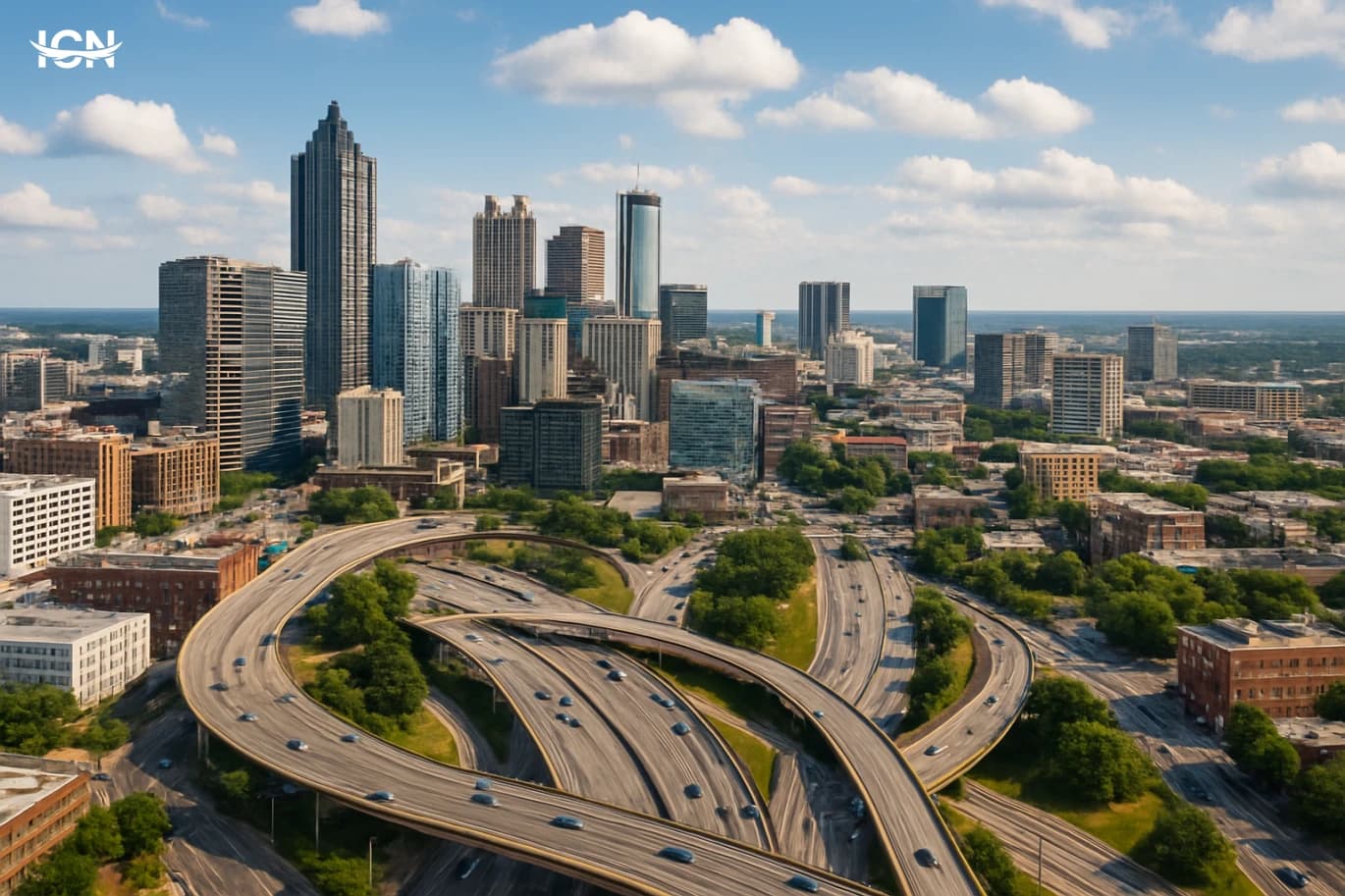
Across many democracies, city governments are no longer limited to fixing potholes and running buses. They are becoming political actors with national influence because economic activity, population growth, and media attention are concentrated in metropolitan areas. Large cities often generate a disproportionate share of GDP, host major universities and hospitals, and attract investment and migration. That concentration gives mayors and city councils leverage in national debates on housing, policing, climate policy, and public health. Political power is also shifting because national parties increasingly rely on urban turnout and fundraising. Dense neighborhoods make organizing easier, and city-based civic groups can mobilize quickly around specific issues. At the same time, cities face immediate pressure from rising rents, congestion, and inequality, pushing local leaders to demand changes in national tax rules, infrastructure budgets, and immigration policy. The result is a feedback loop: national decisions shape city life, and city politics shapes national coalitions.

Housing and the new urban voting blocs

Housing has become the defining urban issue that spills into national politics. When rents rise faster than wages, city residents demand stronger tenant protections, more public housing, and zoning reform to allow denser construction. These debates create new voting blocs that cut across traditional party lines: younger renters, service workers, and recent graduates often prioritize affordability over other issues, while homeowners and neighborhood associations may resist rapid change. National politicians cannot ignore these pressures because housing costs influence labor mobility, inflation, and social stability. In some countries, central governments set rules for mortgage markets, land use, or rent regulation, meaning local promises depend on national legislation. City leaders increasingly use data to make their case, citing vacancy rates, commute times, and the share of income spent on housing. The politics of housing also intersects with migration and demographic change, making it a central test of whether national parties can speak to urban realities without alienating suburban and rural voters.

Climate policy from the street level

Cities are often where climate policy becomes tangible. Local governments control building codes, public transit, waste management, and street design, all of which affect emissions. Many cities have adopted low-emission zones, expanded bike lanes, electrified bus fleets, and required energy-efficiency upgrades in new buildings. These measures can move faster than national legislation, especially when city councils can pass regulations without long parliamentary negotiations. But local climate action quickly runs into national constraints. Funding for rail lines, power grids, and large-scale retrofits typically comes from central budgets or national development banks. Energy pricing and vehicle standards are usually set nationally. This creates a political dynamic where mayors lobby for national subsidies, legal authority, and procurement flexibility. Climate policy also becomes a cultural issue: residents may support cleaner air but resist congestion charges or parking restrictions. The way cities manage that trade-off influences national narratives about whether climate action is practical, fair, and compatible with economic growth.

Public safety, policing, and trust

Public safety debates increasingly start in cities and then reshape national politics. High-profile incidents, crime trends, and perceptions of disorder can push local leaders to change policing tactics, invest in mental health response teams, or expand surveillance technologies. These choices are politically sensitive because they touch on civil liberties, racial or ethnic disparities, and the everyday experience of safety on public transport and in commercial districts. National governments often set the legal framework for police powers, data retention, and criminal sentencing, while cities handle day-to-day implementation. That division creates friction when local reforms conflict with national priorities, or when national leaders blame city governments for crime. Trust is the key variable: if residents believe police are accountable and effective, they tolerate stronger enforcement; if trust is low, the same measures can trigger protests and legal challenges. City-level experiments, whether successful or not, become talking points in national campaigns and influence how parties position themselves on law-and-order versus reform.

Mayors as national contenders

The mayoral role has become a launchpad for national leadership because it combines executive authority with constant public scrutiny. Mayors manage budgets, negotiate with unions, respond to emergencies, and deliver visible services. That record can be translated into a national message about competence, pragmatism, and results. In media terms, a mayor is also a daily source of news: press conferences, policy announcements, and crisis updates build name recognition faster than many legislative roles. However, the path from city hall to national office is not automatic. City leaders can be blamed for problems that are partly outside their control, such as global inflation, migration surges, or national interest rates that affect housing. They also face accusations of focusing too much on downtown areas while neglecting outer neighborhoods. When mayors enter national politics, opponents often scrutinize local statistics on crime, homelessness, and school performance. Still, the trend is clear: as cities become central to economic growth and social conflict, the politicians who run them increasingly shape national agendas and sometimes become the candidates who embody them.

What to watch in the next election cycle

To understand how cities will shape national politics, watch a few measurable signals. First, track whether national parties adopt explicit urban platforms on housing supply, transit funding, and municipal finance, rather than treating cities as a generic voter base. Second, monitor legal battles over local authority, such as disputes about rent caps, congestion pricing, or sanctuary policies. Court rulings and legislative overrides often reveal where national power is trying to reassert control. Third, pay attention to coalition-building inside cities. If urban leaders can align renters, small businesses, and public-sector workers around shared priorities, they can influence national party agendas. If those groups fragment, national politicians may exploit the divisions. Finally, follow the money: infrastructure grants, climate subsidies, and policing funds show which level of government is setting the terms. The central political question is no longer whether cities matter, but how national systems adapt when the most urgent policy problems are concentrated in metropolitan life.

* All articles published on this blog are sourced from various websites and are provided for informational purposes only. They should not be considered as confirmed studies or accurate information. Please verify the information independently before relying on it.

Similar ARTICLES

How Cities Shape Public Policy Outcomes
Public policy is often discussed as a national project, but many of the most measurable outcomes are produced in cities. Municipal governments control zoning, local transport priorities, building permits, sanitation contracts, and the day-to-day rules that determine how residents access jobs, schools, and services. When a city changes a bus route network, adjusts parking rules, or accelerates housing approvals, it can shift commuting times, household budgets, and business activity within months. These changes then influence broader debates about productivity, cost of living, and social mobility. Cities also act as policy laboratories because they can test approaches at a manageable scale. A new procurement rule for small suppliers, a digital permit system, or a revised street design standard can be implemented quickly and evaluated with local data. If results are clear, other cities replicate the model, and national agencies may later adopt similar standards. This is not about ideology; it is about administrative capacity, measurable performance, and the practical incentives that shape what governments can deliver. Finally, city policy matters because urban areas concentrate population and economic activity. A small change in how a large city manages construction timelines, waste collection efficiency, or emergency response coordination can affect millions of residents and a significant share of a country’s economic output. Understanding politics through the lens of city governance helps explain why some policy promises translate into visible improvements while others remain stuck in planning documents.
How Cities Quietly Rewrite Public Policy
National headlines often focus on parliaments, presidents, and major elections, but many of the most consequential policy decisions are being shaped at the city level. City halls control zoning, local transportation, public procurement, licensing, and a large share of service delivery that residents experience daily. That practical authority allows mayors and councils to move faster than national governments, test new approaches, and adjust based on immediate feedback. Cities also sit at the intersection of multiple systems: housing markets, labor markets, utilities, and public services. When a city changes building rules, bus routes, or permitting processes, it can shift costs for households and businesses within months. These changes may look administrative, but they often determine who can access jobs, how long commutes take, and whether small firms can open without excessive delays. In that sense, urban governance functions as a policy laboratory with real economic and social consequences. Another reason cities matter is that they increasingly collaborate across borders through networks of municipal leaders, technical associations, and shared procurement platforms. Even without formal national treaties, cities can align standards for data systems, climate reporting, or service contracts. This coordination can create de facto policy norms that later influence national frameworks, especially when a model proves cheaper, more efficient, or more popular with residents.
How Cities Shape National Policy Outcomes
National policy debates often focus on parliaments, ministries, and elections, but many outcomes are decided in city halls. Large cities manage transport networks, land-use rules, housing permits, public procurement, and local service delivery at a scale that directly affects economic productivity and daily life. When a city changes zoning to allow denser housing near transit, it can ease rent pressures and reduce commuting times, which then influences labor mobility and inflation dynamics. When a city modernizes procurement, it can set standards for digital services and vendor accountability that ripple across regional markets. City governments also collect and publish granular data—traffic flows, building approvals, air quality readings—that can shape national agendas by making problems measurable and urgent. In practice, national leaders frequently rely on cities to implement programs, from infrastructure upgrades to business licensing reforms, because municipal agencies are closest to residents and local firms. This section frames the topic: understanding national policy outcomes increasingly requires tracking what cities decide, fund, and enforce.
How Cities Shape National Policy
National politics often looks like it is decided only in parliaments and presidential offices, but many of the most consequential policy shifts begin at city hall. Large cities manage transport networks, housing permits, local policing priorities, public health services, and procurement budgets that can rival those of small ministries. When mayors change rules on zoning, emissions standards for municipal fleets, or data privacy in public services, they create working models that other jurisdictions can copy. These local models become evidence in national debates because they produce measurable outcomes such as reduced congestion, lower energy bills, or faster service delivery. Cities also act as political laboratories because they can move faster than national governments. A city council can pass an ordinance in weeks, while national legislation may take months or years. That speed matters when technology, migration patterns, or climate risks change quickly. The result is a steady pipeline of local experiments that, once proven, are packaged into national platforms by parties, advocacy groups, and professional associations. Understanding national policy today requires tracking what is happening in major municipalities, not just in capital cities.
How Cities Shape National Policy Outcomes
National politics is increasingly decided by what happens in cities. Urban areas concentrate population, jobs, universities, and critical infrastructure, which makes municipal decisions immediately visible and measurable. When a city changes zoning rules, transit pricing, or procurement standards, it can shift housing supply, commuting patterns, and local business costs within months. Those changes then feed into national debates about affordability, productivity, and public services. City governments also operate closer to daily life than national institutions. Residents experience policy through street maintenance, permits, school coordination, and emergency response, so local performance shapes trust in government overall. In many countries, mayors and city councils have become prominent political figures because they can demonstrate results, build coalitions with businesses and civil society, and set agendas that national parties later adopt. This creates a pipeline where urban policy experiments become national talking points.
How Cities Quietly Shape National Policy
National politics is often framed as a contest between parties and leaders, but many of the most consequential policy shifts are now incubated at the city level. Large municipalities control budgets that rival small states, manage essential services, and regulate daily life through zoning, permits, procurement, and public standards. When a major city changes how it buys buses, sets building codes, or licenses businesses, suppliers and developers frequently standardize their practices across multiple markets. That creates a “spillover” effect where a local rule becomes a de facto national norm, even before any central government acts. This dynamic is strengthened by urban concentration. Cities are where infrastructure demand, housing pressure, and service delivery challenges are most visible, so policy experimentation is constant. Mayors and city councils also face shorter feedback loops: residents notice changes quickly, local media can track outcomes, and administrative teams can adjust programs without waiting for national legislative cycles. Over time, successful municipal approaches get copied by other cities, adopted by regional authorities, and eventually referenced in national debates as proven models rather than theoretical proposals.
How Cities Shape National Policy
National politics is often framed as a contest between parties, parliaments, and presidents. Yet many of the most consequential policy shifts now start at city hall. Large cities control zoning, public transit, local procurement, building permits, and a growing share of public services delivered through partnerships. These levers shape housing supply, commuting patterns, energy use, and access to jobs—issues that later dominate national agendas. Cities also operate closer to daily life, which makes them early detectors of policy stress. When rents rise, buses fail, or streets flood, the first political pressure lands on mayors and councils. Their responses—whether new housing rules, congestion pricing, or resilience standards—create models that national leaders can scale. In practice, cities have become policy laboratories with real budgets, real voters, and measurable outcomes, not just pilot projects. This topic examines how municipal decisions travel upward into national policy debates, why urban governance has gained political weight, and what this shift means for accountability, representation, and policy quality.
How Cities Shape National Policy
National politics is increasingly driven by what happens in cities and metropolitan regions. Local governments control services that residents feel every day—public transport reliability, housing approvals, street safety design, waste collection, and permitting for businesses. When these systems work, they become models that national leaders cite; when they fail, they become headline problems that force national responses. Cities also concentrate universities, major employers, and media markets, which amplifies local debates into national conversations. A single city’s policy on ride-hailing rules, short-term rentals, or building codes can quickly influence neighboring jurisdictions and then shape national legislative proposals. This shift is also about speed. Municipal councils and mayors can often act faster than national parliaments, piloting programs with limited budgets and clear metrics. Those pilots generate data—ridership changes, rent trends, emissions measurements, service wait times—that national policymakers use when arguing for broader reforms. In practice, local policy has become a testing ground for national platforms, and city leaders have become influential political actors even when they do not hold national office.
Global News in Everyday Decisions
Global news is no longer something you check only when a major headline breaks. It is woven into daily life through prices, workplace planning, travel options, and even the products available on store shelves. A change in shipping routes, a new regulation in a major economy, or a sudden shift in energy markets can show up quickly as higher delivery fees, longer wait times, or altered service hours. For many households, the first sign is practical: a grocery bill that changes week to week, a subscription price that rises, or a favorite item that becomes harder to find. The speed of this influence comes from interconnected supply chains and real-time information. Companies monitor global developments continuously and adjust inventory, staffing, and contracts accordingly. Consumers then feel the effects through promotions, shortages, and changes in product quality or packaging. Even when a story seems distant, it can affect the cost of raw materials, the availability of components, and the timing of shipments. Understanding this connection helps people interpret everyday changes with more clarity and less confusion.
How Cities Shape National Policy
National politics is often framed as a contest between parties and leaders, but many of the most consequential decisions now begin in city halls. Large cities manage transit networks, housing approvals, public health services, climate resilience projects, and procurement budgets that rival those of small countries. When a city changes zoning rules, it can shift construction costs and rental prices across an entire region. When it redesigns streets for buses and bikes, it can alter commuting patterns, retail foot traffic, and emissions. These local choices create measurable outcomes that national governments later respond to, either by scaling them up, regulating them, or funding them. Cities also act faster than national legislatures. They can pilot programs, gather data, and adjust rules within months, while national reforms may take years. That speed matters in areas like permitting, digital services, and emergency response. As a result, city policy has become a testing ground for ideas that eventually appear in national platforms. Understanding politics today requires tracking how municipal decisions set expectations for what “works,” how they build coalitions of residents and businesses, and how they create pressure for national alignment.
How Cities Shape National Policy Outcomes
National politics is often discussed through parliaments, presidents, and party platforms, but many of the most measurable policy outcomes are now being driven by city governments. Urban areas concentrate population, jobs, infrastructure, and public services, which means municipal decisions can change daily life faster than national legislation. When a city adjusts zoning rules, expands public transit, or changes procurement standards, the impact can be immediate and visible. These local choices also create proof points that national leaders later cite as models or warnings. Cities have also become the practical testing ground for policy implementation. National laws frequently depend on local agencies for enforcement, data collection, and service delivery. If a city has strong administrative capacity, it can translate broad national goals into operational programs; if it does not, national reforms can stall. This makes municipal competence a political variable, not just a management detail. In many countries, the public’s trust in government is shaped more by the quality of local services than by speeches in the capital. Another reason cities matter is that they can set standards through market power. Large municipalities are major buyers of construction, technology, energy, and services. Procurement rules that require transparency, local content, or sustainability can reshape supplier behavior and influence national debates about regulation. City-level data systems, open budgets, and performance dashboards can also raise expectations for accountability across the public sector.
How Cities Shape National Policy Outcomes
National politics is often discussed through parliaments, ministries, and election cycles, but many of the most measurable policy outcomes are now shaped at the city level. Large municipalities control land-use rules, local taxation, procurement, public services, and the day-to-day enforcement environment that determines whether national laws work in practice. When a national government announces a housing plan, for example, the actual number of homes built depends on zoning approvals, permitting capacity, infrastructure connections, and local construction oversight—functions typically managed by city agencies. Cities also concentrate economic activity and population, giving mayors and councils leverage in negotiations over funding and regulatory flexibility. A single metropolitan area can account for a significant share of a country’s GDP, logistics networks, and innovation clusters. That concentration turns local policy into a national economic variable: decisions on transit expansion, business licensing, and workforce programs can influence productivity, inflation pressures in housing costs, and labor mobility. For readers trying to understand politics beyond speeches, tracking city decisions provides a clearer view of how policy becomes lived reality.
How Cities Shape National Policy Outcomes
National policy debates increasingly hinge on what happens in cities because urban governments control services that touch daily life at scale: housing permits, transit routes, sanitation contracts, public procurement, and local licensing. When a large city changes zoning rules, it can shift construction volumes, rental prices, and labor demand far beyond its borders, influencing inflation measures and national economic indicators. City-led climate and energy standards can also set de facto benchmarks for suppliers, since manufacturers often prefer one compliant product line for multiple markets. The result is a practical form of policy leadership: cities move first, and national institutions respond later through funding formulas, regulatory alignment, or political messaging. Cities also act as testing grounds. A policy that looks abstract at the national level becomes measurable when implemented by a municipal agency with clear budgets, staffing, and service targets. Data from city pilots—ridership changes after a fare reform, permit processing times after digitization, or waste diversion rates after new collection rules—creates evidence that national policymakers can cite. At the same time, city decisions can trigger national attention when they expose gaps in law, such as unclear authority over short-term rentals, platform-based work, or public data sharing. This makes urban governance a central arena for understanding how policy outcomes are produced in practice.
By clicking the SUBSCRIBE button, you are agreeing to our Privacy & Cookie Policy If you want to unsubsribe the marketing email, please proceed to our privacy center.
© 2005-2026 ICN. All Rights Reserved.