Greek mythology
Features of Greek mythology
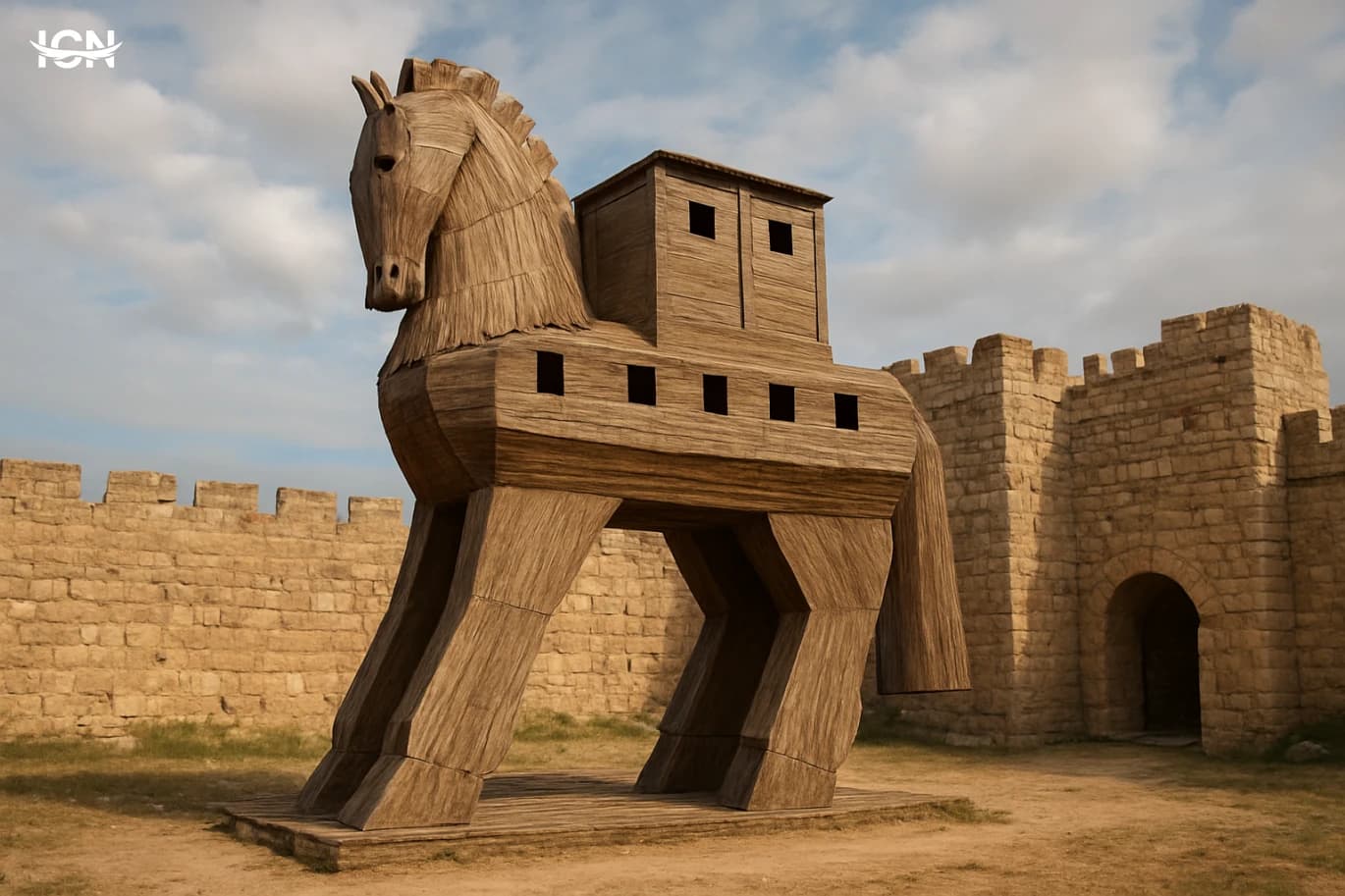
Greek mythology is one of the richest and most famous myths in the world. It represents the system of beliefs and stories through which the ancient Greeks explained the origin of the universe, the relationship between humans and the gods, and the origin of natural phenomena. Features of Greek Mythology: The Olympian Gods: These were worshipped and lived, according to legend, on Mount Olympus, such as: Zeus: God of the sky and thunder, lord of the gods. Hera: His wife, goddess of marriage and childbirth. Poseidon: God of the sea. Athena: Goddess of wisdom and just war. Apollo: God of music and light. Aphrodite: Goddess of love and beauty. Superheroes: Demigods or humans with great powers, such as: Hercules: A powerful hero famous for his "Twelve Labors." Achilles: Hero of the Trojan War, who was only defeated by his heel. Perseus: Slayer of the monster Medusa. Monsters and fantastic creatures: such as the snake-haired Medusa, the Centaur (half-man, half-horse), and the many-headed Hydra. Symbolism: Myths were not just stories; they carried philosophical and moral symbols, such as the struggle between good and evil, and between fate and human will. Prominent Greek Myths: Prometheus: He stole fire from the gods and gave it to humans. He was punished by being chained to a rock and having his liver eaten by an eagle every day. Pandora: The first woman created, she opened a forbidden box, unleashing evil and disease into the world. Only "hope" remained. The Iliad and the Odyssey (Homer): They tell the story of the Trojan War and Odysseus's long journey home. The Myth of Icarus: He made wings out of wax and flew, but when he got too close to the sun, the wax on his wings melted and he fell into the sea.