Greek civilization
- Introduction to Greek civilization
- The development of democracy in Greek civilization
- Technical Lausia in Greek civilization
- Science and philosophy in Greek civilization
- Ancient Greek literature
Introduction to Greek civilization
The historical background is the Greek civilization is one of the greatest civilizations in history, as it originated in the eighth century BC and flourished through the classical ages. It was influenced by previous cultures, such as the Kingdom of Maysin, and succeeded in developing a unique political and intellectual system. The city-the state (the police) was the basic unit in organizing social and political life. The main topics known include the topics of Greek civilization philosophy, as it established philosophers such as Socrates, Plato and Aristotle the foundations of Western thought. In addition, art and architecture, such as Greek temples, had a tremendous impact on global culture. It was also known for the progress of science, such as mathematics and astronomy, which led to great progress in human knowledge.
The development of democracy in Greek civilization
Democratic Instetius is the Athenian democracy is one of the first democratic models in history, as it allowed citizens to participate directly in making political decisions. Bodies such as the association and the Senate were created, which contributed to enabling individuals to express their opinions. The role of the main Greek cities played Greek cities such as Athens and Spritt vital roles in the formation of democracy. Athens was a center of culture and thought, as it embraced public discussions, while Ertbars followed a different system based on military rule. These cities have contributed to the development of political systems that formed the basis of modern democracy.
Technical Lausia in Greek civilization
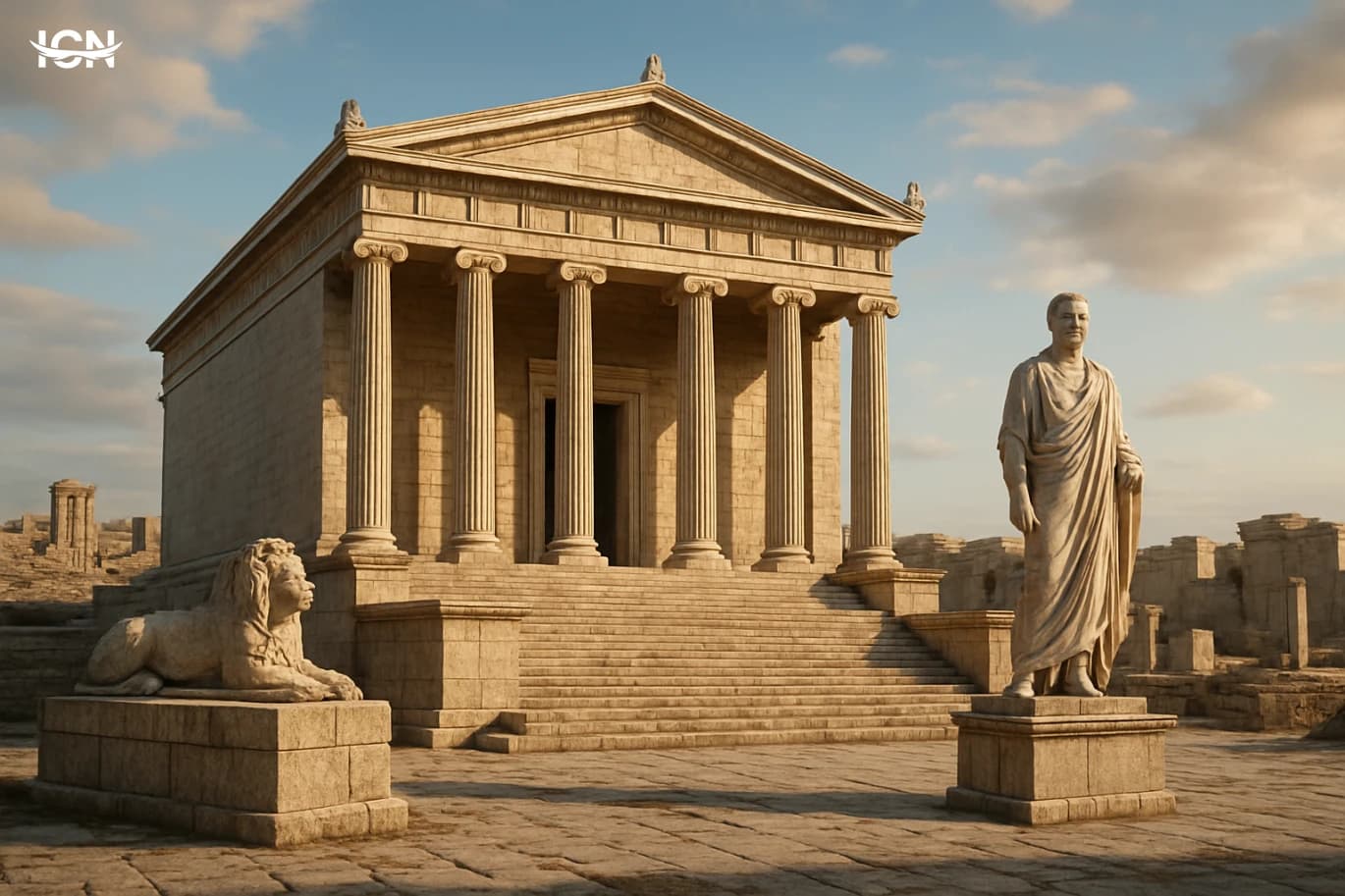
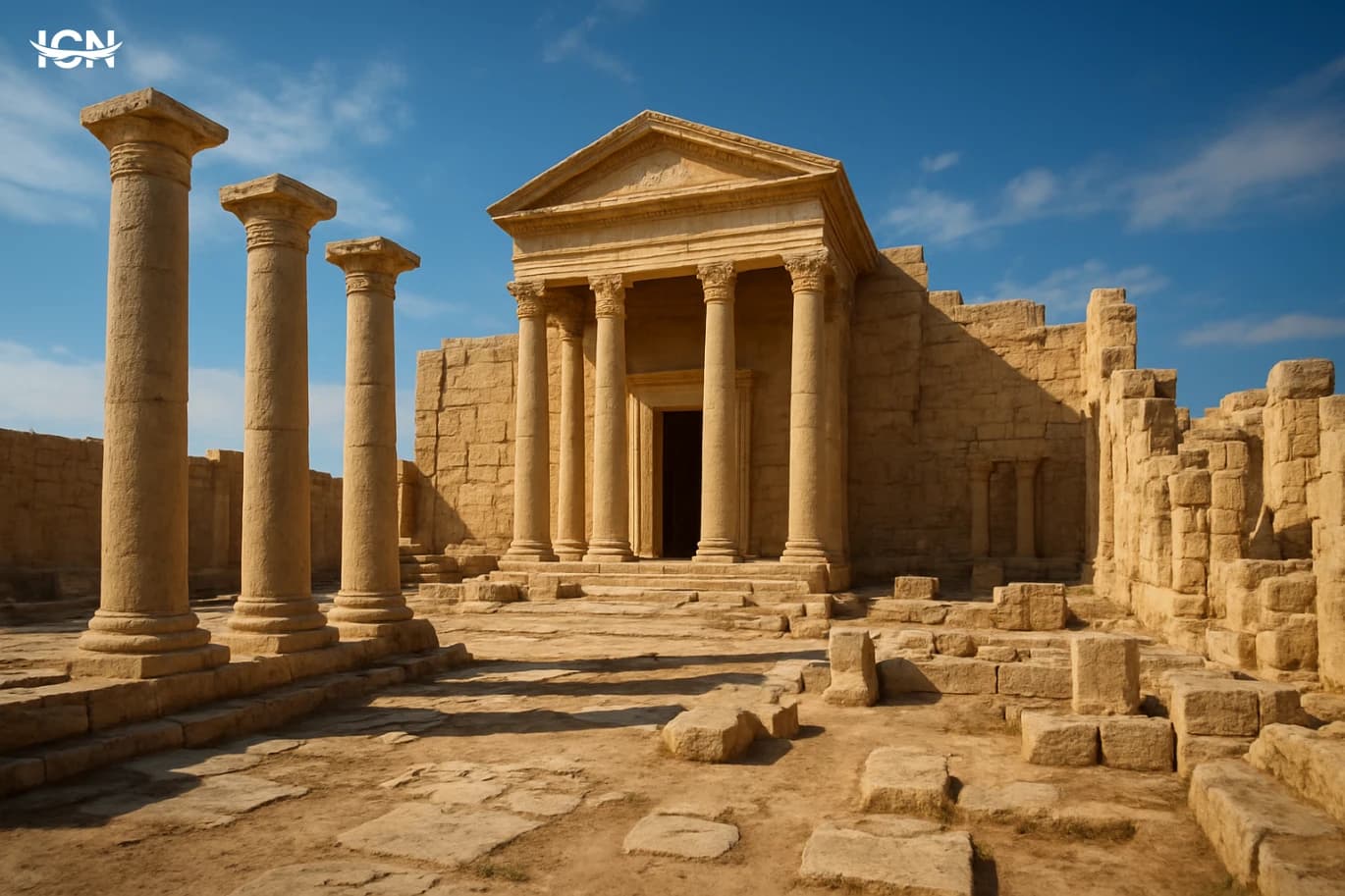
Architecture and sculpture is Greek architecture is one of the most prominent features of ancient civilization, as it was characterized by the use of harmonious columns and geometric shapes. The temples, such as the Parthenon Temple, were built to be artistic features that indicate appreciation for beauty and deity. As for sculpting, it has evolved to reflect the beauty of the human body and facial expressions, which contributed to creating expressive statues. Drawing and plastic arts. Drawing and plastic arts have flourished through wall paintings and colored pottery. The arts were characterized by photographing myths and daily scenes, which facilitated the understanding of the Greek culture and its beliefs. The arts in ancient Greece were expressing the creative spirit of society.
Science and philosophy in Greek civilization
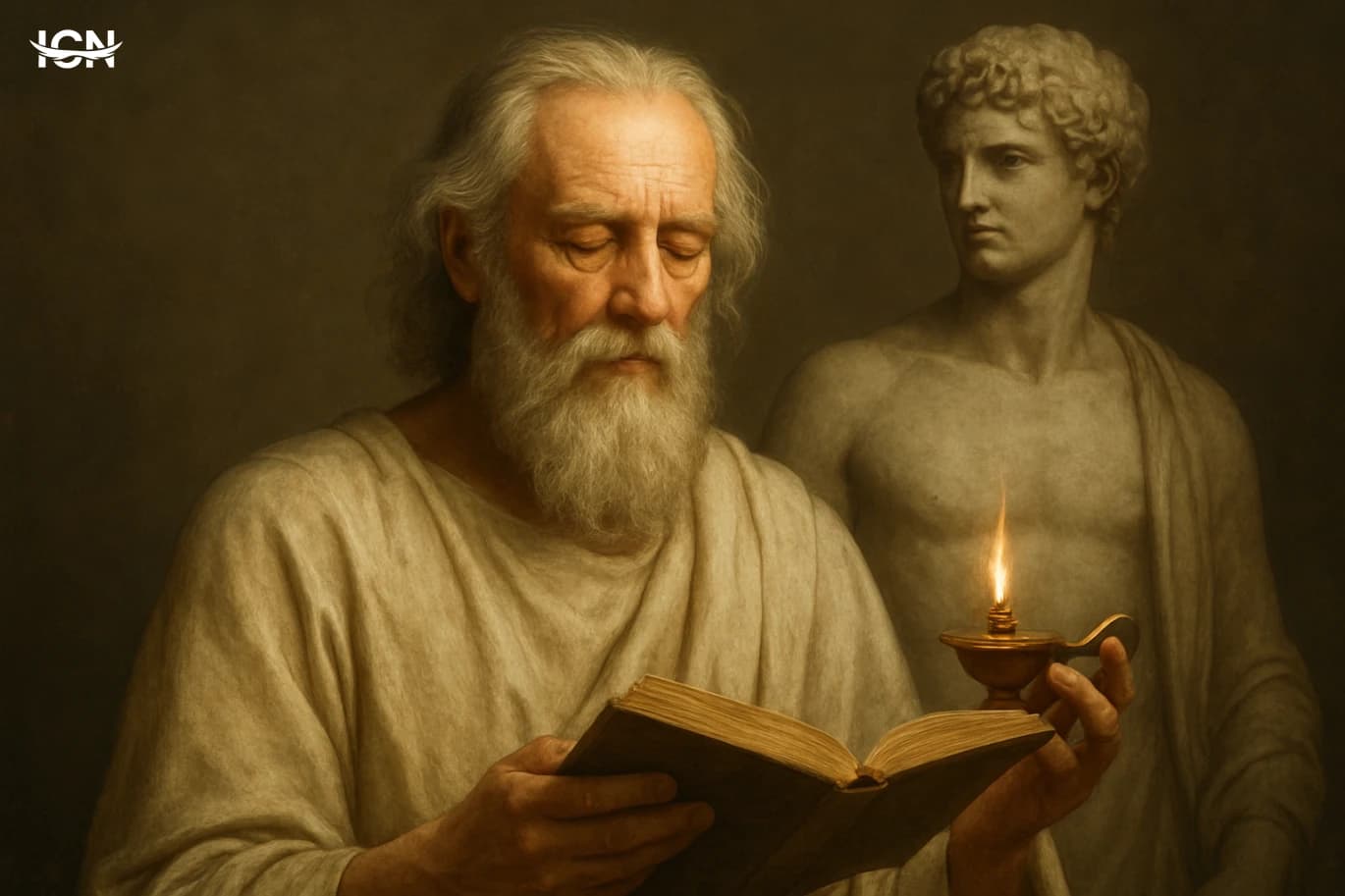
Ancient Greek philosophy has witnessed ancient Greek civilization, the emergence of great philosophers such as Socrates, Plato and Aristotle. These thinkers have contributed to the development of critical thinking and meditation on existential and moral issues. Through their dialogues and actions, they were seeking to understand the human nature and the universe, which affected the paths of philosophy in the world. The prominent scientific contributions were not alone in what Greece made, but also scientific contributions in areas such as mathematics and astronomy. Euclid and Arthrides presented the foundations of mathematics, while Ptolemy contributed to developing astronomical models. These achievements formed the cornerstone of the scientific renaissance later.
Ancient Greek literature
Famous literary works emerged ancient Greek literature with famous literary works, such as the Iliad Ely and Odyssey written by Homer. These actions reflect the relationship between man and gods, in addition to war and heroic events. Trageic and comic plays were also circulated by Aschoros, Susanukles and Aristovan, which contributed to the development of theater and performance arts. The role of prominent poets and writers shares of prominent poets and writers in promoting Greek culture, as their books reflected social and political values. They used literature as a way to express their ideas and meditate on society, which made their works remain immortal throughout the ages.