General Topic, Specific Magic: How Novels and Stories Turn Everyday Life into Meaning

- The Power of a General Topic
- Characters as Containers for Big Ideas
- Setting, Time, and the Everyday Texture
- Conflict, Choice, and the Shape of Meaning
- Voice, Style, and the Reader’s Participation
- Why We Keep Returning to Stories
The Power of a General Topic
A “general topic” sounds like something too wide to hold in your hands. It can mean anything: love, loss, ambition, home, change, fear, hope. Yet novels and stories thrive on exactly this kind of spacious idea, because broad themes give writers room to build a world and give readers room to recognize themselves. A general topic is not a lack of direction; it is an invitation. It says: come in from your particular day and see how it connects to other days, other lives, other choices. In fiction, the general becomes meaningful when it is filtered through a specific lens. A character’s small decision—whether to tell the truth, whether to leave a town, whether to forgive—becomes a doorway into a theme that feels universal. The reader doesn’t need to share the character’s job, era, or family history to understand the emotional stakes. That’s the paradox: the more carefully a story commits to concrete details, the more the general topic becomes vivid and believable. When we say a novel is “about” something, we often name a general topic: identity, justice, coming of age. But the experience of reading is rarely abstract. It is sensory, paced, and intimate. We learn what identity means because we watch someone try on a new name. We learn what justice means because we witness a courtroom, a rumor, a private reckoning. The general topic is the sky; the story is the weather that makes you look up.
Characters as Containers for Big Ideas
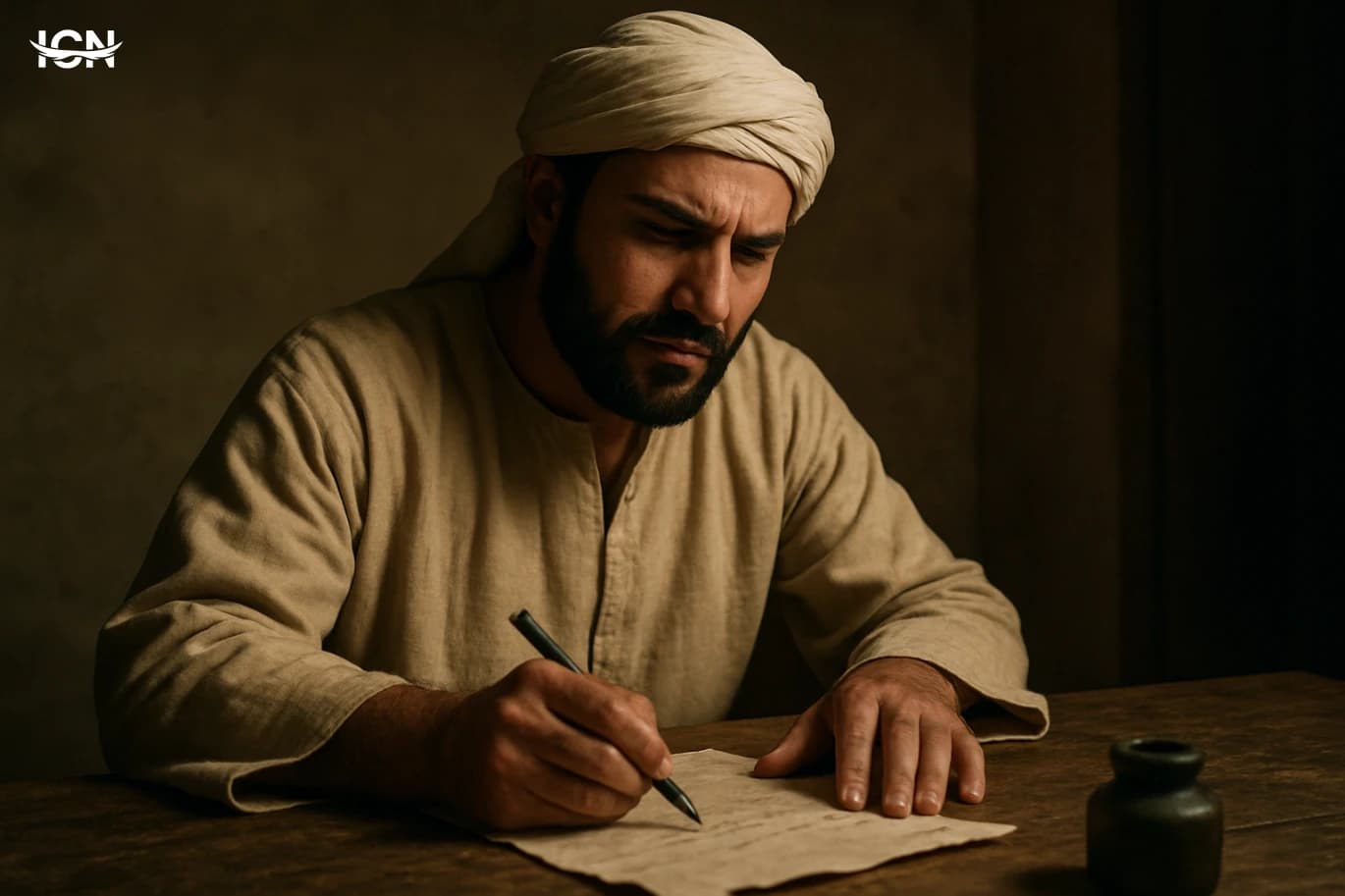
The most reliable way to write about a general topic is to stop trying to write about it directly. Instead, create someone who wants something, someone who fears something, and someone who cannot get both at the same time. Desire and constraint are the engines that turn an idea into a plot. A story about “change” becomes compelling when a character is forced to change in a way they didn’t choose. A story about “belonging” becomes sharp when belonging has a cost. Characters carry themes in their habits. A person who counts every coin is not only “poor” in an economic sense; they may be guarding against earlier humiliation, or trying to protect a sibling, or proving they can survive without help. A person who jokes at funerals may be cruel, or terrified, or simply trained by family culture to keep grief at arm’s length. These choices are not decorations. They are the theme in motion. Even secondary characters matter when the topic is general, because they provide contrast. The friend who leaves town easily makes the protagonist’s hesitation more visible. The parent who speaks in proverbs makes the child’s rebellion more pointed. The rival who succeeds without guilt forces the hero to examine their own moral limits. Through a cast of differing responses, the story argues with itself, and the general topic becomes a living debate rather than a slogan. This is why readers remember characters more than messages. We don’t carry a thesis statement out of a novel; we carry a person. Later, when life presents a similar dilemma, that person returns to us as a reference point. Fiction teaches without lecturing because it lets us practice empathy inside a safe but vivid simulation.
Setting, Time, and the Everyday Texture
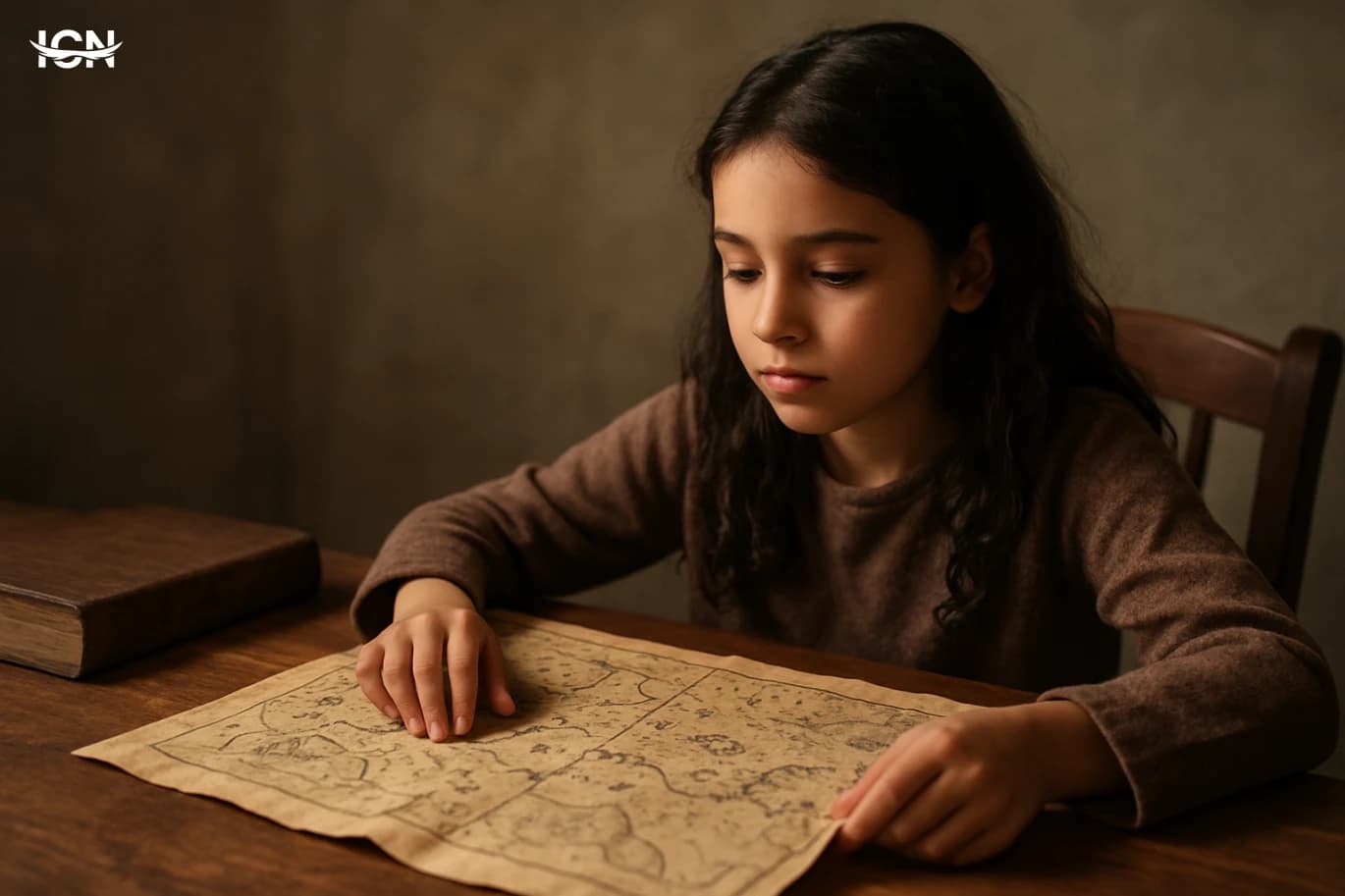
A general topic becomes readable when it has a place to live. Setting is not a backdrop; it is pressure. A story about freedom changes depending on whether it unfolds in a coastal village, a crowded city, a desert border, or an apartment where the walls are thin enough to hear arguments next door. The same theme behaves differently under different weather, laws, languages, and social expectations. Time works the same way. A general topic like “ambition” looks one way in a postwar decade and another in a digital age where success is measured in followers. “Family” shifts when migration is normal, when work is remote, when elders live longer, when children leave earlier. Fiction can hold these shifts without turning into an essay because it shows them as daily logistics: the bus schedule, the price of bread, the etiquette of greetings, the silence after a message is left unread. The everyday texture is where readers trust the story. When the writer notices the small things—how a key sticks in a lock, how tea cools in a glass, how a streetlight flickers—the big ideas stop feeling like lecture notes and start feeling like life. This texture also allows nuance. A general topic is rarely pure. Love contains irritation. Courage contains calculation. Loyalty contains resentment. The ordinary moments are where those mixtures appear. In novels and stories, setting can also mirror inner change without becoming symbolic in a heavy-handed way. A neighborhood that is slowly demolished, a river that keeps flooding, a school that repaints its walls every year—these are not just metaphors; they are realities that shape choices. The general topic gains weight because it has consequences you can see and hear.
Conflict, Choice, and the Shape of Meaning
If a general topic is the question, conflict is the method of asking it. Stories do not explore ideas by listing them; they explore them by putting them under stress. Conflict can be external—storms, enemies, poverty, distance—or internal—shame, temptation, grief, divided loyalty. Most memorable fiction braids the two together so that a character’s inner struggle is reflected in what the world demands. Choice is where the topic becomes personal. A character may speak about honesty, but the theme is tested when honesty threatens a friendship or a job. A character may claim to value peace, but the story reveals what they do when peace requires silence in the face of harm. These moments are not only plot turns; they are the points where the reader is invited to ask, “What would I do?” The general topic becomes a mirror. The shape of meaning in a novel often comes from repetition and variation. A character faces similar situations again and again, each time with a slightly different capacity to respond. This is how growth is shown without being announced. The general topic of “forgiveness” might appear first as a refusal, then as a bargain, then as a quiet act that costs pride. The topic of “power” might move from fascination to fear to responsibility. Importantly, conflict does not need to be loud to be real. A story about two siblings dividing an inheritance can hold as much thematic force as a war epic. The scale is less important than clarity: what is at stake, what is desired, what is threatened, and what cannot be recovered once a line is crossed. In that clarity, a general topic becomes unforgettable.
Voice, Style, and the Reader’s Participation
Style is not decoration; it is how a story thinks. The same general topic can feel entirely different depending on voice. A spare, restrained narrator makes a theme feel like a wound that refuses to close. A playful, digressive voice makes the same theme feel survivable, even when it hurts. First person creates intimacy and bias; third person can create breadth and irony. Each choice shapes what the reader believes and how the reader judges. Dialogue is another way voice carries a general topic without naming it. People rarely say what they mean, especially when the stakes are high. They hint, joke, accuse, deflect, and go silent. In those gaps, the reader participates. The reader becomes an interpreter, noticing what is avoided and why. This participation is one reason fiction stays with us: it is not only received, it is completed. Pacing also matters. A general topic like “grief” may require long quiet passages where nothing “happens” except the slow rearranging of a life. A topic like “risk” may demand sharp scenes and quick consequences. Neither approach is better; each is a promise to the reader about what kind of attention is needed. When the promise is kept, the topic feels earned. Finally, stories give readers permission to hold multiple truths at once. A character can be wrong and understandable. A community can be kind and oppressive. A home can be safe and suffocating. The general topic does not resolve into a single lesson; it becomes a field of tensions the reader learns to navigate. That is a deeper form of meaning than a neat moral.
Why We Keep Returning to Stories
We return to novels and stories because a general topic is never finished. Life keeps revising the same themes with new faces. Today you read about friendship and think of school; later you read the same topic and think of work, marriage, distance, regret. Fiction is a reusable tool for understanding because it does not freeze a theme in one definition. It shows how a theme behaves across circumstances. Stories also offer a kind of companionship that is difficult to name. When a character struggles with something ordinary—envy, loneliness, impatience—the reader feels less isolated. Not because the book offers a solution, but because it offers recognition. Recognition is powerful: it turns private confusion into shared human material. A general topic becomes especially valuable in times of uncertainty. When the world changes quickly, people reach for narratives that can hold complexity without collapsing. A novel can show how a person adapts, fails, tries again, lies to themselves, and eventually learns a different way to live. That arc does not guarantee comfort, but it provides orientation. It suggests that meaning is not found in perfect answers but in the ongoing practice of choosing. In the end, the “general topic” is what makes fiction endlessly renewable. The details change—names, cities, eras, technologies—but the deep questions remain: What do we owe each other? What do we do with our fear? How do we live with what we have done? A good story does not close these questions. It keeps them open, warm, and alive, so the reader can carry them back into the world and continue the conversation in real life.