Free art
- Introduction to free art
- History of Free Art
- Free art elements
- The basic principles of free art
- Free art in the modern era
Introduction to free art
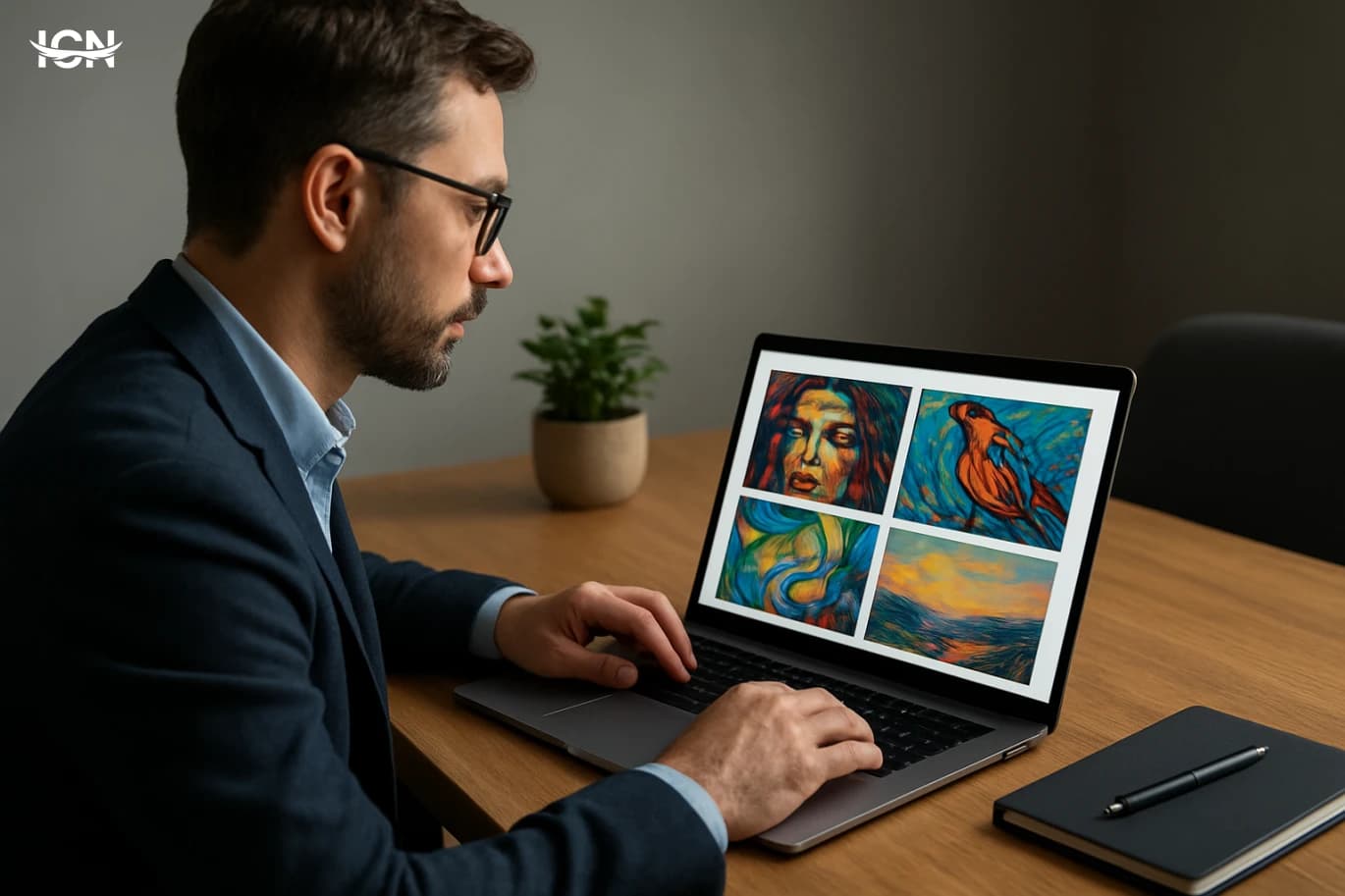
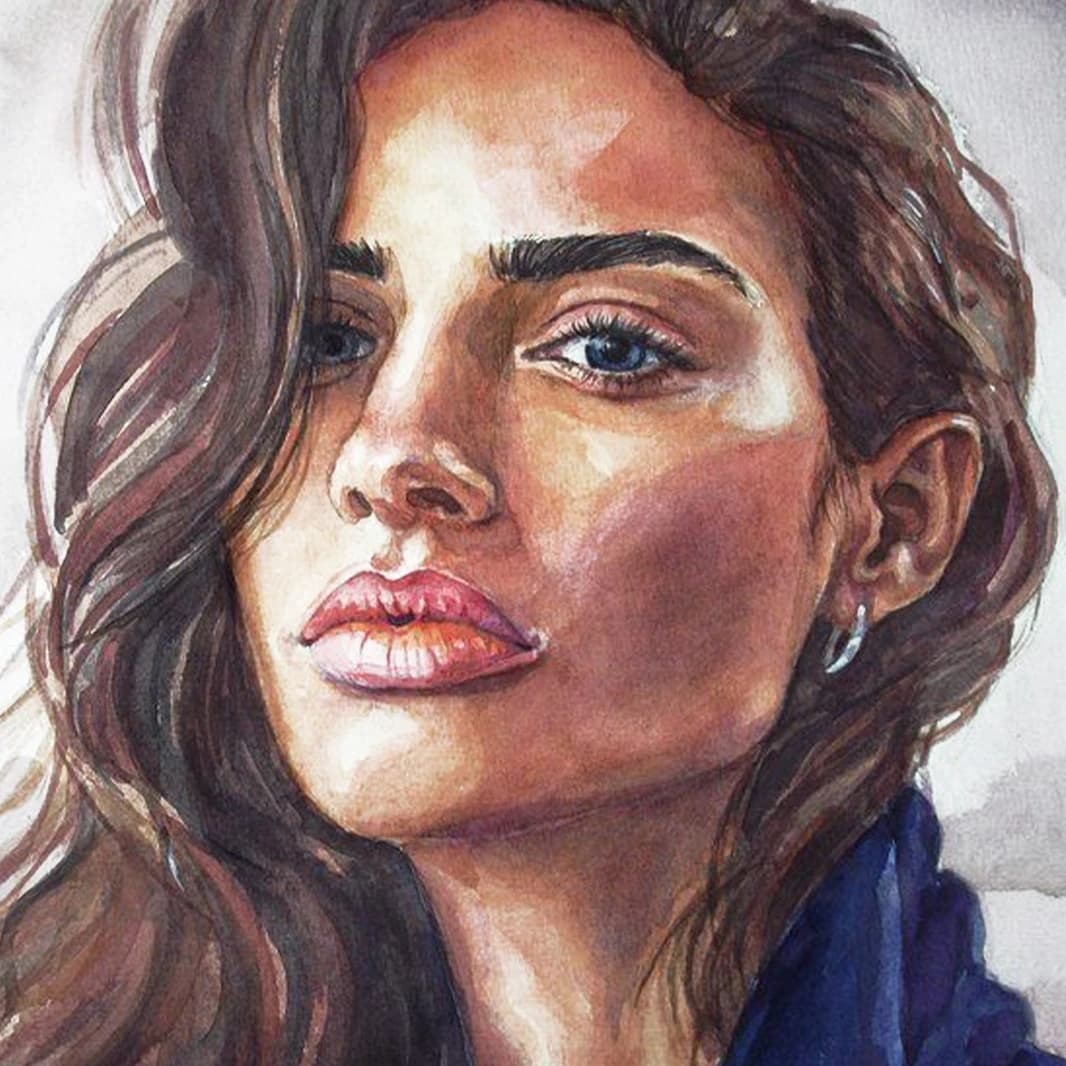
A. The definition of free art defines free art as a form of creativity that does not adhere to specific rules or techniques. The artist allows to express his ideas and feelings in an unconventional way, which facilitates the process of innovation. Free art depends on freedom of expression and encourages artists to explore new concepts and unfamiliar expression forms. for. The importance of free art in human expression is free art is an important tool for communication between individuals, as it gives people the means to express their personal and cultural experiences. It can provide strong messages on social and political issues, which enhances mutual understanding of culture. In short, free art contributes to improving the quality of life and enhancing human awareness.
History of Free Art
A. The emergence and development of free art, the origins of free art in the twentieth century, in response to the prevailing restrictions and artistic norms. Artists began exploring new methods, which created currents such as experimental and surrealism. Free art evolved gradually, which contributed to opening new areas of expression, as ideas do not adhere to traditional forms. for. The most prominent artists in the field of free art. There are many artists who contributed to the development of free art, such as Picasso, Calder, and Moverene. These artists presented unconventional methods and new forms that were a challenge to tradition, which helped to promote free art as a way to express deep human dimensions.
Free art elements
A. Freedom and creativity, free art, offers a wide space for freedom and creativity, where artists can deviate from the ordinary and experience new methods. This freedom constitutes the essence of art, which leads to the production of unique works that reflect various social and cultural issues. for. The use of materials and techniques The techniques of free art exceed the traditional borders, as artists use unusual materials such as plastic, wood and minerals. These experiences enhance the interaction of artwork with the viewer, and make each piece expressing the artist's vision differently, which contributes to enhancing diversity and innovation in the artistic scene.
The basic principles of free art
A. Failure to adhere to traditional rules, free art, redefines the standard perceptions of art, as artists allow to overcome the limits imposed on them, which opens them new horizons for expression. Failure to adhere to traditional rules gives artists freedom of experience and diversity. for. Personal expression and innovation in the art of heat, personal expression is encouraged as a means of communicating with the audience. Artists use the creative component as a way to express internal ideas and feelings, which leads to the production of new and unconventional works that reflect human experiences in an authentic way.
Free art in the modern era
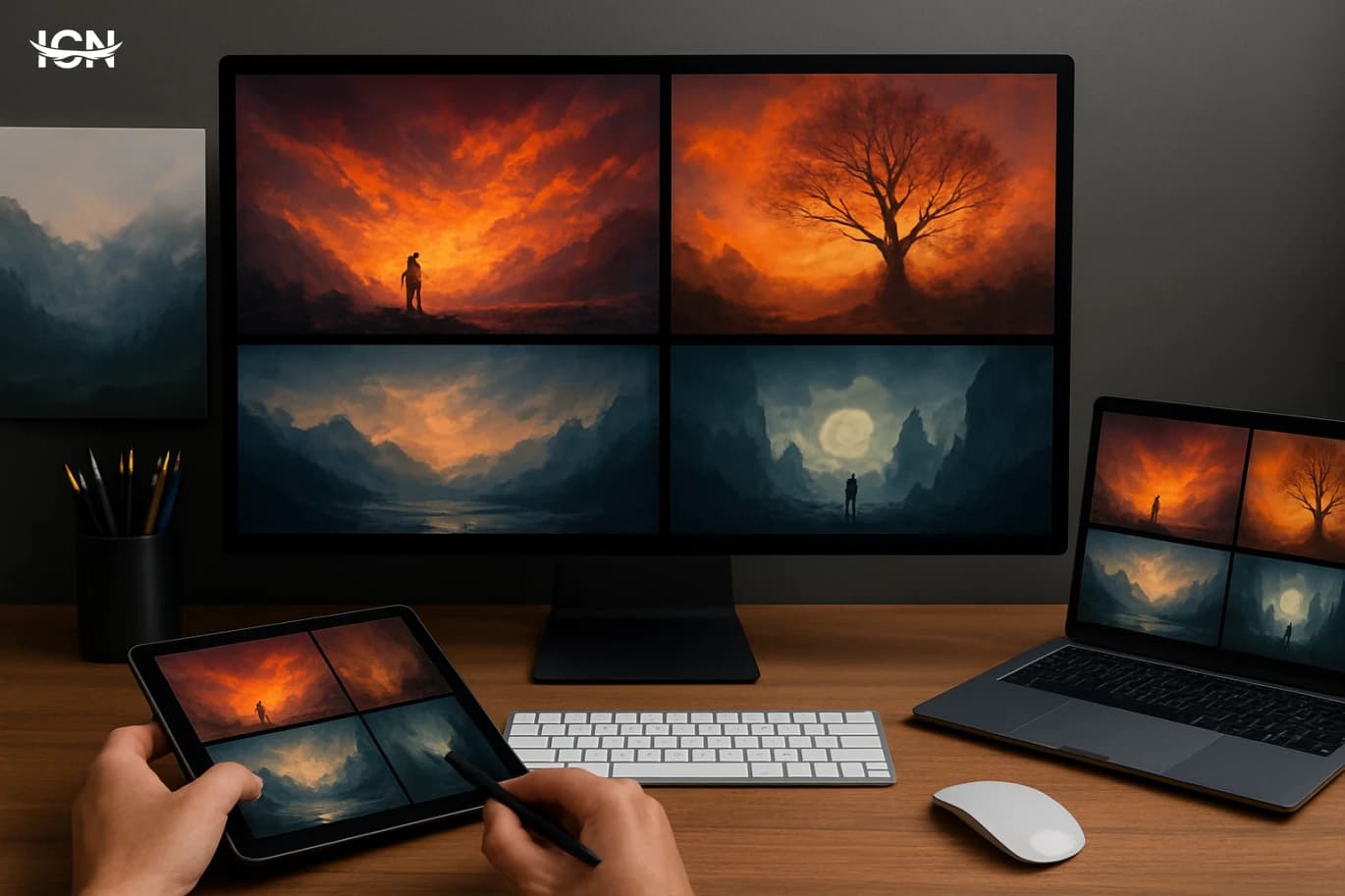
A. Free art in plastic art in modern plastic art has become free art that attracts the attention of many artists who seek to present works that express their unique identity. These artists use new materials and technologies, allowing them to explore unconventional ideas that reflect their reality and their vision of the world. for. Free art in performance and digital arts. In the areas of performance and digital arts, free art has opened the way for unlimited experiences. Actors and dancers use unconventional methods, while digital media allows artists to create interactive experiences that combine art and technology, making artistic expression a multi -dimensional experience.