Free and fair elections.
- the introduction
- التاريخ والتطور
- Laws and regulations
- Challenges and obstacles
- The impact of free and fair elections on society
the introduction
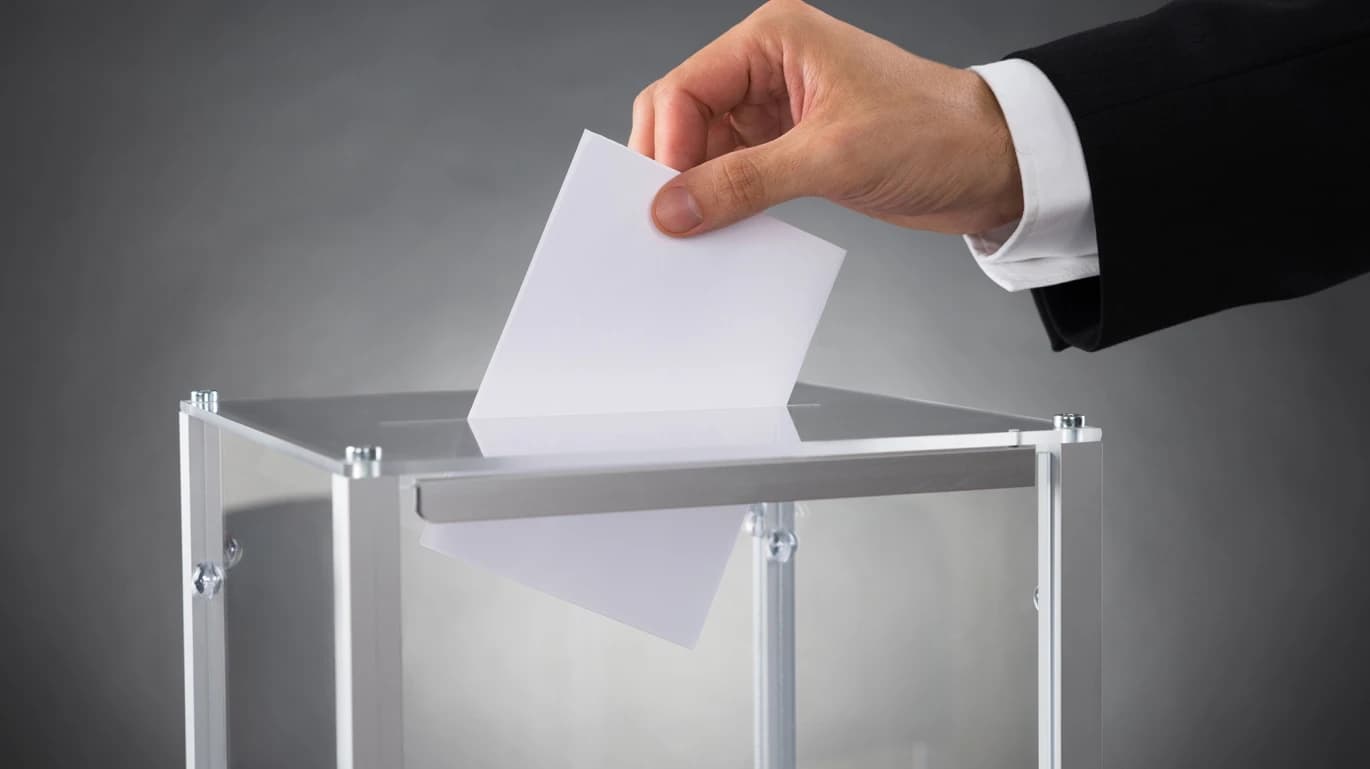
The definition of free and fair elections, free and fair elections, is an electoral process that takes place without pressure or manipulation, where citizens can express their will and choose their representatives completely freely. This process includes guaranteeing transparency, equal opportunities for candidates, and independent monitoring to ensure that no manipulation occurs. The importance of free and fair elections is free and fair elections, the basis for empowering democracy and achieving social justice. It gives people the opportunity to express their opinions and participate in decision -making. This process enhances confidence in the political system and contributes to the stability of societies, because it allows the renewal of the political class and meet the aspirations of citizens fairly.
التاريخ والتطور
The development of the electoral process in the Arab world in the Arab world, the electoral process has witnessed remarkable developments during the past decades. The elections were initially taking place under authoritarian regimes, but with the emergence of changes to change, some countries began to adopt free elections. However, there are still existing challenges related to transparency and integrity. The successful models of free and fair elections indicate successful models in countries such as Tunisia to the possibility of achieving free and fair elections. Despite the challenges, some countries were able to organize elections that reflect the will of the people, which contributes to strengthening democracy. 경험 은 The experience of these countries is a lesson for other countries that seek to achieve democratic development.
Laws and regulations
The role of laws in ensuring free and fair elections. Laws regulating the electoral process are necessary to ensure transparency and integrity. These laws aim to develop a legal framework that regulates various aspects of elections, including voter registration, polling, and declaring results. The existence of a strong legal framework contributes to enhancing confidence between citizens and reduces the opportunities for manipulation. International systems to ensure election integrity there are a number of international regimes that aim to enhance the integrity of elections, such as monitoring elections by independent organizations. These systems help to provide a fair election environment that respects the rights of voters and enhances democratic participation, which contributes to achieving a more democratic future for all Arab countries.
Challenges and obstacles
External interference in the elections, many Arab countries face challenges caused by external interference in electoral processes. These interventions may negatively affect the sovereignty of states, which leads to citizens ’lack of confidence in the election results. Countries need to develop effective strategies to face these challenges and ensure the independence of the electoral process. Anti -corruption and securing electoral financing are anti -corruption and securing transparent financing sources from the most prominent challenges facing the elections. The absence of transparency in financing may lead to the benefit of some candidates at the expense of others, which causes an imbalance in competition. Governments and civil society must work together to develop effective mechanisms to monitor the sources of financing and ensure the justice of the elections.
The impact of free and fair elections on society
The promotion of democracy and human rights is free and fair elections as a basis for promoting democracy and human rights in any society. When citizens feel that their voices are honest, this enhances their confidence in the political system. Fair elections contribute to achieving balance and fair representation of all groups of society, which reflects positively on social stability. Economic and social development The free elections play an important role in economic and social development. By providing a path for legal and participating representation, societies can attract investments and improve life conditions. Transparent elections encourage innovation and sustainable development, which contributes to raising the standard of living and achieving general luxury.