Evening Coffee Lines for Quiet Minds

- Why evening coffee feels different
- A curated set of evening coffee quotes
- How to match a quote to your mood
- A simple evening coffee ritual
- Writing your own lines without sounding forced
- Bookmark for later
Why evening coffee feels different
Evening coffee is less about caffeine and more about pacing. The day has already produced its noise: messages, deadlines, errands, and small decisions that stack up. When the cup arrives at night, it often marks a boundary between what is finished and what can wait. Many people choose a smaller serving, a lighter roast, or a decaf option, not because they are avoiding coffee, but because they want the ritual without the rush. The setting matters. A dimmer light, a quieter room, and a slower soundtrack change how the same drink is experienced. The aroma becomes a cue for calm, and the first sip becomes a signal to breathe more evenly. In this mood, short phrases and quotes work well because they match the moment: concise, clear, and easy to hold in the mind without effort. Evening coffee lines are not meant to impress; they are meant to accompany stillness and help the mind settle into a more orderly rhythm.
A curated set of evening coffee quotes
Use these lines as captions, journal prompts, or quiet reminders. They are designed for evening moods: reflective, practical, and grounded. 1) “Evening coffee is a pause you can taste.” 2) “Let the cup be small, and the calm be large.” 3) “Tonight, I choose clarity over hurry.” 4) “One sip, one thought, then release it.” 5) “The day ends; the mind can soften.” 6) “Warm hands, quiet room, steady breath.” 7) “I don’t need more hours; I need better minutes.” 8) “Coffee at night is a ritual of closure.” 9) “What matters will return tomorrow; what doesn’t can leave now.” 10) “Silence is also a kind of progress.” 11) “A calm evening is a plan, not an accident.” 12) “I can be productive and still be gentle with myself.” To keep them effective, don’t use all of them at once. Pick one line that matches your evening: a line about boundaries when you feel overstretched, or a line about softness when you feel tense. The goal is not to decorate the moment with words, but to give the moment a simple direction.
How to match a quote to your mood
Not every evening needs the same message. A useful approach is to identify what your mind is doing, then choose a line that counters the pattern. If your thoughts are racing, pick a quote that slows time. Lines like “One sip, one thought, then release it” work because they give a clear instruction: reduce the mental load to a single item. Pair it with a practical step such as putting your phone on silent for 20 minutes. If you feel disappointed about unfinished tasks, choose a boundary-focused line like “What matters will return tomorrow.” This is not denial; it is prioritization. Write down the top three tasks for the next day, then stop planning. The quote becomes a closing statement, not a debate. If you feel lonely or overstimulated, choose a sensory line: “Warm hands, quiet room, steady breath.” Sensory language anchors attention in the present and reduces the urge to scroll or multitask. The best quote is the one that changes behavior, even slightly, in the next five minutes.
A simple evening coffee ritual
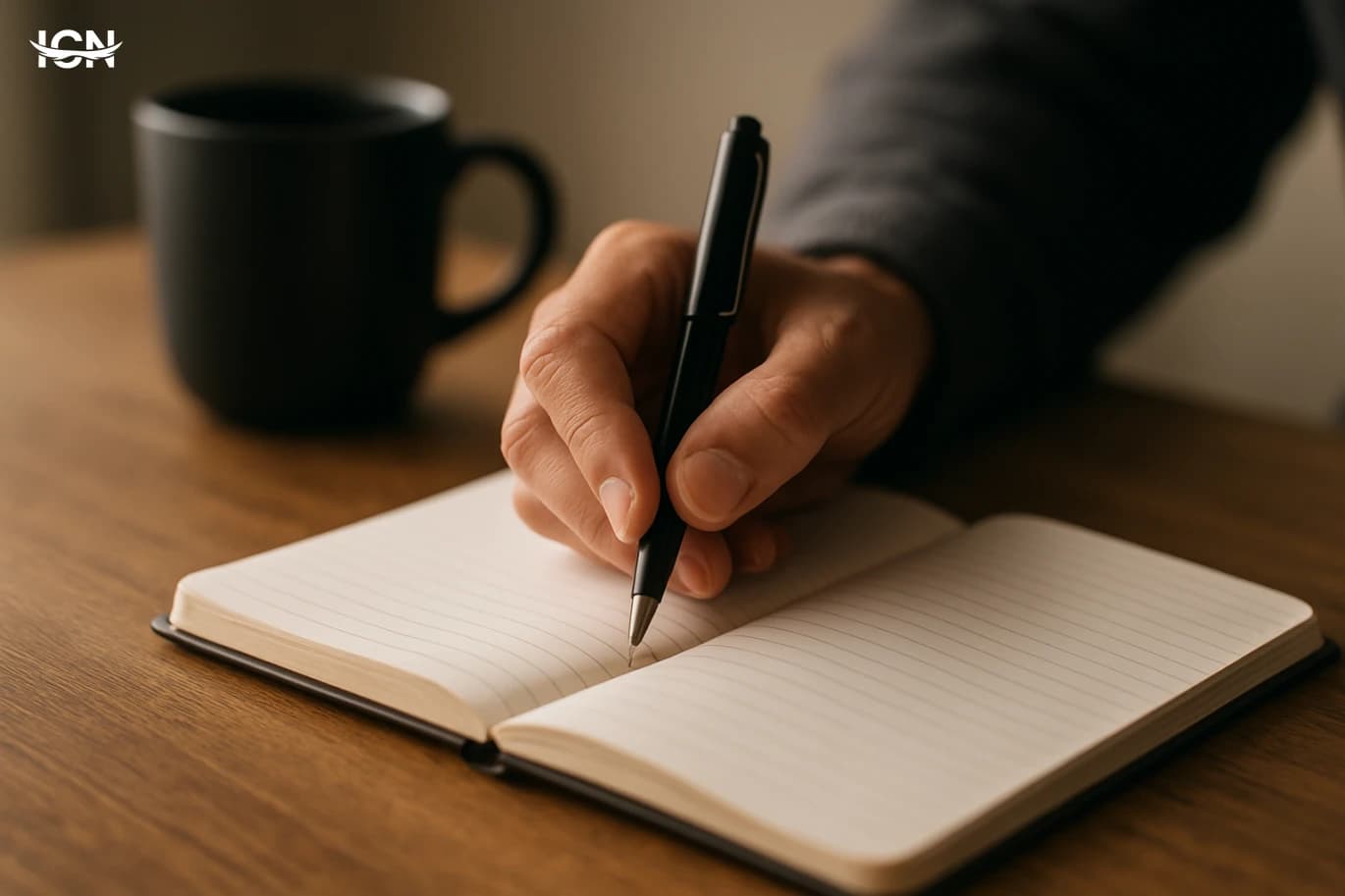
A quote becomes more powerful when it is tied to a repeatable routine. Here is a practical ritual that takes 15–25 minutes and fits most schedules. Step 1: Prepare with intention. Choose a method you can do quietly—pour-over, French press, or a small espresso. Keep the portion modest to protect sleep quality, and consider decaf if you are sensitive to caffeine. Step 2: Set the environment. Lower the lighting, clear one small surface, and keep only the cup and a notebook nearby. This reduces visual clutter, which often feeds mental clutter. Step 3: Read one line, not many. Pick a single quote from your list and read it once. Then rewrite it in your own words in one sentence. This prevents the quote from staying decorative; it becomes personal. Step 4: Close the day with a micro-summary. Write three bullets: one thing you completed, one thing you learned, and one thing you will do tomorrow. End with the quote again. Over time, this creates a consistent “landing” for your day, and the coffee becomes a cue for closure rather than another activity to rush through.
Writing your own lines without sounding forced
If you want quotes that feel truly yours, keep them specific and tied to real evening details. Forced lines often fail because they are too general. A good evening coffee line usually includes one concrete element (cup, aroma, window, lamp, notebook) and one clear intention (pause, release, focus, gratitude, closure). Try these templates: - “Tonight, I will ______, then I will stop.” - “This cup reminds me to ______.” - “I can’t control ______, but I can control ______.” - “Before sleep, I choose ______ over ______.” Then refine by removing extra words. Aim for 8–14 words. Read it out loud; if it sounds like something you would actually say, keep it. If it sounds like a slogan, rewrite it with a more ordinary verb. The best lines are simple enough to repeat, and honest enough to be useful.
Bookmark for later
Save a small set of lines and rotate them through the week. For a practical “bookmark” list, choose five quotes: one for calm, one for boundaries, one for gratitude, one for focus, and one for closure. Keep them in your notes app or on a card near your coffee tools. A suggested set: - Calm: “Let the cup be small, and the calm be large.” - Boundaries: “What matters will return tomorrow; what doesn’t can leave now.” - Gratitude: “Warm hands, quiet room, steady breath.” - Focus: “Tonight, I choose clarity over hurry.” - Closure: “Coffee at night is a ritual of closure.” When you revisit these lines, treat them as prompts for action. If a quote no longer fits your life, replace it. The purpose of evening coffee words is not to stay the same; it is to keep your evenings steady, clear, and genuinely restful.