Error 500 (Server Error)!!1500.That’s an error.There was an error. Please try again later.That’s all we know.
- the introduction
- Diplomatic passport powers
- Conditions for a diplomatic passport
- The differences between the diplomatic passport and the regular passport
- The costs and cost of the diplomatic passport
the introduction
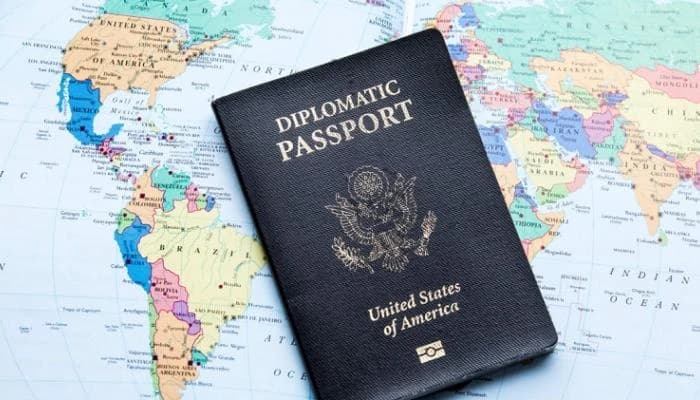
The concept of a diplomatic passport, a diplomatic passport is a travel document issued by governments for diplomats and members of diplomatic missions. This passport allows its holder to travel easily across the international border, as it has special protection under international laws. The importance of the diplomatic passport is the importance of the diplomatic passport clear in facilitating the movement of individuals working in the field of diplomacy. It helps them to perform their duties without obstacles, because of its advantages in avoiding routine inspection procedures. In addition, this passport provides a level of safety and protection, which enhances the ability to negotiate and build relations between countries.
Diplomatic passport powers
The rights and privileges of the diplomatic passport gives its holder a set of rights and privileges that facilitate its work. Diplomats enjoy international legal protection, allowing them to obtain support from the governments of their countries if they are subjected to any legal accountability while performing their duties. Diplomatic passports are also enjoyed the privileges of discounts and facilities in many public and private services, such as hotels and airports. The permitted uses are limited to the uses of diplomatic passport to official tasks related to international relations. It is not allowed to be used for personal purposes such as tourism or trade. Diplomats must adhere to the local laws of the countries they visit, which enhances the importance of respecting local customs and traditions.
Conditions for a diplomatic passport
Required qualifications, applicants for a diplomatic passport must be governmental employees or diplomats. The required qualifications include a certain level of education and experience in the field of international or diplomatic relations. They must also be nominated by specialized government agencies and include performance and merit ratings. The necessary procedures The process requires submitting an official request that includes the necessary documents such as academic certificates and work report. Applications are sent to the Ministry of Foreign Affairs or the relevant authority, which in turn shall review and approve the application. After approval, applicants receive a diplomatic passport according to the specified time frameworks.
The differences between the diplomatic passport and the regular passport
Traveling without a visa, diplomatic passport holders are distinguished by their ability to travel to many countries without the need for entry visas. This facilitates mobility and enables diplomats to perform their tasks more effectively. Safety and protection governments offer diplomatic passports more safety and protection during their travel. The authorities responsible for securing their safety and providing support in emergency situations, which are completely different from regular passports who may face difficulties in some countries.
The costs and cost of the diplomatic passport
Fees and taxes are usually fees related to obtaining a diplomatic passport less than those of regular passports. However, other costs can include additional taxes and fees related to submitting the application. Renewal and maintenance requires a diplomatic passport periodically, but the renewal process is usually smoother for its holders. Consular employees pay attention to renewal requirements, which makes it easier for diplomats to focus on their duties without concern about the complex procedures related to regular passports.