App Logo

Download Our App

Shop your way

logologo
Image

Dry skin

07/16/2025By: ICN
Dry skin

introduction

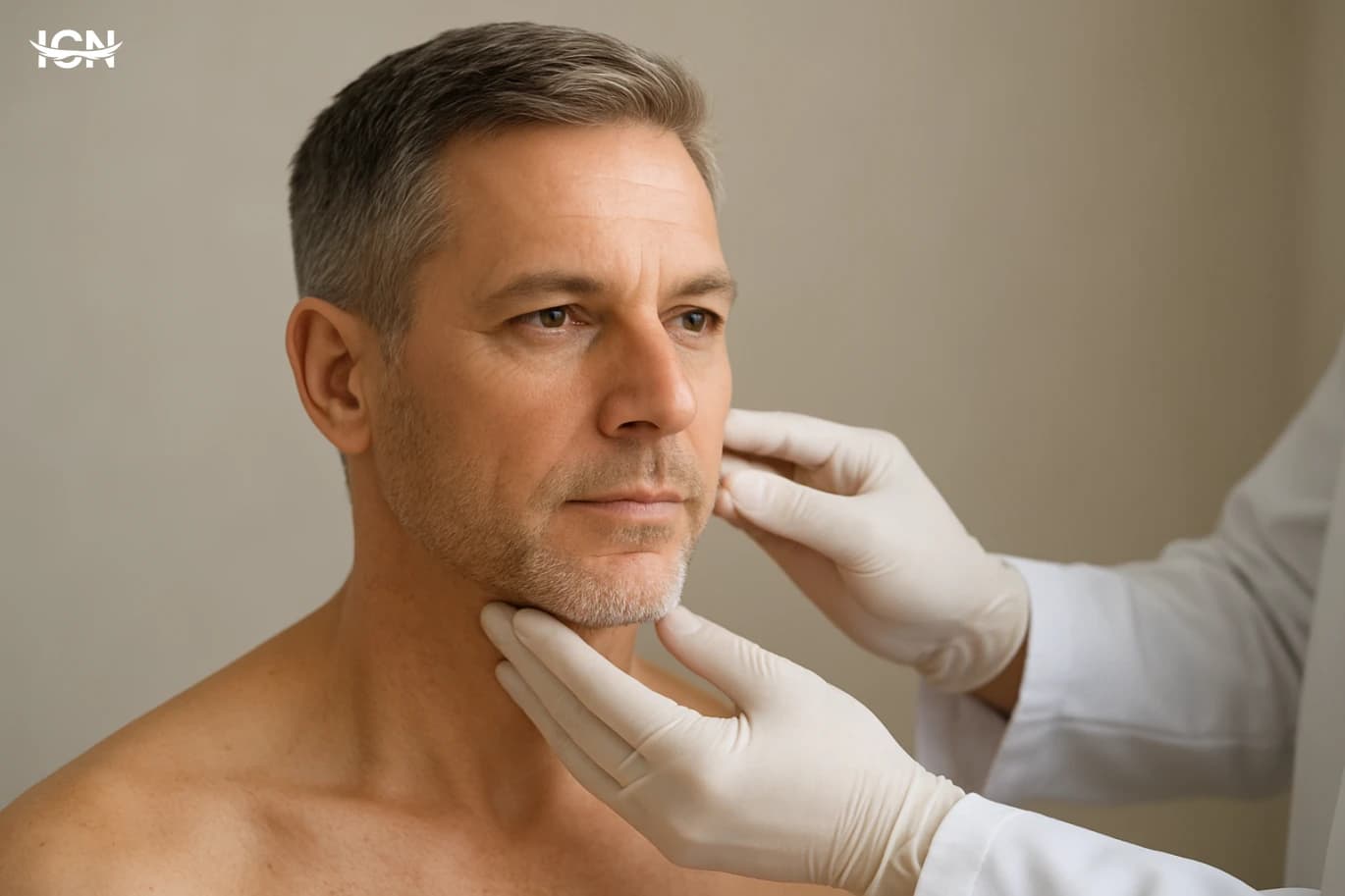
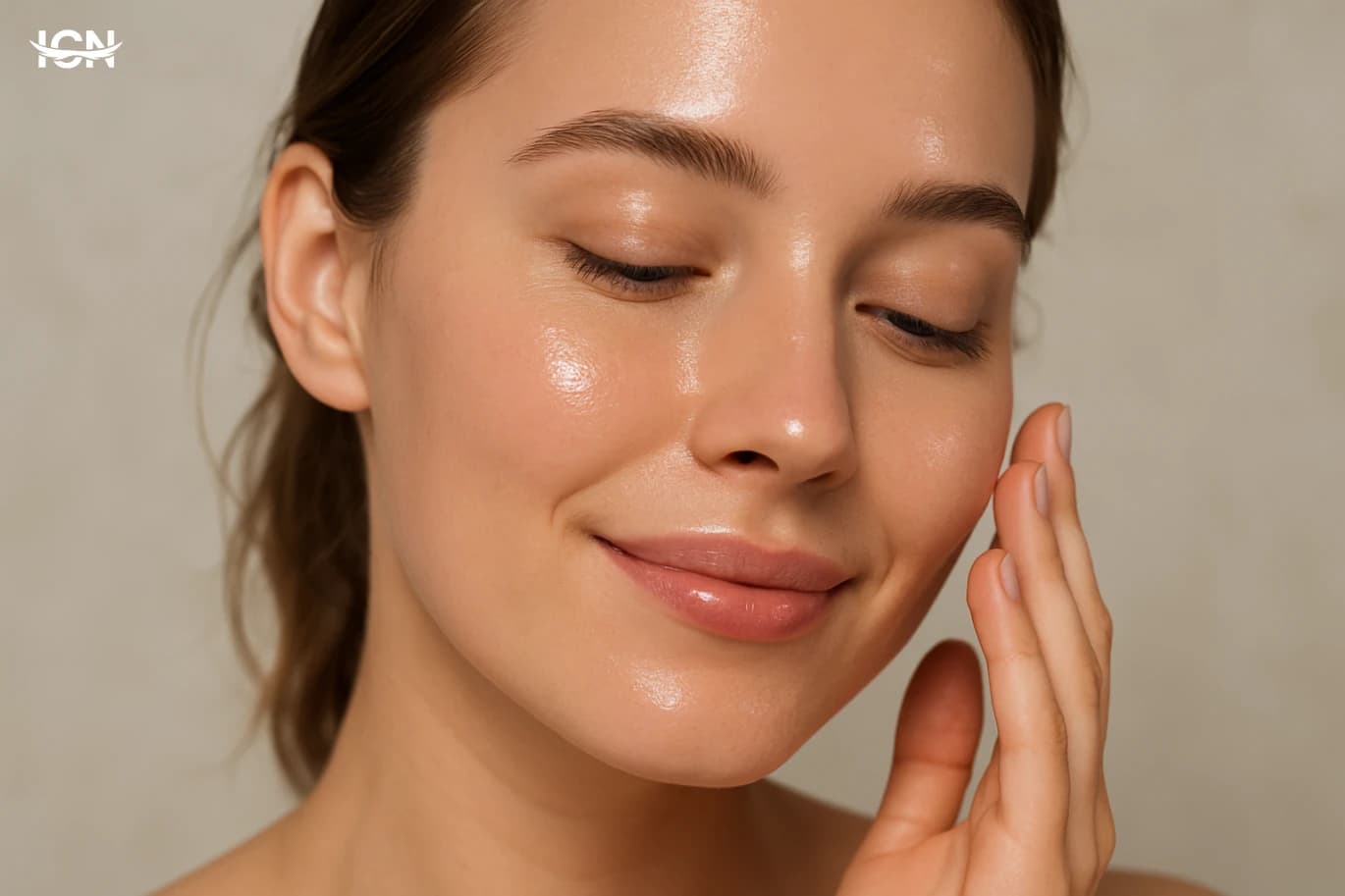
What is dry skin? Dry skin is one of the common problems that many people suffer from. It is characterized by its coarse texture and the appearance of scales on it, which makes people search for ways to treat it. The area remains dry for a set of reasons that may affect its appearance and health. The causes of drying of the skin include the causes of dry skin multiple factors such as: cold weather, excessive sun exposure, and the use of harsh or inappropriate skin care products. Also, liquid deficiency in the body or the lack of daily hydration can exacerbate this problem, which requires taking effective steps to moisturize it.

Factors affecting dry skin

Environmental factors The climate is one of the main factors that affect dry skin. Exposure to dry or cold air, as well as sudden temperature changes, can increase dry skin. In addition, the excessive use of heating devices or air conditioning can contribute to the loss of moisture from the skin. Genetic factors also play a role in the quality of the skin. Some people have dry skin in nature as a result of genetic factors. So, they may find more difficulty in keeping their skin moisturizing, which requires the use of special products for dry skin to keep their elasticity and health.

Diet's effect

The importance of drinking water is necessary for people to eat sufficient amounts of water daily, as internal dryness can significantly affect the appearance and health of the skin. Drinking water helps moisturize the skin from the inside, which contributes to improving its appearance and elasticity. Foods beneficial for dry skin. Eat foods rich in essential fatty acids, such as fish, poultry and nuts, are beneficial to dry skin. Fruits and vegetables rich in vitamins and minerals such as vitamin E and C contribute to promoting skin health and improving their elasticity. It is important to adopt a balanced diet to support skin health.

Dry skin care tips

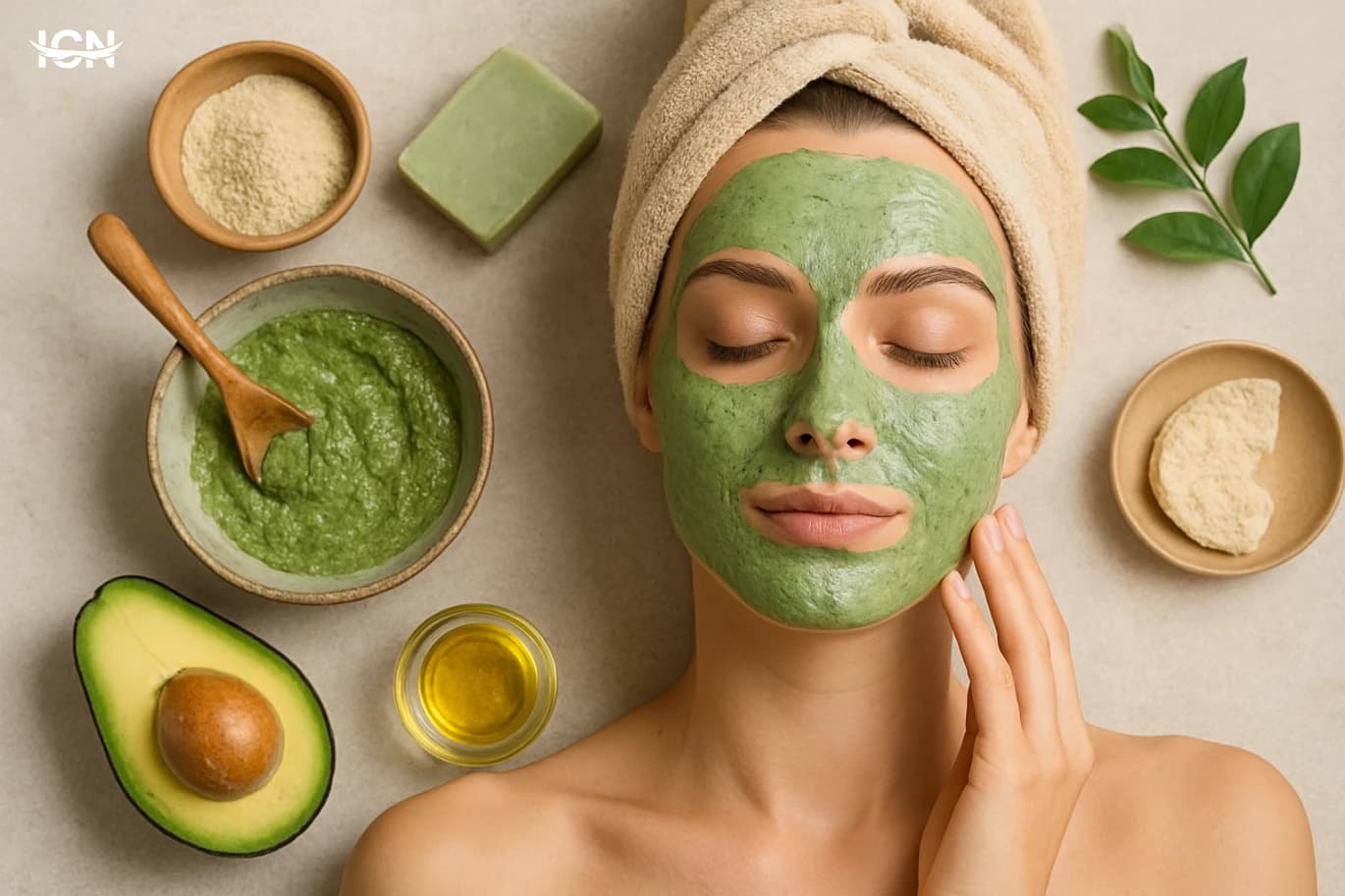
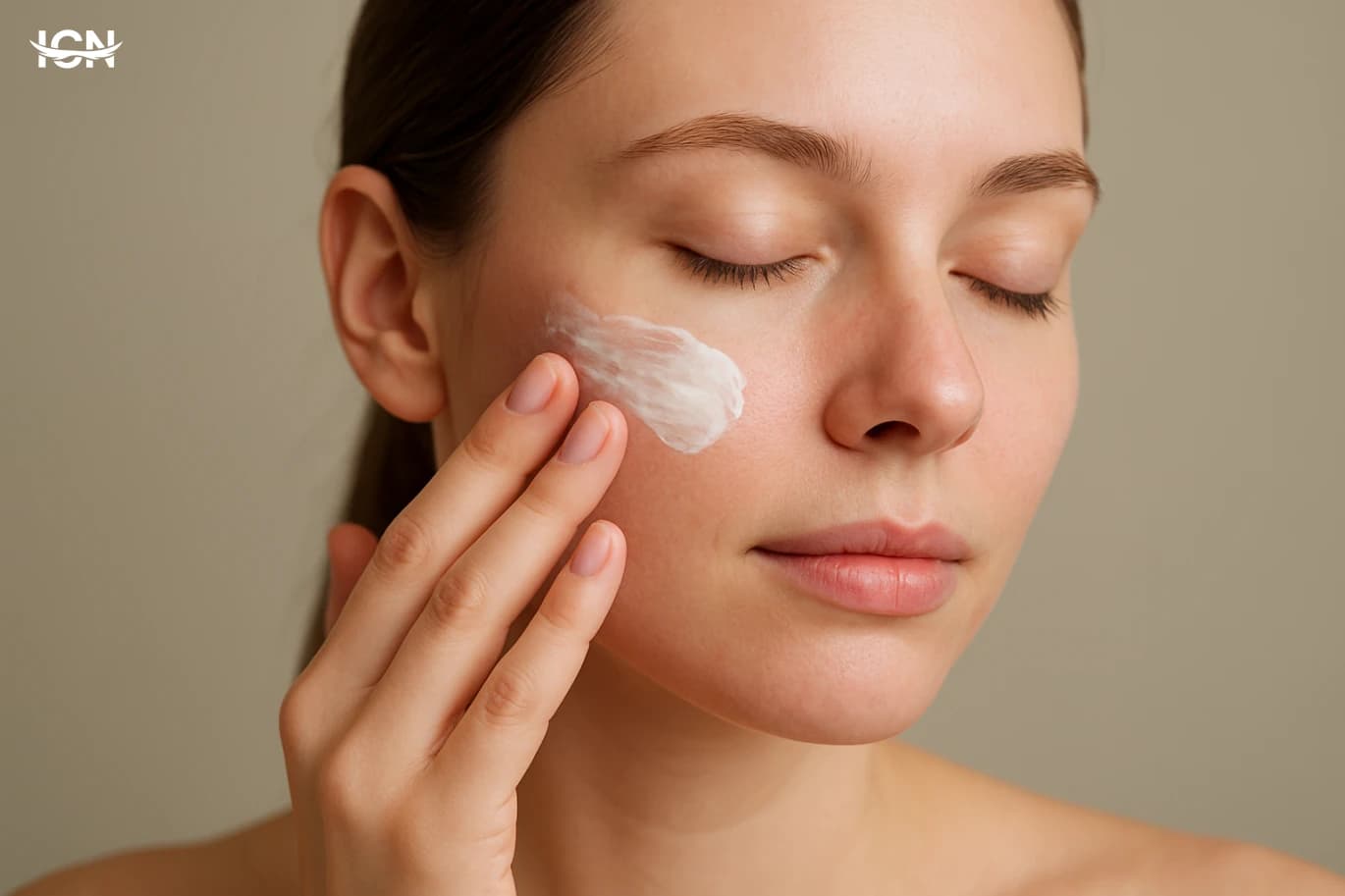
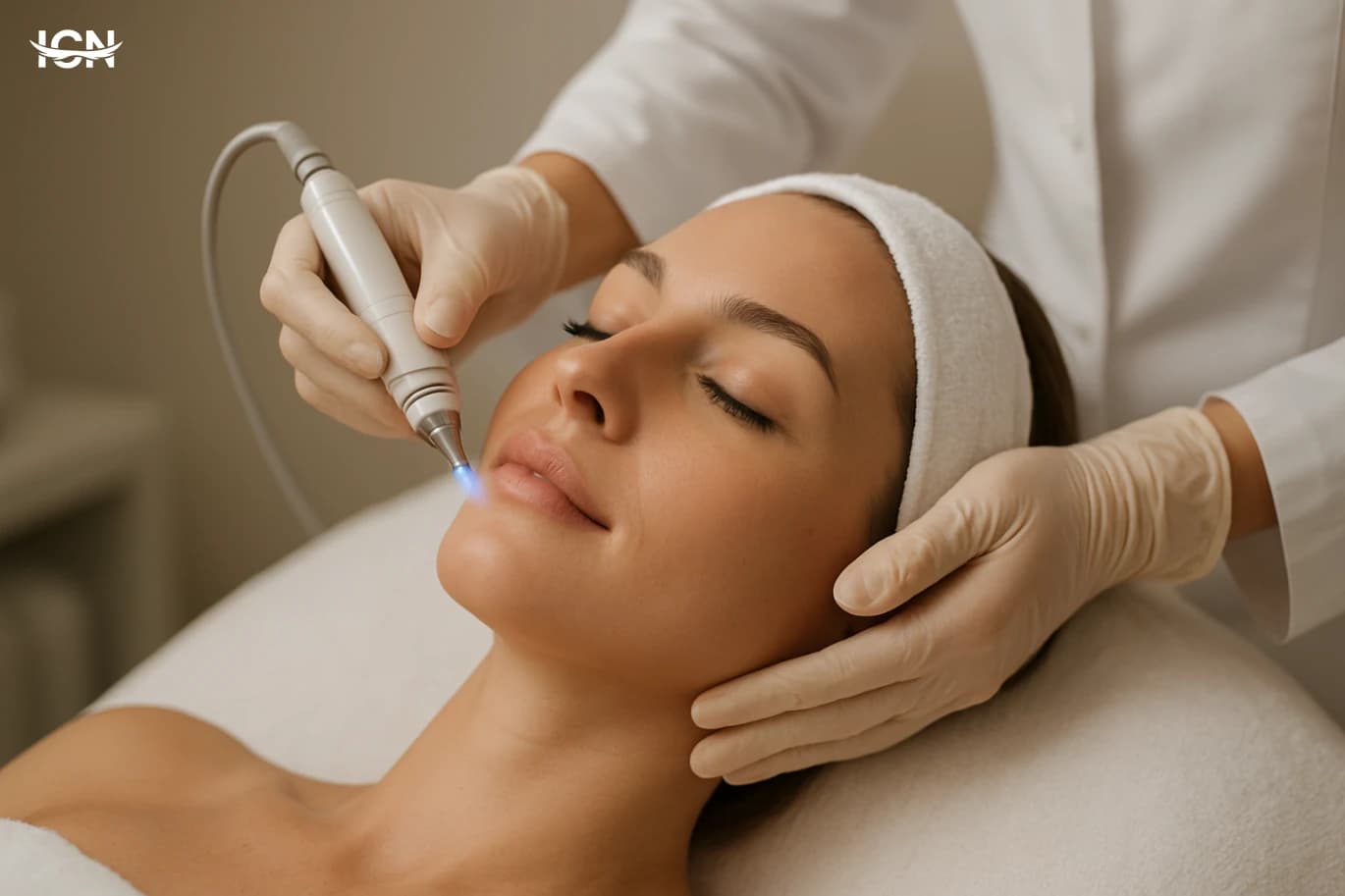
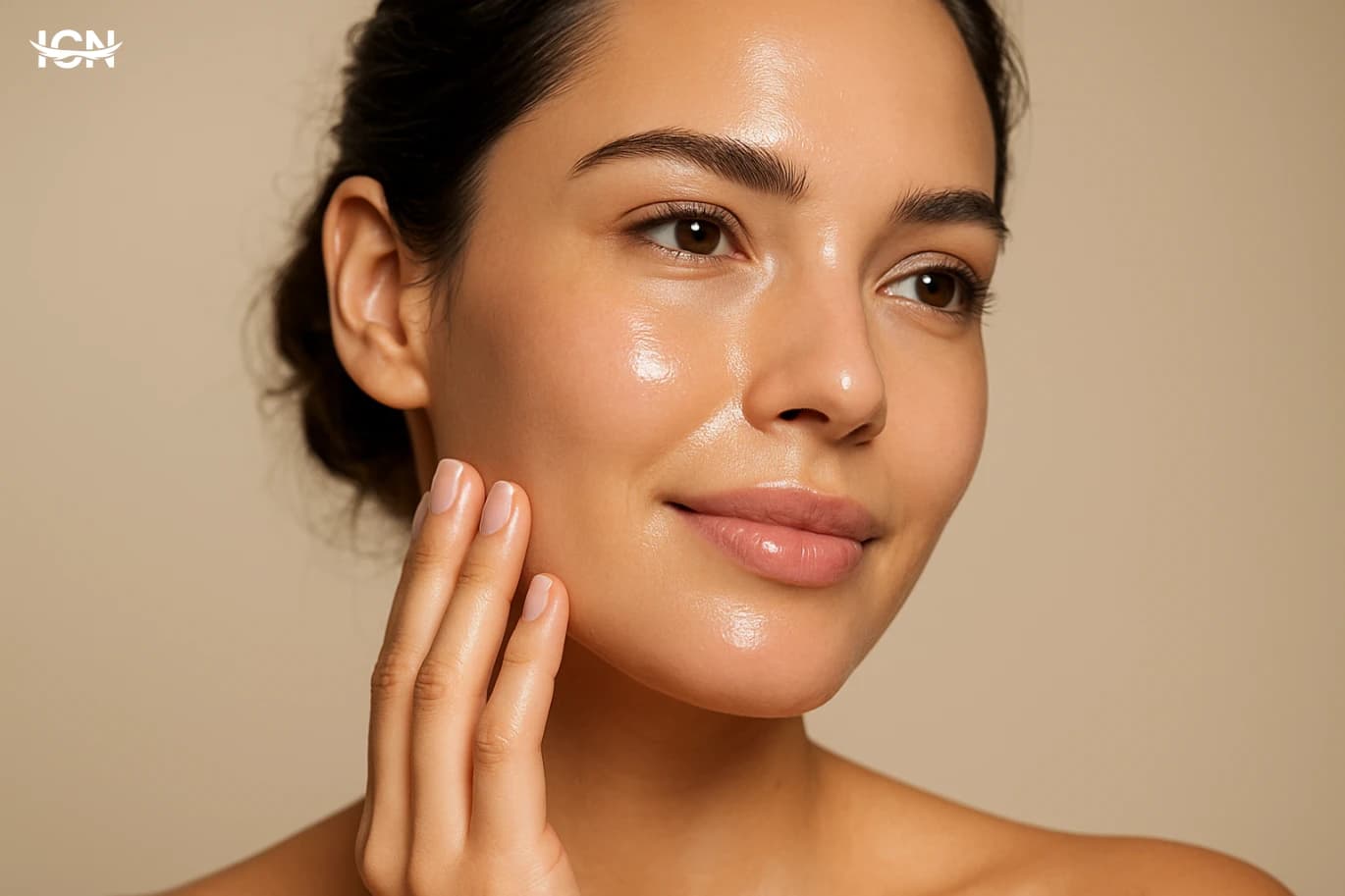
Using skin moisturizers is important to use appropriate skin moisturizers to maintain skin moisture. Methlipics containing ingredients such as glycerine and hyaluronic acid should be chosen to enhance moisturizing. Gently cleaning the skin, dry skin should be gently using alcohol -free detergents that ensure that moisture is not lost. Avoid using hot water, instead use warm water to avoid skin irritation. Maintaining a regular skin care routine will help improve its general condition.

Avoid harmful chemicals

Salfat, individuals who suffer from dry skin should avoid products that contain salva. These substances may lead to the loss of natural humidity in the skin and cause dryness and irritation. It is better to choose products that contain gentle ingredients that do not cause strain of skin. Paraben also, it is preferable to avoid paraben, which is used as preservatives in many cosmetics. It can have negative effects on sensitive skin. It is advisable to search for natural or parabens -free options to ensure the health of the skin and to avoid any unwanted reactions.
* All articles published on this blog are sourced from various websites and are provided for informational purposes only. They should not be considered as confirmed studies or accurate information. Please verify the information independently before relying on it.

Similar ARTICLES

When Facial Shine Is a Good Sign
Not every shiny face means a skin problem. A healthy glow is usually a soft, even reflection of light that appears after moisturizing, gentle exfoliation, or good hydration. It tends to look uniform across the cheeks and forehead, with skin texture still visible and pores not overly emphasized. This type of radiance often comes with comfortable skin that does not feel greasy to the touch. Oily shine is different. It often looks patchy, stronger in the T-zone (forehead, nose, and chin), and can make pores look larger. The skin may feel slippery within a few hours of cleansing, and makeup may separate or slide. This shine is driven by excess sebum, which can be influenced by genetics, hormones, climate, and product choices. Understanding which type you are seeing is the first step, because the solutions are not the same. A practical way to tell: press a clean tissue lightly on the forehead and nose two to three hours after washing. If it picks up noticeable oil, you are dealing with sebum-driven shine. If the tissue stays mostly clean but your skin still looks bright, it is more likely a surface glow from hydration and a smooth skin barrier.
Snail Mucin in Skincare Reality Check
Snail mucin, often labeled “snail secretion filtrate,” moved from niche K‑beauty shelves to mainstream skincare because it fits several modern consumer demands at once: hydration, barrier support, and a “natural” story. It is typically used in serums, essences, and moisturizers that promise smoother texture and a healthier glow without aggressive exfoliation. Social media also played a role, but the bigger driver is practical: many people want products that feel soothing and layer well with sunscreen and makeup. From a formulation standpoint, snail mucin is not one single ingredient. It is a complex mixture of water-binding substances and skin-friendly components that can improve the feel of a product and reduce the look of dryness. Brands often market it as a one-step solution for dullness, fine lines, and post-acne marks, which is where expectations can become unrealistic. The real question is not whether snail mucin is “magic,” but what it can reasonably do in a routine, and for whom it is worth the cost. Another reason for its popularity is that it is generally positioned as gentle. People who cannot tolerate strong acids or retinoids sometimes look for alternatives that still offer visible improvement. Snail mucin products often deliver immediate comfort and a plumper look because of hydration, which can be mistaken for long-term structural change. Understanding that difference is essential before judging whether it is a beauty secret or a marketing exaggeration.
Sustainable Natural Alternatives to Sheet Masks
Sheet masks are convenient, but their environmental footprint is often overlooked. Most are single-use products packaged in multilayer sachets that are difficult to recycle because they combine plastic and aluminum. Even when the mask fabric is plant-based, the packaging and the one-time format create steady waste. Many formulas also rely on synthetic polymers and preservatives that are safe for skin but add to the overall manufacturing complexity and resource use. From a skin-care perspective, sheet masks mainly work by delivering humectants and soothing agents under light occlusion, which temporarily reduces water loss and makes skin look plumper. That effect can be achieved with reusable tools and simple, well-formulated leave-on products. If your goal is glow and hydration without extra trash, the key is to replicate the benefits—hydration, barrier support, and calming—using options that can be washed, refilled, or composted, and that fit your routine consistently rather than as a one-off treatment.
Barrier First Skincare for Sensitive Faces
Many “sensitive skin” complaints are not a mystery condition; they are often a stressed skin barrier. The barrier is the outermost layer that keeps water in and irritants out, supported by lipids such as ceramides, cholesterol, and fatty acids. When it is compromised, everyday products can sting, redness becomes easier to trigger, and the face may feel tight even after moisturizing. Common signs include burning with gentle cleansers, flaky patches around the nose or mouth, sudden shine with dehydration underneath, and makeup that separates quickly. Barrier stress is frequently caused by routine choices rather than genetics alone. Over-cleansing, hot water, frequent exfoliation, high-strength actives layered together, and fragranced products can all increase transepidermal water loss. Environmental factors matter too: dry indoor heating, air conditioning, wind, and frequent mask-wearing can create friction and micro-irritation. Understanding barrier health reframes the goal from “fixing sensitivity” to building resilience with fewer, better steps and consistent protection.
Retinol Done Right for Sensitive Skin
Retinol is effective because it speeds up cell turnover and supports collagen, but those same benefits can overwhelm a fragile skin barrier. Sensitive skin often has a thinner or more reactive barrier, so water escapes more easily and irritants penetrate faster. When retinol is introduced too quickly, common reactions include dryness, tightness, flaking around the mouth and nose, and a stinging sensation after cleansing. These effects are not always an allergy; they are frequently a dose-and-schedule problem. It also matters what else is happening in your routine. Strong cleansers, frequent exfoliation, and fragranced products can prime the skin for irritation before retinol even enters the picture. Climate plays a role as well: cold, dry air and indoor heating increase transepidermal water loss, making retinol feel harsher. Understanding that sensitivity is often a barrier-management issue helps you plan a retinol approach that improves texture and tone without triggering weeks of discomfort.
Barrier First Skincare for Reactive Faces
More people describe their face as “reactive” even when they do not have a formal diagnosis. In practice, this usually means stinging with basic products, sudden flushing, tightness after cleansing, or patches that look irritated for days. Several everyday factors can push skin in that direction: frequent switching between active ingredients, over-cleansing, hot showers, aggressive exfoliation, and constant exposure to dry indoor air from air conditioning or heating. Urban pollution and long screen time can also encourage people to cleanse more often than needed, which can strip the surface. From a facial aesthetics perspective, reactive skin is not only uncomfortable; it also makes results less predictable. Makeup may separate, sunscreen may pill, and professional treatments can lead to longer downtime when the barrier is already compromised. A barrier-first approach focuses on restoring the skin’s outer defense so it can tolerate actives, sun protection, and aesthetic procedures more reliably. The goal is not to avoid all ingredients, but to build tolerance and reduce unnecessary triggers.
Barrier First Skincare for Sensitive Faces
Many “sensitive skin” complaints are actually barrier problems. The outermost layer of the skin, the stratum corneum, works like a protective shield made of skin cells and lipids. When it is healthy, it limits water loss, keeps irritants out, and supports a balanced microbiome. When it is weakened, people notice tightness after cleansing, stinging with products that used to feel fine, patchy redness, and makeup that clings to dry areas. Common triggers include over-cleansing, frequent exfoliation, hot water, harsh foaming surfactants, and stacking too many actives at once. Climate and lifestyle also play a role: dry air, air conditioning, long hot showers, and repeated mask friction can all increase transepidermal water loss. A barrier-first approach focuses on restoring hydration and lipids before chasing brightening or anti-aging goals, which often reduces reactivity and makes later treatments more tolerable.
Glow On the Go Skincare Routine
Travel days and late nights change your skin’s behavior in predictable ways. Cabin air and air-conditioned terminals are typically dry, which increases water loss from the skin and can make fine lines look more visible. Long hours sitting, salty snacks, and inconsistent hydration can also contribute to puffiness, especially around the eyes. Add disrupted sleep and your skin may look dull because overnight repair time is reduced, and the complexion can appear uneven. The goal during trips is not to do more steps, but to do the right steps consistently. Think in terms of three priorities: keep the barrier comfortable, prevent dehydration, and protect from sun exposure. When you focus on these, you can maintain a fresh look even with a tight schedule, limited luggage space, and changing climates.
Barrier-Friendly Brightening for Uneven Skin Tone
Uneven skin tone is not one problem with one cause. It can show up as dullness that makes the face look flat in daylight, patchy areas around the mouth, lingering marks after breakouts, or a darker cast on the forehead and cheeks after sun exposure. Many people also notice that makeup oxidizes or sits differently on darker patches, which is often a sign of surface dehydration and a stressed barrier rather than “stubborn pigment” alone. In practice, tone issues usually combine three layers: excess melanin production, slow shedding of pigmented cells, and inflammation that keeps the skin reactive. A useful first step is to map where the discoloration sits and when it worsens. If it deepens after weekends outdoors, UV is driving it. If it flares after new products, friction, or over-exfoliation, irritation is likely the main trigger. This distinction matters because aggressive brightening can temporarily lighten the surface while worsening sensitivity, leading to a cycle of redness, dryness, and rebound discoloration. A barrier-friendly approach aims to reduce triggers while gradually improving clarity and radiance.
Instant Eid Glow in Minutes
When you want visible radiance fast, the goal is not “perfect skin” but a smoother surface, balanced hydration, and a fresher tone. A practical 10-minute plan can deliver that before guests arrive or right before you leave the house. Start by washing hands and tying hair back. Use lukewarm water and a gentle cleanser for 30–45 seconds to remove sunscreen, dust, and excess oil without stripping. Pat dry with a clean towel; rubbing can trigger redness. Next, apply a hydrating toner or essence (optional but helpful) and press it in with palms for 20 seconds. Follow with a lightweight serum: vitamin C for brightness, niacinamide for a more even look, or hyaluronic acid for quick plumping. Keep the amount small and spread it evenly. Seal with a simple moisturizer that suits your skin type, then finish with SPF if you will be outdoors. If you are staying indoors at night, you can skip SPF and use a slightly richer cream on dry areas. The final minute is about “finish”: a lip balm, a quick brow brush, and a dab of cream blush can make skin look more awake without heavy makeup. This routine works because it focuses on surface clarity and hydration, which are the fastest levers for a healthy glow.
Barrier Repair Routine for Reactive Skin
The skin barrier is the outermost defense layer that limits water loss and blocks irritants, pollution particles, and harsh weather. When it is compromised, skin often feels tight after cleansing, looks dull, and reacts to products that used to be fine. Common signs include stinging with simple moisturizers, patchy redness around the nose or cheeks, and flaking that returns quickly even after applying cream. A weakened barrier can also make breakouts look worse because inflammation rises and healing slows. Understanding this mechanism helps you choose a routine that reduces triggers instead of adding more active ingredients. Barrier issues are frequently mistaken for “dry skin,” but they can happen in oily or combination skin as well. Over-cleansing, frequent exfoliation, and switching products too often are typical causes. Environmental factors such as low humidity, air conditioning, and sun exposure can also contribute. The goal of a barrier-repair routine is not to chase instant glow; it is to restore comfort, reduce reactivity, and create a stable base so that future treatments like brightening or anti-aging are tolerated better.
Barrier Repair for City-Stressed Skin
Living in a city exposes facial skin to a steady mix of triggers that can push it into a reactive cycle. Fine particles from traffic and construction can settle on the skin surface and mix with sebum, making cleansing more difficult and increasing the chance of clogged pores around the nose and chin. Ozone and other oxidants can weaken the skin’s protective lipids over time, which often shows up as tightness after washing, stinging when applying products, or redness that lingers longer than usual. Indoor factors matter too. Air conditioning and heating reduce humidity, and low humidity increases water loss from the outer layer of skin, especially on the cheeks and around the mouth. Add frequent face touching, mask friction for some people, and inconsistent sleep, and the barrier can struggle to recover. The result is not just “dry skin”; it can be a combination of dehydration, uneven texture, and sensitivity that makes even basic routines feel unpredictable.
Barrier Repair for Sensitive City Skin
Many people notice that their skin behaves differently after moving to a busy city or changing daily routines. The most common pattern is “reactive skin”: stinging after cleansing, redness that appears quickly, and dryness that returns within hours. These changes are often linked to a weakened skin barrier, the outer layer that helps keep water in and irritants out. In urban environments, the barrier is challenged by frequent face washing, long hours in air-conditioned offices, and rapid shifts between indoor and outdoor humidity. Another factor is the way city life increases exposure to particles and grime that settle on the face. When these are not removed gently, people often over-cleanse or use strong exfoliants to feel “really clean,” which can strip lipids that the barrier needs. Even habits like hot showers, face wipes used multiple times a day, and fragranced products can add up. The result is skin that feels tight, looks uneven, and reacts to products that used to be fine. Understanding that sensitivity can be a barrier issue, not a “weak skin type,” changes the approach. The goal becomes restoring function: keeping hydration stable, reducing unnecessary irritation, and choosing products that support the skin’s natural lipids and proteins. This article focuses on practical barrier repair strategies that fit real city schedules and budgets, without turning skincare into a complicated project.
By clicking the SUBSCRIBE button, you are agreeing to our Privacy & Cookie Policy If you want to unsubsribe the marketing email, please proceed to our privacy center.
© 2005-2026 ICN. All Rights Reserved.