Color Names That Became First Names
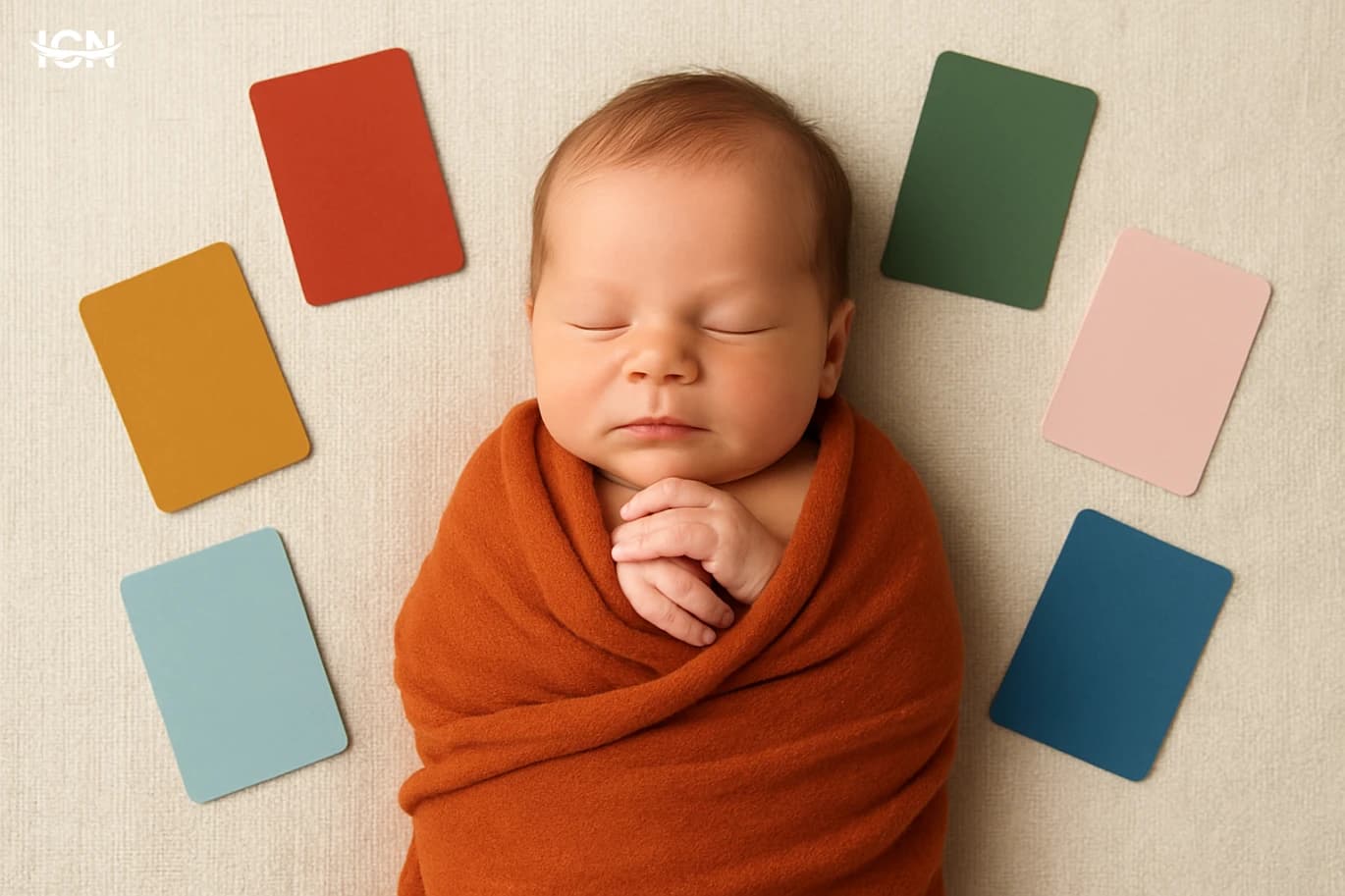
- Why color names work as given names
- Violet, Indigo, and the rise of botanical shades
- Ruby, Amber, and the gemstone-to-color pipeline
- Hazel, Olive, and the earthy palette
- Scarlett, Grey, and names shaped by style
- How to choose a color name responsibly
Why color names work as given names
Color-based names have a direct advantage: they are instantly recognizable, easy to pronounce in many languages, and carry a clear mental image. Parents often choose them because they feel modern without being invented, and because they can signal a mood or value—calm, brightness, elegance—without needing a long explanation. In English-speaking contexts, names like Violet, Ruby, Hazel, and Scarlett have moved from descriptive words to established first names, supported by literature, fashion, and long-term usage in birth records. From a meanings perspective, color names sit at the intersection of nature and culture. Violet is both a color and a flower; Ruby is a gemstone name that also reads as a shade of red; Hazel connects to a tree and a warm brown-green tone. That dual meaning makes the name feel grounded rather than trendy. Another factor is flexibility: many color names work across genders in practice, even when they are traditionally associated with one. This section sets up the topic by focusing on how a simple color word becomes a socially accepted personal name through repeated use, positive associations, and cross-cultural familiarity.
Violet, Indigo, and the rise of botanical shades
Violet is a strong example of a color name that feels classic. Its meaning is straightforward—linked to the violet hue—but it also points to the violet flower, which adds a natural reference that many parents find appealing. The name has been used for generations in English, and its renewed popularity aligns with broader interest in vintage names. Violet also benefits from a clear spelling and a pronunciation that travels well. Indigo shows a different pathway. As a color term, it is distinctive and slightly unconventional, and it carries a history connected to dye and textiles. That background gives the name an artisanal, design-oriented feel, which can be attractive for parents looking for something recognizable but less common than Violet. Indigo is also used as a gender-neutral name in some communities, partly because it does not have a long-standing gendered tradition. This section can explore how botanical and natural references reinforce color names. Even when the color is the primary meaning, the association with plants, dyes, and natural materials makes the name feel tangible. It also highlights how naming trends often move together: a rise in nature names tends to lift color names that sound botanical or earthy.
Ruby, Amber, and the gemstone-to-color pipeline
Some of the most established “color names” began as gemstone names. Ruby is a prime case: it refers to a precious stone, but in everyday language it also signals a deep red shade. That layered meaning makes Ruby feel both luxurious and familiar. It has a long history as a given name, and it fits well with current preferences for short, vivid names. Amber follows a similar pattern, though its associations are broader. Amber is a fossilized resin, a warm golden-brown color, and a common descriptor in art and design. As a name, it became widely used in the late 20th century in several English-speaking countries and remains recognizable. The meaning is concrete and easy to explain, which is often important for families who expect the name to travel across regions. This section can examine why gemstone-based color names endure. They offer a built-in story: the material, its appearance, and the cultural value attached to it. They also tend to be spelled consistently and pronounced predictably. For readers, it is a practical way to understand how “meaning” in names often comes from multiple sources—object, color, and cultural symbolism—without becoming abstract.
Hazel, Olive, and the earthy palette
Hazel is often categorized as a nature name, but it is also a color reference used for eyes and for a warm, muted tone between brown and green. Its popularity has been supported by its gentle sound and its connection to the hazel tree. As a given name, Hazel feels traditional yet current, which is a combination many parents actively seek. Olive is another example where the object and the color reinforce each other. The olive tree is a clear natural reference, while “olive” as a color has a specific place in fashion, interior design, and product branding. That everyday visibility helps the name feel familiar. Olive also fits a broader naming pattern: short, vowel-forward names that are easy to spell. In this section, the blog can map how earthy color names differ from jewel tones. They tend to signal understated style rather than intensity. They also connect to food, plants, and landscapes, which can make the meaning feel practical and grounded. For readers choosing names, the takeaway is that earthy palette names often age well because they are tied to common, stable references rather than niche trends.
Scarlett, Grey, and names shaped by style
Not all color names come from nature or materials; some are propelled by style, media visibility, and the way a word sounds as a name. Scarlett is rooted in a vivid red association, but it also functions as a surname-style first name with a strong, crisp rhythm. Its popularity has been influenced by literature and entertainment over time, and it benefits from a spelling that feels distinctive without being difficult. Grey (or Gray) represents a minimalist trend in naming. As a color, it suggests neutrality and modern design, which aligns with contemporary branding and aesthetics. As a given name, it is short, direct, and often used in a gender-neutral way. The choice between Grey and Gray also shows how spelling variants can carry regional identity without changing the core meaning. This section can analyze how style-driven color names spread: a word becomes fashionable in clothing, interiors, or media, then crosses into naming. The meaning remains the color, but the social signal shifts—toward modernity, simplicity, or boldness. For readers, it is a reminder to consider not only dictionary meaning but also the current “feel” of the name in everyday life.
How to choose a color name responsibly
Choosing a color name is easier when you treat it like any other serious naming decision: test pronunciation, spelling, and long-term fit. Start by saying the full name aloud with the family surname, and check whether the rhythm feels natural. Then consider spelling stability. Names like Violet and Ruby are typically straightforward, while others may invite frequent corrections. If you expect the name to be used across languages, look for sounds that are easy to reproduce and avoid clusters that commonly get altered. Meaning matters, but context matters just as much. A color name can signal elegance, creativity, or simplicity depending on current usage in fashion and media. Search how the word is used today: is it strongly tied to a product trend, a brand, or a temporary style? If so, decide whether that association is acceptable. Also consider nicknames and shortened forms, since many color names naturally produce them. Finally, think about balance. If the first name is a bold color word, a more traditional middle name can provide flexibility. If the surname is already descriptive, a subtle color name may feel more cohesive. The practical goal is a name that is clear, respectful, and durable—one that carries a vivid meaning without becoming a distraction in professional and everyday settings.