City Names That Reveal Hidden Histories
- Why City Names Matter
- Common Building Blocks in City Names
- Case Studies From Different Regions
- How Experts Verify Name Meanings
- A Reader’s Toolkit for Decoding Names
Why City Names Matter
City names are not just labels on maps; they are compact records of language, geography, and social change. A single name can preserve an older tongue that disappeared from daily use, or it can mark a turning point such as a new port, a railway stop, or a planned capital. In many regions, names also reflect the landscape that early residents relied on: a river crossing, a hilltop, a sheltered bay, or a fertile plain. When those features are later altered by construction, the name often remains as the most visible trace of what the place used to be. Understanding meanings behind city names helps readers interpret local identity without resorting to stereotypes. It also clarifies why neighboring towns may sound similar: they can share a root word for “water,” “market,” or “fort,” shaped by different dialects. This topic is especially engaging because it connects everyday travel and news with deeper context. A commuter passing through “Newcastle” or “Casablanca” is seeing a headline of history, even if they never open the full story. This article focuses on practical ways to decode names responsibly. It avoids myths that circulate online and instead highlights how linguists and historians evaluate evidence: earliest written forms, pronunciation shifts, and the physical setting. The goal is to make name meanings useful for readers planning trips, studying local heritage, or simply wanting to understand why a city is called what it is.
Common Building Blocks in City Names
Across languages, certain elements appear again and again because they describe basic needs: protection, trade, water, and routes. In English place names, “-ford” often points to a river crossing, while “-bridge” signals a later infrastructure marker. “-chester” and “-caster” can trace back to Roman camps and fortified sites, showing how military logistics shaped settlement patterns long after the empire faded. In many European languages, variations of “burg” or “bourg” indicate a fortified town or borough, linking the name to governance and defense. In Arabic and Arabic-influenced naming, you often see “wadi” for a valley or seasonal riverbed, “ain” for a spring, and “jabal” for a mountain. “Souq” points to commerce, while “qasr” can indicate a palace or fortified residence. These components are not just descriptive; they can reveal what mattered most when the name stabilized. A town named for a spring suggests water access was central, while a name tied to a market implies regional exchange and regular gatherings. Colonial and trade networks added additional layers. Ports and crossroads may carry names that blend languages, reflecting who controlled shipping, administration, or taxation at different times. Over centuries, pronunciation shifts can blur the original meaning, but the building blocks remain detectable when compared with older spellings and local oral traditions. The key is to treat these elements as clues, not final answers, and to check whether the geography still matches the implied feature.
Case Studies From Different Regions
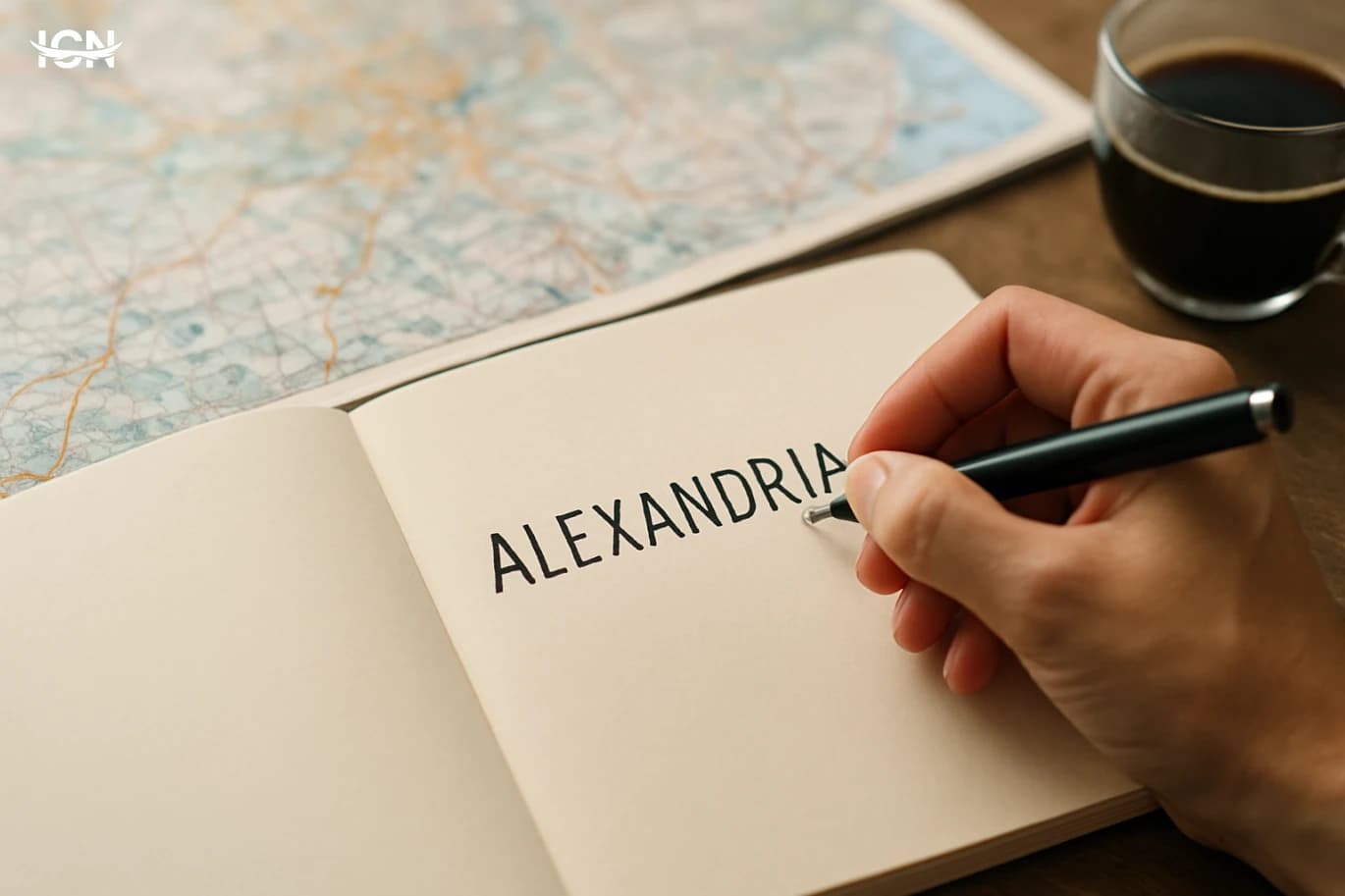
A few well-known city names show how meaning can be both straightforward and layered. Casablanca is often explained as “white house,” a name popularized through Iberian languages and later fixed internationally. The meaning is simple, but the story is not: it reflects maritime contact, shifting administrative languages, and the branding power of a port city in global trade routes. Alexandria is another example where a name signals a founder and an era. The name connects to Hellenistic expansion and the city’s long role as a cultural and commercial hub on the Mediterranean. Even when local languages and rulers changed, the name’s association with a major historical figure helped it persist, showing how prestige can stabilize a place name. In Europe, Reykjavik is commonly translated as “smoky bay,” linked to steam rising from geothermal activity. Here the environment is central: the name points to a visible natural feature that early settlers used to describe the coastline. Meanwhile, Istanbul illustrates how names can shift through everyday speech. The modern form is widely understood as evolving from a Greek phrase used by residents to mean “to the city,” reflecting how a practical direction can become an official name over time. These cases demonstrate three patterns: names that describe appearance, names that commemorate people, and names that emerge from common usage. They also show why it is risky to rely on one-language explanations. A city at a crossroads may carry a name shaped by several tongues, and each layer can correspond to a different period of influence. The most reliable approach is to treat the name as a timeline: ask what the earliest recorded form was, what languages were spoken in the region, and what geographic or economic feature the name likely referenced at the time.
How Experts Verify Name Meanings
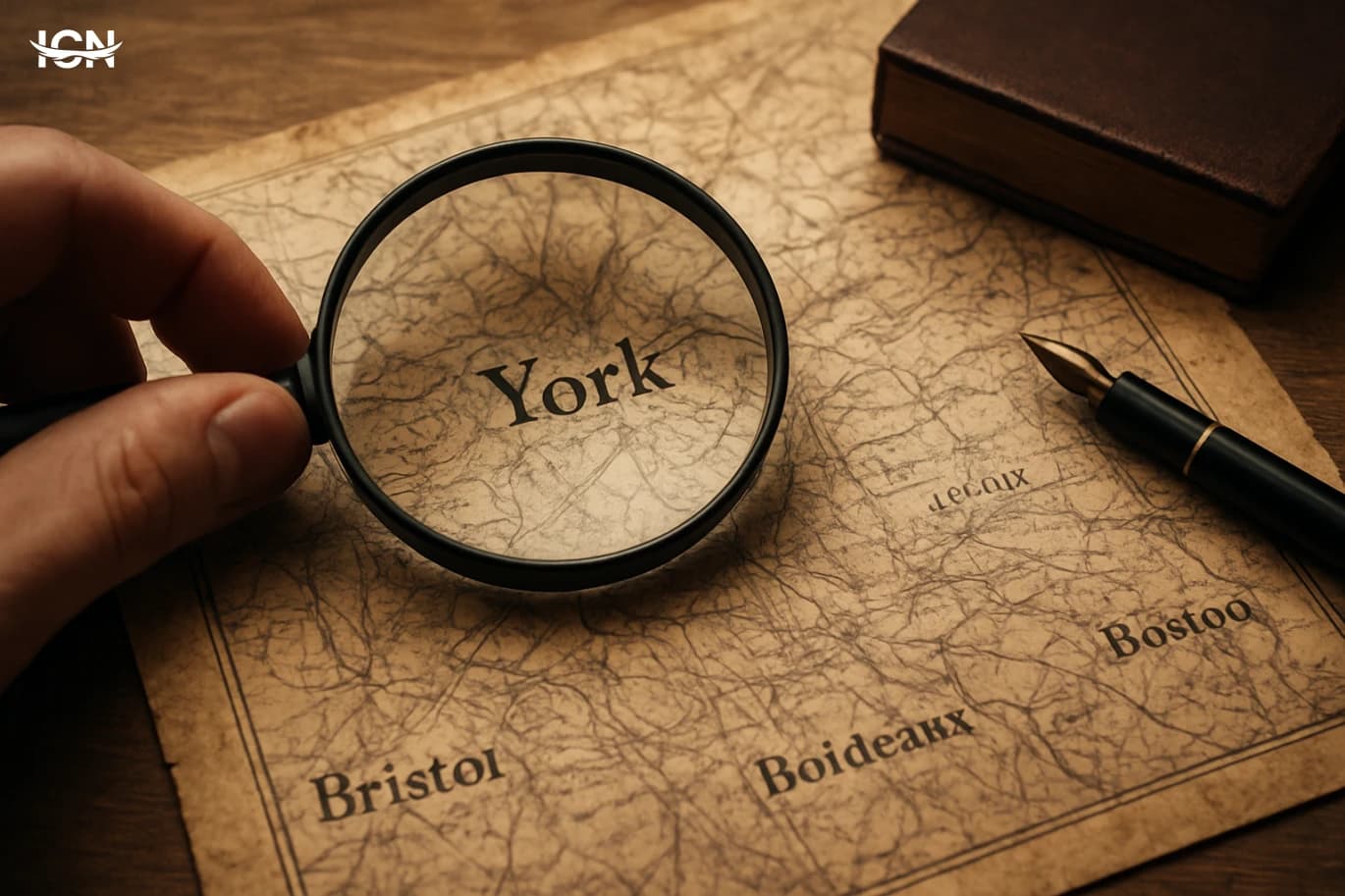
Professional research into place names relies on evidence, not attractive stories. Linguists start with the earliest attestations: old maps, tax records, travel accounts, and administrative documents. Early spellings matter because they capture sounds before later standardization. A name that looks obvious today may have been pronounced differently centuries ago, and that difference can change the meaning entirely. Researchers also examine sound changes that are typical in a language family. For example, certain consonants may soften over time, vowels may shift, and endings may be dropped in everyday speech. These patterns help distinguish a real etymology from a coincidence. Geography is the second major test. If a name is said to mean “river mouth,” the site should plausibly connect to a river system, at least historically. If the river was diverted or the coastline changed, older environmental data can still support the link. Local oral history is valuable but must be handled carefully. Residents may preserve older pronunciations or stories about why a district was named, but memory can blend eras. Scholars compare oral accounts with written sources and with parallel names in nearby areas. Finally, experts consider historical context: migration, trade, and administrative reforms often trigger renaming or spelling changes. A credible explanation usually fits all these dimensions at once: language, landscape, and documented history.
A Reader’s Toolkit for Decoding Names
Readers can investigate city-name meanings with a simple, reliable process. First, look for the oldest form of the name, not the modern spelling alone. Many national libraries and municipal archives publish digitized maps and gazetteers that show earlier versions. Second, identify the likely language layer: is the region historically multilingual, and do nearby towns share similar endings? Clusters of related names often point to a shared origin. Third, test the meaning against the landscape. Use basic geography tools: river maps, elevation, coastline shape, and historical land use. A name tied to a “market” should make sense along trade routes; a name tied to a “spring” should align with water sources. Fourth, be cautious with “too perfect” explanations that rely on modern words only. If the story sounds like a slogan, it may be a later invention. Finally, consult at least two credible references. Good options include academic toponymy databases, university publications, and reputable local history societies. When sources disagree, note what evidence each one uses. This approach turns curiosity into informed reading and helps avoid spreading myths. It also makes travel and local reporting richer: understanding a name’s components can explain why a city developed where it did, what resources shaped it, and how different communities left traces in the language of the map.