Causes of vaginismus
- introduction
- Psychological factors
- Physical causes
- Other health factors
- Marital and relationship reasons
introduction
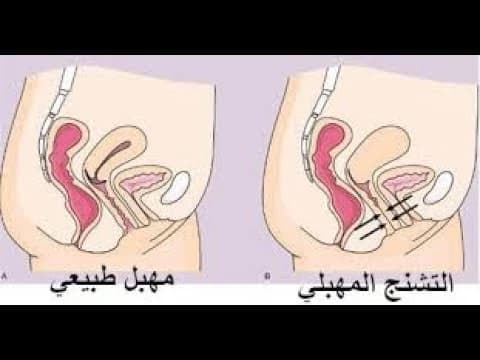
A. Definition of vaginismus Vaginismus is a condition represented by involuntary contraction of the muscles in the vagina, which leads to pain or discomfort during intercourse. This condition can be caused by psychological or physical factors, making it difficult for many women to enjoy a normal sex life. for. The importance of understanding the causes of vaginismus Understanding the causes of vaginismus helps women deal with this condition better. The causes can be diverse, and may include anxiety, past traumatic experiences, or organic factors. By identifying these causes, appropriate treatment and psychological support can be sought to improve the condition.
Psychological factors
A. Anxiety and fear Anxiety and fear are among the most prominent psychological factors associated with vaginismus. Some women experience fears about intercourse, which leads to automatic reactions that tighten muscles. for. Previous negative experiences Previous negative experiences, such as exposure to pain or trauma, play a large role in shaping this condition. These traumatic memories can build psychological walls that prevent a woman from enjoying intimacy, increasing stress and trust.
Physical causes
A. Vaginal infections Vaginal infections, such as fungal or bacterial infections, can lead to pain and discomfort during intimate relations. These infections cause irritation and a lack of lubrication, which contributes to increased muscle tension and makes it difficult for the woman to enjoy sex. for. Muscle and nerve problems Muscle and nerve problems are physical factors that affect the ability to relax during a relationship. Disorders such as muscle spasms or pelvic pain can aggravate the situation, making it difficult for a woman to achieve the desired relaxation and feel comfortable in intimate times.
Other health factors
A. Hormone disturbances Hormonal disturbances can affect sexual desire and the ability to enjoy an intimate relationship. Low levels of hormones such as estrogen or testosterone can lead to vaginal dryness and poor arousal, which increases psychological stress and discomfort. for. Chronic pelvic diseases Chronic pelvic diseases are health problems that greatly affect sexual activity. Conditions such as endometriosis or pelvic inflammatory disease can cause persistent pain, affecting the ability to relax and enjoy a relationship, leading to feelings of anxiety and discomfort.
Marital and relationship reasons
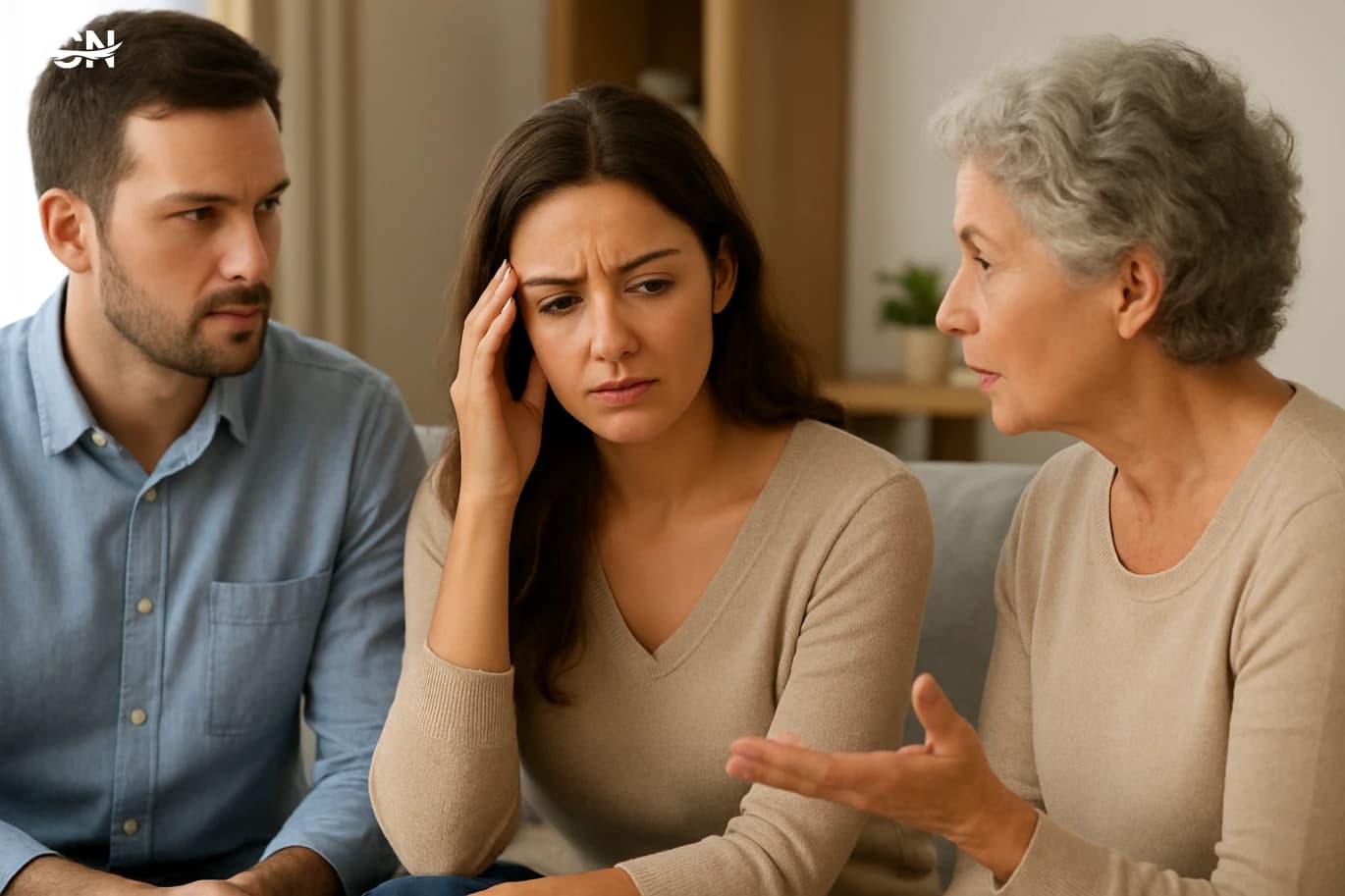
A. Misunderstanding between spouses Misunderstanding can lead to a chill in the intimate relationship between spouses. When partners cannot communicate effectively, negative feelings may worsen, affecting sexual desire. for. Poor sexual confidence Confidence plays a vital role in a sexual relationship. If one partner feels insecure or lacks confidence, this can negatively impact the intimate experience. Bad past experiences and performance anxiety can reinforce this apathy, leading to decreased desire and enjoyment of sexual relations by both parties.