Babylonian civilization

the introduction
The history of the Babylonian civilization had a major role in the history of ancient civilizations, as it was founded in the third millennium BC. It was famous for the amazing architectural structure and advanced laws developed by King Hammurabi. It was also a beacon of knowledge and science, as astronomical sciences and mathematics flourished. The old Babylon site is Babylon in the current Iraq region, on the banks of the Euphrates. Its strategic location facilitated trade and communication with neighboring civilizations. Babylon is distinguished by its historical monuments such as Zaqoura Babylon, which made it one of the most prominent ancient cities that affected the world.
Religion and myths
The gods of the Babylonian civilization were the Babylonian civilization with a complex religious system, as a large group of deities, such as Murdoch, the god of creation, and the foundation, worshiped the goddess of love. He believed that these gods control various aspects of life and affect the fate of humanity. The famous Babylonian myths The Babylonian myths contain great stories, such as the Gilgamesh epic, which dealt with the topics of friendship and eternity. These myths were part of the Babylonian culture, as people used it to explain natural phenomena and to provide lessons and ethical lessons. Therefore, religion and myths are among the basic elements that characterized the Babylonian civilization.
Arts and architecture
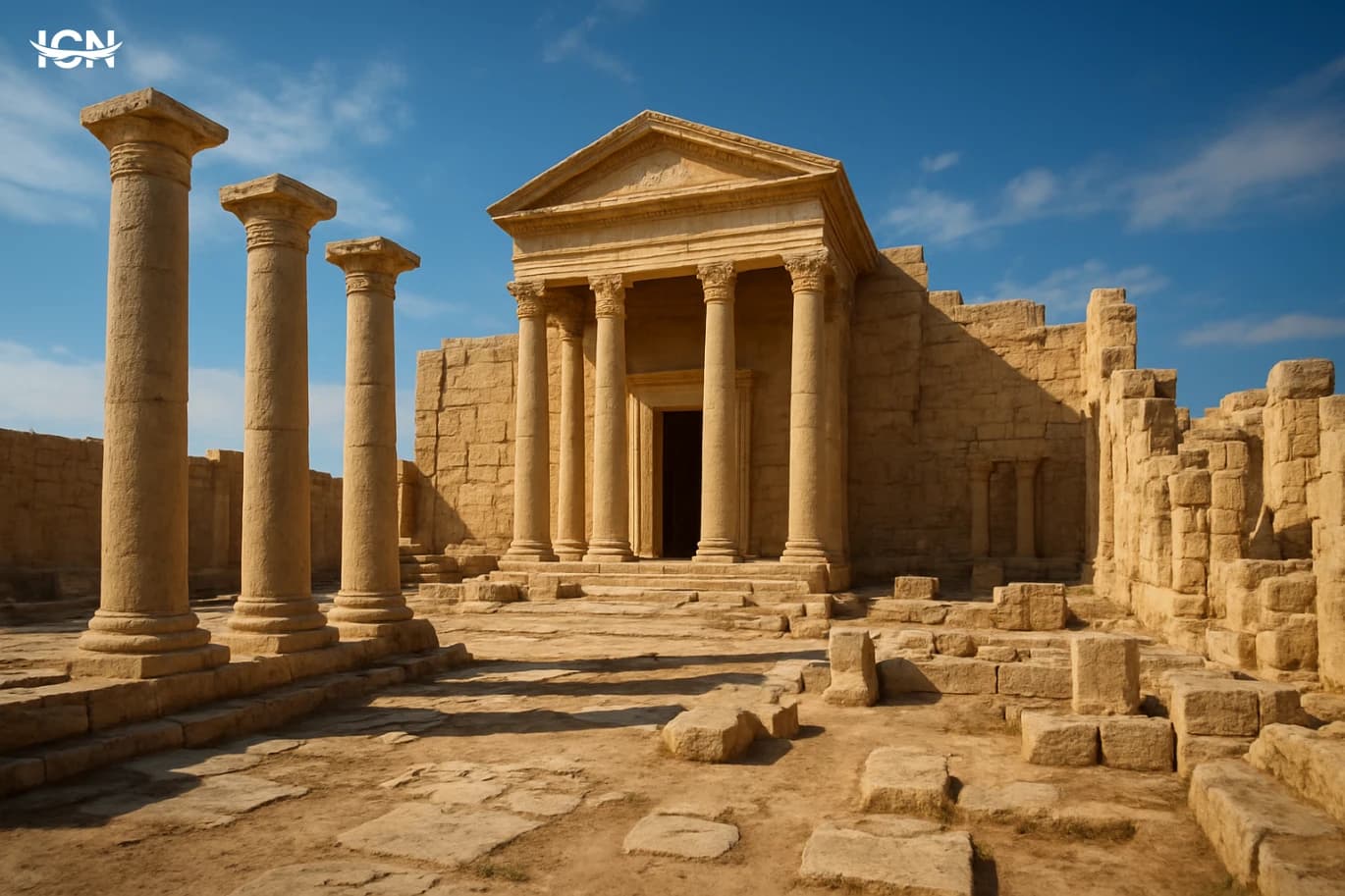
Fine arts in Babylon is one of the most prominent features of civilization, with artists in making statues, mosaics, and drawing. The arts usually reflected local traditions and customs, in addition to presenting it to the gods and historical events. The works were characterized by complexity and accuracy, which shows the skill of artists in that period. The effects of the Babylonian architecture were the Babylonian architecture famous for its unique and wonderful style, where temples, towers, and palaces were built in a way that reflects the greatness of civilization. Among the prominent landmarks, the Gardens of Babylon were the hanging gardens, which were considered one of the seven wonders of the world. These landmarks contribute to highlighting the engineering and artistic development that Babylon has achieved throughout the ages.
Science and technology
Scientific progress in Babylon is an important center for science in the ancient world, as scientists have contributed to the development of many scientific concepts. This came by studying mathematics, astronomy, and medicine. The Babylonians used numbers, which contributed to the development of the six -time counting system, which is still used today to measure the corners. Discoveries and innovations in the Babylonian civilization have made great achievements in the fields of engineering and medicine. Among their discoveries were advanced construction techniques, in addition to the foundations of astronomy that helped them track the heavenly movement. Doctors in Babylon also practiced natural mixtures to treat diseases, indicating their early understanding of the human nature.
Economy and trade
The Economy System in Babylon, the Babylonian economy relied mainly on agriculture and trade. The fertile lands near the Euphrates River were producing abundant crops such as barley and wheat. The Babylonians were also famous for exporting pottery and tissues in addition to precious metals such as gold and silver, which helped enhance their wealth. Babylon trade and its international relations have owned Babylon with strong trade relations with neighboring countries, such as Assyria and Phoenicia. Babylonian merchants exchanged goods and resources with these countries, which increased their economic and cultural impact. An example of this was the convoys of trade that transported commodities across land roads, which contributed to the prosperity of the city and raised its position in the ancient world.