App Logo

Download Our App

Shop your way

logologo
Image

Avocado with Eggs Recipes

01/29/2024By: Razan
Avocado with Eggs Recipes

Benefits of Avocados and Eggs:

*Benefits of Avocados: - Contains healthy fats such as monounsaturated fatty acids. - Rich in fiber, promoting digestion and contributing to a feeling of fullness. - Contains various vitamins and minerals like Vitamin C and potassium. *Benefits of Eggs: - A primary source of complete protein and essential amino acids. - Contains diverse vitamins such as Vitamin D and Vitamin B12. - Enhances the feeling of fullness and reduces the desire for unhealthy snacks.

Avocado Toast with Eggs:

You can prepare a delicious meal that combines avocado and eggs on toast. Here is a simple recipe: *Ingredients: - Toast (as desired) - 1 ripe avocado - 2 eggs - Salt and pepper to taste - Olive oil or butter for frying - Green vegetables for garnish (optional) *Instructions: 1. Toast the bread until golden and crispy. You can use a toaster or a pan. 2. In a bowl, mash the avocado with a fork and spread it on the toasted bread. 3. In a pan over medium heat, heat olive oil or butter. 4. Crack the two eggs and place them in the pan. Cook them side by side on the heat. 5. Gently flip the eggs until the egg whites are cooked, and the egg yolk remains soft and runny. 6. Place the eggs on top of the avocado on the toast. 7. Sprinkle with salt and pepper to taste. 8. You can add chopped green vegetables or seeds (such as sesame seeds or cilantro seeds) to garnish the meal. Enjoy a delicious and nutrient-rich breakfast or lunch!

Avocado Salad with Eggs:

You can prepare a delicious salad that combines avocado and eggs. Here is a simple recipe: *Ingredients:* - 2 ripe avocados - 4 eggs, boiled and quartered - Cherry tomatoes, halved - Cucumber, thinly sliced - Sweet pepper (red or yellow), sliced - Chopped lettuce - Lemon juice - Olive oil - Salt and pepper to taste - Green vegetables (optional), such as dill or parsley *Instructions: 1. Cut the avocado flesh into cubes and place it in a large bowl. 2. Add the boiled egg quarters, cherry tomatoes, cucumber slices, pepper slices, and chopped lettuce to the bowl. 3. In a small bowl, mix lemon juice, olive oil, salt, and pepper to prepare the salad dressing. 4. Pour the salad dressing over the salad ingredients and gently toss the ingredients to distribute the dressing. 5. If you desire additional flavor, serve the salad with chopped green vegetables such as dill or parsley. 6. Serve the salad immediately and enjoy a light and healthy meal. You can also customize the salad to your liking by adding additional ingredients such as cheese, nuts, or chia seeds.

Boiled Eggs with Avocado:

Preparing boiled eggs with avocado can be a healthy and delicious light meal. Here is a simple recipe: *Ingredients: - Eggs (as desired) - Ripe avocados (as desired) - Salt and pepper to taste - Seasoning blend (optional, such as a mix of herbs and spices) *Instructions: 1. Boil the eggs according to your preference, either for a soft-boiled runny egg or for 10-12 minutes for a well-boiled egg. 2. Cut the avocados in half and remove the pit. Gently scoop out the avocado flesh and dice it into small pieces. 3. In a bowl, place the diced avocado pieces. 4. Take a spoon and create a small well in the center of each avocado half. 5. Place the boiled egg in the well you created in the avocado. 6. Sprinkle with salt and pepper to taste. 7. If you like, you can add the seasoning blend to add extra flavor. 8. Serve the boiled egg in avocado immediately. Enjoy it as a healthy and delicious light meal. You can customize the recipe to your liking, such as adding soy sauce or chopped parsley to enhance the flavor.

Egg Omelet with Avocado:

Preparing avocado omelette can be a delicious and healthy option. Here is a simple recipe for making avocado omelette: *Ingredients: - 2 eggs - 1 ripe avocado - Salt and pepper to taste - Oil or butter for frying *Instructions: 1. Cut the avocado in half and remove the pit. Gently scoop out the avocado flesh and dice it into small pieces. 2. In a bowl, whisk the eggs well, then add the diced avocado to the beaten eggs. 3. Heat oil or butter in a pan over medium heat. 4. When the oil or butter is hot, pour the mixture into the pan. 5. Gently stir the mixture using a wooden spoon or rubber spatula until the omelette forms and cooks on both sides. 6. Serve the avocado omelette on a plate, and sprinkle with salt and pepper to taste. You can also add chopped onions, diced sweet peppers, or cheese according to your preference to add extra flavors. Serving the avocado omelette with a piece of toasted bread can also be a great option.

Egg with Avocado Manoucheh:

Here is a simple recipe for making a crispy dough used in preparing avocado and egg pastry: **Dough Preparation: *Ingredients for the dough: - 2 cups of flour - 1/2 cup of cold butter (cut into small pieces) - 1/2 cup of cold water - 1/2 teaspoon of salt *Instructions: 1. In a large bowl, place the flour and cold butter pieces. 2. Using your fingertips or a pastry cutter, rub the butter into the flour until it forms a breadcrumb-like mixture. 3. Gradually add cold water, gently mixing the ingredients until a dough forms. You may need to add more water if the dough is dry. 4. Transfer the dough to a floured surface and knead briefly until it becomes smooth and cohesive. 5. Shape the dough into a ball, then cover it with plastic wrap and place it in the refrigerator for at least 30 minutes. 6. After chilling the dough, roll it out on a floured surface to achieve the desired thickness. **Avocado and Egg Pastry Preparation: *Ingredients for the avocado and egg pastry: - Prepared dough - 2 ripe avocados - 4 eggs - Salt and pepper to taste - Olive oil (for garnish) - Chopped favorite vegetables (optional) *Instructions: 1. Preheat the oven according to the dough instructions. 2. Roll out the dough in a baking tray to a specific thickness. 3. Peel and thinly slice the avocados, then distribute them on the dough. 4. In a bowl, beat the eggs and add salt and pepper. 5. Pour the egg mixture over the avocados and the dough. 6. Add your favorite vegetables if desired. 7. Fold the edges to create a nice border for the pastry. 8. Use a fork to prick the surface to avoid bubble formation. 9. Place the tray in the oven and bake the pastry until it turns golden and the dough is baked. 10. After removing from the oven, drizzle olive oil on the surface and serve. Enjoy the avocado and egg pastry as a light snack or a tasty breakfast.
* All articles published on this blog are sourced from various websites and are provided for informational purposes only. They should not be considered as confirmed studies or accurate information. Please verify the information independently before relying on it.

Similar ARTICLES

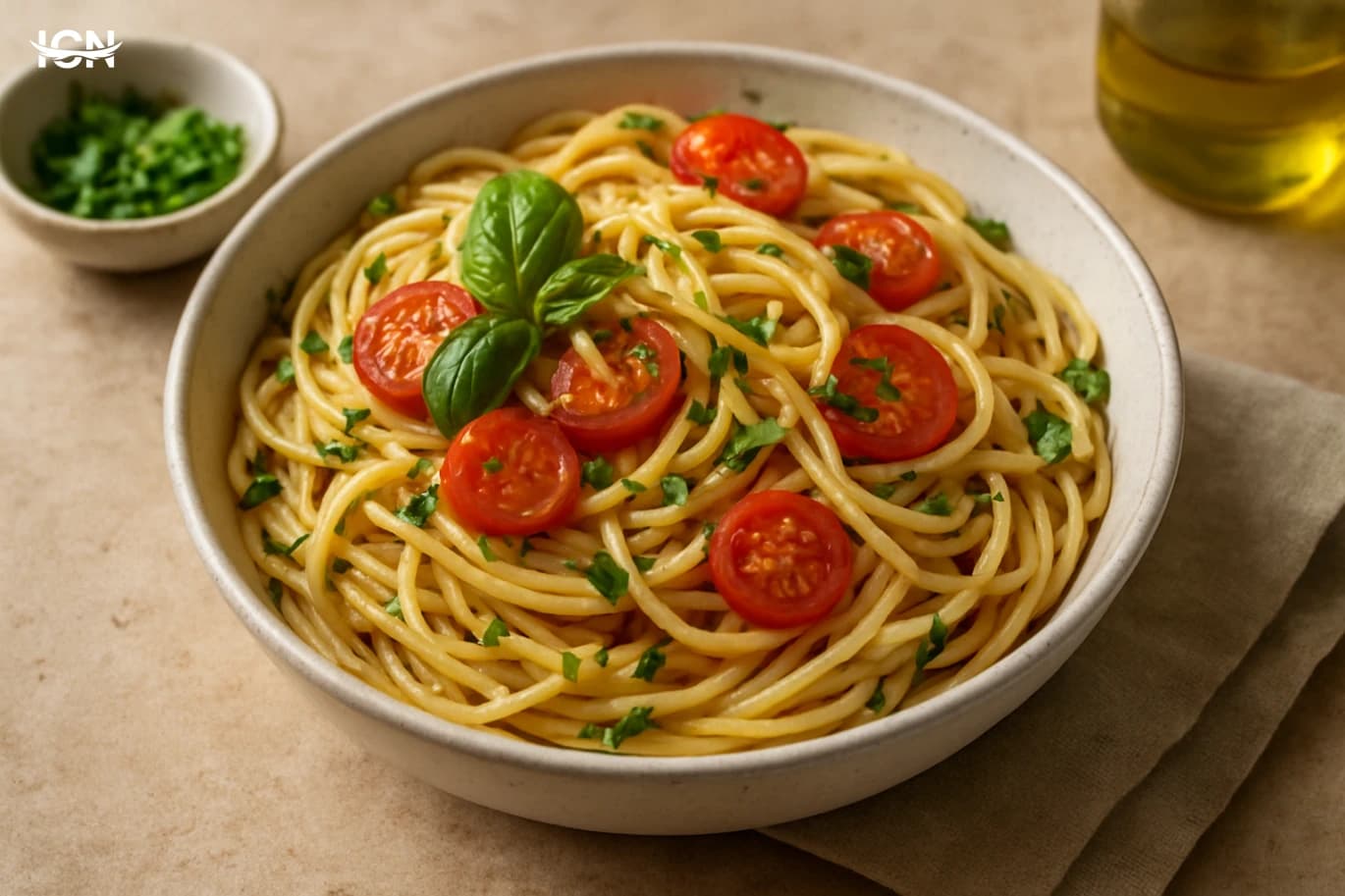
Ten Minute Pantry Pasta That Tastes Fresh
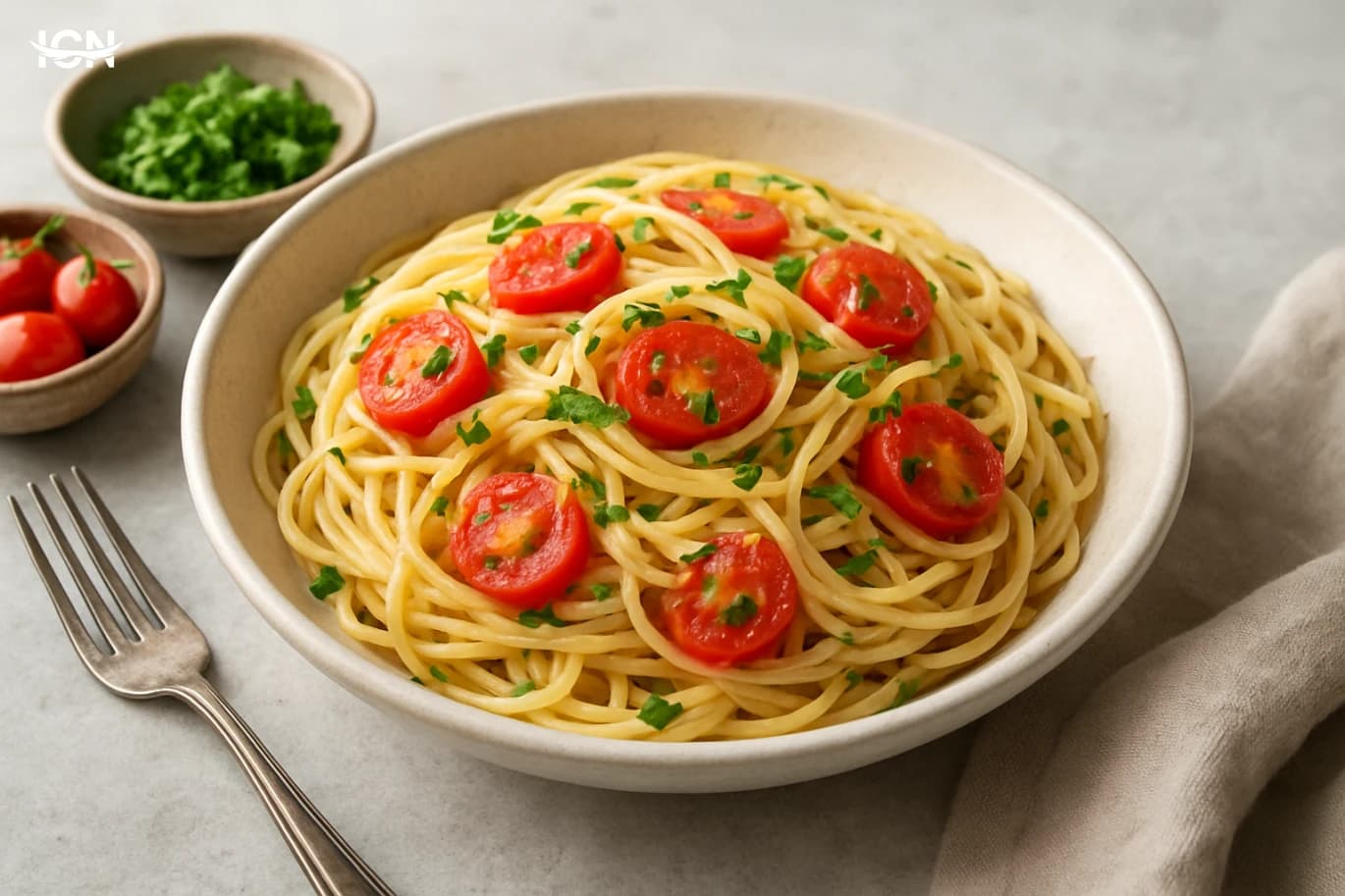
This blog topic focuses on a reliable 10-minute pasta method built around pantry staples, designed for weeknights when time and energy are limited. The core idea is to use one pot for pasta and a fast, no-fuss sauce that comes together while the pasta boils, so the total active cooking time stays low. The dish is positioned as a practical alternative to takeout: it is inexpensive, uses ingredients many people already have, and still delivers a fresh taste through smart finishing steps like reserved pasta water, a quick acid element, and a final drizzle of olive oil. The post will explain how the method scales for one person or a family without changing the workflow. It will also address common constraints: limited cookware, a small kitchen, and minimal prep tools. Readers will learn how to keep a “pasta emergency kit” in the pantry and freezer so the meal is always possible, even when the fridge is nearly empty. The tone stays realistic and specific, emphasizing repeatable steps rather than complicated recipes.
Ten Minute Pantry Noodle Bowls
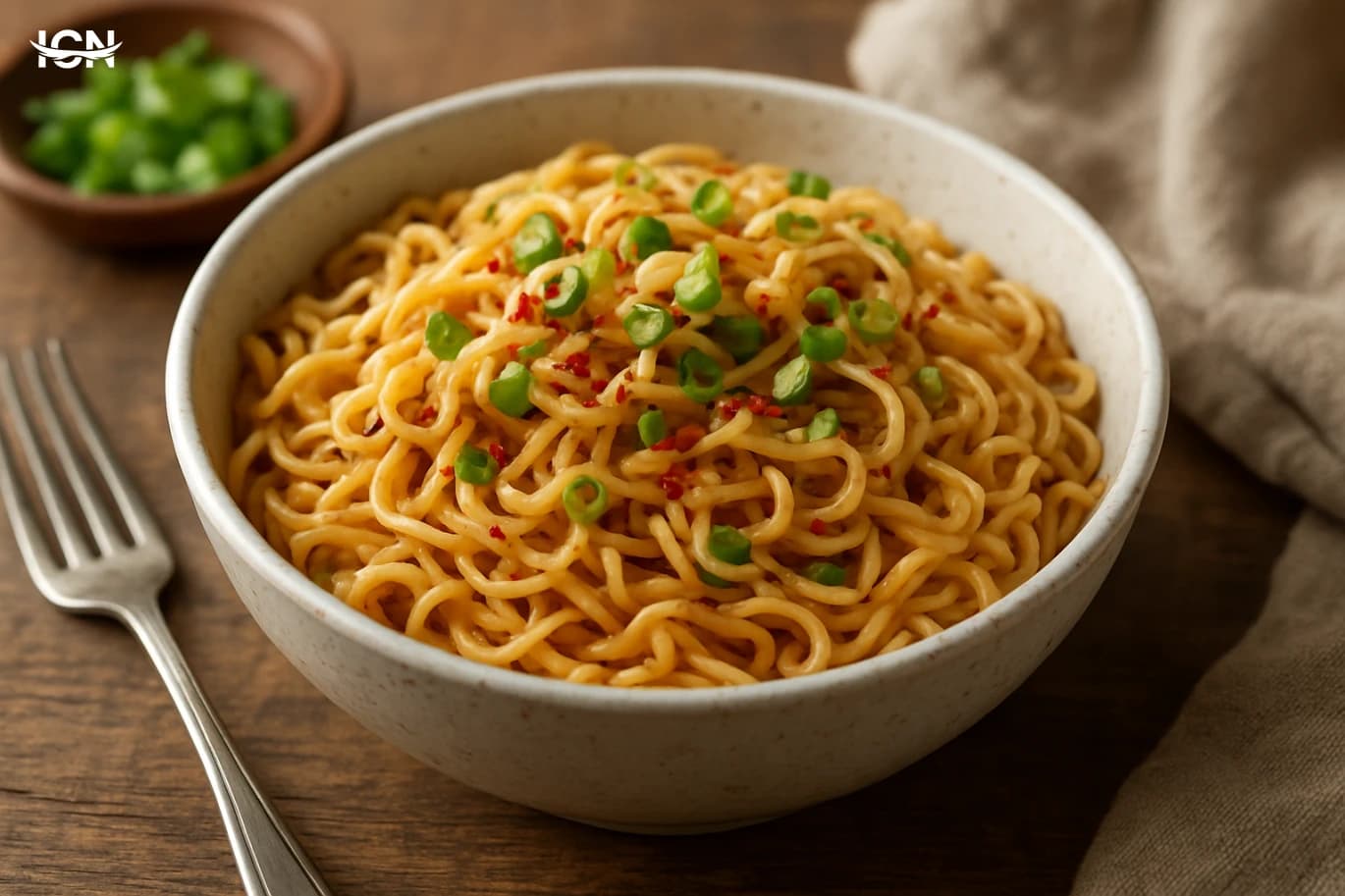
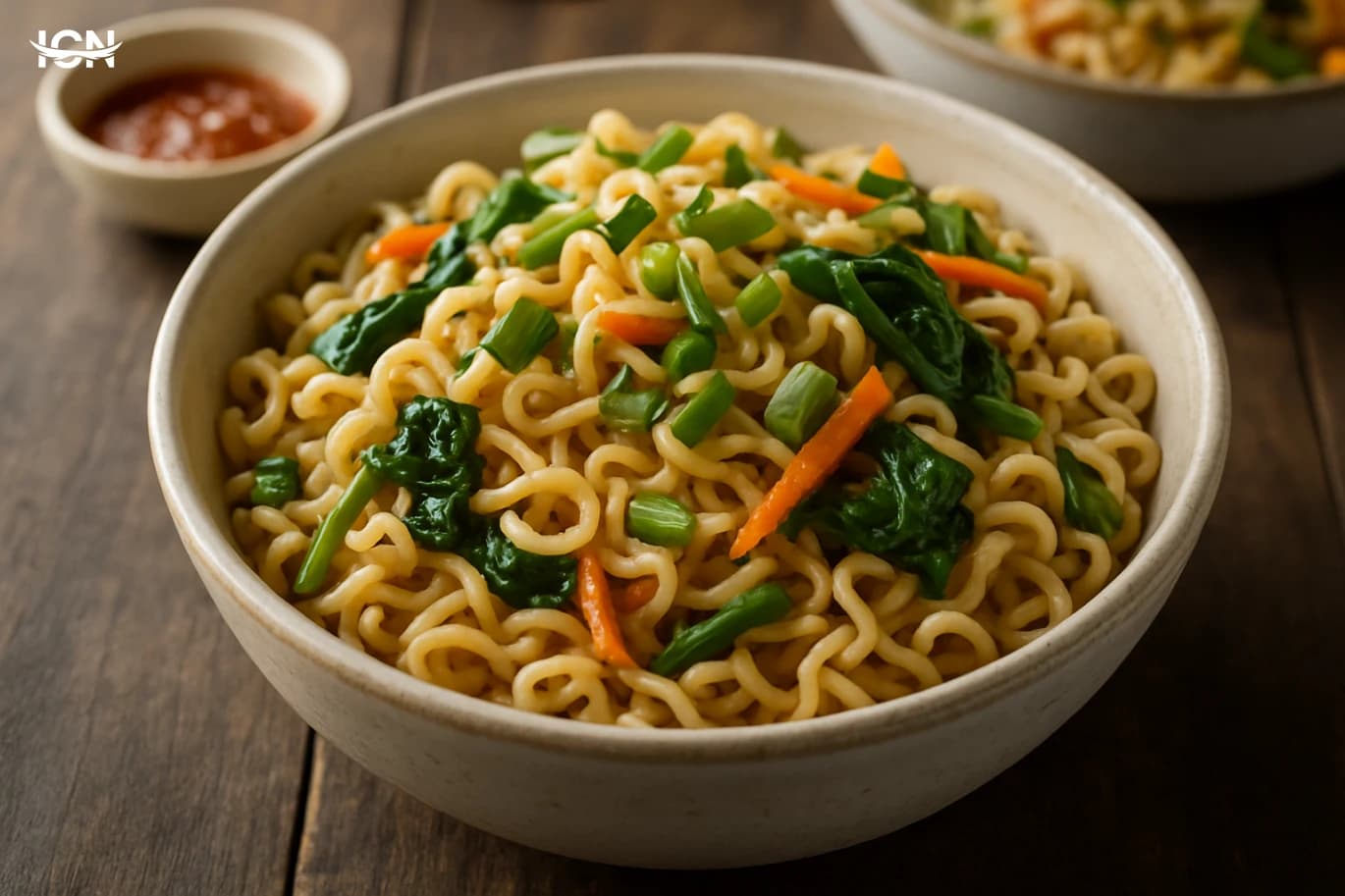
A pantry-based noodle bowl is one of the most reliable fast meals because it combines three things that cook quickly: thin noodles, a simple sauce, and small add-ins that heat through in minutes. You can start with instant ramen, rice noodles, or thin wheat noodles; each reaches a good texture fast if you watch the timing. The “bowl” format also reduces extra steps: you can build flavor in the same pot you cook the noodles, then toss everything together without needing a separate side dish. For weeknights, this matters because it limits dishes, keeps the process predictable, and still delivers a meal that feels complete. Another advantage is flexibility. A noodle bowl can be mild or spicy, savory or slightly sweet, and it can accommodate what you already have: canned fish, frozen vegetables, leftover chicken, or a single egg. The goal is not a restaurant replica; it is a structured method that produces consistent results in about ten minutes. When you treat it like a template—noodles + sauce + protein + vegetables + crunch—you can rotate flavors without learning a new recipe every time.
Ten Minute Pantry Pasta That Tastes Fresh
This topic focuses on a reliable 10-minute pasta built around pantry staples, but finished in a way that tastes bright and freshly cooked. The core idea is to use one pot for the pasta and one pan for a fast sauce that comes together while the water boils. The dish relies on ingredients many people already have: dried pasta, canned tomatoes or tomato paste, garlic, olive oil, and a small “flavor booster” such as capers, olives, canned tuna, or a handful of frozen vegetables. The goal is not a single rigid recipe, but a repeatable method that produces a balanced plate with minimal chopping, minimal dishes, and consistent results. The blog post will explain how timing creates the “fresh” effect: salting the water properly, reserving starchy pasta water, and finishing the pasta in the sauce for 60–90 seconds so the flavors coat every strand. It will also cover how to adjust the sauce quickly for different preferences—mild or spicy, richer or lighter—without adding extra steps. Readers will come away with a practical weeknight plan, not just a list of ingredients.
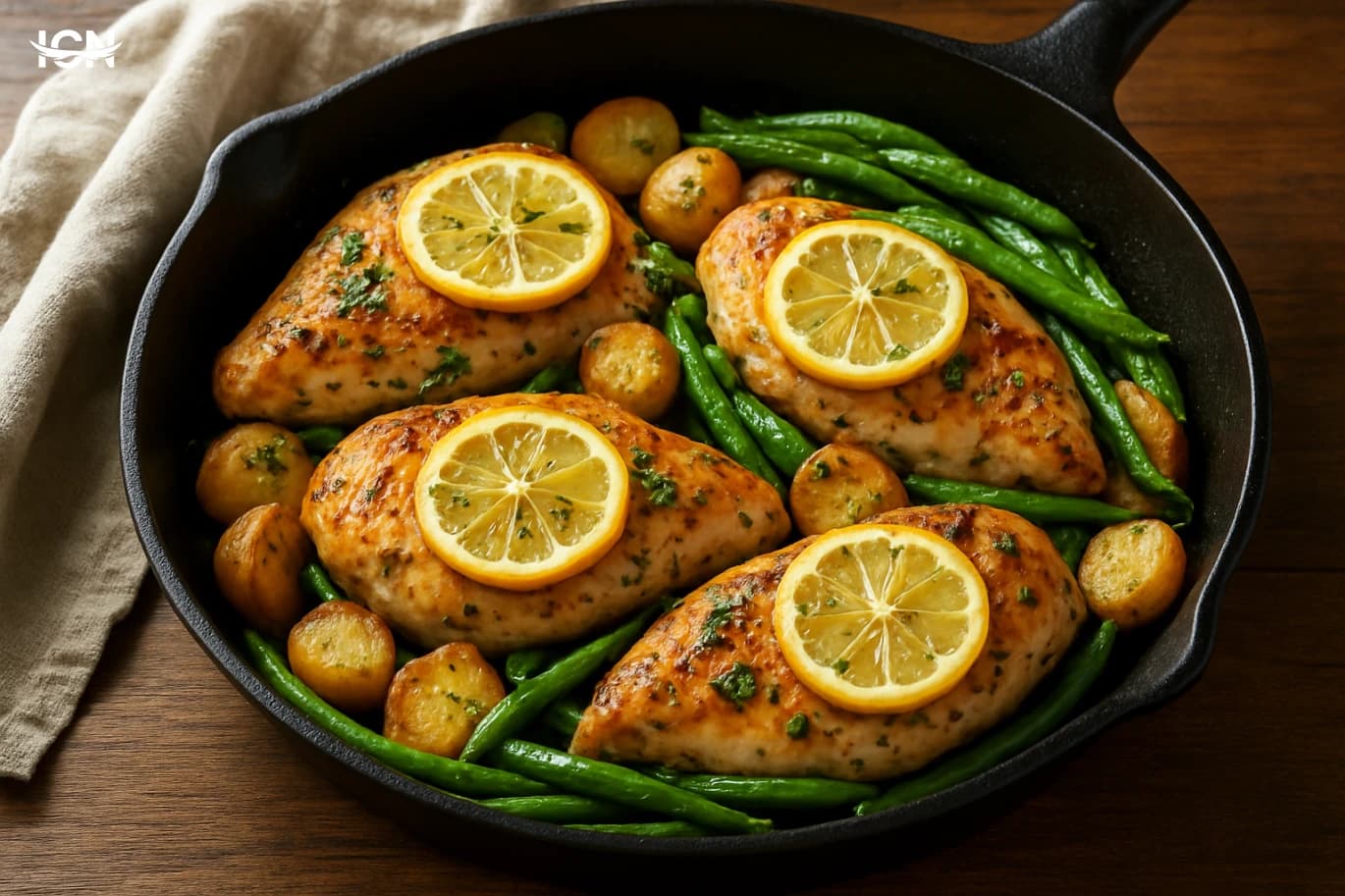
One Pan Lemon Herb Chicken Dinner
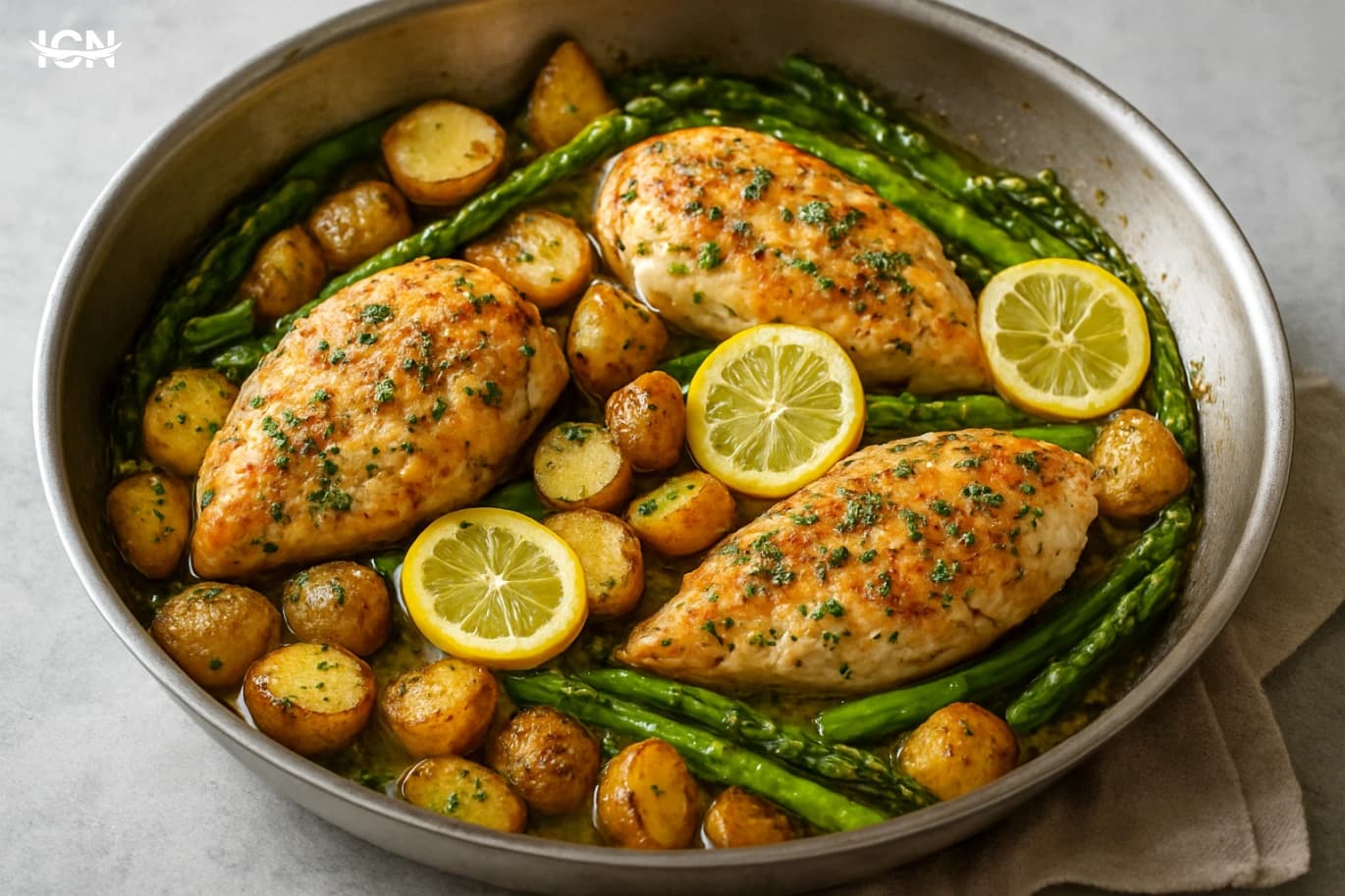
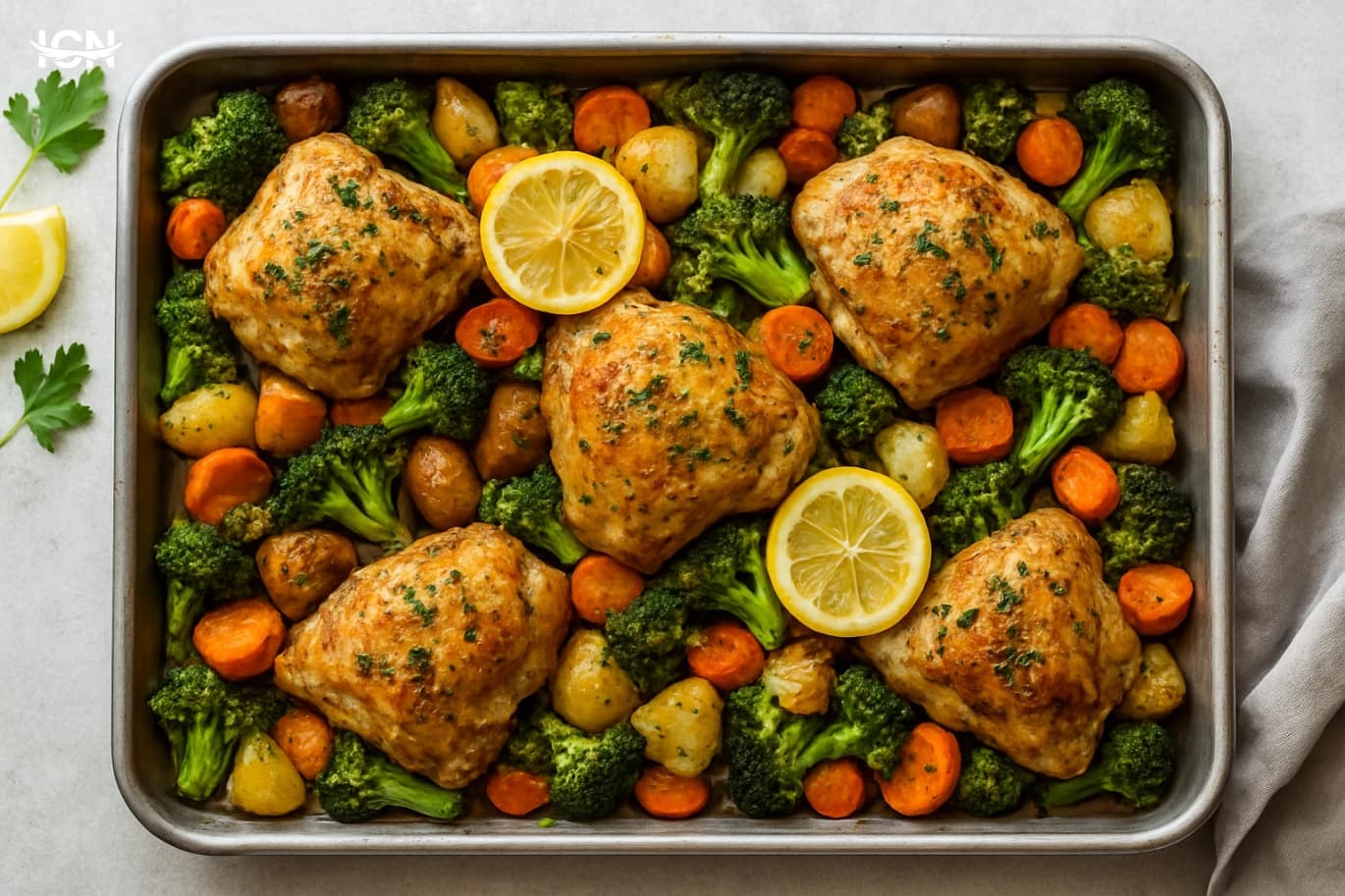
This topic focuses on a fast, reliable dinner built around one sheet pan: lemon-herb chicken with vegetables that roast together. The appeal is practical: minimal prep, minimal dishes, and a complete meal that looks intentional. The method uses a high oven temperature to brown the chicken while keeping the vegetables tender, and it relies on pantry staples like olive oil, dried oregano, garlic, and a fresh lemon. It is also flexible for weeknights because it can be scaled for two people or a family without changing the technique. The key promise is a 35–45 minute total timeline, including prep, with clear checkpoints so the cook is not guessing. This blog topic will show how to choose the right chicken cut, how to cut vegetables for even cooking, and how to build flavor quickly without a long marinade.
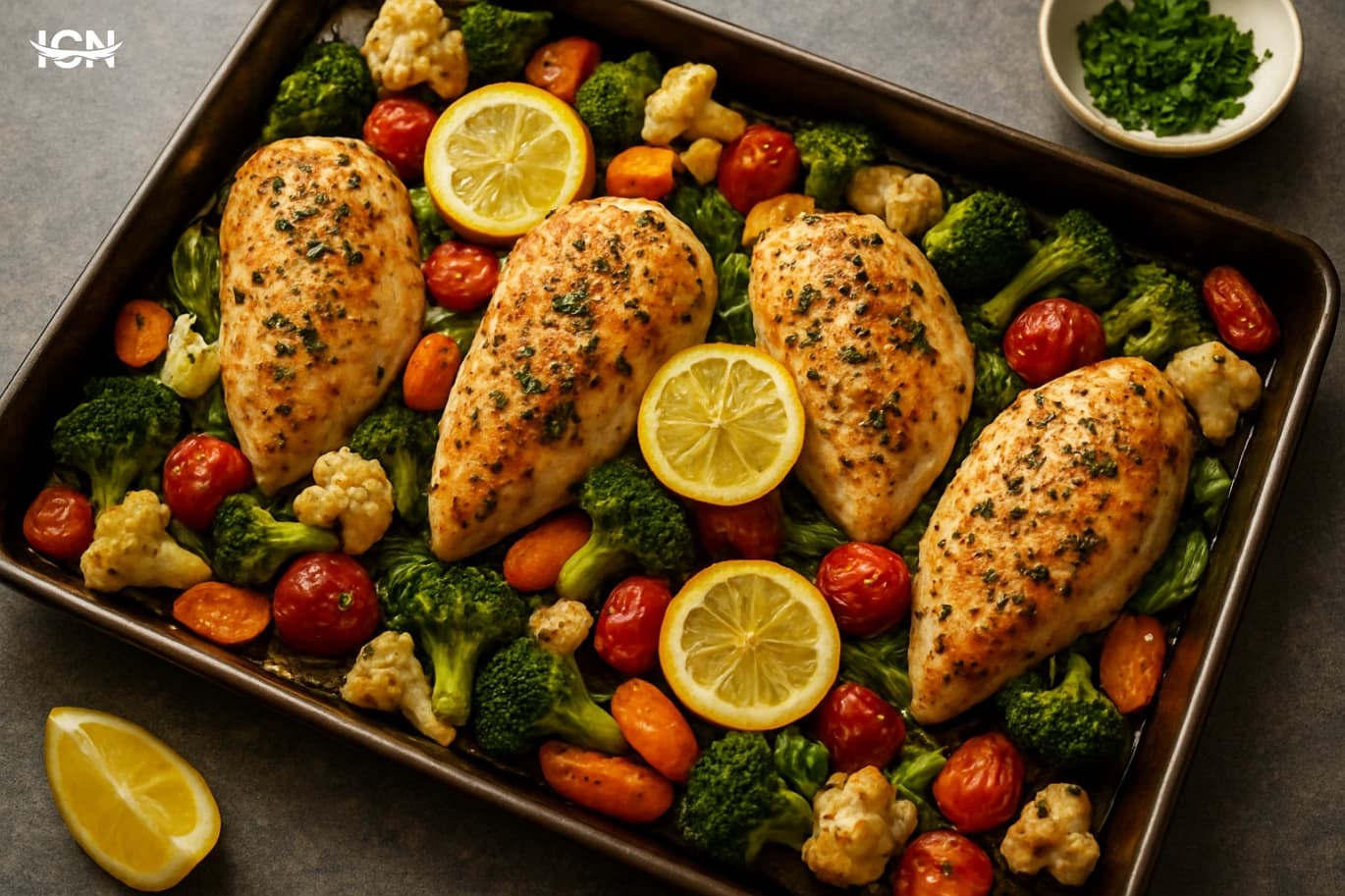
One-Pan Lemon Herb Chicken and Veggies
This topic focuses on a fast, reliable one-pan meal that delivers full flavor with minimal cleanup: lemon herb chicken roasted alongside quick-cooking vegetables. The appeal is practical: everything cooks on one sheet pan, the ingredient list is short, and the method is forgiving even on busy weeknights. The lemon adds brightness, dried or fresh herbs add depth, and a high oven temperature creates browning without needing multiple pots. It also scales easily for two people or a family, and leftovers reheat well for lunch. The post will position the dish as a repeatable template rather than a one-off recipe. Readers learn how to choose the right chicken cut for speed, how to cut vegetables so they finish at the same time, and how to build a simple marinade that doubles as a finishing sauce. The section will also set expectations: total active prep around 10–15 minutes, total time about 30–40 minutes depending on the chicken cut, and cleanup limited to a pan and a bowl. The goal is a specific, actionable dinner idea within Fast & Easy Dishes that feels restaurant-level without complicated steps.
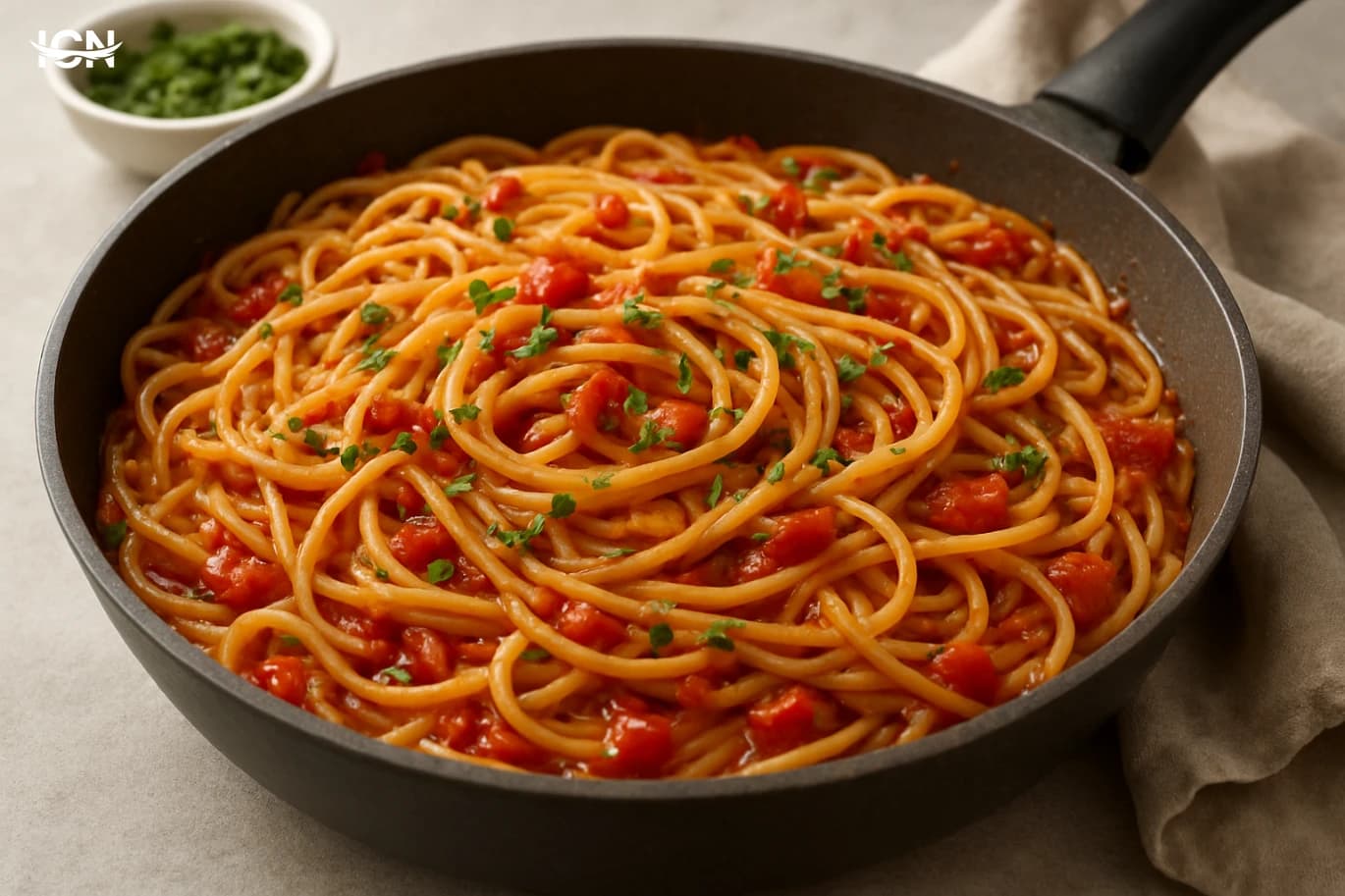
One-Pan Pantry Pasta in 20 Minutes
Fast & Easy Dishes are not only about speed; they are about reducing decisions, dishes, and last-minute shopping. One-pan pantry pasta is a reliable format because it uses shelf-stable basics—pasta, canned tomatoes, broth or water, and a few seasonings—then finishes with a small “fresh” touch like lemon, herbs, or cheese. The method is simple: everything cooks together so the pasta absorbs flavor while the starch naturally thickens the sauce. That means you can skip a separate pot for boiling and a separate pan for sauce, and still get a cohesive, glossy result. This approach also scales well for busy households. It can be made for one person without leftovers, or doubled for a family with minimal extra effort. It is forgiving if you are missing an ingredient: no onion? use garlic powder; no broth? use water plus a pinch of salt; no cheese? finish with olive oil and pepper. The key is controlling liquid and timing so the pasta cooks through while the sauce reduces to the right consistency. With a few practical rules, this becomes a repeatable weeknight meal rather than a one-off experiment.
Ten Minute Pantry Noodles Done Right
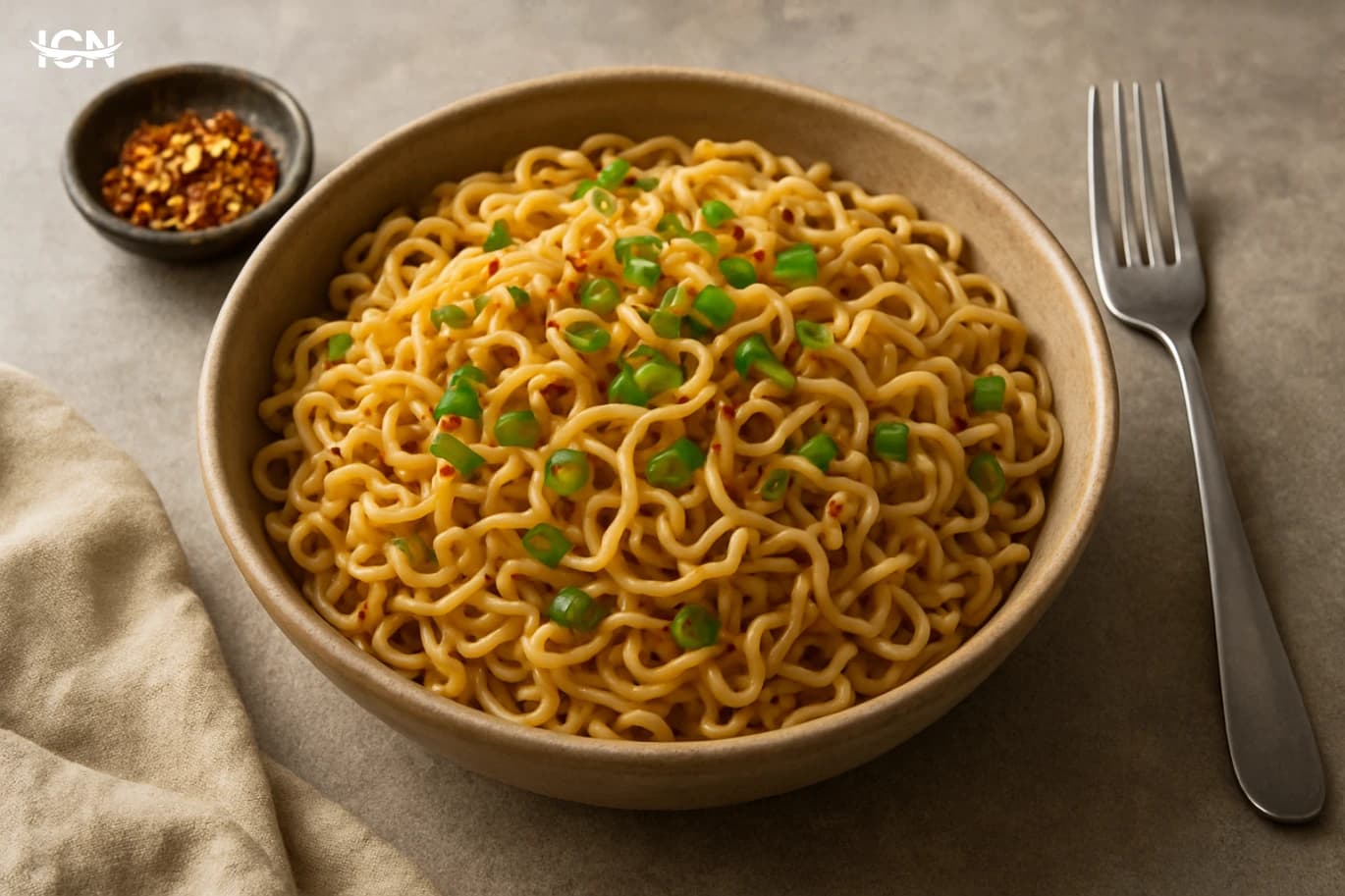
Pantry noodles are one of the most reliable fast meals because they rely on shelf-stable basics and a short cooking window. A pack of dried noodles, a jarred sauce, or a few condiments can become a complete dish in under ten minutes, especially if you keep one or two vegetables and a protein option ready. The key is to treat the meal like a quick assembly project: boil, toss, finish. When you plan the flavor profile before you start, you avoid the common problem of bland noodles or watery sauce. This topic focuses on a practical method that works with what many kitchens already have: dried ramen-style noodles, spaghetti, rice noodles, or udon; soy sauce or tamari; vinegar or citrus; a sweet element like honey or brown sugar; and a fat like sesame oil or olive oil. With these, you can build a balanced sauce without measuring cups. The goal is not to imitate restaurant dishes but to create a repeatable home formula that tastes consistent and feels satisfying, even when time is tight.
Ten Minute Pantry Noodles That Taste Fresh
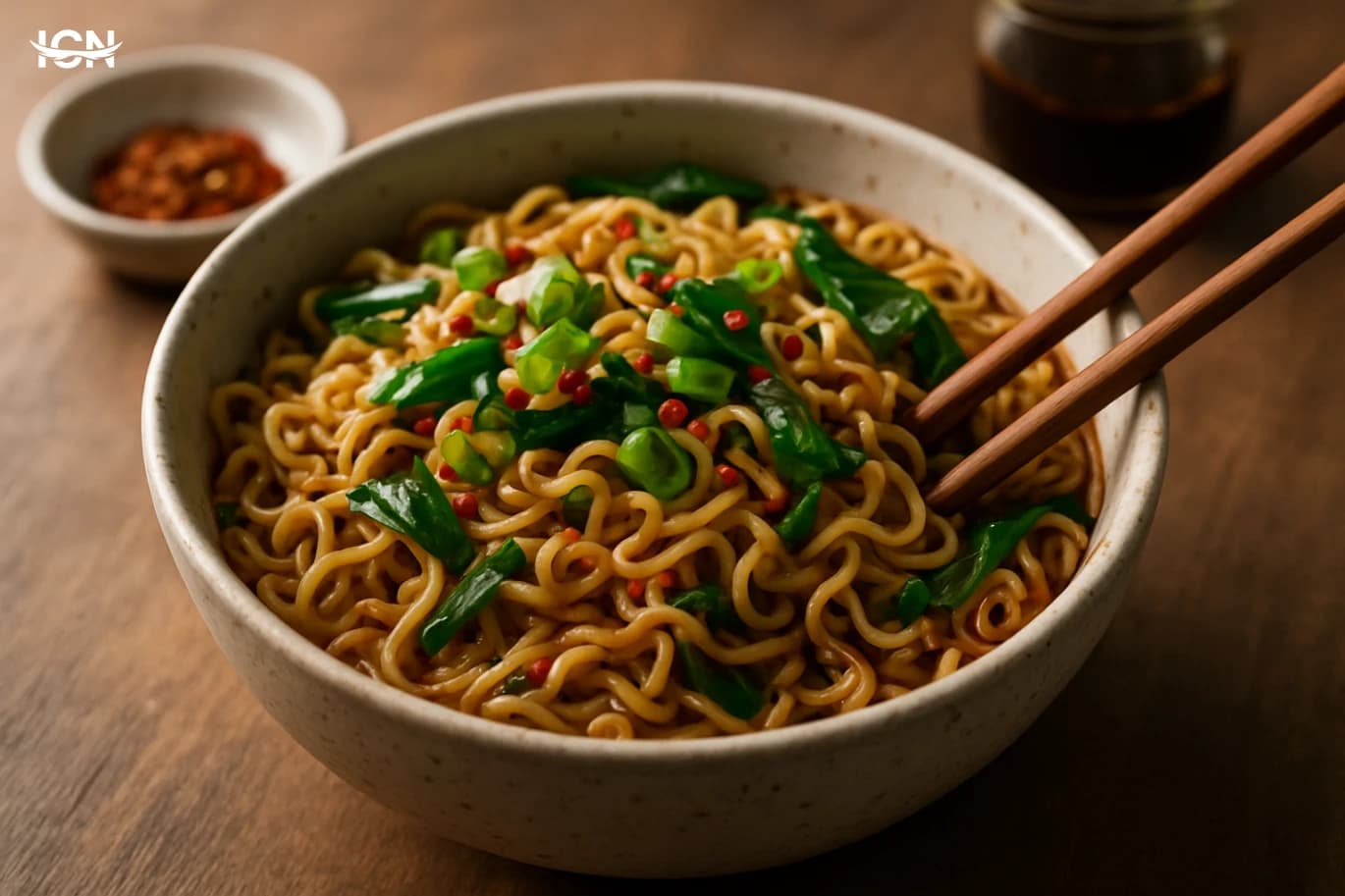
This topic focuses on a fast, repeatable way to turn basic pantry noodles into a dish that tastes like it was cooked with fresh ingredients. The core idea is to separate the meal into three quick parts: noodles, a concentrated sauce, and a fresh finish. Using dried noodles (instant ramen without the seasoning packet, rice noodles, or spaghetti) keeps cook time under 6 minutes. A sauce built from common staples—soy sauce, vinegar or citrus, a sweetener, and a fat like sesame oil or olive oil—delivers strong flavor without simmering. The final step is a “fresh finish” added off the heat: sliced scallions, cucumber, herbs, toasted seeds, or a spoon of yogurt or tahini. This structure prevents the dish from tasting flat or overly salty, which is a common issue with quick noodles. It also makes the recipe flexible for different diets and budgets, because the same method works with whatever vegetables and proteins are already in the fridge. The blog will emphasize speed, minimal dishes, and consistent results for weeknights and lunch breaks.
Ten Minute Pantry Noodle Bowls
Noodle bowls are one of the most reliable fast & easy dishes because they combine speed, flexibility, and minimal cleanup. Most dried noodles cook in 3–8 minutes, and while they boil you can build a sauce from pantry staples like soy sauce, vinegar, sesame oil, peanut butter, chili paste, or even a simple broth cube. The format is forgiving: you can use whatever vegetables you have, from a handful of spinach to shredded carrots or frozen peas, and you can add protein without extra pans by using pre-cooked chicken, canned tuna, tofu cubes, or a quickly scrambled egg. Another advantage is portion control and consistency. A bowl naturally holds a balanced mix of noodles, sauce, and toppings, so you avoid over-saucing or ending up with a dry plate. It also scales easily: you can cook one portion for a solo lunch or double the noodles for a family dinner without changing the method. Finally, noodle bowls are ideal for “use-it-up” cooking. They help reduce food waste by turning small leftovers—roasted vegetables, a few slices of cooked meat, or half a cucumber—into a complete meal in minutes.
One Pan Lemon Herb Chicken Dinner
This topic focuses on a fast, reliable dinner built around one pan lemon herb chicken with vegetables. It fits busy weeknights because it limits prep to a short list of steps: season, arrange, roast, and finish with a quick sauce from the pan juices. The method is designed to reduce dishes and decision fatigue while still delivering a complete plate with protein and vegetables. The flavor profile is familiar and widely appealing: lemon for brightness, garlic for depth, and dried or fresh herbs for a clean, savory finish. The post can explain how a single roasting pan creates consistent results by keeping heat and moisture in one place. Chicken thighs or breast cutlets cook alongside quick-roasting vegetables, so the meal is ready in about 30 minutes depending on the cut. The blog can also highlight practical advantages: easy scaling for two to six servings, predictable grocery shopping, and minimal cleanup. Readers get a clear plan that feels like a real dinner, not a snack or a complicated project.
Sheet Pan Lemon Herb Chicken Dinner
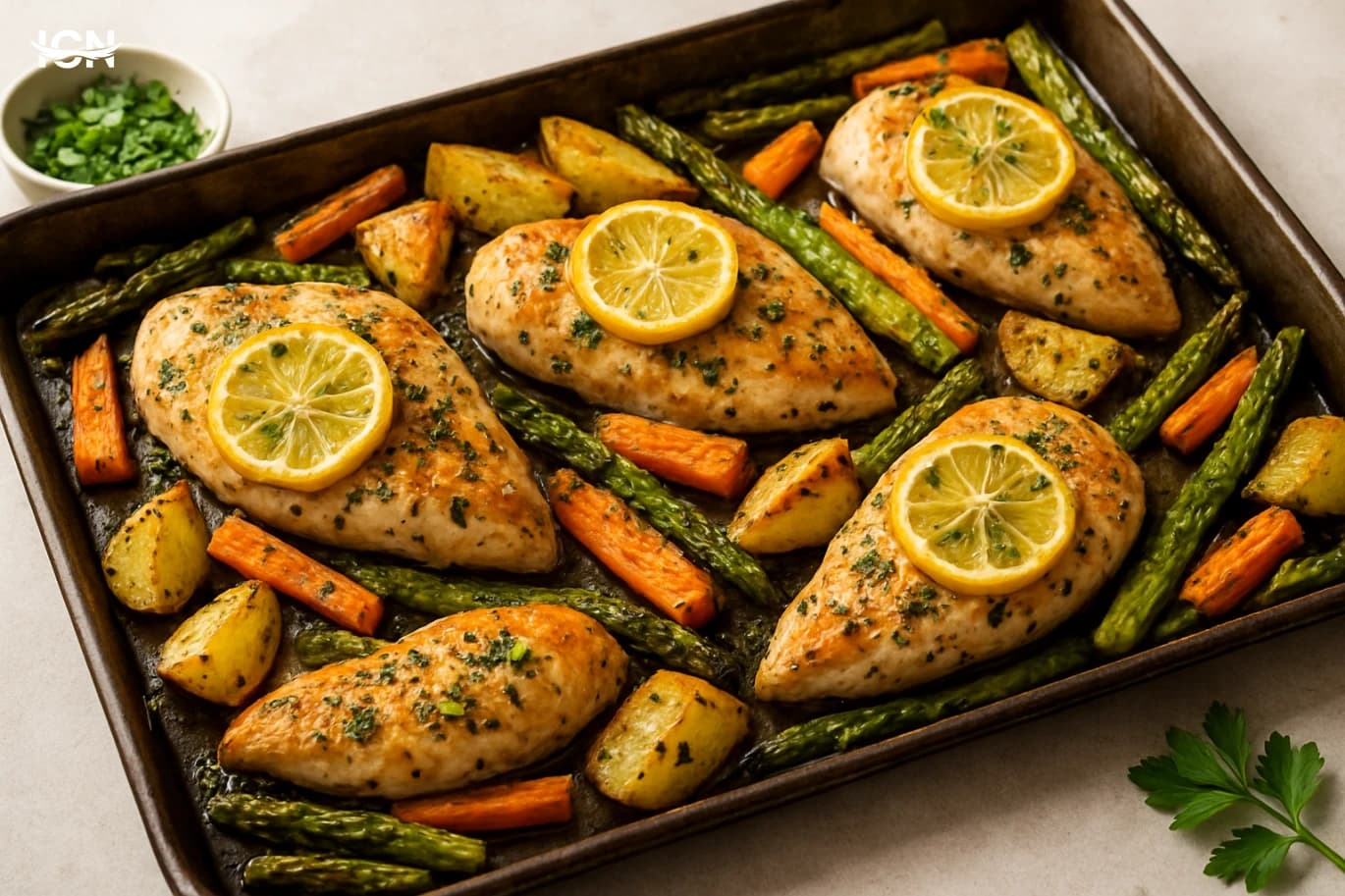
A sheet pan dinner is one of the most reliable formats for fast & easy dishes because it concentrates prep, cooking, and cleanup into a single workflow. This lemon herb chicken version is built around three practical goals: balanced portions, predictable timing, and ingredients that stay flavorful without complicated steps. Chicken thighs or breasts roast alongside vegetables that can handle high heat, so you get a complete meal in about 35–45 minutes including prep. The lemon does more than add brightness. Its acidity helps cut through the richness of chicken and encourages browning when paired with oil and herbs. Using a single pan also makes it easier to scale: you can cook for one by halving the ingredients, or feed a family by filling the tray while keeping the same method. The key is spacing—crowding leads to steaming, while a little room between pieces promotes caramelization and a more roasted flavor.
Ten Minute Pantry Noodle Bowls
Noodle bowls are one of the most reliable fast & easy dishes because they combine speed, flexibility, and minimal cleanup. Most noodles cook in 3–6 minutes, and the rest of the bowl can be built from pantry staples and a few fresh items. The format also makes portioning straightforward: one pot for noodles, one bowl for sauce, and a single serving bowl for eating. That means fewer pans and less time at the sink. They also solve a common weeknight problem: you can make something that feels complete without planning a full menu. A noodle bowl naturally covers carbs, protein, and vegetables in one dish. If you keep a few “always-ready” ingredients—soy sauce, vinegar, peanut butter or tahini, chili paste, canned beans or tuna, frozen vegetables—you can assemble a satisfying meal even when the fridge is nearly empty. The goal is not perfection; it is a repeatable method that delivers consistent results in under ten minutes.
One-Pan Lemon Herb Chicken and Veggies
Fast & Easy Dishes are at their best when they reduce decisions, dishes, and cooking time without sacrificing flavor. A one-pan lemon herb chicken dinner does exactly that: you season once, roast once, and serve straight from the tray. The method relies on high heat, a short ingredient list, and smart timing so chicken and vegetables finish together. This topic focuses on practical details that make the meal reliable on a weeknight. You will learn how to choose chicken cuts that cook evenly, how to size vegetables so they roast rather than steam, and how to build a bright sauce from lemon, garlic, and herbs that tastes fresh even after a quick cook. The result is a complete plate—protein and vegetables—ready in about 35–45 minutes, with cleanup limited to a cutting board and a sheet pan.
By clicking the SUBSCRIBE button, you are agreeing to our Privacy & Cookie Policy If you want to unsubsribe the marketing email, please proceed to our privacy center.
© 2005-2026 ICN. All Rights Reserved.